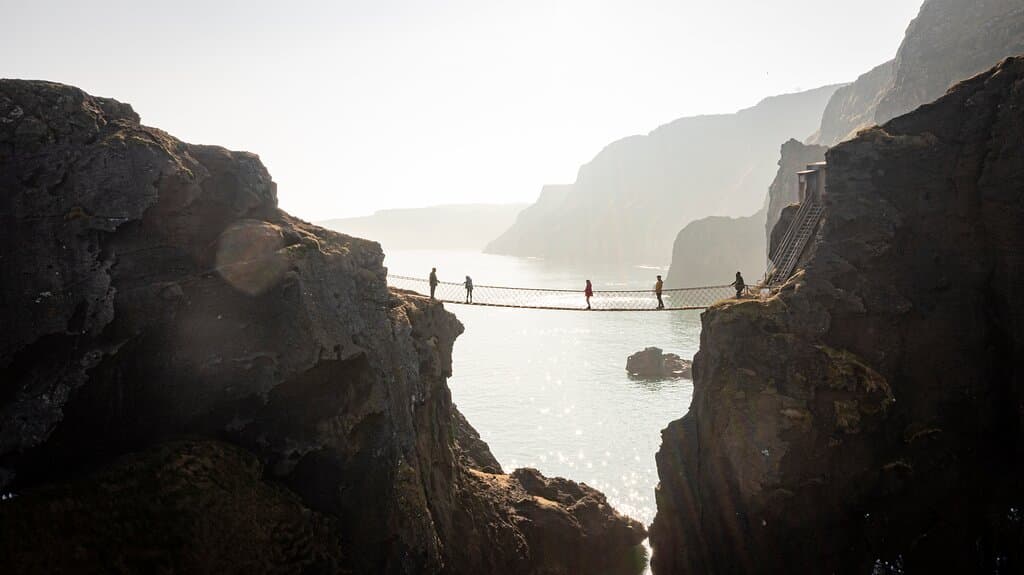
Q’eswachaka Inca Bridge
Experience the last handwoven Inca rope bridge, rebuilt annually by Quechua communities in a breathtaking Andean canyon.

Highlights
Must-see attractions

Social
From TikTok & Reddit
Best Time
Witness the annual reconstruction
Q’eswachaka Inca Bridge
Best Time
Witness the annual reconstruction
Highlights
Must-see attractions
Experience the last handwoven Inca rope bridge, rebuilt annually by Quechua communities in a breathtaking Andean canyon.
"This bridge is totally worth visiting despite how remote it is - it was far more epic than we had imagined!"
🚗 Consider a 4x4 for the drive
Roads can be bumpy and remote. A 4x4 or organized tour is recommended for a smoother journey to the bridge.
💰 Bridge crossing fee
Expect to pay around 20 PEN for tourists to cross the bridge. Locals often pay less.
Quick Facts
Hours
Rating
4.7 · 525 reviews
Highlights
Discover the most iconic attractions and experiences
The Annual Bridge Reconstruction
Apurimac River, Quehue District
Witness indigenous Quechua communities rebuild the last traditional Inca rope bridge using ancient techniques. A truly unique cultural spectacle.
Crossing the Inca Rope Bridge
Apurimac River
Experience the thrill of walking across this handwoven marvel, a testament to Incan ingenuity suspended high above the river.
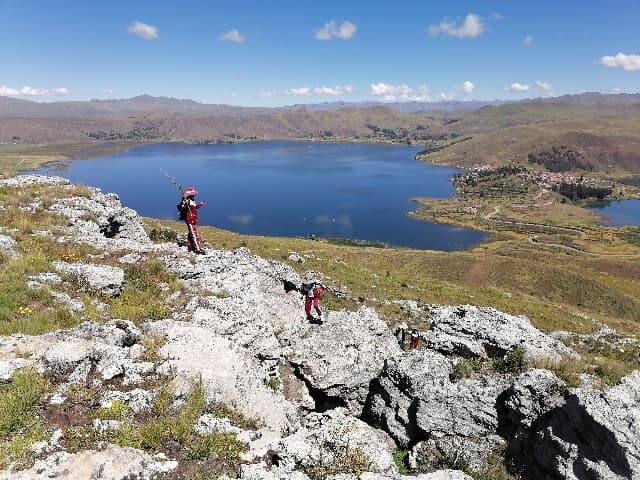
Breathtaking Canyon Scenery
Surrounding Apurimac River Gorge
The dramatic landscape surrounding the bridge offers stunning views and a sense of untouched natural beauty.
Plans like a pro.
Thinks like you
Planning Your Visit
Timing is Everything for the Q'eswachaka Festival
Prepare for a Remote Adventure
Best Times
Insider Tips
from TikTok, Instagram & Reddit
🚗 Consider a 4x4 for the drive
Roads can be bumpy and remote. A 4x4 or organized tour is recommended for a smoother journey to the bridge.
💰 Bridge crossing fee
Expect to pay around 20 PEN for tourists to cross the bridge. Locals often pay less.
💧 Stay hydrated and bring snacks
It's a remote location. Carry water and snacks, though some local vendors are available.
🤝 Respect local traditions
This is a significant cultural event. Be respectful of the Quechua communities and their practices.
Tips
from all over the internet
🚗 Consider a 4x4 for the drive
Roads can be bumpy and remote. A 4x4 or organized tour is recommended for a smoother journey to the bridge.
💰 Bridge crossing fee
Expect to pay around 20 PEN for tourists to cross the bridge. Locals often pay less.
💧 Stay hydrated and bring snacks
It's a remote location. Carry water and snacks, though some local vendors are available.
🤝 Respect local traditions
This is a significant cultural event. Be respectful of the Quechua communities and their practices.
📸 Capture the moment
The scenery and the bridge are incredibly photogenic. Bring your camera!

What Travellers Say
Reviews Summary
Visitors rave about the Q'eswachaka Inca Bridge, calling it an epic and breathtaking experience that's well worth the remote journey. The annual reconstruction ceremony in June is a highlight, showcasing incredible Incan engineering and vibrant local culture. While the drive can be challenging and facilities are basic, the unique opportunity to cross the handwoven bridge and immerse in the stunning natural scenery leaves a lasting impression.
"Amazing! The local Quechua people get together every June and release the old bridge and build a new in three days to honor Pachamama!"
Michelle Marie Paul
"This bridge is totally worth visiting despite how remote it is - it was far more epic than we had imagined!
We went by car: it’s a long road that takes about 4 to 5 hours from Cusco, and it’s full of plot holes and bumpy roads, so in hindsight we would’ve taken a 4x4 or a jeep.
Once you’re there the scenery is breathtaking and crossing the bridge costs 20 pen for tourists and 10 for Peruvians. There’s a few locals selling snacks and food and that’s about it. If you want to spend the night there, you can ask the locals for accommodation as they all have a b&b or know someone that has it. Everybody we met there were super nice and accommodating."
Radu Rojas
"Super awesome place. We took a boat ride, and it was a beautiful river with natural rock. It's an expensive ride but totally worth it. The rod bridge was super unique, and you can walk on it with ance in a life time. Stunning views. Super recommended and you will regret without going to explore this mother nature gift place ..Go go go"
Amazing 6313
What People Like
What People Dislike
Frequently Asked Questions
🚇 🗺️ Getting There
The journey from Cusco to Q'eswachaka is about 4-5 hours and can be challenging due to bumpy, remote roads. Many visitors opt for organized tours or rent a 4x4 vehicle for a more comfortable trip. Some travelers mention starting their journey early in the morning to reach the site.
Yes, driving is possible, but the road conditions can be rough. If you're not in a 4x4, be prepared for a slow and bumpy ride. Some parts of the approach road might have construction, but it generally doesn't cause significant delays.
While direct public transport is limited, some travelers have used local buses or trucks for parts of the journey, especially from nearby towns. However, an organized tour or private transport is generally more convenient for reaching the bridge directly.
The bridge is situated at a high altitude, around 3,700 meters (12,140 feet) above sea level. It's advisable to acclimatize to the altitude in Cusco before making the trip.
The travel time from Cusco is typically 4 to 5 hours, depending on road conditions and the type of vehicle used.
🎫 🎫 Tickets & Entry
The entrance fee for tourists to cross the bridge is approximately 20 Peruvian Soles (PEN). Locals usually pay a reduced fee of around 10 PEN.
For general visits outside of the festival, booking in advance isn't strictly necessary, but tours often include transport and guidance. During the June festival, it's highly recommended to book tours or arrangements well ahead of time due to high demand.
The bridge is generally accessible during daylight hours. For the annual reconstruction ceremony in June, the event spans several days, with specific timings for the rebuilding process.
There is a small information center and restrooms available on the west side of the bridge. Parking is limited at both the east and west sides.
Yes, it's possible to visit independently, especially if you have your own vehicle. However, tours can provide valuable context and handle the logistics of the remote journey.
🎫 🏞️ Onsite Experience
The bridge is traditionally constructed from ichu grass, a type of tough, fibrous plant native to the Andes. The large ropes can be nearly a foot wide when braided.
Yes, visitors can walk across the Q'eswachaka bridge for a fee. It's a unique experience, but be prepared for a swaying structure.
The Q'eswachaka Festival is an annual event in June where local Quechua communities meticulously reconstruct the Inca rope bridge using ancestral techniques. +1 It's a significant cultural celebration honoring Pachamama (Mother Earth).
Some visitors enjoy boat rides on the Apurimac River, offering stunning views of the gorge. The surrounding landscape is also great for photography and appreciating nature.
Wear comfortable walking shoes suitable for uneven terrain. Layers are recommended due to potential temperature changes at high altitude.
🍽️ 🍽️ Food & Dining
Dining options are very limited at the bridge site itself. You'll find a few locals selling snacks and simple food. It's best to pack your own food or arrange for meals as part of a tour.
Yes, some local vendors offer snacks and basic meals. However, the selection is not extensive, so bringing your own provisions is a good idea.
For a wider variety of food, you would need to return to Cusco or find options in towns along the route, though these are also generally basic.
📸 📸 Photography
Early mornings often provide softer light and fewer people, making for better photography. The dramatic canyon and the intricate weaving of the bridge offer stunning visual opportunities throughout the day.
Generally, photography is allowed, but always be mindful and respectful of the local communities, especially during the festival. Avoid intrusive photography of individuals without their consent.
You can capture wide shots of the bridge spanning the gorge, close-ups of the intricate rope weaving, and the vibrant scenes of the community during the reconstruction. +1
Exercise caution when taking photos while on the bridge, as it can sway. It's best to secure your camera and focus on your footing.
A wide-angle lens is great for capturing the scale of the gorge and bridge. A telephoto lens can be useful for details of the weaving or distant views.




Social
from TikTok, Instagram & Reddit