Holy Angel University Museum of Kapampangan Arts
Explore Kapampangan heritage, language, and art, including works by National Artist Vicente Manansala. A cultural gem.
Highlights
Must-see attractions

Social
From TikTok & Reddit
Best Time
Fewer crowds, more focus
Holy Angel University Museum of Kapampangan Arts
Best Time
Fewer crowds, more focus
Highlights
Must-see attractions
Explore Kapampangan heritage, language, and art, including works by National Artist Vicente Manansala. A cultural gem.
"Absolutely essential place to visit if you want to learn of the Kapampangan history, language, and culture."
Allocate ample time
Give yourself a few hours to truly absorb the rich history and culture. Don't rush your visit!
Engage with staff
The museum is well-staffed and knowledgeable. Ask questions to deepen your understanding of Kapampangan heritage.
Quick Facts
Hours
Rating
4.5 · 32 reviews
Type
Museum
Highlights
Discover the most iconic attractions and experiences
Kapampangan History & Culture
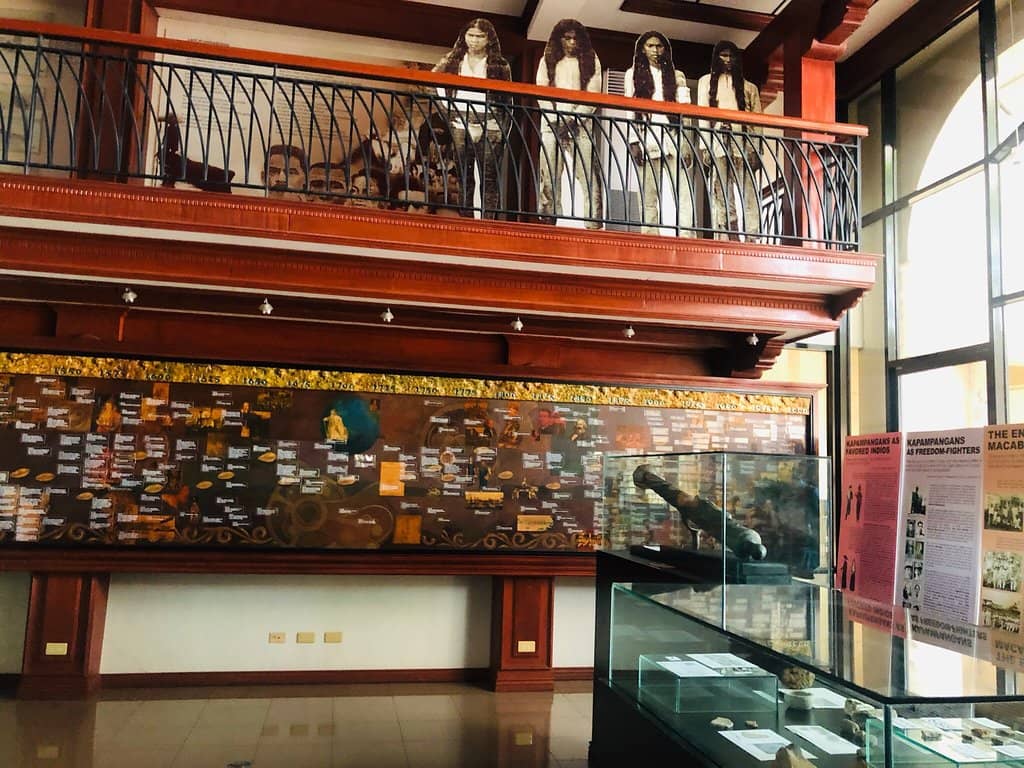
Explore the rich heritage, language, and traditions of the Kapampangan people through diverse artifacts and displays.
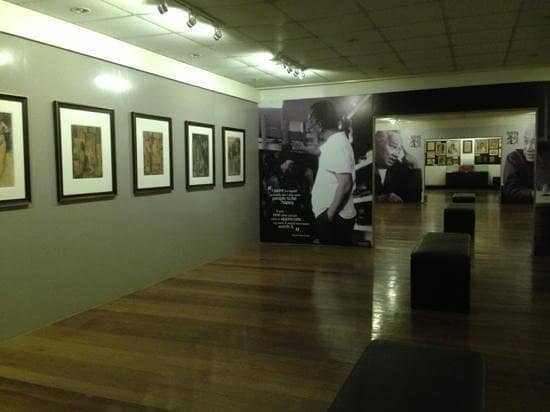
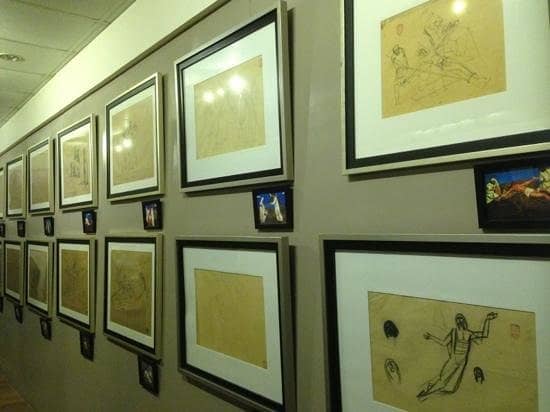
Vicente Manansala Collection
Discover the works of the renowned Filipino National Artist, showcasing his significant contributions to art.
Extensive Book Collection
Delve into a comprehensive library of books detailing Kapampangan history and culture, offering in-depth knowledge.
Plans like a pro.
Thinks like you
Planning Your Visit
Immerse Yourself in Kapampangan Heritage
Discover Local Artistry
Best Times
Insider Tips
from TikTok, Instagram & Reddit
[Series] What do you know about the city of Angeles?
[Pampanga's largest city.](https://www.google.com.ph/maps/place/Angeles,+Pampanga/@15.1413015,120.563326,13z/data=!4m5!3m4!1s0x3396f286eed2e61f:0x3ded82248ad9b436!8m2!3d15.1449853!4d120.5) The hometown of the dish sisig, it may or may not be home to the Clark Special Economic…
Allocate ample time
Give yourself a few hours to truly absorb the rich history and culture. Don't rush your visit!
Engage with staff
The museum is well-staffed and knowledgeable. Ask questions to deepen your understanding of Kapampangan heritage.
Any sources for learning Kapampangan?
Long story short, I have family in Pampanga, and I figured it would be nice to try learning a different language. What are some good books or online resources to learn from?
Enjoy the AC
The museum boasts good working air conditioning, making it a comfortable escape from the heat.
Explore the book collection
Don't miss the in-depth collection of books on Kapampangan history and culture.
Tips
from all over the internet
Allocate ample time
Give yourself a few hours to truly absorb the rich history and culture. Don't rush your visit!
Engage with staff
The museum is well-staffed and knowledgeable. Ask questions to deepen your understanding of Kapampangan heritage.
Enjoy the AC
The museum boasts good working air conditioning, making it a comfortable escape from the heat.
Explore the book collection
Don't miss the in-depth collection of books on Kapampangan history and culture.
What Travellers Say
Reviews Summary
Visitors consistently praise the Holy Angel University Museum of Kapampangan Arts as an essential destination for understanding Kapampangan history, language, and culture. The well-curated exhibits, extensive book collection, and the inclusion of Vicente Manansala's art are highlights. The comfortable, air-conditioned environment and knowledgeable staff further enhance the enriching experience.
"Absolutely essential place to visit if you want to learn of the Kapampangan history, language, and culture. Very well staffed and sourced."
Can I Be Scott
"Very nice atmosphere provides enough information about Kapampangan history. Also good working ac."
K
"I learned a lot about the culture and history of Kapampangans when I visited the place. Meron silang museum and in depth ang collection nila ng books."
Cloie Tangonan
What People Like
What People Dislike
Frequently Asked Questions
🚇 🗺️ Getting There
The museum is located within Holy Angel University in Angeles City, Pampanga. You can reach Angeles City via bus from major hubs like Metro Manila. Once in Angeles City, local transportation like tricycles or taxis can take you directly to the university campus.
Parking is generally available on the Holy Angel University campus. It's advisable to check with the university's security or administration upon arrival for specific visitor parking areas.
Angeles City has a well-established public transport system. Tricycles are common for shorter distances within the city, while jeepneys and buses serve longer routes. Taxis are also available.
🎫 🎫 Tickets & Entry
Admission fees are typically affordable, reflecting its status as a university museum. It's best to check the official Holy Angel University website or contact them directly for the most current pricing information.
Museum hours usually align with university schedules, often open on weekdays and sometimes Saturdays. Confirming the exact opening and closing times before your visit is recommended, especially for holidays or special events.
For individual visitors, advance booking is usually not required. However, if you are planning a group visit or a guided tour, it's highly recommended to contact the museum in advance to make arrangements.
While specific accessibility details can vary, university campuses often strive for accessibility. It's advisable to inquire directly with the museum about ramps, elevators, and other facilities if you have specific needs.
🎫 🏛️ Onsite Experience
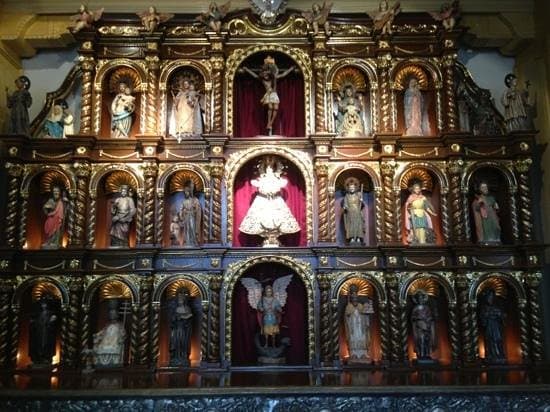
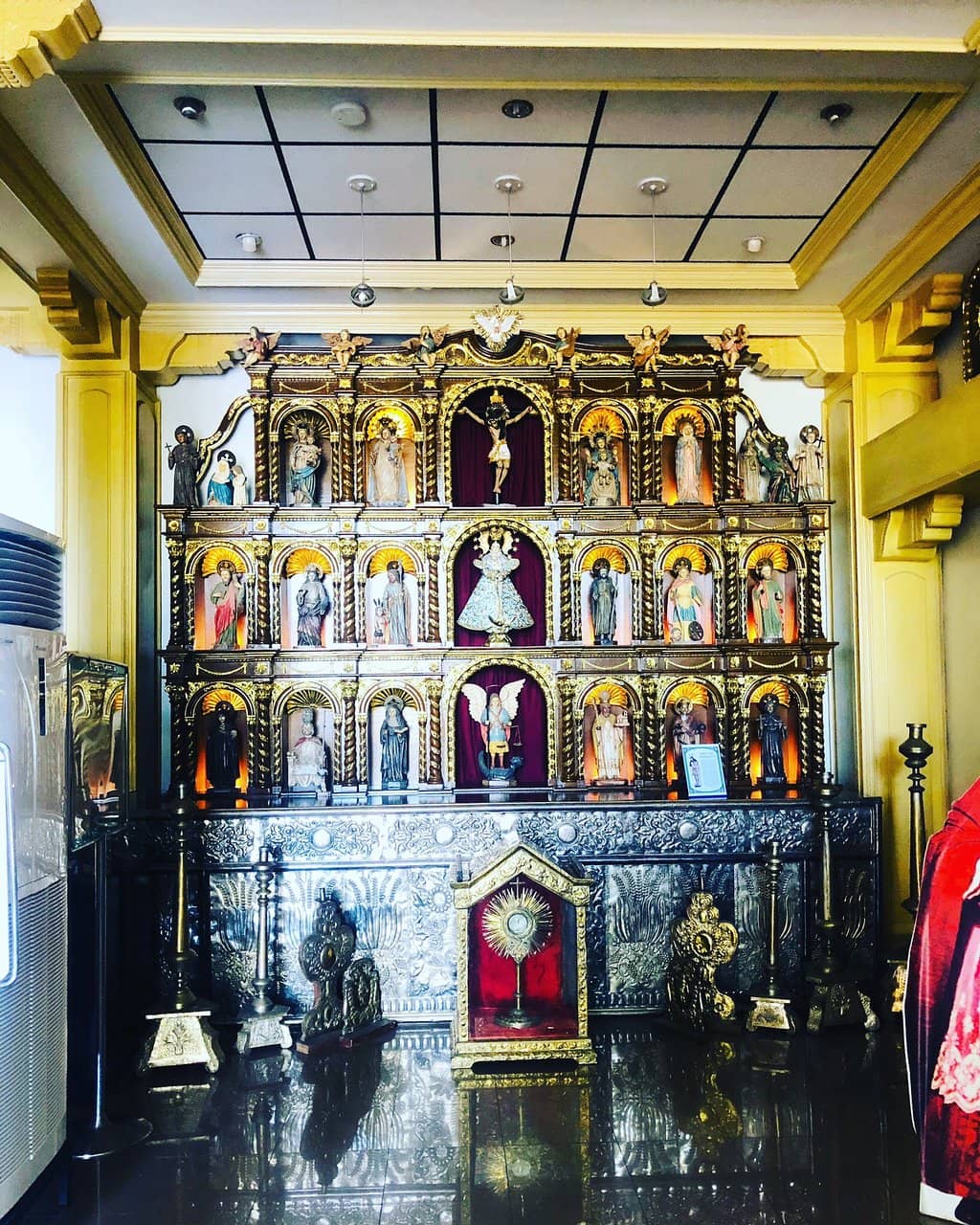
The museum houses a diverse collection including historical artifacts, traditional crafts, photographs, and personal items that tell the story of Kapampangan life and heritage.
Photography policies can vary. Generally, personal photography without flash is often permitted, but it's best to look for signage or ask museum staff for clarification to respect the exhibits.
A thorough visit to appreciate the exhibits and the book collection can take anywhere from 1.5 to 3 hours, depending on your level of interest.
Guided tours may be available, especially for groups. Inquiring with the museum staff in advance can help you arrange for a more in-depth and informative experience.
Its unique focus on Kapampangan culture, language, and history, combined with its collection of works by National Artist Vicente Manansala, makes it a significant cultural landmark.
🎫 📚 Learning & Resources
The museum boasts an in-depth collection of books dedicated to Kapampangan history, language, and culture, serving as a vital resource for researchers and enthusiasts.
The book collection is a valuable resource. While some books might be for display only, others may be accessible for research purposes. It's best to inquire with the museum staff about their research policies.
The museum provides insights into the Kapampangan language through its exhibits and extensive book collection, offering a glimpse into its linguistic heritage.
Social
from TikTok, Instagram & Reddit