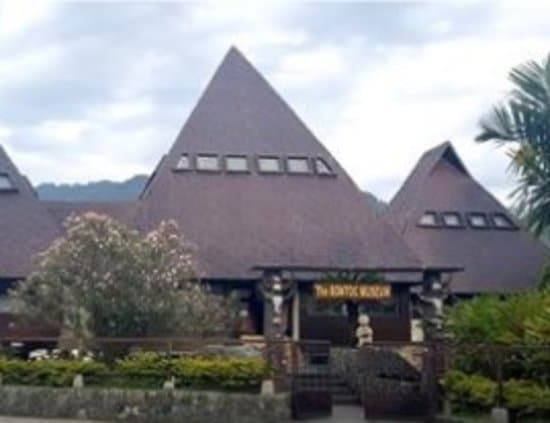
Bontoc Museum
Discover Cordilleran heritage through artifacts, traditional huts, and historical photos at Bontoc Museum.
Highlights
Must-see attractions

Social
From TikTok & Reddit
Best Time
Beat the heat and crowds
Bontoc Museum
Best Time
Beat the heat and crowds
Highlights
Must-see attractions
Discover Cordilleran heritage through artifacts, traditional huts, and historical photos at Bontoc Museum.
"A cultural gem showcasing tribal weapons, instruments, textiles, and traditional practices."
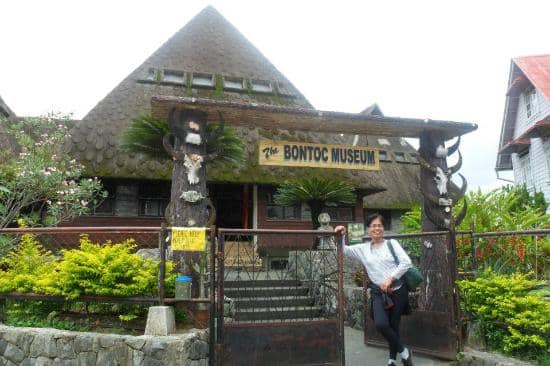
👟 Wear Comfortable Shoes
Expect uphill walks and uneven terrain. Good footwear is essential for exploring the entire site comfortably.
📸 Photography Rules
Photography is generally allowed in outdoor areas but restricted inside the museum. Check for specific signage.
Highlights
Discover the most iconic attractions and experiences
Artifact Collection
Discover tribal weapons, instruments, textiles, and pottery showcasing rich Cordilleran heritage.
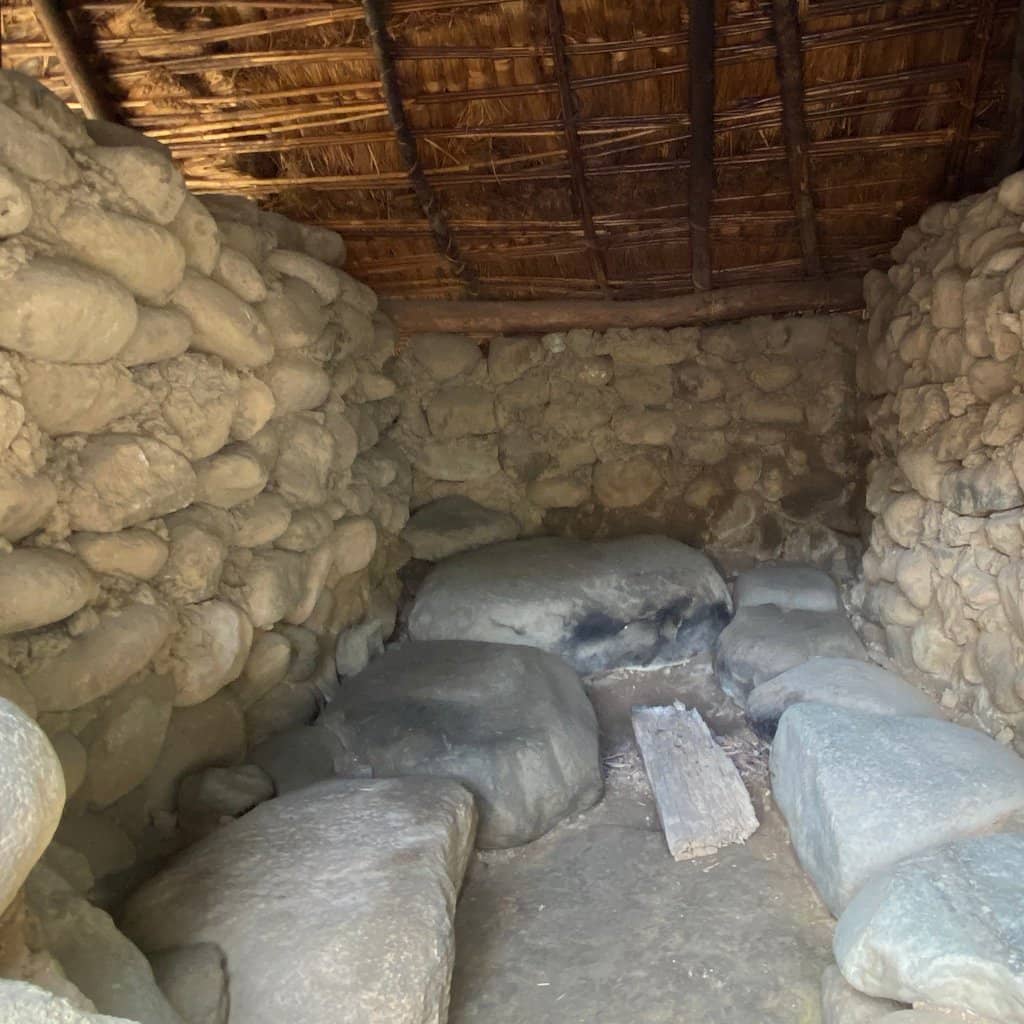
Traditional Ifugao Huts
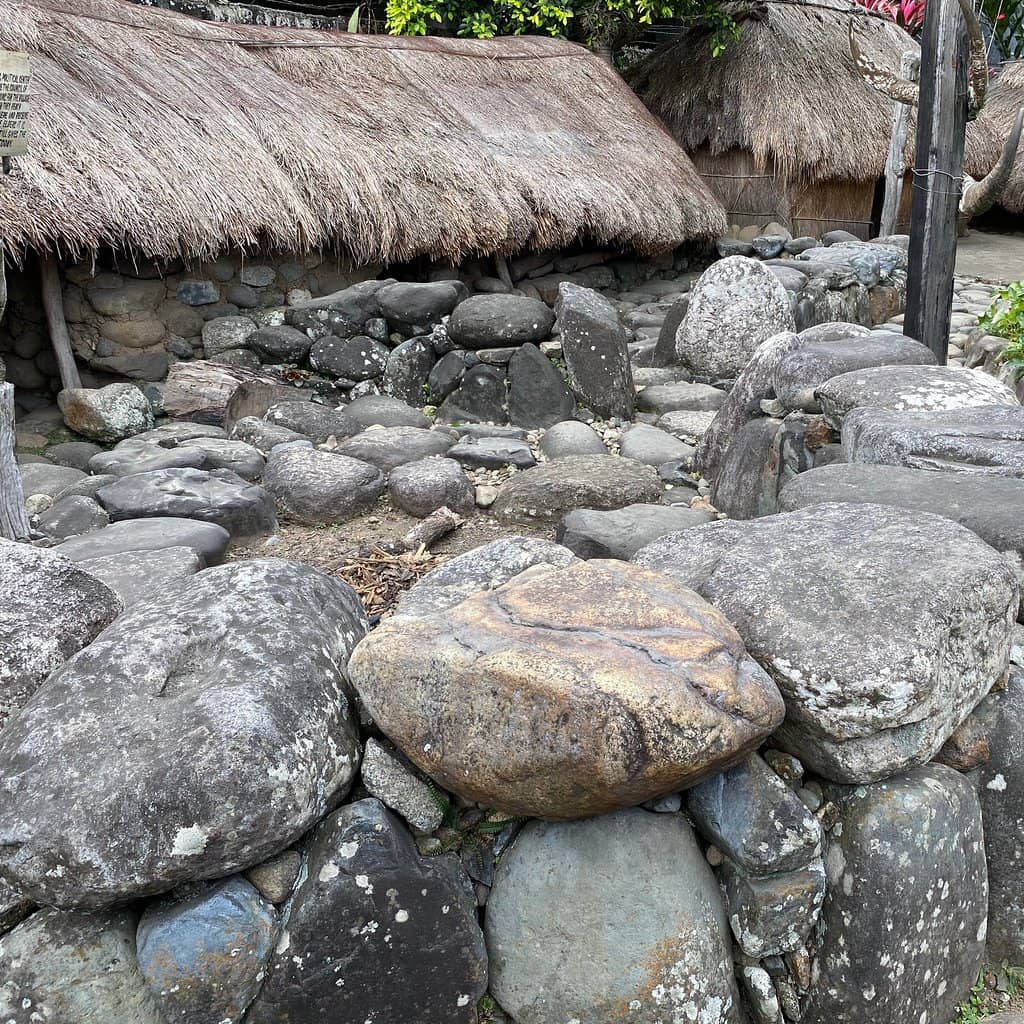
Explore authentic sleeping huts and granaries, offering a glimpse into ancestral living.
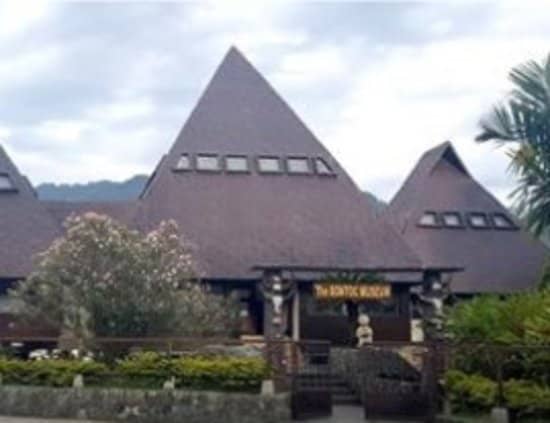
Historical Photographs
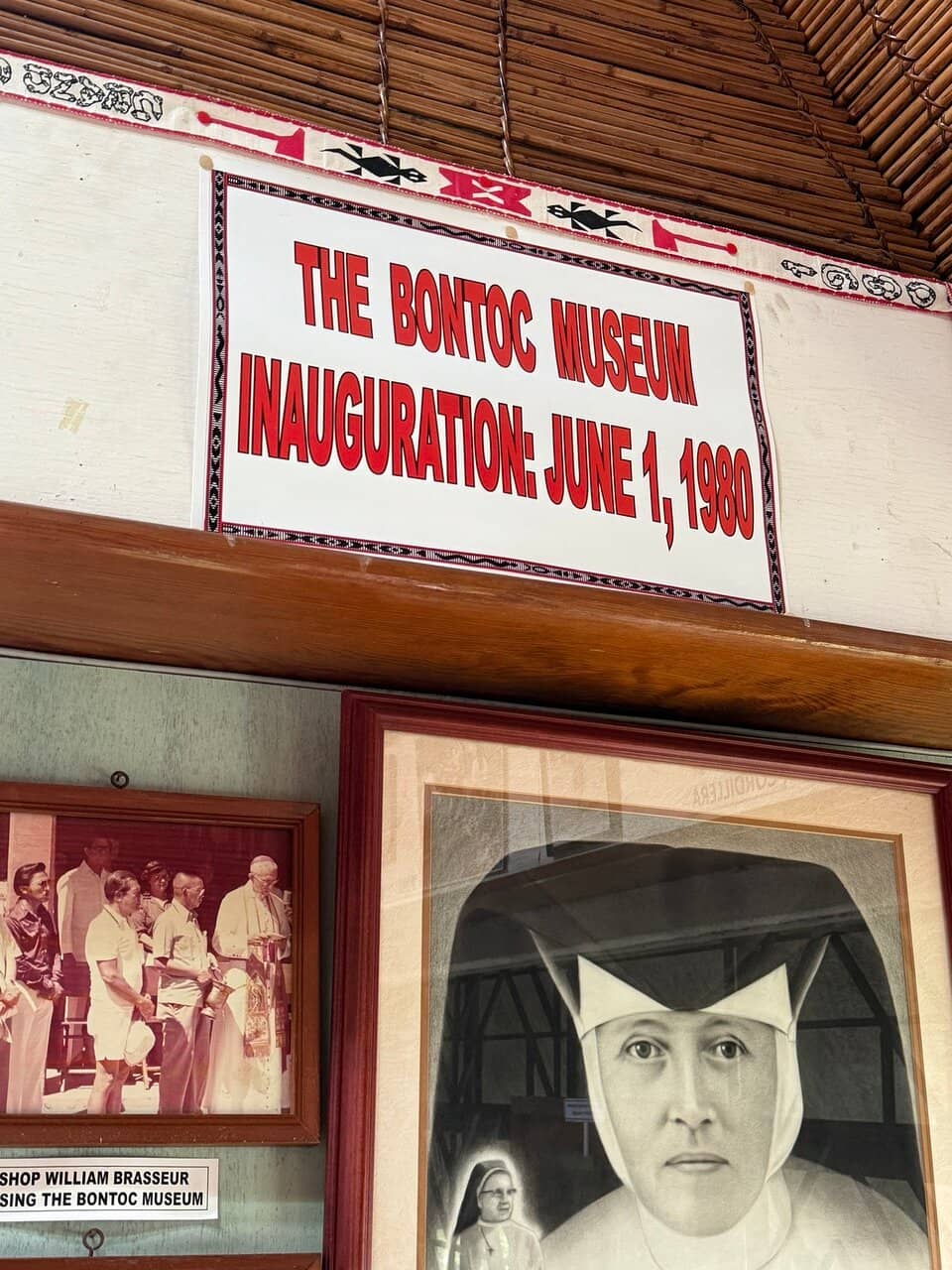
View fascinating old photos that document the history and people of the region.
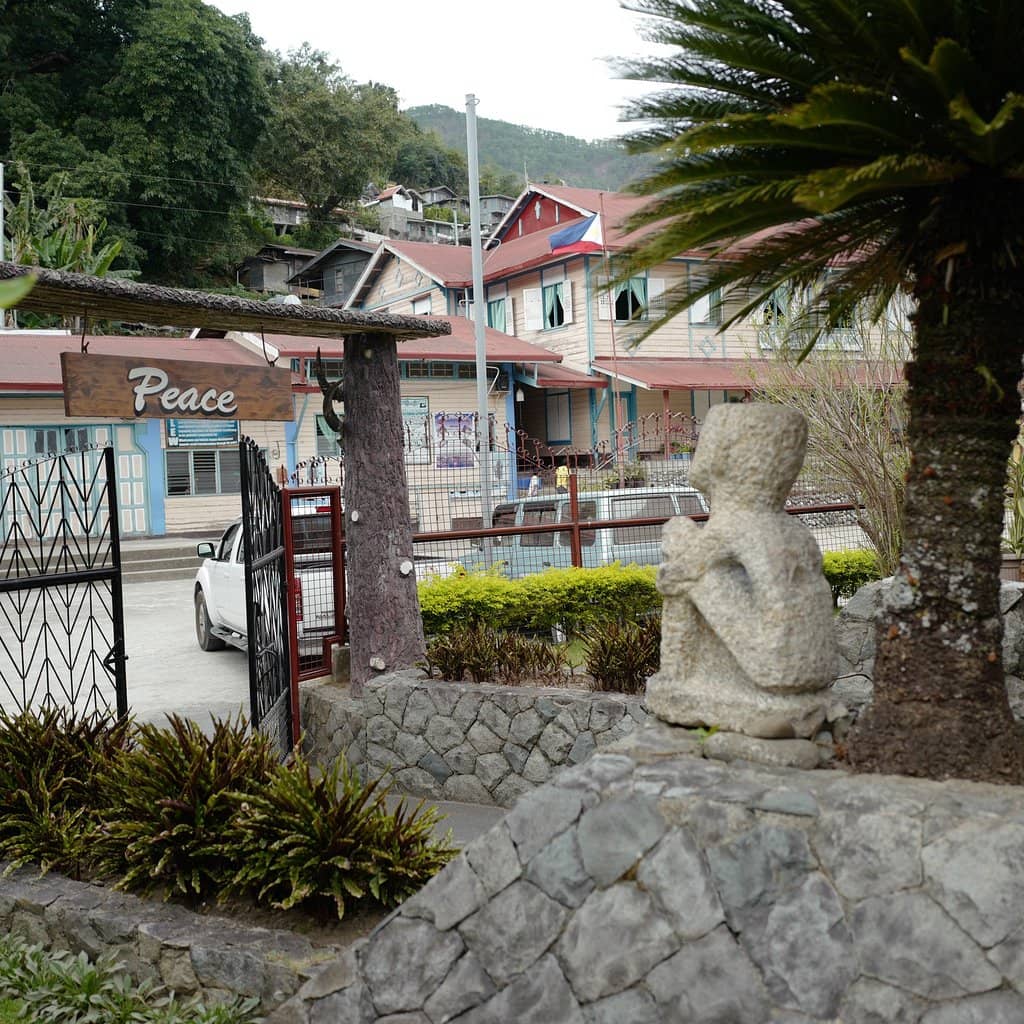
Resident Pig
A charming, cute pig often resides in one of the traditional buildings, adding a unique touch.
Plans like a pro.
Thinks like you
Planning Your Visit
Embrace the Walk
Cultural Immersion
Best Times
Insider Tips
from TikTok, Instagram & Reddit
👟 Wear Comfortable Shoes
Expect uphill walks and uneven terrain. Good footwear is essential for exploring the entire site comfortably.
📸 Photography Rules
Photography is generally allowed in outdoor areas but restricted inside the museum. Check for specific signage.
🐷 Say Hello to the Pig
Don't miss the adorable pig often found in one of the traditional huts – a unique photo opportunity! 
🚶♀️ Consider a Tour Guide
A guide can enhance your understanding of the artifacts and history, though fees apply.
Tips
from all over the internet
👟 Wear Comfortable Shoes
Expect uphill walks and uneven terrain. Good footwear is essential for exploring the entire site comfortably.
📸 Photography Rules
Photography is generally allowed in outdoor areas but restricted inside the museum. Check for specific signage.
🐷 Say Hello to the Pig
Don't miss the adorable pig often found in one of the traditional huts – a unique photo opportunity!
🚶♀️ Consider a Tour Guide
A guide can enhance your understanding of the artifacts and history, though fees apply.
🚗 Parking is Limited
Be prepared for scarce parking, especially during peak hours. Arrive early or be ready to walk.
What Travellers Say
Reviews Summary
Visitors praise the Bontoc Museum for its rich collection of Cordilleran artifacts and historical insights, particularly appreciating the outdoor exhibits of traditional huts. While the museum offers a valuable cultural experience, some note restrictions on indoor photography and the need for comfortable footwear due to uphill terrain and potentially longer walking distances than expected.
"If you are good in walking. You can consider come here. Otherwise. Quit it. The kilometer they write is not accurate.
From the direction. Only around 2km. But actually totally 5-6km Tour guide fee is 700P"
Tommy Li
"The Bontoc Museum is a cultural gem in the heart of the Cordillera Region. The exhibit shows different artifacts which showcases tribal weapons, instruments, textiles, pottery and traditional practices.
The outdoor museum features the traditional Ifugao huts such as sleeping hut and granary.
Visiting the souvenir shop will enhance the cultural immersion.
The visit is ideal for history buffs, cultural enthusiasts, and travelers seeking meaningful experiences off the beaten path."
Kimber Kaye Reyes
"Good collection of artifacts and interesting historic photos relating to tribes in the area but no photography allowed inside for no apparent reason. No flash would be more reasonable.
They do have traditional buildings outside where photography is allowed. One of them had a young pig in it."
Gary Brazel
What People Like
What People Dislike
Frequently Asked Questions
🚇 🗺️ Getting There
The Bontoc Museum is located in Bontoc, Mountain Province. You can reach it by public transportation (buses and vans) from major hubs like Baguio or Banaue. If driving, be aware that parking can be limited.
Parking is often scarce near the museum, especially during busy periods. It's advisable to arrive early or be prepared for a short walk from where you can find a spot.
Depending on your starting point in Bontoc, it might be walkable, but be prepared for uphill sections. Comfortable shoes are highly recommended.
Taking a bus or van from Banaue to Bontoc is a common and convenient option. The journey offers scenic views of the Cordillera region.
The museum is a prominent cultural site in Bontoc. Asking locals for directions to the 'Bontoc Museum' or 'Bontoc Village Museum' will easily guide you.
🎫 🎫 Tickets & Entry
While specific prices can vary, there is typically an entrance fee. It's best to inquire upon arrival or check their official channels if available. A tour guide fee of 700P was mentioned by one visitor.
Operating hours can vary, so it's advisable to check locally or inquire beforehand to ensure you visit during their open times.
Generally, advance booking is not required for Bontoc Museum. You can usually purchase tickets upon arrival.
Photography is often restricted inside the museum but allowed in outdoor areas. There might not be a separate photography fee, but it's wise to confirm on-site.
Information on discounts is not widely available. It's recommended to ask at the ticket counter upon your visit for any potential concessions.
🎫 🧭 Onsite Experience
You'll find a rich collection of artifacts like tribal weapons, instruments, textiles, and pottery, alongside historical photos. The outdoor area features traditional Ifugao huts.
Yes, the museum grounds involve walking, including uphill sections. Visitors who enjoy walking will find it rewarding.
Photography is generally not allowed inside the museum itself, but it is permitted in the outdoor areas where the traditional huts are located.
Yes, a cute young pig is often found in one of the traditional buildings, which many visitors find delightful and amusing.
A visit can take anywhere from 1 to 2 hours, depending on your interest in the exhibits and how much time you spend exploring the outdoor huts.
📸 📸 Photography
The traditional Ifugao huts and the surrounding natural landscape offer excellent photo opportunities. The resident pig also makes for a memorable shot!
No, photography is typically not permitted inside the museum's indoor exhibit areas. This is a common rule to protect the artifacts.
Drone usage regulations can vary. It's best to check with local authorities or the museum administration before flying a drone to ensure compliance.
Natural light is abundant in the outdoor areas. Inside the museum, lighting is designed for artifact preservation, which might be dimmer.
The main restriction is no photography inside the museum. Always be respectful of the exhibits and other visitors.
For Different Travelers
Tailored advice for your travel style
👨👩👧 Families with Kids
+1 The outdoor exhibits, like the traditional Ifugao huts, offer a more interactive and visual learning experience for children compared to static indoor displays. However, parents should be mindful of the uphill walking and potentially longer distances involved. Ensure children are wearing comfortable shoes and are prepared for some physical activity. While photography is restricted inside, the outdoor areas offer plenty of chances for kids to capture their own memories. Consider a tour guide if your children have a keen interest in history and culture to make the visit more dynamic.
🚶♀️ History Buffs & Cultural Enthusiasts
The outdoor traditional Ifugao huts offer a tangible connection to ancestral living. This museum is ideal for travelers seeking meaningful, off-the-beaten-path experiences that go beyond superficial sightseeing. It's a place to learn, reflect, and gain a profound appreciation for indigenous cultures.
Deep Dives
In-depth insights and expert knowledge
Exploring Cordilleran Culture
Visitors often highlight the historical photographs as particularly engaging, offering a visual narrative of the region's evolution and its people. For those seeking a deeper cultural immersion, the museum serves as an excellent starting point. It's recommended to visit this museum as part of a broader itinerary, perhaps before heading to other significant Cordilleran destinations like Sagada, to build a foundational understanding of the local heritage.
While the museum offers a wealth of information, some visitors note that photography is restricted inside. However, the outdoor areas, including the huts and the unique resident pig, provide ample opportunities for memorable photos. The overall experience is highly valued by history buffs and cultural enthusiasts looking for authentic encounters off the typical tourist trail.
Navigating the Terrain and Practicalities
Parking is another practical consideration. It's frequently mentioned as being scarce, especially during peak visiting times. To avoid frustration, it's advisable to arrive early in the day or be prepared to park a little further away and walk. This also ties into the general advice to embrace the walking aspect of the visit, as it's an integral part of exploring the museum's spread-out exhibits and traditional structures.
For those who wish to gain deeper insights, hiring a tour guide is an option, though it comes with a fee. Guides can significantly enrich the understanding of the cultural significance of the items and structures. While the museum itself is a highlight, the journey to and around it is also part of the adventure, offering a true sense of place in the Mountain Province.
Social
from TikTok, Instagram & Reddit