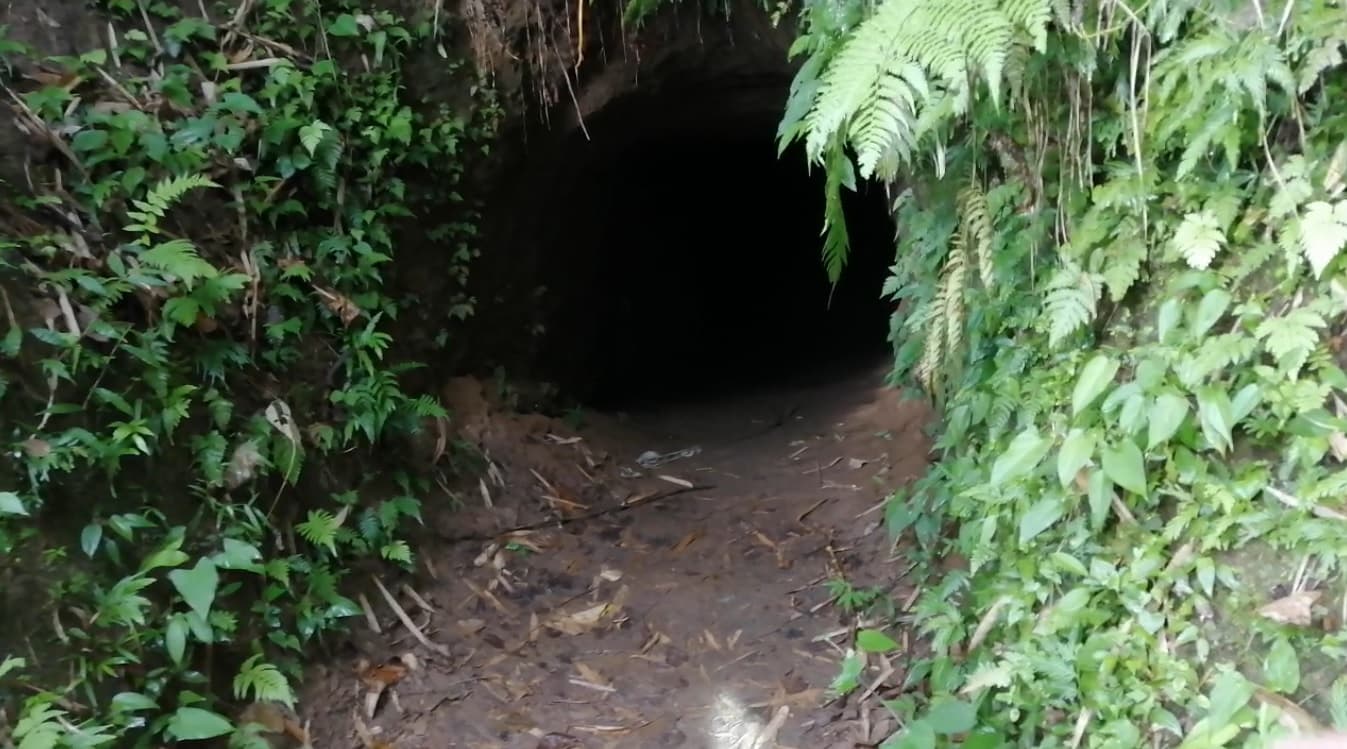
Japanese Tunnel Ligñon Hill
Explore WWII history at the Japanese Tunnel Ligñon Hill, a remnant of the past with muddy paths and historical significance.
Highlights
Must-see attractions

Social
From TikTok & Reddit
Best Time
Avoid mud and rain
Japanese Tunnel Ligñon Hill
Best Time
Avoid mud and rain
Highlights
Must-see attractions
Explore WWII history at the Japanese Tunnel Ligñon Hill, a remnant of the past with muddy paths and historical significance.
"Interesting historical site, but be prepared for mud and mosquitoes!"

🦟 Bring Mosquito Repellent
Essential for navigating the muddy paths and surrounding vegetation. Don't forget it!
🥾 Wear Sturdy Footwear
The ground can be muddy and uneven. Boots are recommended for a comfortable visit.

Quick Facts
Hours
Rating
4 · 35 reviews
Type
Tourist Attraction
Highlights
Discover the most iconic attractions and experiences
WWII Japanese Tunnel
Oriental-Legazpi, Albay
Explore a historical tunnel built by the Japanese during WWII, once used for ammunition storage.
Quituinan Hills
Adjacent to the Japanese Tunnel
Often visited together with the tunnel, offering a scenic complement to the historical site.
Plans like a pro.
Thinks like you
Planning Your Visit
WWII History & What to Expect
Location & Accessibility
Best Times
Insider Tips
from TikTok, Instagram & Reddit
🦟 Bring Mosquito Repellent
Essential for navigating the muddy paths and surrounding vegetation. Don't forget it!
🥾 Wear Sturdy Footwear
The ground can be muddy and uneven. Boots are recommended for a comfortable visit.
💰 Guide Fee
Some visitors mention a guide is needed and a fee is paid after the visit. Be prepared for this.
📍 Combine with Quituinan Hills
The tunnel is often included with Quituinan Hills, making it a convenient two-in-one visit.
Tips
from all over the internet
🦟 Bring Mosquito Repellent
Essential for navigating the muddy paths and surrounding vegetation. Don't forget it!
🥾 Wear Sturdy Footwear
The ground can be muddy and uneven. Boots are recommended for a comfortable visit.
💰 Guide Fee
Some visitors mention a guide is needed and a fee is paid after the visit. Be prepared for this.
📍 Combine with Quituinan Hills
The tunnel is often included with Quituinan Hills, making it a convenient two-in-one visit.
What Travellers Say
Reviews Summary
Visitors find the Japanese Tunnel Ligñon Hill an interesting historical site, often visited in conjunction with Quituinan Hills. While the tunnels offer a glimpse into WWII history, the experience can be challenging due to muddy terrain and the need for mosquito repellent. Some suggest a guide is necessary, adding a small fee to the visit.
"I'm not sure we entered the proper tunnels but we went down some stairs just in front of the Quituinan ranch, went across the white pillars of a house and followed a paved path between some banana trees and coconut trees and then a soil path as stairs leading to 2 tunnels with mud ground. We didn't get it but there were a couple of boots in the entrance. We even went on further on and saw another entrance covered with bamboo and palm branches. There's a pili nut tree right there so you can find some pili nuts easily on the ground. Bring mosquitoes repellent."
Patricil Complex
"It was built by Japanese during WW2. Interesting place to visit once you’re at Quituinan Hills (it is included in the price). Short walk down (10 m). The tunnel is on the left. Up front is the decoy."
Anna Krzak
"You need to walk down around 5 minutes to reach this tunnel. Not so special but since it is near Quituinan hills it is ok to visit. You have to enter with a guide and pay her P100 aftee the visit."
myvoyage 2010
What People Like
What People Dislike
Frequently Asked Questions
🚇 🗺️ Getting There
The Japanese Tunnel is located in Oriental-Legazpi, Albay, and is often visited alongside Quituinan Hills. Visitors have mentioned taking Bus 13 from Ho Chi Minh and Bus 79 from Cu Chi Station, though this might refer to a different location. For Legazpi, local transport like tricycles or taxis to Quituinan Hills would be the most direct way to access the tunnel area.
Finding the exact tunnel entrance can be a bit tricky. Some visitors followed a paved path between banana and coconut trees after descending stairs near Quituinan Ranch. Look for stairs leading to tunnels with muddy ground.
🎫 🎫 Tickets & Entry
While not explicitly stated as a ticketed attraction, some reviews mention needing a guide and paying a fee of P100 after the visit. It's advisable to inquire locally about any entry requirements or guide fees.
Specific opening hours are not widely published. It's best to visit during daylight hours, especially since it's often accessed as part of a visit to Quituinan Hills.
Some visitors have explored independently, but one review suggests a guide is necessary. It's recommended to check on-site if a guide is mandatory for safety and historical context.
🎫 🧭 Onsite Experience
The ground inside the tunnels is described as muddy. The paths leading to them can also be uneven, with some stairs and soil paths. Sturdy footwear is highly recommended.
While the tunnels themselves are historical structures, the terrain can be challenging. Bringing a flashlight and being cautious of the muddy ground is advised. Some visitors have noted boots left at entrances, suggesting caution.
These tunnels were dug by the Japanese during World War II, primarily for storing ammunition during their occupation of the city. Some believe they stretched all the way to city hall.
Facilities are not explicitly mentioned in reviews. It's advisable to come prepared with water and any personal necessities.
Wear comfortable, sturdy shoes like hiking boots due to the muddy and uneven terrain. Lightweight, quick-drying clothing is also a good idea.
📸 📸 Photography
Capture the historical atmosphere of the tunnel entrances and the surrounding lush greenery. The contrast between the man-made structure and nature can make for interesting shots.
The lighting inside the tunnels might be dim, so a camera with good low-light performance or a flashlight can be helpful for photography. Be mindful of the muddy conditions when setting up shots.



Social
from TikTok, Instagram & Reddit