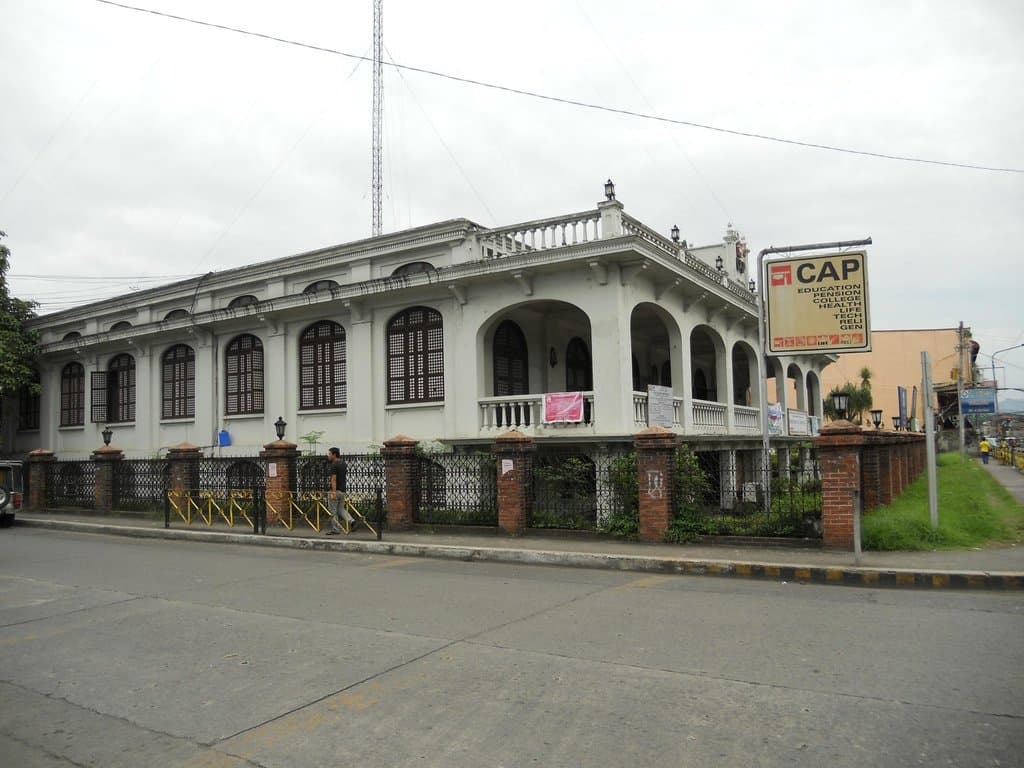
Leyte Provincial Capitol
A stunning neo-classical landmark in Tacloban, significant for its WWII role as the seat of the Philippine Commonwealth government.

Highlights
Must-see attractions

Social
From TikTok & Reddit
Best Time
Best light for photos
Leyte Provincial Capitol
Best Time
Best light for photos
Highlights
Must-see attractions
A stunning neo-classical landmark in Tacloban, significant for its WWII role as the seat of the Philippine Commonwealth government.
"A beautiful neo-classical building rich in history, a must-visit for its architectural grandeur and wartime significance."
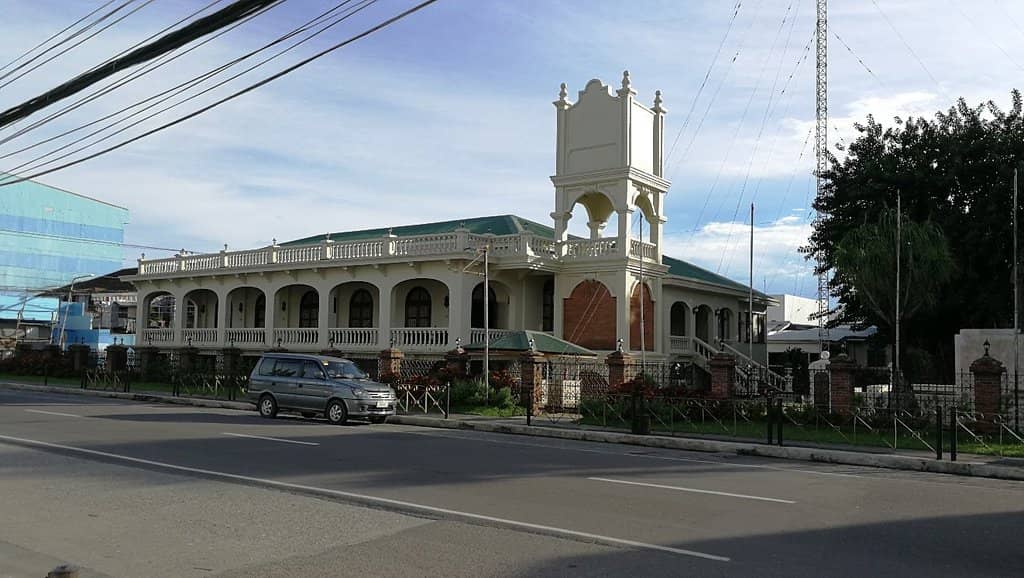
Admire from the Plaza
The interior is closed, but the plaza offers great views of the architecture and historical markers. :camerawithflash:
Daylight is Key
Visit during the day for the best light and to appreciate the intricate details of the building. 🌅
Quick Facts
Hours
Rating
4.4 · 26 reviews
Type
Local Government Office
Highlights
Discover the most iconic attractions and experiences
Neo-Classical Facade
Exterior of the building
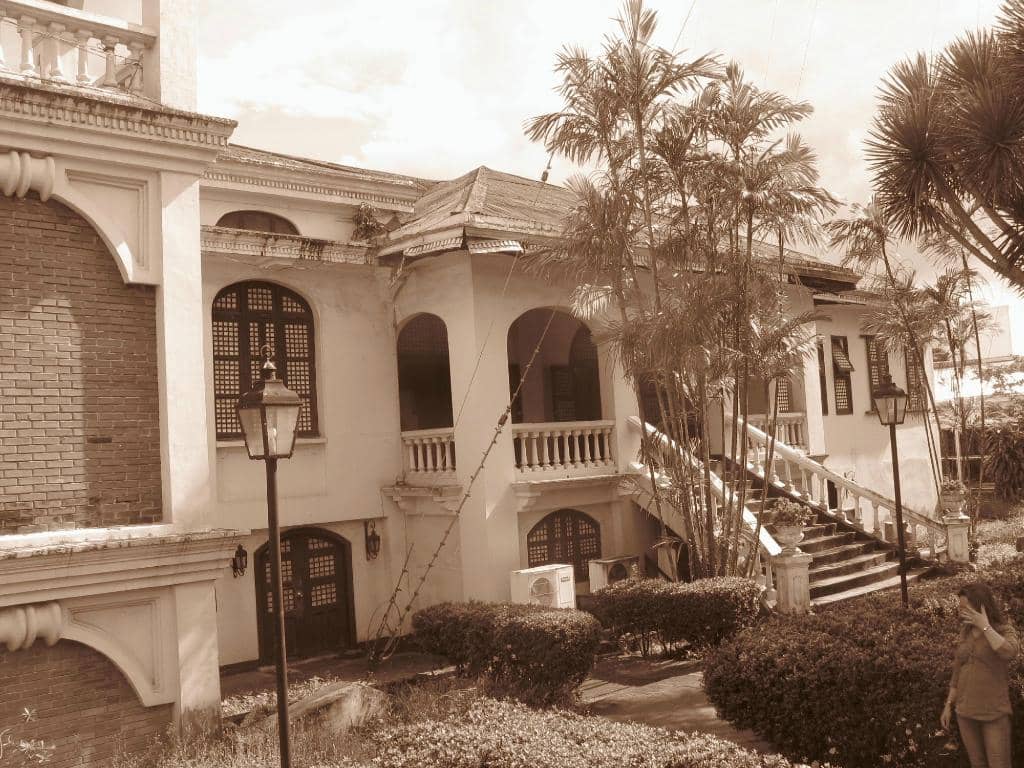
Admire the Ionic columns and intricate bas-relief sculptures, a testament to American colonial-era architecture.
WWII Historical Significance
Exterior and surrounding plaza
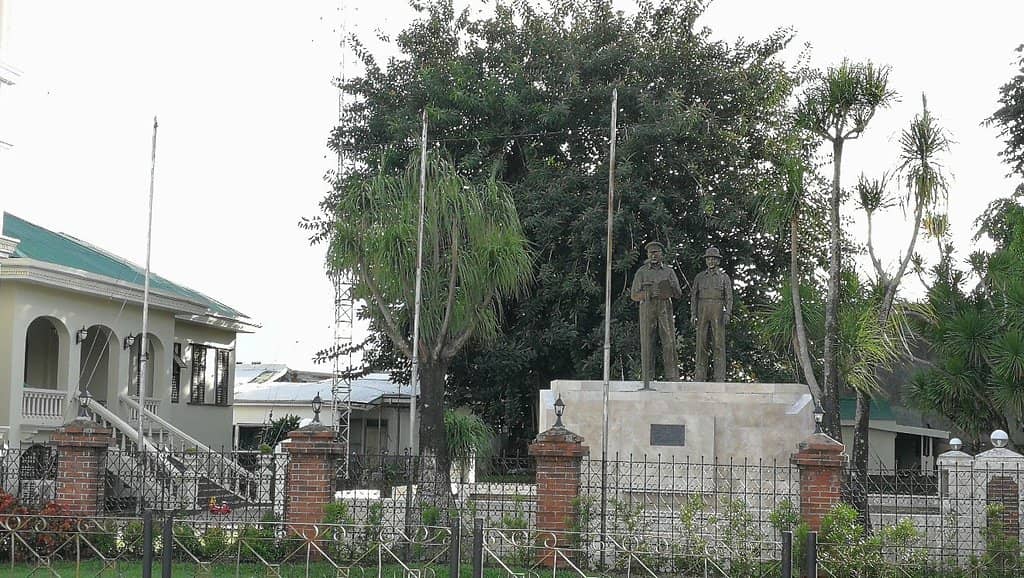
Stand where General MacArthur swore in President Osmeña, symbolizing the re-establishment of the Philippine Commonwealth.
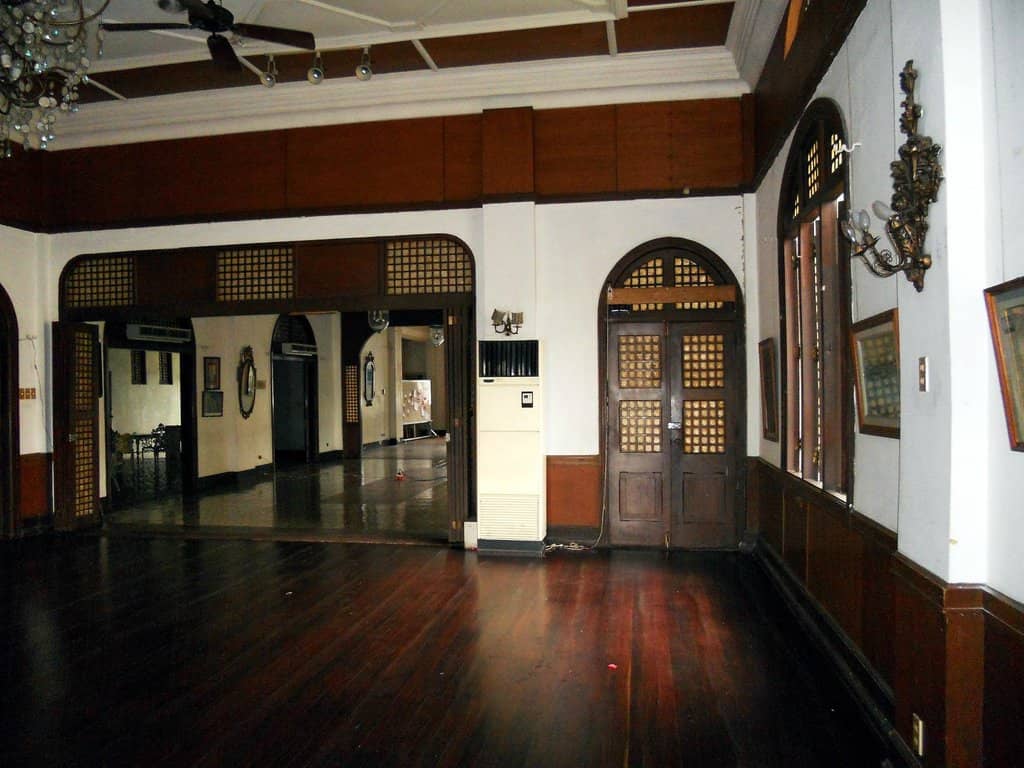
Architectural Details
Capitol Plaza
Observe the fountains with sculptures and cannons flanking the building, adding to the historical ambiance.
Plans like a pro.
Thinks like you
Planning Your Visit
Respect the History, Admire from Afar
Daylight Exploration Recommended
Best Times
Insider Tips
from TikTok, Instagram & Reddit
Best places to visit when in Tacloban
Drop down all your favorite spots in Tacloban, maybe I could visit it someday. Help a traveler out🥹
Admire from the Plaza
The interior is closed, but the plaza offers great views of the architecture and historical markers. :camerawithflash:
Daylight is Key
Visit during the day for the best light and to appreciate the intricate details of the building. 🌅
Historical Context
Research its role in WWII and the re-establishment of the Commonwealth before your visit. 📚
New Capitol Nearby
The new capitol is in Palo, Leyte; this is the historic old one. :round_pushpin:
Tips
from all over the internet
Admire from the Plaza
The interior is closed, but the plaza offers great views of the architecture and historical markers. :camerawithflash:
Daylight is Key
Visit during the day for the best light and to appreciate the intricate details of the building. 🌅
Historical Context
Research its role in WWII and the re-establishment of the Commonwealth before your visit. 📚
New Capitol Nearby
The new capitol is in Palo, Leyte; this is the historic old one. :round_pushpin:
What Travellers Say
Reviews Summary
Visitors praise the Leyte Provincial Capitol for its impressive neo-classical architecture and significant historical importance, particularly its role during WWII. While the interior is inaccessible, the exterior and plaza are appreciated for their grandeur and the opportunity to connect with history. Some visitors express a desire for restoration and public access to the interior.
"The Leyte Provincial Capitol is a beautiful neo classical building located in Tacloban City and it has a lot of historical significance. Designed by renowned architect Antonio Mañalac Toledo, its beauty is defined by a stunning facade featuring a colonnade of Ionic columns and intricate bas-relief sculptures. The building's architecture also reflects the American colonial era, reflecting a style that was popular for government buildings at the time. That's why its aesthetic is similar to the two National Museums erected in Manila City. Its most notable role came during the American Occupation and the pivotal events of World War II. After General Douglas MacArthur fulfilled his promise to return by landing in Leyte in 1944, the Capitol building became the temporary seat of the Philippine Commonwealth government. From October 1944 to February 1945, it served as the center of Philippine governance. Inside this very building, a historic moment occurred when General MacArthur formally swore in Sergio Osmeña as the President of the Philippines, symbolizing the re-establishment of the Commonwealth on Philippine's liberated soil. Today, while a new capitol has been constructed, the old building stands as a powerful monument to the resilience of the Filipino people and the crucial role Leyte played in the country's liberation. I hope this building will be restored and be accessible to the public very soon."
Besinga, Joshua Gabriel P.
"The Old Leyte Capitol is an architectural gem and a landmark in Leyte Province. Designed by architect Antonio M. Toledo, this neo-classical building was constructed in 1924 and expanded in 1964 and features a façade with ten Ionic columns and a bas-relief that depicts scenes from the first mass in Limasawa and the Leyte Landing. The whole site is rich in details and ornamentations. There are fountains with sculptures on both sides of the plaza, although they are not functioning, and the water is murky. Two cannons adorn both sides of the main building. The interior of the main building is just as impressive. The majestic staircase on the second floor is decorated with Corinthian columns and pilasters, intricate wrought-iron railings, and coats of arms. The Governor's Hall, also known as the Ball Room, is spacious and features carved bas-reliefs, sculptures, a wooden floor, and sunken ceilings.
The Capitol became the seat of the Philippine Commonwealth Government from October 23, 1944 to February 27, 1945 and served as the Capitol of the Philippines.
Unfortunately, the building is closed, as the provincial government has relocated to a new site in Palo, Leyte. As of this writing, exploring inside the building is prohibited. However, visitors are welcome to roam freely in the Capitol's plaza or forecourt to admire the beautiful architecture of the Old Leyte Capitol. Fortunately, there are plans to renovate the building and convert it into a museum."
Matt Yepes
"Nice place, full of history.. This is the old capitol, there's a newly constructed capitol which is spacious and bigger."
Cenon Oliver
What People Like
What People Dislike
Frequently Asked Questions
🚇 🗺️ Getting There
The Leyte Provincial Capitol is located in Tacloban City. You can take a local taxi or tricycle to reach the site from the city center. If you're coming from further afield, you'll likely arrive at Daniel Z. Romualdez Airport (TAC) and can then arrange transport to the capitol.
While there isn't a designated official parking lot mentioned, visitors can typically find street parking or space in the surrounding plaza area, especially during less busy hours.
Ride-sharing apps are generally available in Tacloban City, and you should be able to use them to get to the Leyte Provincial Capitol. It's always a good idea to check app availability upon arrival.
🎫 🎫 Tickets & Entry
No, there is no admission fee to visit the Leyte Provincial Capitol. You can freely roam the plaza and admire the exterior of the building.
The exterior and plaza of the Leyte Provincial Capitol are open to visitors. However, the interior of the building is currently closed and not accessible to the public.
While there are no official posted hours for the plaza, it's best to visit during daylight hours, especially the afternoon, to fully appreciate the architecture and historical significance. Avoid visiting at night for safety reasons.
Unfortunately, the interior of the Old Leyte Provincial Capitol is currently closed to visitors. There are plans for renovation and potential conversion into a museum in the future.
📸 📸 Photography
The entire plaza offers excellent vantage points for photographing the neo-classical facade. The area around the fountains and the cannons also make for interesting shots. Capture the grandeur of the Ionic columns and bas-reliefs.
Yes, photography is allowed in the plaza and around the exterior of the Leyte Provincial Capitol. It's a popular spot for photoshoots.
The afternoon generally offers the best natural light for photography, highlighting the architectural details of the building. Golden hour can provide a beautiful warm glow.
🎫 🏛️ History & Significance
The Leyte Provincial Capitol is historically significant as it served as the temporary seat of the Philippine Commonwealth Government from October 1944 to February 1945. It was here that General Douglas MacArthur formally swore in Sergio Osmeña as President of the Philippines after its liberation.
The Leyte Provincial Capitol was designed by the renowned architect Antonio Mañalac Toledo, known for his work on other government buildings during the American colonial era.
The building is a prime example of neo-classical architecture, featuring a colonnade of Ionic columns, intricate bas-relief sculptures, and other decorative elements popular during the American colonial period.
During World War II, after General MacArthur's return to the Philippines, the Leyte Provincial Capitol became the center of Philippine governance, symbolizing the re-establishment of the Commonwealth.

Social
from TikTok, Instagram & Reddit