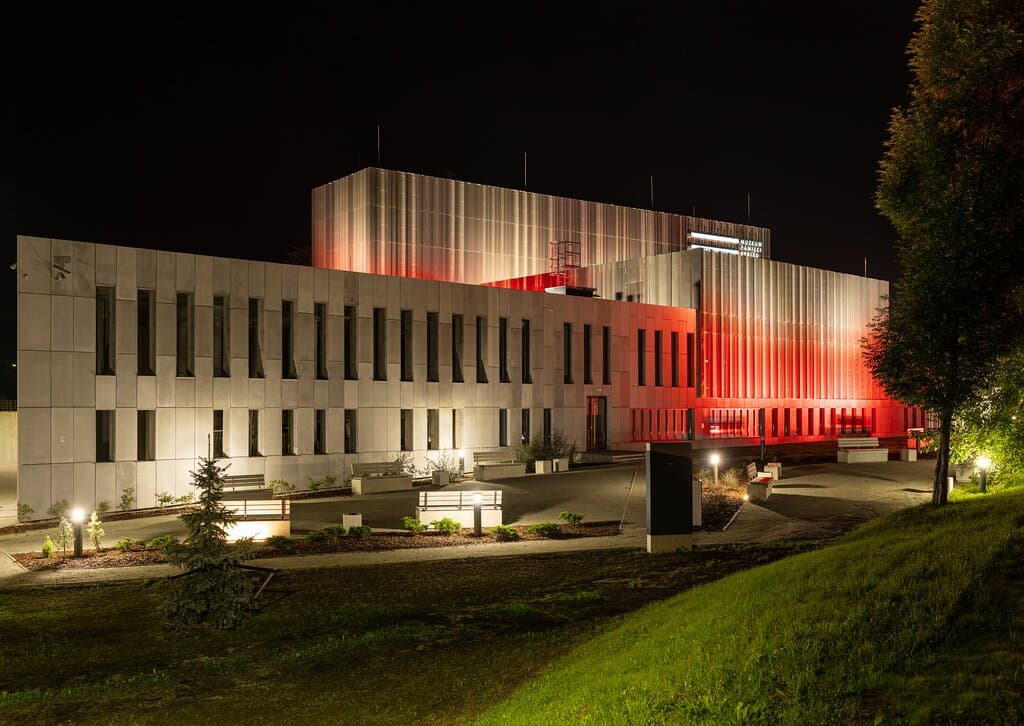
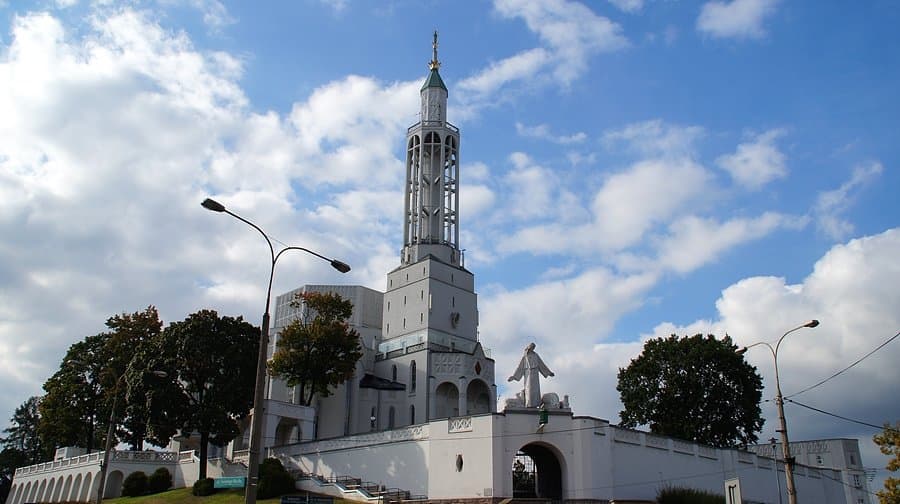
Sybir Memorial Museum Białystok
A deeply moving museum detailing the tragic deportations of Polish citizens to the USSR, offering an immersive and educational experience.
Highlights
Must-see attractions

Social
From TikTok & Reddit
Best Time
Fewer crowds for reflection
Sybir Memorial Museum Białystok
Best Time
Fewer crowds for reflection
Highlights
Must-see attractions
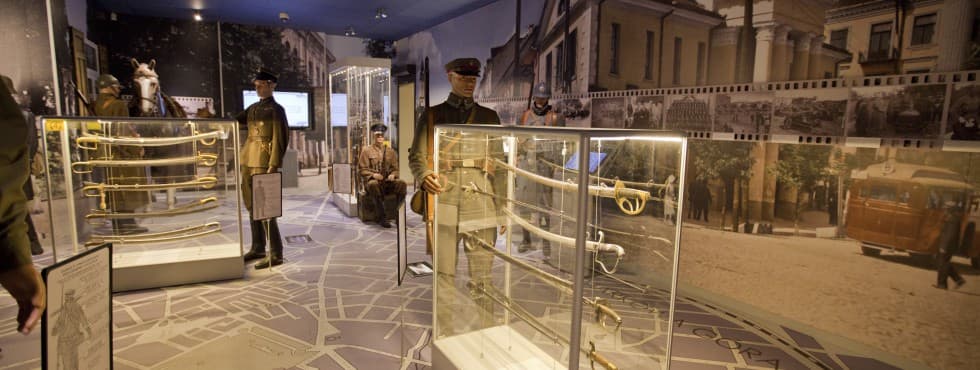
A deeply moving museum detailing the tragic deportations of Polish citizens to the USSR, offering an immersive and educational experience.
"One of the best museums I have ever been to, very well organized and informative."
Allocate 3+ Hours ⏳
Don't rush! This museum is incredibly detailed and moving. Give yourself ample time to absorb the history.
Audio Guide is a Must 🎧
Highly recommended for English speakers. It provides crucial context and personal stories for each exhibit.
Quick Facts
Hours
Rating
4.8 · 1,999 reviews
Type
Museum
Website
sybir.bialystok.plHighlights
Discover the most iconic attractions and experiences
The Train Journey Experience
Exhibit Hall
Step into a recreated train carriage, feeling the harsh reality of the deportation journey to Siberia.
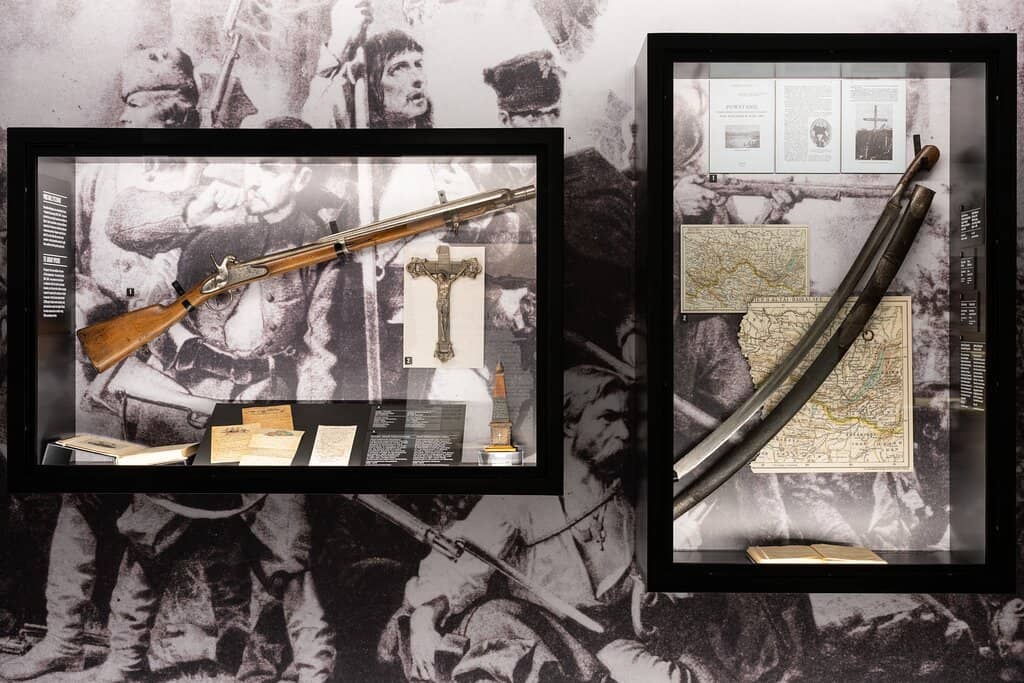
Siberian Settlement Recreation
Exhibit Hall
Experience a recreated winter scene of Siberian life, showcasing the resilience of deportees.
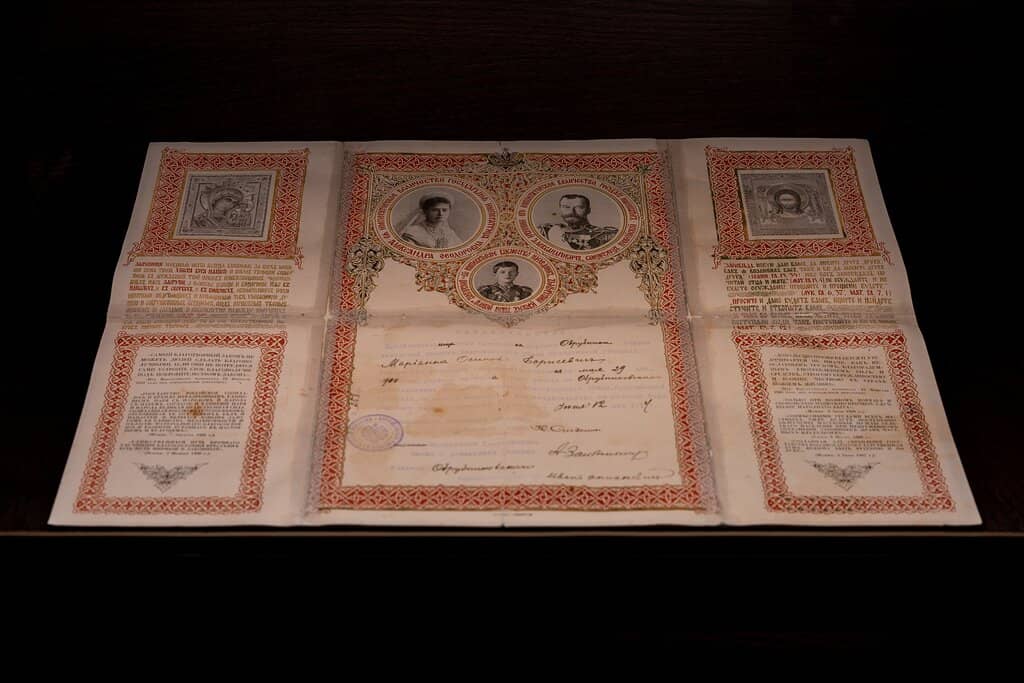
Personal Artifacts and Letters
Exhibit Hall
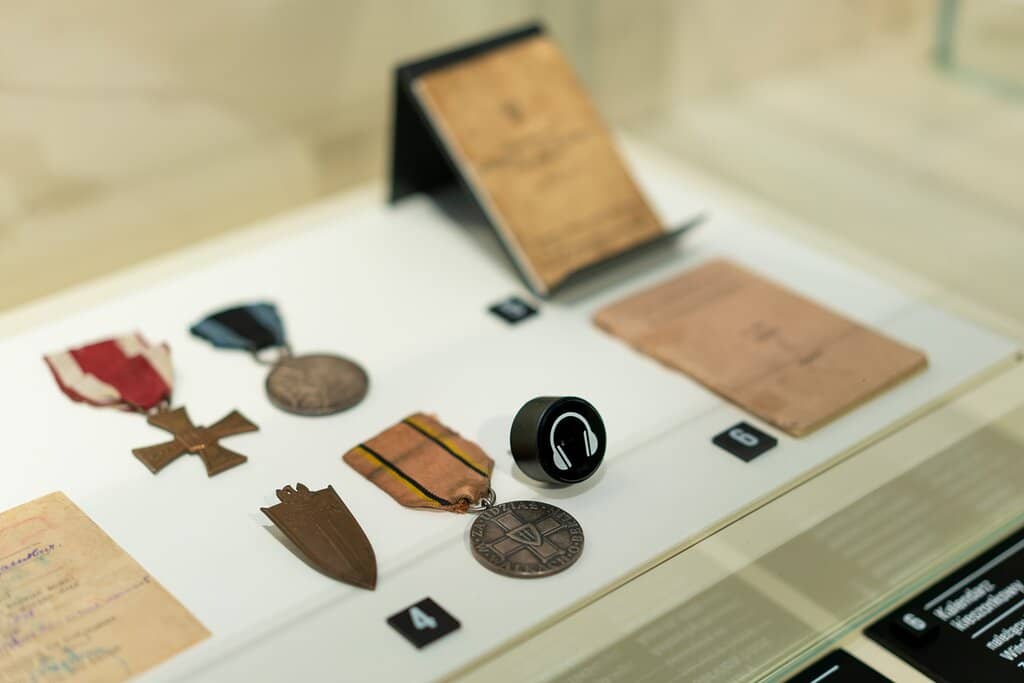
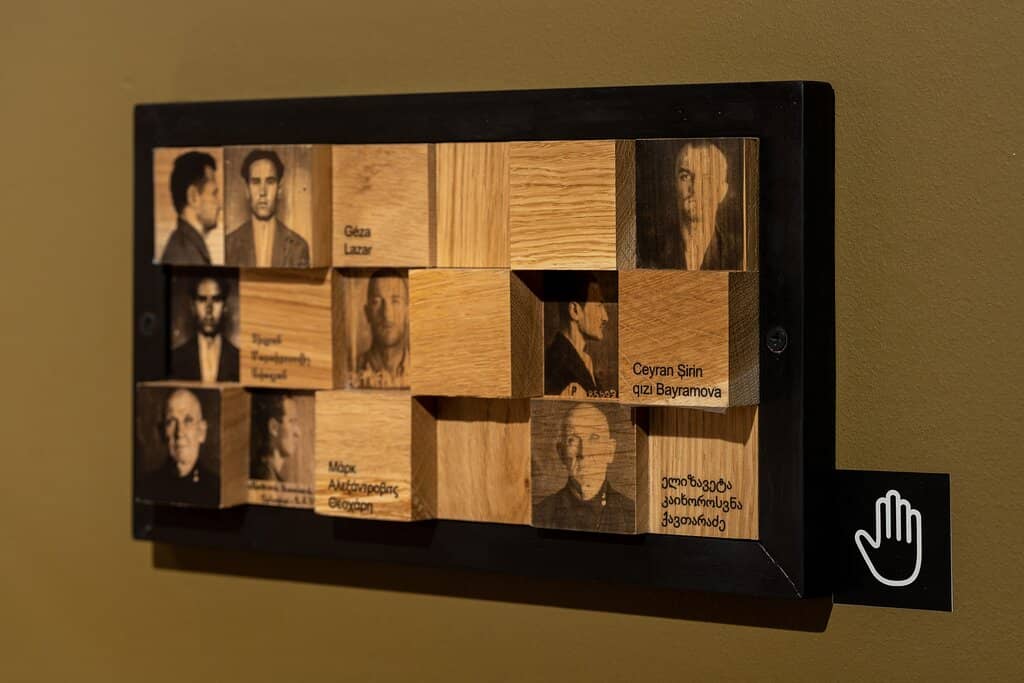
See preserved suitcases, clothing, toys, and poignant letters that tell individual stories of survival.
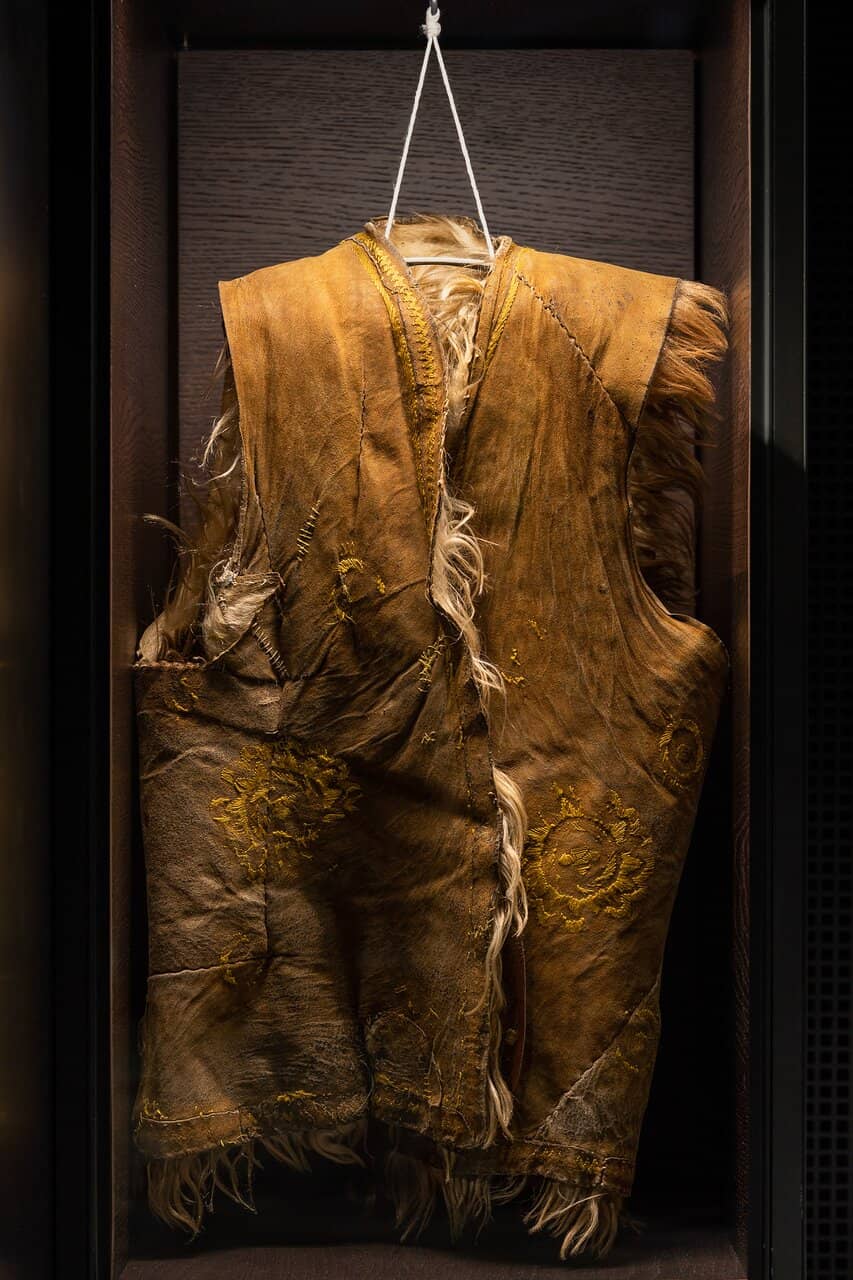
The Memorial on the Bottom Floor
Lower Level
A solemn space dedicated to remembrance, offering a moment of reflection on the lives lost.
Plans like a pro.
Thinks like you
Planning Your Visit
Allocate Ample Time
Embrace the Audio Guide
Best Times
Insider Tips
from TikTok, Instagram & Reddit
Allocate 3+ Hours ⏳
Don't rush! This museum is incredibly detailed and moving. Give yourself ample time to absorb the history.
Audio Guide is a Must 🎧
Highly recommended for English speakers. It provides crucial context and personal stories for each exhibit.
Prepare for Emotion 😥
The exhibits are powerful and can be emotionally challenging. Be ready for a moving and thought-provoking experience.
Visit the Memorial 🙏
Don't miss the memorial on the bottom floor for a moment of quiet reflection and remembrance.
Tips
from all over the internet
Allocate 3+ Hours ⏳
Don't rush! This museum is incredibly detailed and moving. Give yourself ample time to absorb the history.
Audio Guide is a Must 🎧
Highly recommended for English speakers. It provides crucial context and personal stories for each exhibit.
Prepare for Emotion 😥
The exhibits are powerful and can be emotionally challenging. Be ready for a moving and thought-provoking experience.
Visit the Memorial 🙏
Don't miss the memorial on the bottom floor for a moment of quiet reflection and remembrance.
Check Opening Hours ⏰
Verify the museum's operating hours before your visit to avoid disappointment.
What Travellers Say
Reviews Summary
Visitors consistently praise the Sybir Memorial Museum for its deeply moving and immersive experience, highlighting its comprehensive exhibits and the powerful personal stories it shares. The museum's design effectively transports visitors through the tragic journey of Polish deportees to the Soviet Union. While the subject matter is somber, the museum is lauded for its respectful and informative presentation, making it a must-see destination in Białystok.
"Fantastic museum to learn and experience the deportations of Poles into the remote areas of the Soviet Union. The museum is immersive and rich of sources. I recommend to use the audio guide that automatically will provide you information on the room you will be in.
The structure of the museum itself and how the explosion is organised deserves high praises, as we are really took along a journey from Poland's countryside, into the deadly train journey to cross the Soviet Union, and the settlement in Siberia. If you want to appreciate everything I recommend spending at least 3 hours."
Uriel Mazzoli
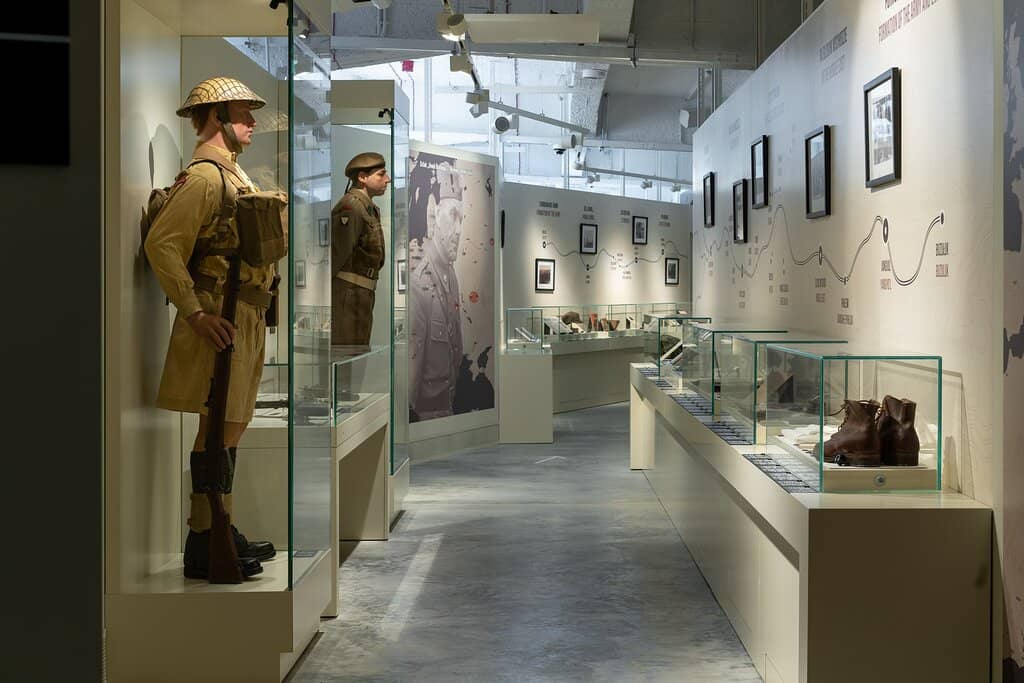
"I really enjoyed my trip to this museum. My grandfather had ended up in the gulags of Siberia working under difficult conditions. The museum is respectable as it displays the harsh reality of life during world war two with many having been driven to the Treblinka Camp on the railway lines still noticeable outside the museum. This really hit home! All those innocent lives are lost! Then you go in and go through one of the carriages perhaps of one of those old trains and your journey begins.....into the cruel and dark reality of life under soviet repression under the firmer USSR. The letters of Siberia organised your geographical understanding with old maps displaying towns and road maps laying out the routes into oblivion.....there are many buttons to press to receive audio descriptions of what it was like for families to have to make an immediate change in their lives when the Soviets uprooted the many different people's of the Kresy region and forced them onto trains into the deep of Siberia to stop them gathering up strength to create an independent Poland free from Nazi rule. I loved looking at the old suitcases which reminded me of the one my own gran had with her when having been made to travel to Austria as Poland was split up. I noticed a beautiful piece of fabric and symbolic and practical ornaments which people had managed to preserve for what is now in the museum. Beautiful crosses, a child's teddy bear 🐻 a wooden mushroom toy holding sentimental meaning for a boy from the eastern territories of Poland. I also saw a beautiful sheepskin outfit which would have been common to the people of this region. Everything is very well preserved and cared for and that is what impressed me. I felt real gratitude for the museum. The winter scene of Siberia is even recreated in one room.
It is also not all gloom and doom! You can see old posters of Bialystok's football league with many photos and videos. All in all some joy can be had.....you will also learn how life went on for Piles in Siberia. The home remained a place where parents taught their children Polish language and culture.
You will not regret this experience. All audios are in Polish and in English."
Jules Adamson
"In my opinion the best place to visit in Białystok! I knew much about suffer and tragedy of Polish people before and during the WWII, but Museum has so much info, so much interesting facts and it's designed beautifuly so it's must-see site in whole city."
Igor Marinović
What People Like
What People Dislike
Frequently Asked Questions
🚇 🗺️ Getting There
The Sybir Memorial Museum is located in Białystok, Poland. It is accessible by public transport within the city. Many visitors find it convenient to walk from the city center or take a local bus. Taxis are also readily available.
Information on dedicated parking for the museum can be limited. It's advisable to check for nearby public parking lots or consider using public transportation to reach the museum.
While specific accessibility details can vary, many modern museums strive for accessibility. It's best to contact the museum directly or check their official website for the most up-to-date information regarding wheelchair access.
From the Białystok train station, you can typically take a local bus or a taxi to reach the Sybir Memorial Museum. The journey is usually quite short.
While the audio guide is highly recommended, inquire directly with the museum about the availability of guided tours, especially if you prefer a group experience led by a docent.
🎫 🎫 Tickets & Entry
Admission prices can vary. It's recommended to check the official Sybir Memorial Museum website for the most current ticket prices and any potential discounts for students, seniors, or families.
Booking tickets in advance is often a good idea, especially during peak tourist seasons, to guarantee entry and potentially save time. Check the museum's website for online booking options.
Museum hours can change seasonally. Always verify the current opening and closing times on the official Sybir Memorial Museum website before planning your visit.
The audio guide is often an additional rental fee. However, many visitors find it well worth the cost for the enhanced experience. Confirm pricing when purchasing your ticket.
The museum may host temporary or special exhibitions. Check their official website for announcements regarding any current or upcoming special exhibits that might be of interest.
🎫 🧭 Onsite Experience
Most visitors recommend dedicating at least 3 hours to fully experience the museum. The exhibits are rich and immersive, requiring time for reflection.
Many visitors find the recreated train carriage and the Siberian settlement scenes to be particularly impactful, offering a visceral understanding of the deportees' experiences.
Photography policies can vary. Generally, non-flash photography for personal use might be permitted, but it's essential to check for signage or ask museum staff for clarification.
Museums often have gift shops selling books, souvenirs, and items related to their exhibits. Inquire at the information desk or look for signage.
The memorial on the bottom floor is a dedicated space for remembrance and reflection, honoring the victims of the deportations. It's a solemn and moving part of the museum experience.
🍽️ 🍽️ Food & Dining
Typically, museums of this nature may have a small cafe or refreshment area. It's best to check the museum's official website or inquire upon arrival for available dining options.
Białystok offers a range of dining establishments. You can find various restaurants, cafes, and eateries in the city center, a short walk or bus ride from the museum.
It's generally not permitted to consume outside food and drinks within museum exhibition halls. There might be designated areas for this, but it's advisable to confirm with the museum.
📸 📸 Photography
Photography rules can differ. While some museums allow non-flash photography for personal use, it's crucial to look for signs or ask staff for the official policy to avoid issues.
The recreated train carriage, the Siberian winter scene, and displays of personal artifacts like old suitcases and letters are often considered visually striking and poignant.
Professional photography equipment, including tripods, is usually restricted in museums to prevent disruption and damage. Always check the museum's specific photography guidelines.



Social
from TikTok, Instagram & Reddit