
Church of the Transfiguration Sanok
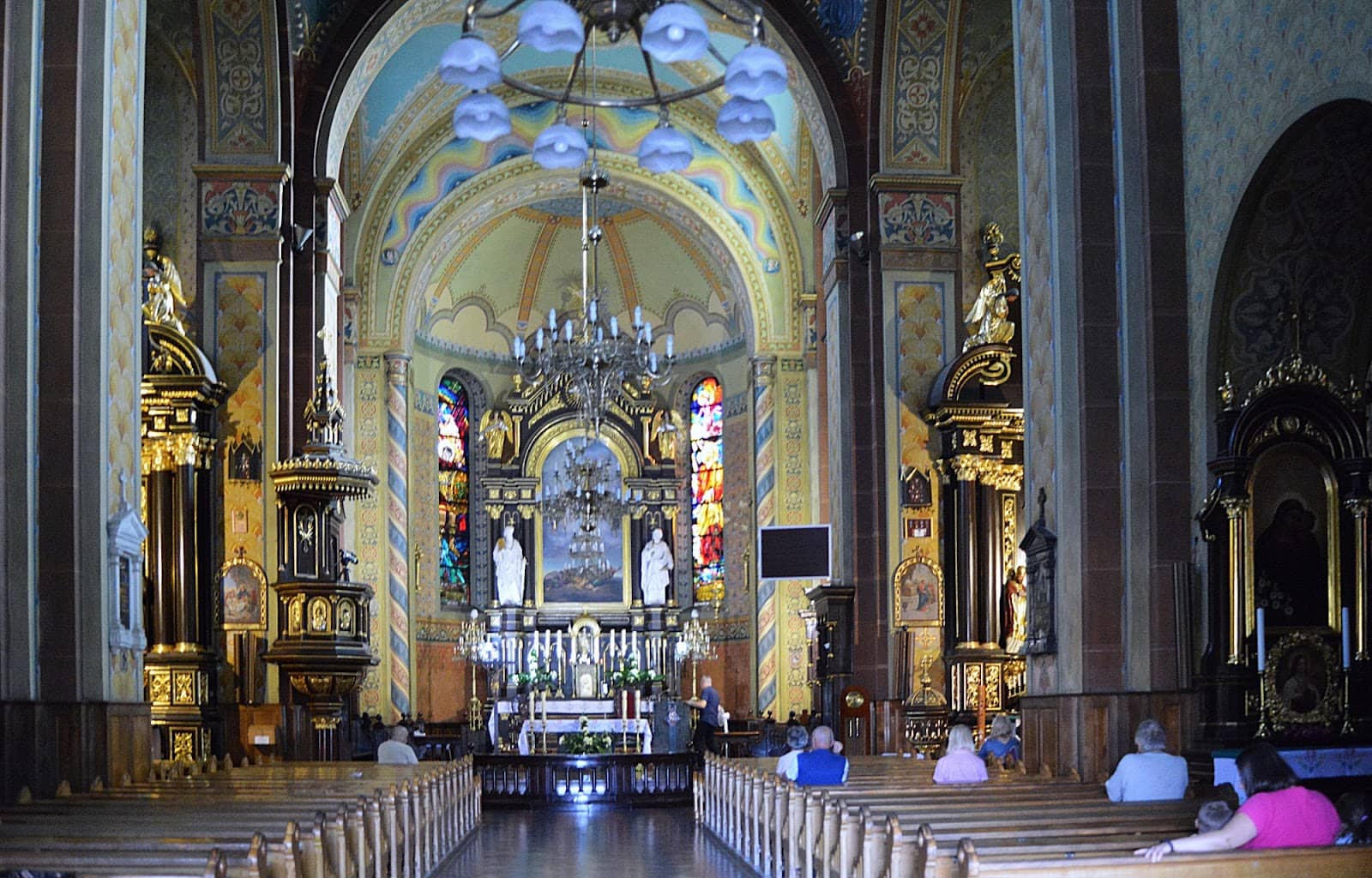
A Neo-Romanesque architectural gem in Sanok, featuring a stunning rainbow polychrome and rich historical artifacts.
Highlights
Must-see attractions

Social
From TikTok & Reddit
Best Time
Fewer crowds for peaceful reflection
Church of the Transfiguration Sanok
Best Time
Fewer crowds for peaceful reflection
Highlights
Must-see attractions
A Neo-Romanesque architectural gem in Sanok, featuring a stunning rainbow polychrome and rich historical artifacts.
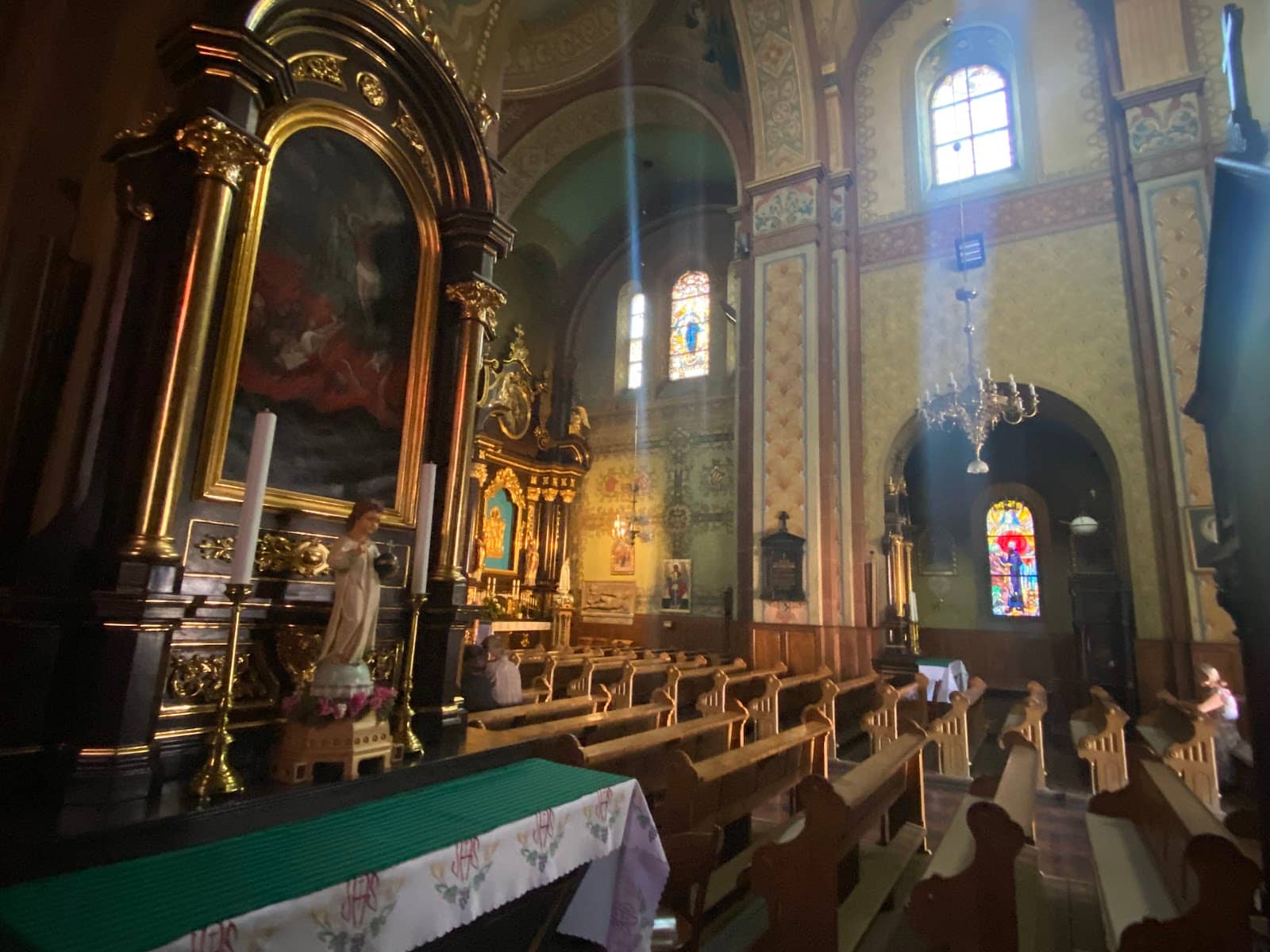
"A place of peace, prayer, and reflection with a beautiful and architecturally rich interior."
🧥 Dress Code
Modest attire is appreciated as this is a place of worship. Avoid revealing clothing. 🙏
📸 Photography Etiquette
Photography is usually permitted, but be discreet and avoid flash during services. :camerawithflash:
Quick Facts
Hours
Rating
4.7 · 223 reviews
Type
Church
Website
fara.sanok.plHighlights
Discover the most iconic attractions and experiences
Neo-Romanesque Architecture
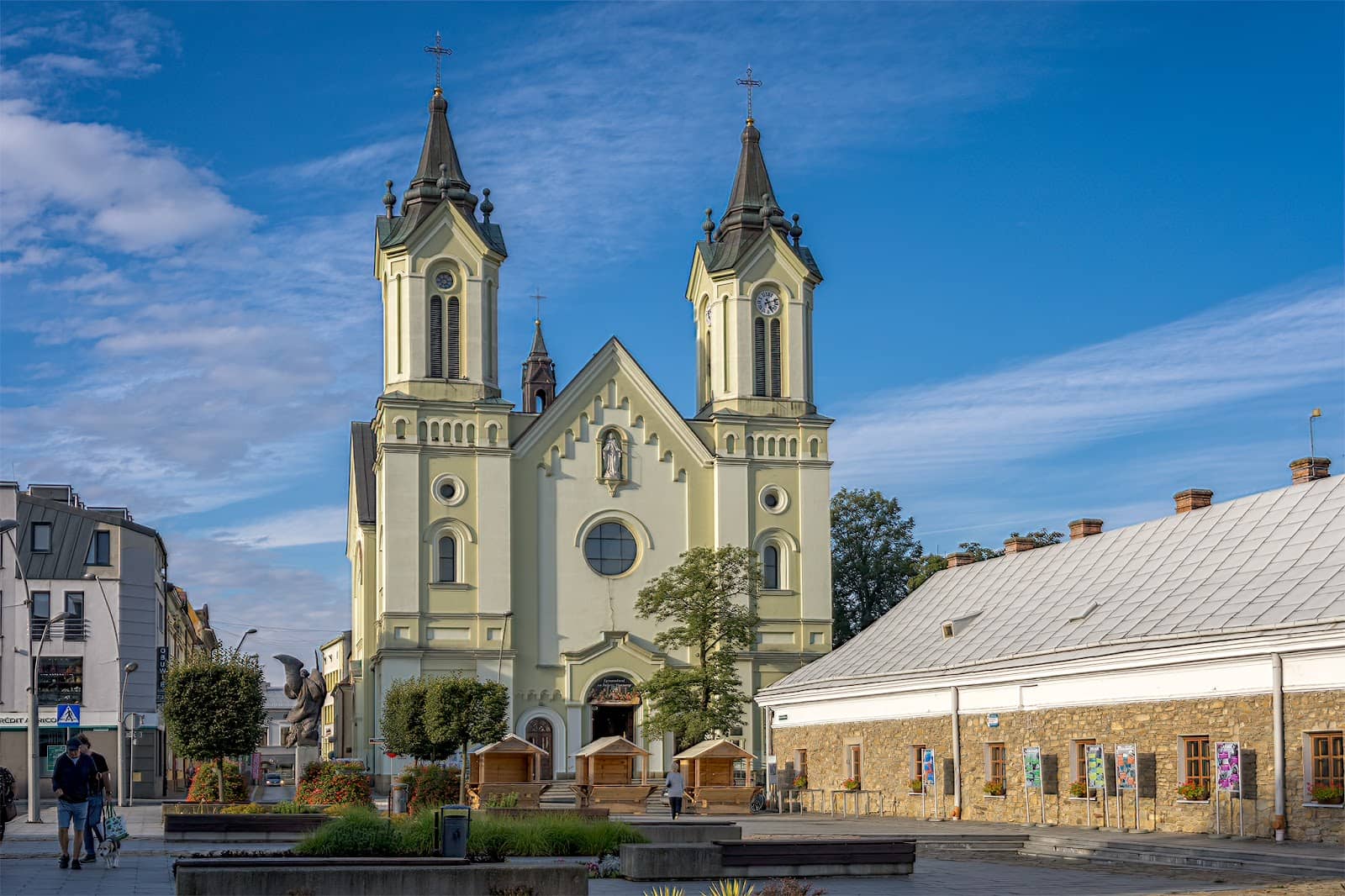
Admire the late 19th-century design by Józef Braunsejs, a blend of historical styles.
Captivating Polychrome
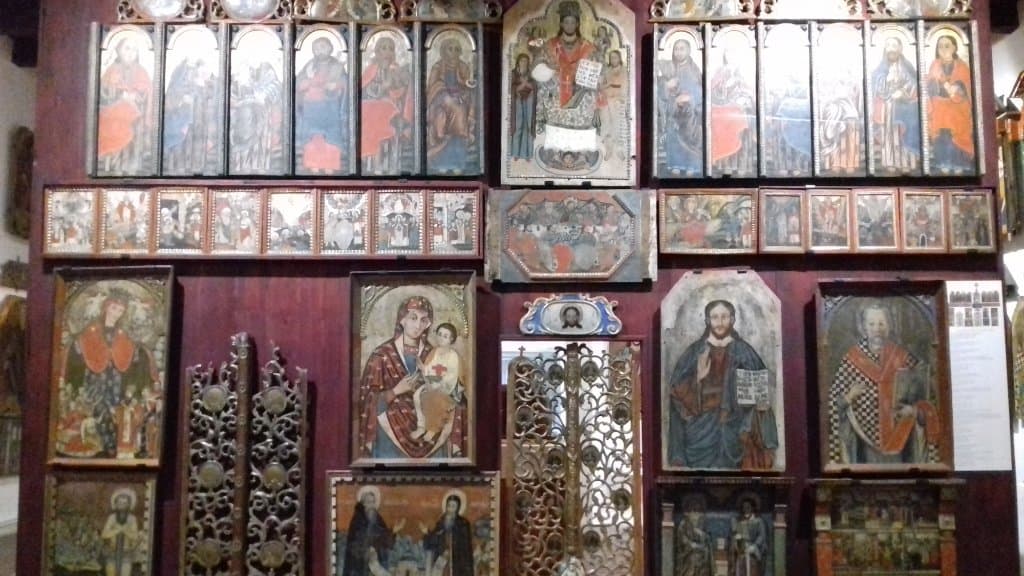
Behold the vibrant rainbow polychrome above the main altar, a stunning artistic feature.
Sebastian Lubomirski's Epitaph
Discover this noteworthy stone epitaph from 1558, a significant historical artifact.
Plans like a pro.
Thinks like you
Planning Your Visit
Respectful Visits
Historical Significance
Best Times
Insider Tips
from TikTok, Instagram & Reddit
🧥 Dress Code
Modest attire is appreciated as this is a place of worship. Avoid revealing clothing. 🙏
📸 Photography Etiquette
Photography is usually permitted, but be discreet and avoid flash during services. :camerawithflash:
📜 Historical Context
Learn about the church's long history, from the 14th century to its 19th-century reconstruction. 📜
✨ Interior Artistry
Don't miss the beautiful polychromes, stained glass windows, and historical epitaphs inside. 🎨
Tips
from all over the internet
🧥 Dress Code
Modest attire is appreciated as this is a place of worship. Avoid revealing clothing. 🙏
📸 Photography Etiquette
Photography is usually permitted, but be discreet and avoid flash during services. :camerawithflash:
📜 Historical Context
Learn about the church's long history, from the 14th century to its 19th-century reconstruction. 📜
✨ Interior Artistry
Don't miss the beautiful polychromes, stained glass windows, and historical epitaphs inside. 🎨
What Travellers Say
Reviews Summary
Visitors praise the Church of the Transfiguration for its architecturally rich and beautiful interior, particularly the captivating rainbow polychrome and historical epitaphs. It's described as a place of peace and reflection, offering a glimpse into Sanok's deep history. Some may find the exterior less striking than the interior's artistic treasures.
"This is my church."
Sebastian Koxyla
"The church is open to the public. Renovated. Exposed brick is visible in the lower part of the building. A captivating rainbow polychrome above the main altar.
The history of the parish dates back to the 14th century. It was founded by King Casimir the Great. Władysław Jagiełło expanded it. There is no mention of his third wife. Queen Bona, while living in Sanok, redesigned and decorated the church.
In the 18th century, it burned down, and the Austrian authorities ordered its demolition.
The old foundations are marked in St. Michael's Square.
The current church was built between 1874 and 1886 in the Neo-Romanesque style. Designed by Józef Braunsejs.
A noteworthy stone epitaph of the starost of Sanok, who died in 1558, is located in the side nave."
Katarzyna Górska
"Respect 🇵🇱 for culture ✝️, history, and art. A beautiful and architecturally rich interior."
Diana Kazimiera Żyłka
What People Like
What People Dislike
Frequently Asked Questions
🚇 🗺️ Getting There
The church is located in Sanok, Poland. It's accessible by local public transport or a short taxi ride from the city center. Walking is also an option if you are staying nearby. 🚌 🚕
Limited street parking may be available in the vicinity. It's advisable to check local parking regulations or consider public transport to avoid hassle. 🚗
🎫 🎫 Tickets & Entry
No, entry to the church is generally free as it is an active place of worship. Donations are always welcome to support its upkeep. :moneybag:
Opening hours can vary, especially around religious holidays. It's best to check the parish's official website or contact them directly for the most up-to-date information. 🕐
Visitors are welcome to attend services, but it's important to be respectful and quiet. Check the schedule beforehand if you wish to participate. ⛪
🎫 🏛️ Onsite Experience
The current church was built between 1874 and 1886 in the Neo-Romanesque style, designed by Józef Braunsejs. :building_construction:
Key features include a captivating rainbow polychrome above the main altar, beautiful stained glass windows, and the stone epitaph of Sebastian Lubomirski. 🎨
Information on accessibility can be limited. It's recommended to contact the church directly to inquire about ramps or other facilities if needed. ♿
Photography is generally allowed, but always be respectful of worshippers and avoid using flash during services. :camerawithflash:
🍽️ 🍽️ Food & Dining
Sanok's city center offers various dining options, from traditional Polish cuisine to cafes. You can find places to eat a short walk or drive from the church. 🍽️
📸 📸 Photography
The exterior showcases its Neo-Romanesque charm, while the interior's polychrome and stained glass offer stunning photographic opportunities. 📷
Drone usage is typically restricted in urban areas and around religious sites. Always check local regulations before flying a drone. :drone:
Social
from TikTok, Instagram & Reddit