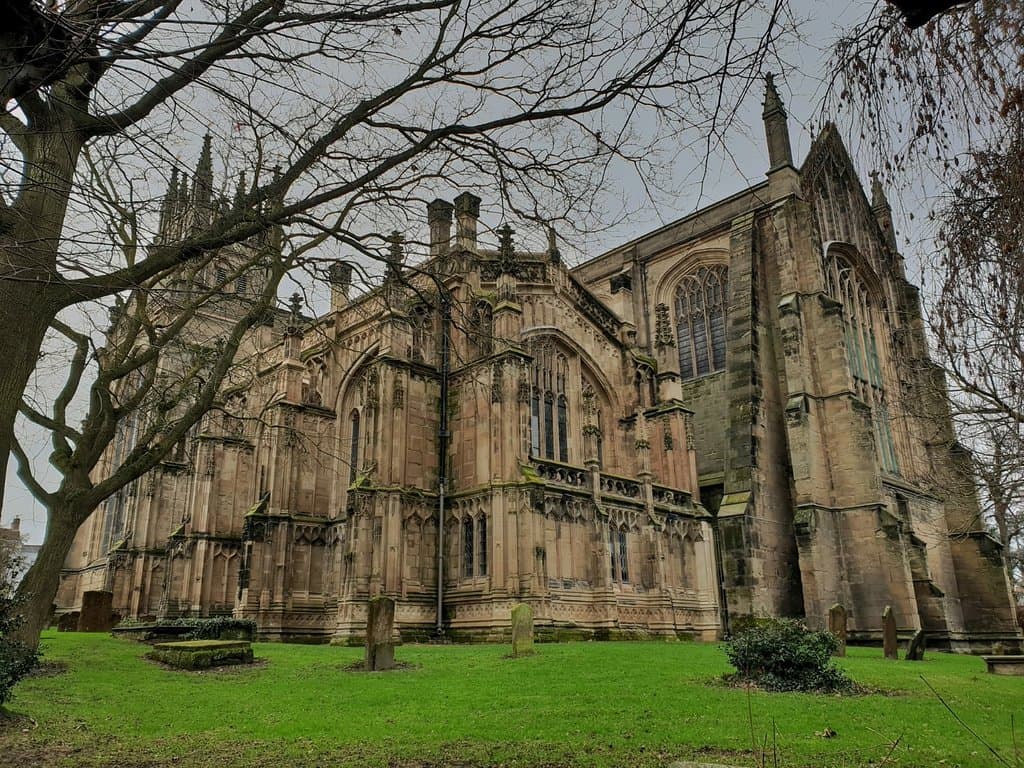
Tum Collegiate Church
A 12th-century Romanesque gem, Tum Collegiate Church is one of Poland's best-preserved historical monuments, offering a glimpse into medieval architec...
Highlights
Must-see attractions

Social
From TikTok & Reddit
Best Time
Fewer crowds, peaceful atmosphere
Tum Collegiate Church
Best Time
Fewer crowds, peaceful atmosphere
Highlights
Must-see attractions
A 12th-century Romanesque gem, Tum Collegiate Church is one of Poland's best-preserved historical monuments, offering a glimpse into medieval architecture and history.
"Fabulous historical church, a must-visit for admiring 12th-century architecture. "
🎯 Check Opening Hours
Verify hours before visiting, as some found it closed unexpectedly. 💁
🚴 Combine with Cycling
Great spot for cycling enthusiasts; explore the surrounding area. :athletic_shoe:
Quick Facts
Highlights
Discover the most iconic attractions and experiences
12th Century Romanesque Architecture
Exterior and interior
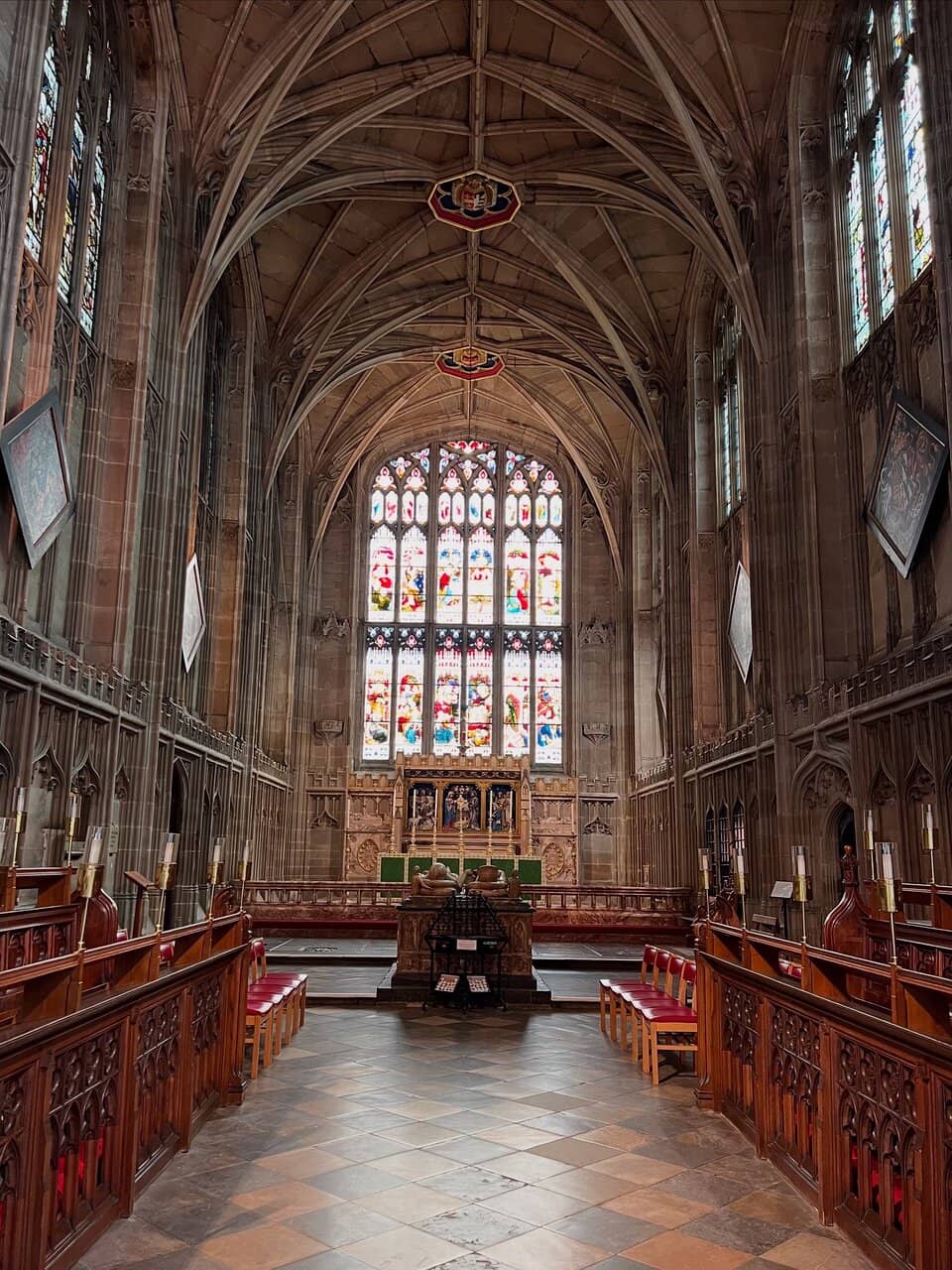
Admire the enduring Romanesque layout, brick walls, and stone details of this nearly 900-year-old church.

Medieval Polychrome Fragments
Interior walls
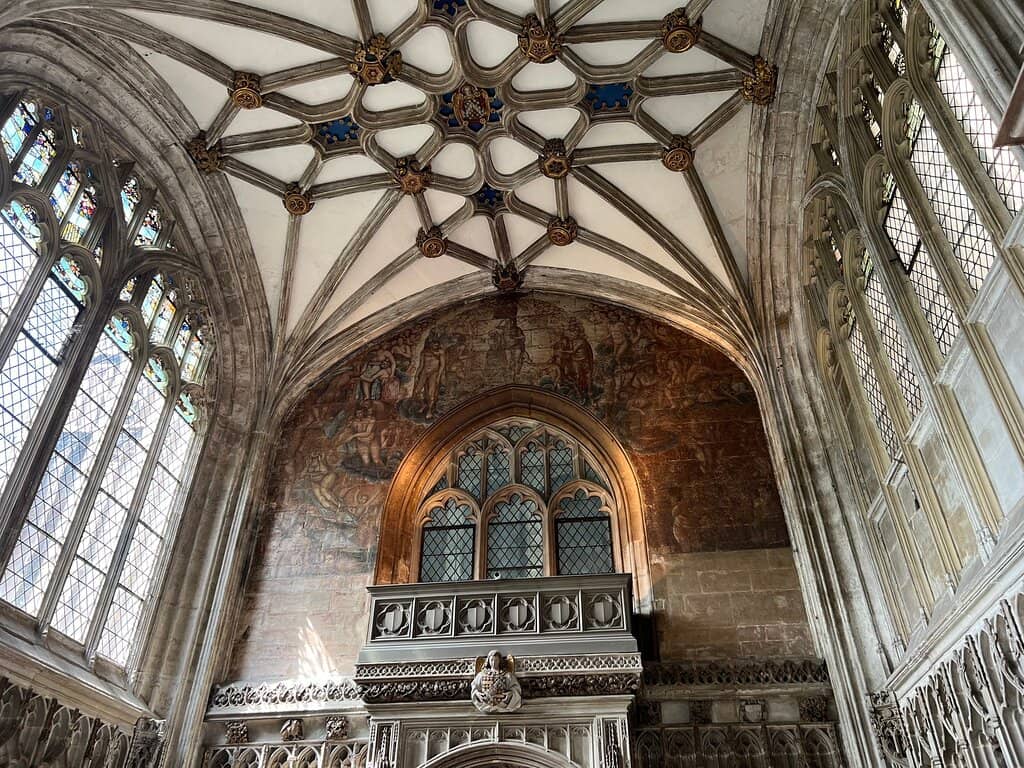
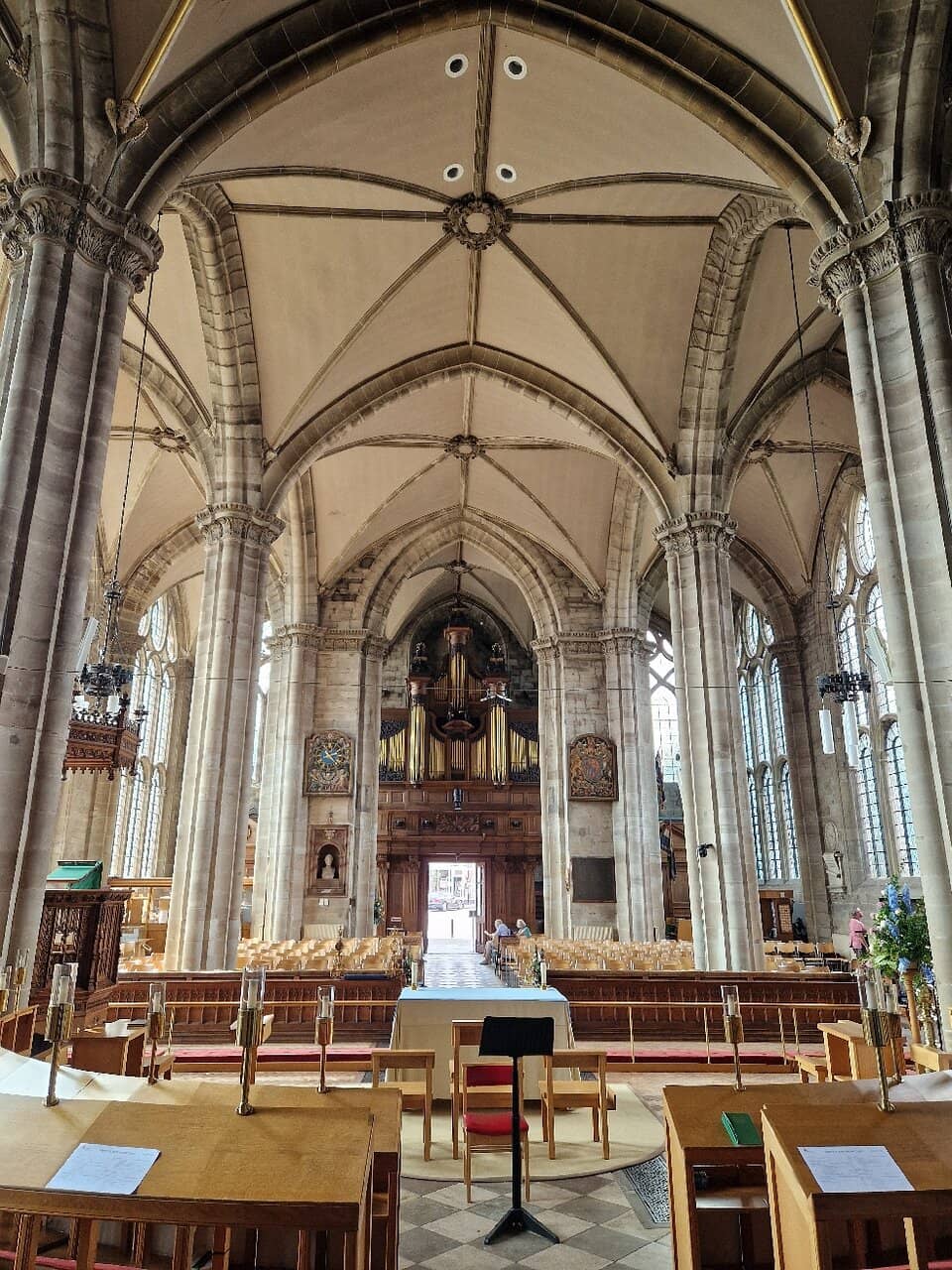
Discover rare surviving fragments of medieval wall paintings, offering a glimpse into the church's original decoration.
Historical Significance
The entire site
Connect with centuries of Polish history, from its Piast dynasty origins to its role through wars and renovations.
Plans like a pro.
Thinks like you
Planning Your Visit
Plan Your Visit to Tum Collegiate Church
Understanding the History
It was founded by Duke Bolesław III Wrymouth and served as both a parish and collegiate church, reflecting its historical importance and Piast dynasty connections. Best Times
Insider Tips
from TikTok, Instagram & Reddit
🎯 Check Opening Hours
Verify hours before visiting, as some found it closed unexpectedly. +1 💁
🚴 Combine with Cycling
Great spot for cycling enthusiasts; explore the surrounding area. :athletic_shoe:
📸 Admire from Outside
Even if closed, the exterior is impressive and worth seeing. :camerawithflash:
⏳ Allow Time for History
Appreciate the nearly 900 years of history embedded in its walls. :classical_building:
Tips
from all over the internet
🎯 Check Opening Hours
Verify hours before visiting, as some found it closed unexpectedly. +1 💁
🚴 Combine with Cycling
Great spot for cycling enthusiasts; explore the surrounding area. :athletic_shoe:
📸 Admire from Outside
Even if closed, the exterior is impressive and worth seeing. :camerawithflash:
⏳ Allow Time for History
Appreciate the nearly 900 years of history embedded in its walls. :classical_building:
What Travellers Say
Reviews Summary
Visitors praise Tum Collegiate Church for its impressive, well-preserved Romanesque architecture and significant historical value, calling it a fabulous historical church. However, some have been disappointed by unexpected closures, particularly on Sundays, and note that there isn't much to see beyond the church itself.
"The Collegiate Church in Tum, near Łęczyca, is one of Poland’s best-preserved Romanesque churches. Built in the 12th century, likely by Duke Bolesław III Wrymouth, it served as both a parish church and a collegiate church for canons.
The church retains its original Romanesque layout, with a rectangular nave, chancel, and small apse. Its brick walls, stone details, and fragments of medieval polychromes show the craftsmanship of the era.
Throughout history, it played an important religious and local role, surviving wars and renovations while preserving its character. Its foundation links it to the Piast dynasty, giving it historical significance.
Today, it remains a place of worship and a monument reflecting nearly nine centuries of Polish history.
Unfortunately despite a historical significance of the building, church was closed during my visit so I was unable to visit inside."
Przemyslaw Kowalski
"This church was closed on Sunday.. At least good looking from the outside"
Maria Kijewska
"I was there several years ago, but still remember this impressive collegiate church. If you have some spare time, visit it to admire architecture from 12th century."
Iga Turek
What People Like
What People Dislike
Frequently Asked Questions
🚇 🗺️ Getting There
Tum Collegiate Church is located near Łęczyca in Poland. It's best accessed by car or as part of a cycling tour. Public transport options may be limited, so planning your route in advance is recommended.
The church is a prominent landmark in the village of Tum. While signage might vary, its distinctive Romanesque architecture makes it recognizable.
Many visitors enjoy cycling around Tum and the surrounding countryside, making it a pleasant day trip destination.
🎫 🎫 Tickets & Entry
Information on ticket prices and availability is not widely available. It's crucial to check the official opening hours and any admission requirements before your visit, as some visitors have found it closed. +1
Opening hours can vary, and some visitors have reported the church being closed on Sundays. It's highly recommended to confirm the current operating schedule before planning your trip. +1
Unfortunately, some visitors have noted that the church was closed on Sundays. It's best to verify the schedule for the specific day you plan to visit. +1
Specific details about entrance fees are not readily available. It's advisable to check for any admission costs or donation suggestions upon arrival or through official channels.
🎫 🏛️ Onsite Experience
Inside, you can admire the original Romanesque layout, medieval polychrome fragments, and stone details. It's a significant historical monument.
Absolutely! It's one of Poland's best-preserved Romanesque churches, offering a deep dive into medieval architecture and history.
The church itself is a historical artifact, showcasing its original layout and surviving medieval polychromes.
The church is a prime example of Romanesque architecture, built in the 12th century with characteristic brick walls and stone details.
Photography policies can vary. It's best to inquire on-site or look for posted signs regarding photography rules. [^camerawithflash:]
🍽️ 🍽️ Food & Dining
Dining options directly at the church are unlikely. You'll likely need to travel to nearby towns like Łęczyca for restaurants and cafes. :knifeforkplate:
Picnicking is generally not permitted inside historical religious sites. It's best to enjoy your meals before or after your visit in designated areas. :sandwich:
📸 📸 Photography
The entire exterior, with its ancient stone and brickwork, offers excellent photographic opportunities. The surrounding landscape also provides scenic backdrops.
Photography rules can vary. Always check for signs or ask staff before taking pictures inside to respect the sacred space. [^camerawithflash:]
Early morning or late afternoon light can create beautiful shadows and highlight the textures of the Romanesque architecture. :sunriseovermountains: :cityscape:

Social
from TikTok, Instagram & Reddit