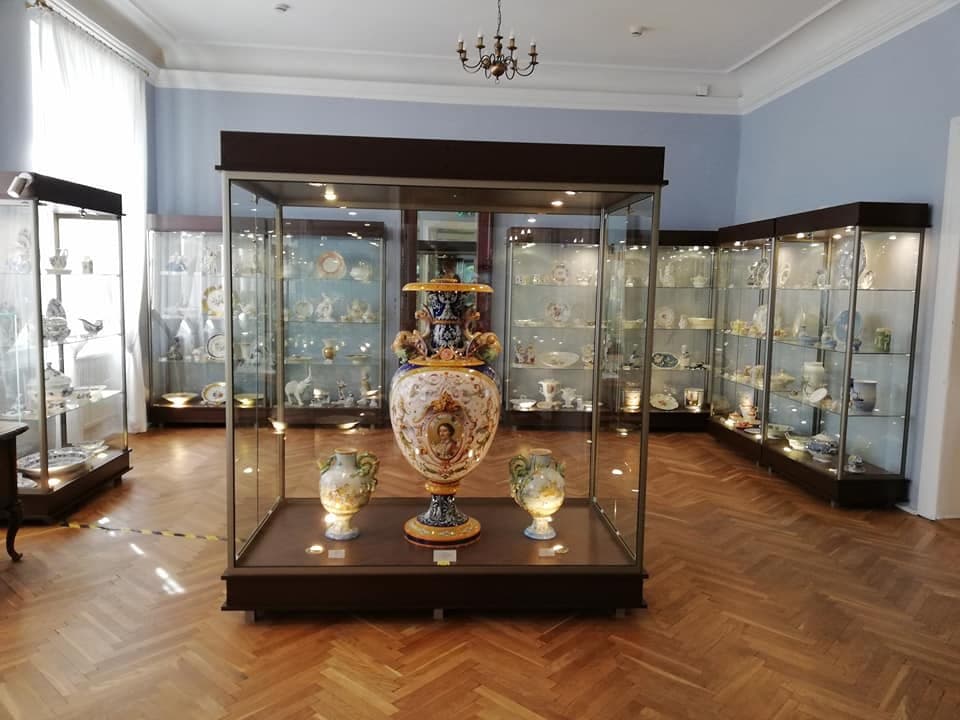
Porcelain Museum Wałbrzych
Discover Wałbrzych's 'white gold' legacy at the Porcelain Museum, showcasing unique Silesian artistry and historical factory insights.
Highlights
Must-see attractions

Social
From TikTok & Reddit
Best Time
Fewer crowds, more peaceful viewing
Porcelain Museum Wałbrzych
Best Time
Fewer crowds, more peaceful viewing
Highlights
Must-see attractions
Discover Wałbrzych's 'white gold' legacy at the Porcelain Museum, showcasing unique Silesian artistry and historical factory insights.
"An incredible place with interesting and concise excursions about Wałbrzych's porcelain heritage. "
⏳ Allow ample time
You might spend over an hour exploring the diverse collections.
🎧 Use the audioguide
Available in multiple languages, it enhances understanding of the exhibits.
Quick Facts
Hours
Rating
4.7 · 2,434 reviews
Type
Museum
Website
muzeum.walbrzych.plHighlights
Discover the most iconic attractions and experiences
Silesian Porcelain Collections
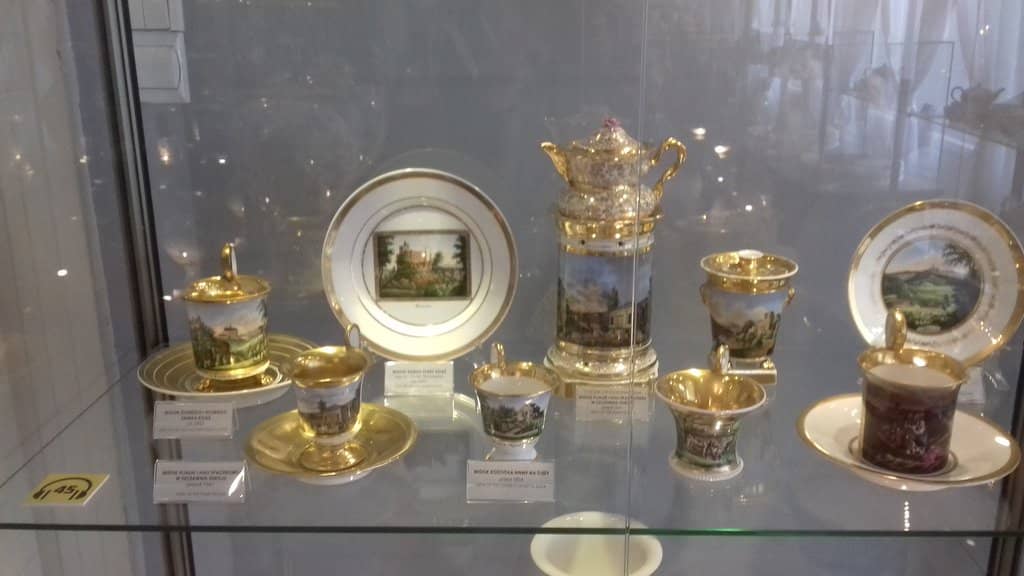
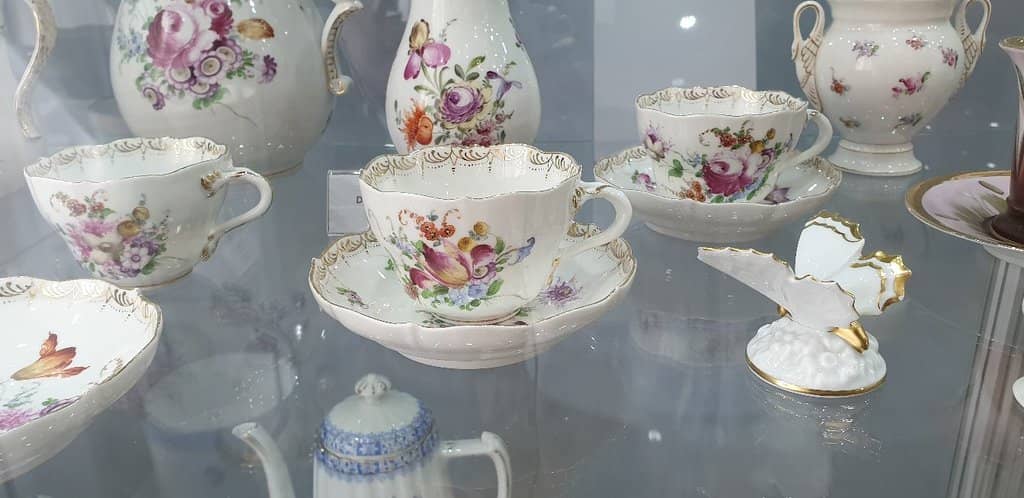
Discover unique porcelain pieces, including tableware designed by Philippe Rosenthal. A true testament to Wałbrzych's 'white gold' legacy.
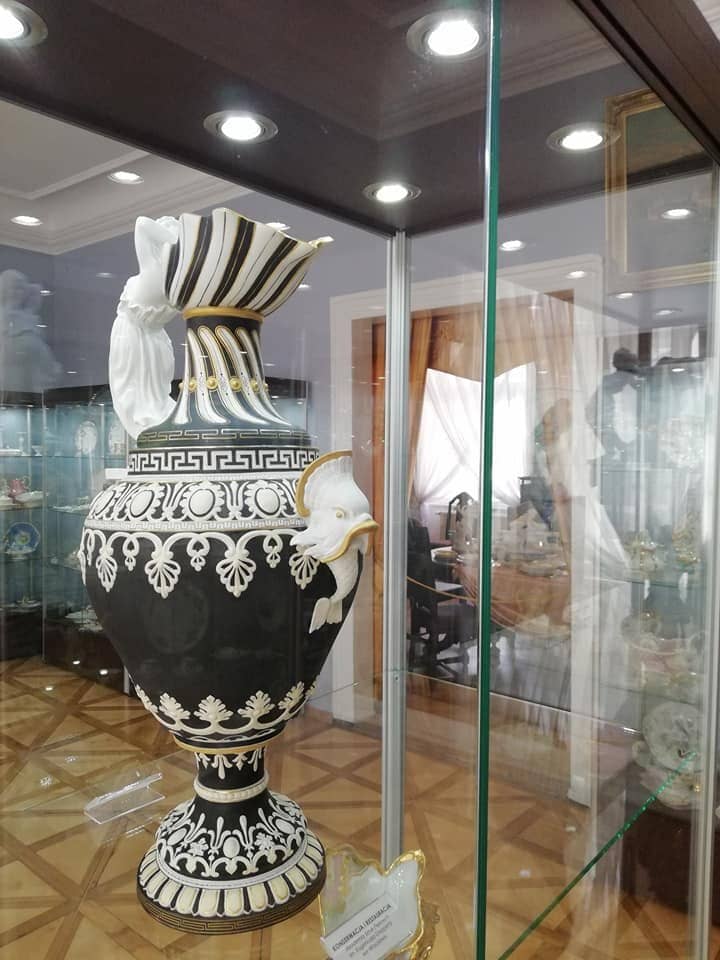
The "Gold Leaf" Tableware
See the exquisite tableware model designed by Philippe Rosenthal himself, a highlight of the museum's unique offerings.
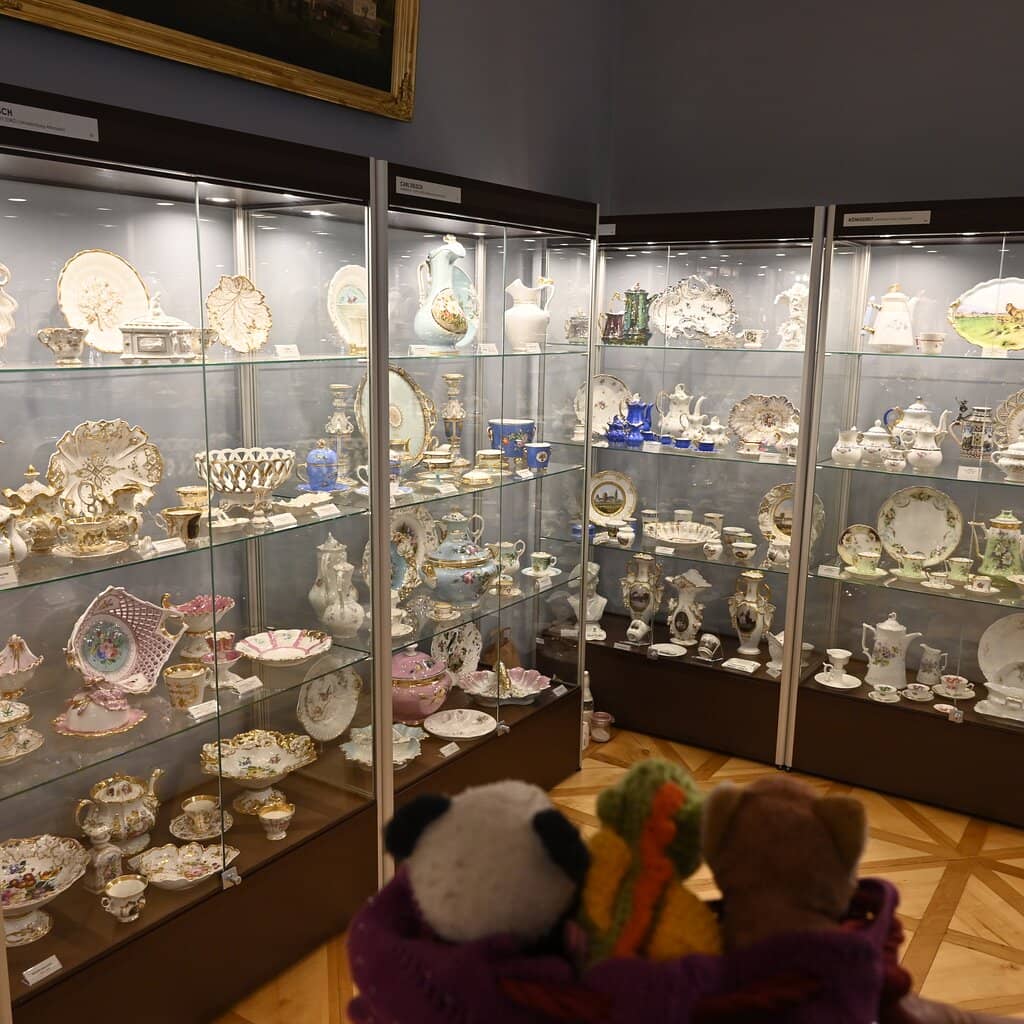
Regional Porcelain History
Gain insights into the history of porcelain production in the Wałbrzych region and its cultural significance.
Plans like a pro.
Thinks like you
Planning Your Visit
Discover Wałbrzych's "White Gold"
Plan Your Visit
Best Times
Insider Tips
from TikTok, Instagram & Reddit
A special guest welcomes us to the wonderful Museum of Porcelain. Wałbrzych was one of the most important places for the production of items made of the so-called "white gold".
I remember seeing this when i was small and being impresed back then. It was at least 20y ago
⏳ Allow ample time
You might spend over an hour exploring the diverse collections.
🎧 Use the audioguide
Available in multiple languages, it enhances understanding of the exhibits.
💎 Appreciate the artistry
Even if porcelain isn't your passion, the exhibits are surprisingly engaging.
📜 Learn about factory owners
Discover the stories behind Wałbrzych's prominent porcelain factory owners.
Tips
from all over the internet
⏳ Allow ample time
You might spend over an hour exploring the diverse collections.
🎧 Use the audioguide
Available in multiple languages, it enhances understanding of the exhibits.
💎 Appreciate the artistry
Even if porcelain isn't your passion, the exhibits are surprisingly engaging.
📜 Learn about factory owners
Discover the stories behind Wałbrzych's prominent porcelain factory owners.
What Travellers Say
Reviews Summary
Visitors praise the Porcelain Museum Wałbrzych for its interesting and concise exploration of the city's 'white gold' heritage. The unique collections, including Rosenthal's designs, and the informative audioguide are frequently highlighted. While not as extensive as some international museums, its focus on regional history makes it a valuable cultural stop. +2
"An incredible place. A very interesting and concise excursion, it was interesting to learn a lot about the owners of porcelain factories in Walbrzych, which was a rich and developed city. Porcelain is now a cultural heritage of which the city is proud. My best recommendations!"
Yuliia Masiuk
"The Museum of Porcelain is the oldest and longest operating cultural institution in Wałbrzych. Its rich history dates back to 1908, when on the initiative of Julius Joppich, the Museum of Antiquities of the Wałbrzych Land was established in Wałbrzych. The collections of Silesian porcelain that are located there are unique. I can even be tempted to say that one of the few in Europe. There is, for example, tableware model which is called "Gold Leaf" and was designed by Philippe Rosenthal himself. In the Museum of Porcelain in Wałbrzych, you can not only see porcelain objects, but also see how previous generations used them. I'm a big fan of porcelain so for me, this Museum is a "must see"."
Agnieszka Rybczyńska
"This museum has a porcelain collection from different places. Not big (like Meißein, Germany) but interesting too. Audioguide for many languages. I spent more than an hour there."
Dmytro “Shadow”
What People Like
What People Dislike
Frequently Asked Questions
🚇 🗺️ Getting There
The museum is located in the city center of Wałbrzych, making it accessible by public transport or a short walk from other attractions. Parking may be available nearby, but check local signage.
Yes, it's a prominent cultural institution in Wałbrzych. Look for signs directing you to the city's main museums.
Absolutely! Wałbrzych has other attractions like Książ Castle, which can be visited on the same day.
🎫 🎫 Tickets & Entry
Opening hours can vary, so it's best to check the official museum website or local listings before your visit.
Admission fees are typically reasonable. Check the museum's official website for current ticket prices and any potential discounts.
For most visits, advance booking isn't strictly necessary, but it's a good idea during peak tourist seasons or for group visits.
Many museums offer concessions. Inquire at the ticket counter or check the museum's website for details on student, senior, or family discounts.
🎫 🧭 Onsite Experience
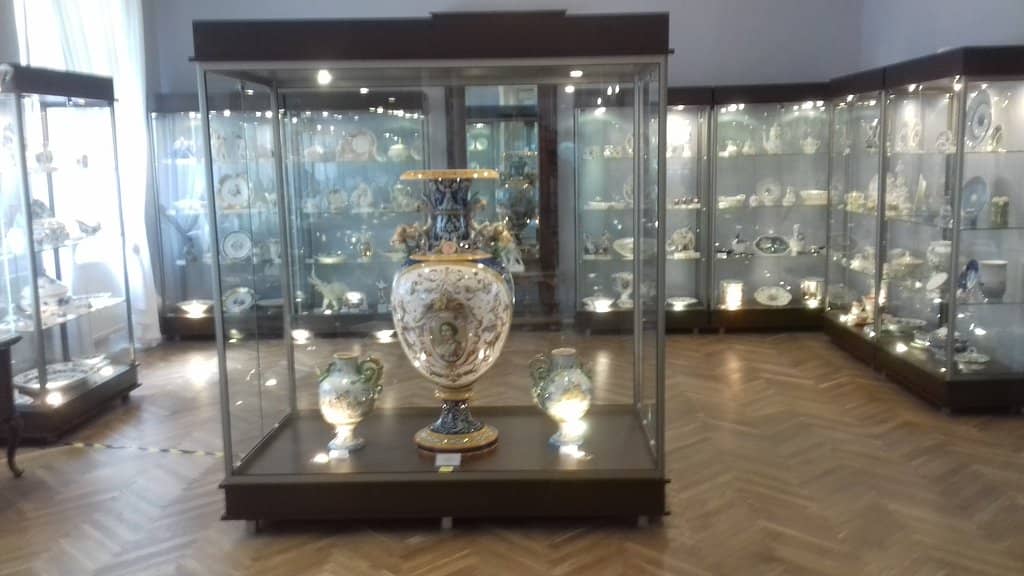
You'll find extensive collections of Silesian porcelain, including unique tableware, decorative items, and learn about the history of porcelain production in the region.
Yes, an audioguide is available in multiple languages, offering detailed information about the exhibits and the history of porcelain.
Most visitors spend about an hour or more exploring the museum, especially if using the audioguide.
While it's a museum focused on history and art, the visual appeal of porcelain can be interesting for older children. It's a quieter experience.
Photography policies can vary. It's best to check for signage or ask museum staff if photography is permitted, especially without flash.
🍽️ 🍽️ Food & Dining
Typically, museums of this size do not have extensive dining facilities. There might be a small cafe, but it's advisable to check their website or plan to eat nearby.
Wałbrzych city center offers various restaurants and cafes serving local Polish cuisine and international dishes. Explore the streets around the museum for options.
📸 📸 Photography
Focus on the intricate details of the porcelain pieces, the elegant tableware, and any unique historical displays.
Flash photography is generally discouraged in museums to protect delicate artifacts. Always check for specific rules.
Social
from TikTok, Instagram & Reddit