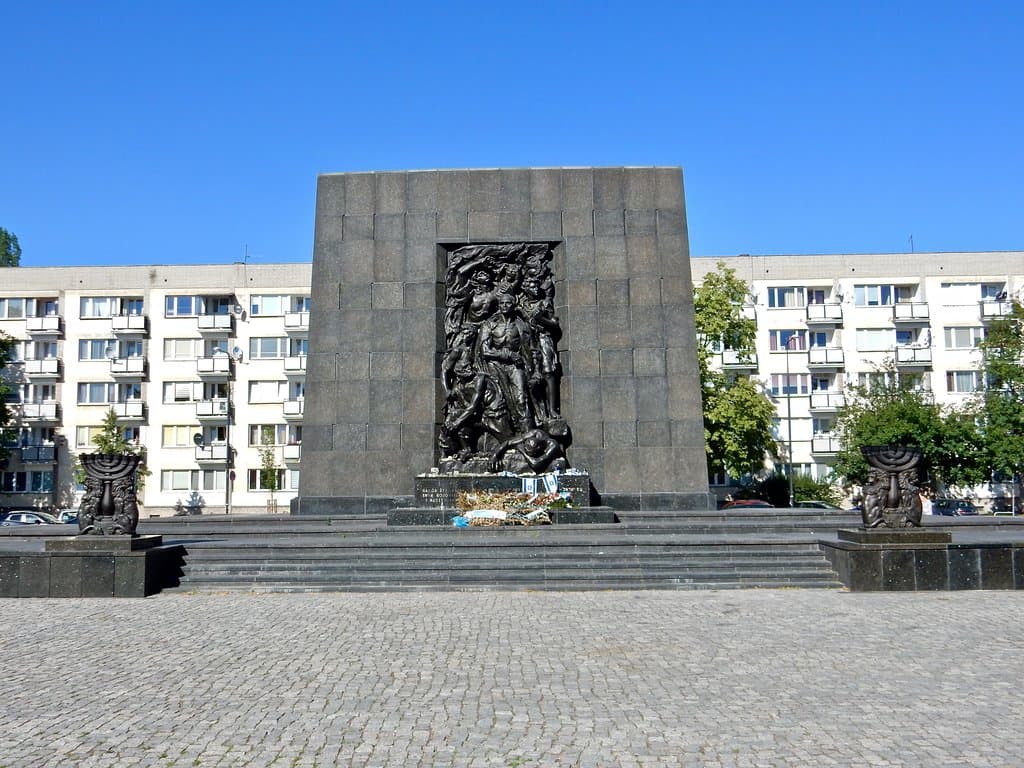
Monument to the Ghetto Heroes Warsaw
A solemn monument commemorating the Warsaw Ghetto Uprising, a symbol of Jewish resistance and sacrifice during WWII.

Highlights
Must-see attractions

Social
From TikTok & Reddit
Best Time
Narcissus flowers bloom
Monument to the Ghetto Heroes Warsaw
Best Time
Narcissus flowers bloom
Highlights
Must-see attractions
A solemn monument commemorating the Warsaw Ghetto Uprising, a symbol of Jewish resistance and sacrifice during WWII.
"An unforgettable experience, tying together WW2 history and the courage of the people."
Consider a Guided Tour
Enhance your visit with a guide who can share the emotional and historical context.
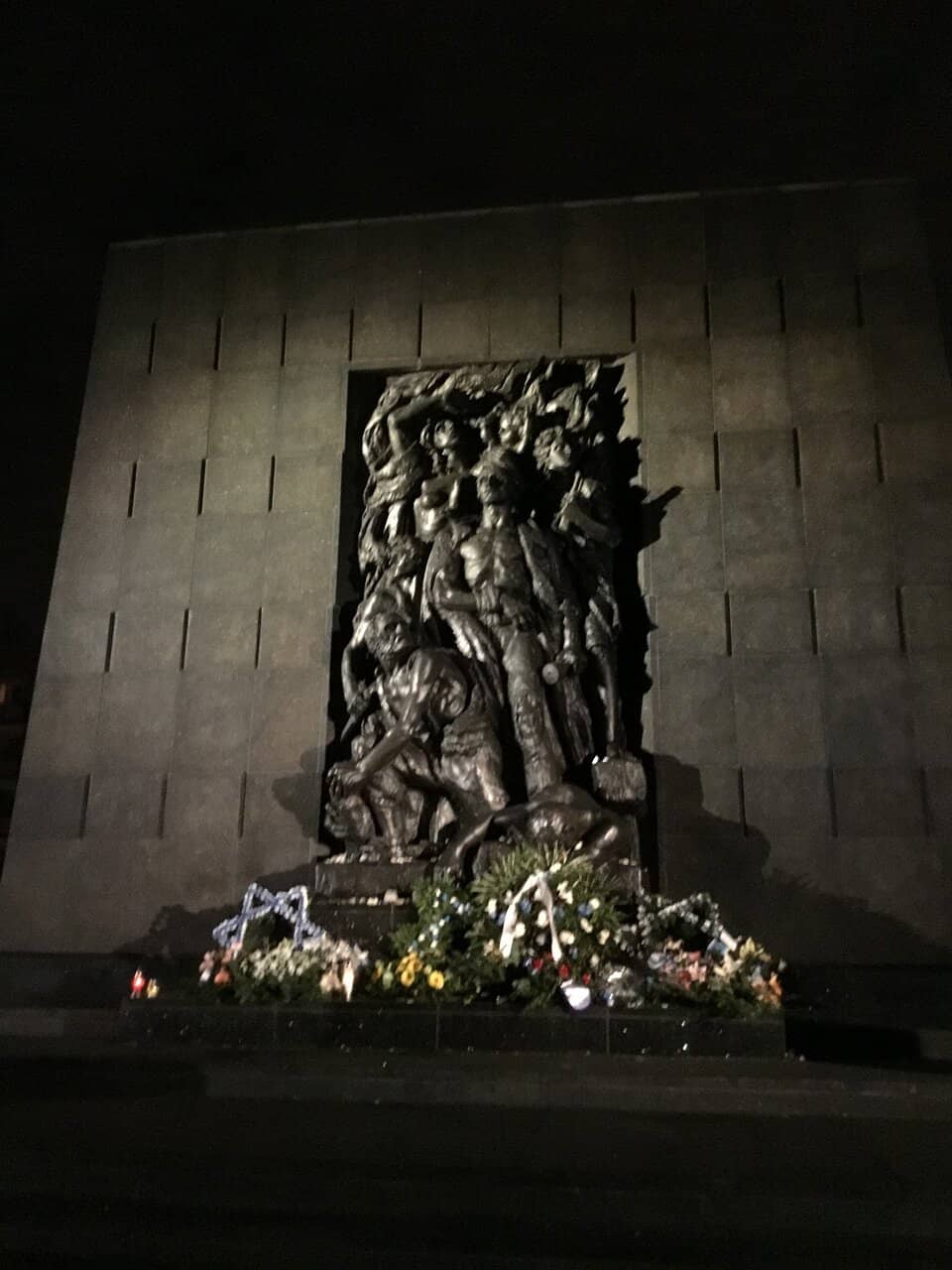
Look for the Narcissus
Narcissus flowers are often laid here, especially around April 19th.
Quick Facts
Hours
Rating
4.6 · 1,719 reviews
Highlights
Discover the most iconic attractions and experiences
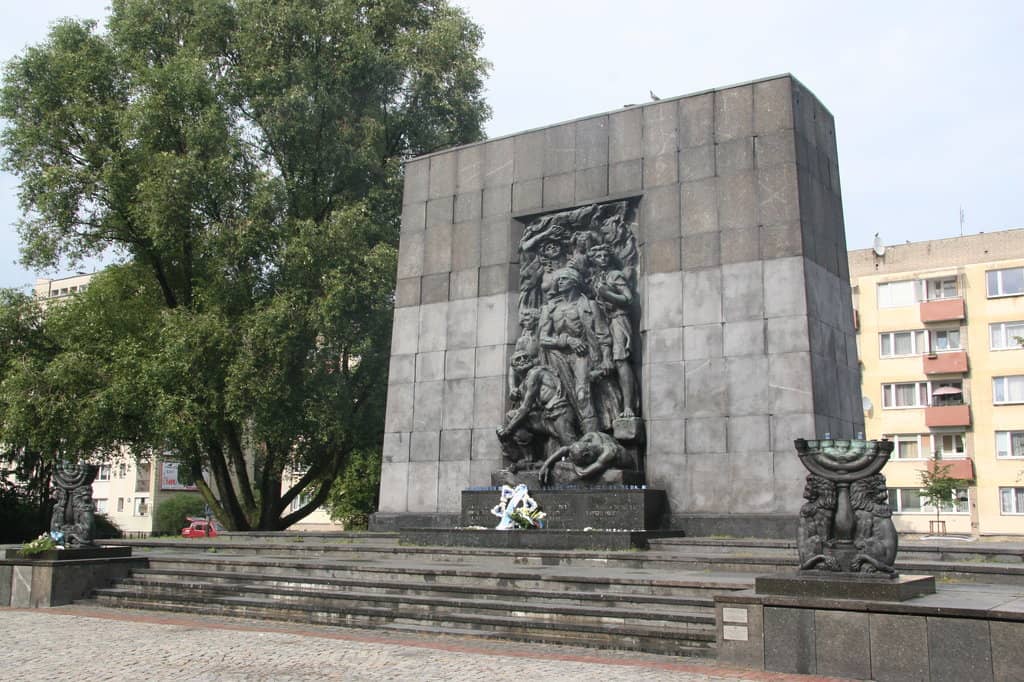
Monument to the Ghetto Heroes
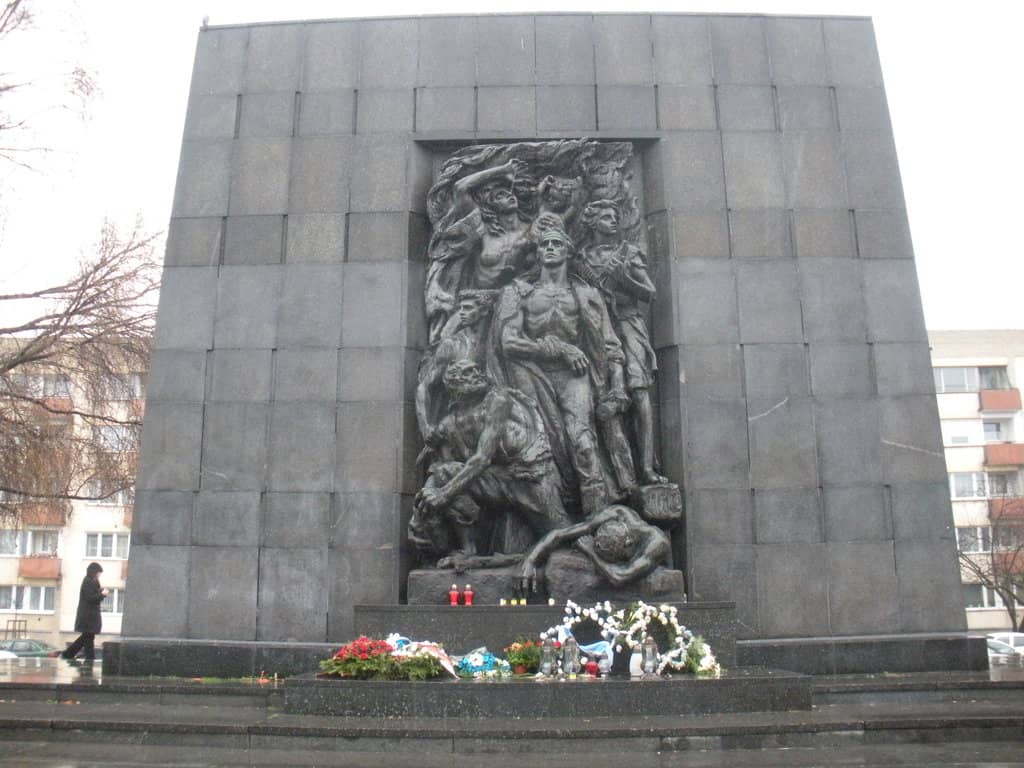
A powerful memorial honoring the bravery and sacrifice of those who fought in the Warsaw Ghetto Uprising.

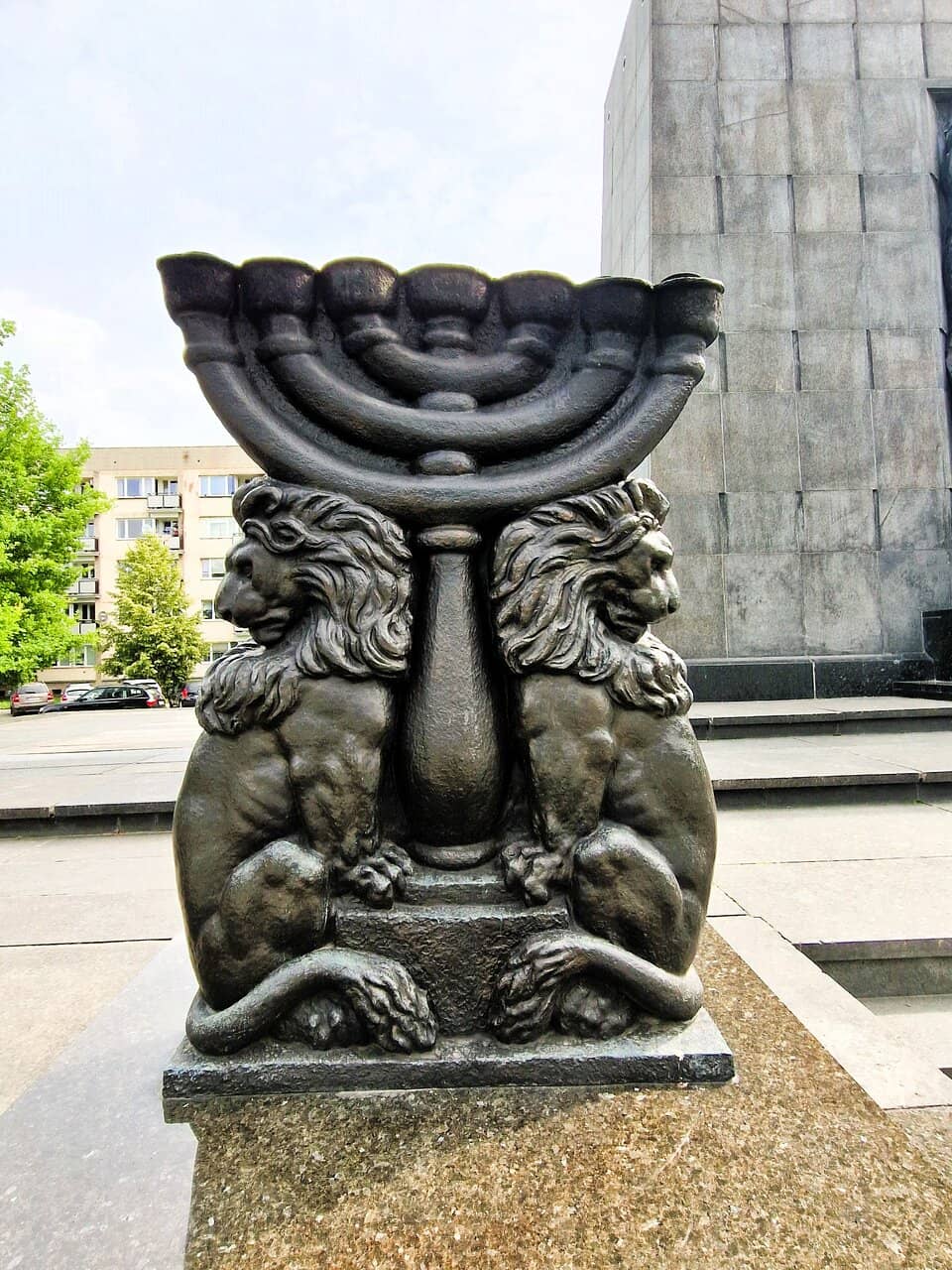
Willy Brandt's Kneel
The site of Chancellor Willy Brandt's iconic 1970 gesture of humility and penance.

POLIN Museum of the History of Polish Jews
Adjacent museum offering deep insights into the 1000-year history of Jews in Poland.
Plans like a pro.
Thinks like you
Planning Your Visit
Understand the Historical Context
Combine with Nearby Sites
Best Times
Insider Tips
from TikTok, Instagram & Reddit
Consider a Guided Tour
Enhance your visit with a guide who can share the emotional and historical context.
Look for the Narcissus
Narcissus flowers are often laid here, especially around April 19th.
Explore Nearby Memorials
The area has other monuments that tie into the WW2 narrative.
Reflect on the History
This is an emotional site; take time to absorb the stories of loss and courage.
Tips
from all over the internet
Consider a Guided Tour
Enhance your visit with a guide who can share the emotional and historical context.
Look for the Narcissus
Narcissus flowers are often laid here, especially around April 19th.
Explore Nearby Memorials
The area has other monuments that tie into the WW2 narrative.
Reflect on the History
This is an emotional site; take time to absorb the stories of loss and courage.
What Travellers Say
Reviews Summary
Visitors consistently describe the Monument to the Ghetto Heroes as an important and emotional site, deeply moving due to its historical significance and the stories of courage and loss it represents. Many highlight the adjacent POLIN Museum as an excellent complement, offering a comprehensive historical narrative. The site is well-preserved and easily accessible, making it a profound experience for those seeking to understand WW2 history.
"Important part of the history. Great monument on both sides."
Bartek Szmit
"Visiting these memorials with a guide who knows the history behind them is the best way experience them.
The story is an emotional one, it tells of loss, despair, courage, adversity, brutality and dignity. It's an unforgettable experience, and seeing the other monuments in the near vicinity ties it all together in a narrative about WW2 and the courage of the people of Poland in the face of their enemies."
Lloyd De Jongh
"Very well preserved and very well connected. Zapraszam"
Clayrex Bolaños Hernández
What People Like
What People Dislike
Frequently Asked Questions
🚇 🗺️ Getting There
The monument is centrally located and easily accessible by public transport. Many visitors arrive via tram or bus to stops near the POLIN Museum. It's also a pleasant walk from other central Warsaw attractions.
Street parking can be limited in this area. It's generally recommended to use public transportation or consider a taxi/ride-sharing service for easier access.
Yes, it's a walkable distance from Warsaw's Old Town, offering a chance to see more of the city. The walk typically takes around 20-30 minutes.
🎫 🎫 Tickets & Entry
The monument itself is an outdoor memorial and is free to visit. However, the adjacent POLIN Museum requires an admission ticket.
As an outdoor memorial, the monument is accessible at all times. The POLIN Museum has specific opening hours, which can be found on their official website.
No, there is no entrance fee to view and reflect at the Monument to the Ghetto Heroes. It is a public space dedicated to remembrance.
🎫 🧭 Onsite Experience
It commemorates the Warsaw Ghetto Uprising of 1943, a heroic but ultimately unsuccessful revolt against Nazi Germany. It stands as a symbol of Jewish resistance and sacrifice.
You'll see a powerful monument with inscriptions and reliefs depicting the struggle. It's a place for quiet reflection and remembrance.
While the historical context is somber, it's an important educational site. Parents can decide based on their children's age and maturity to discuss the history.
Yes, the POLIN Museum of the History of Polish Jews is right next door, and other memorials related to the Warsaw Uprising are in the vicinity.
📸 📸 Photography
Photography is generally permitted at the outdoor monument. However, it's important to be respectful of the solemn nature of the site.
Early mornings or late afternoons can offer softer light and fewer crowds, making for more contemplative photos.
You may also like

Ghetto Wall Fragments Warsaw
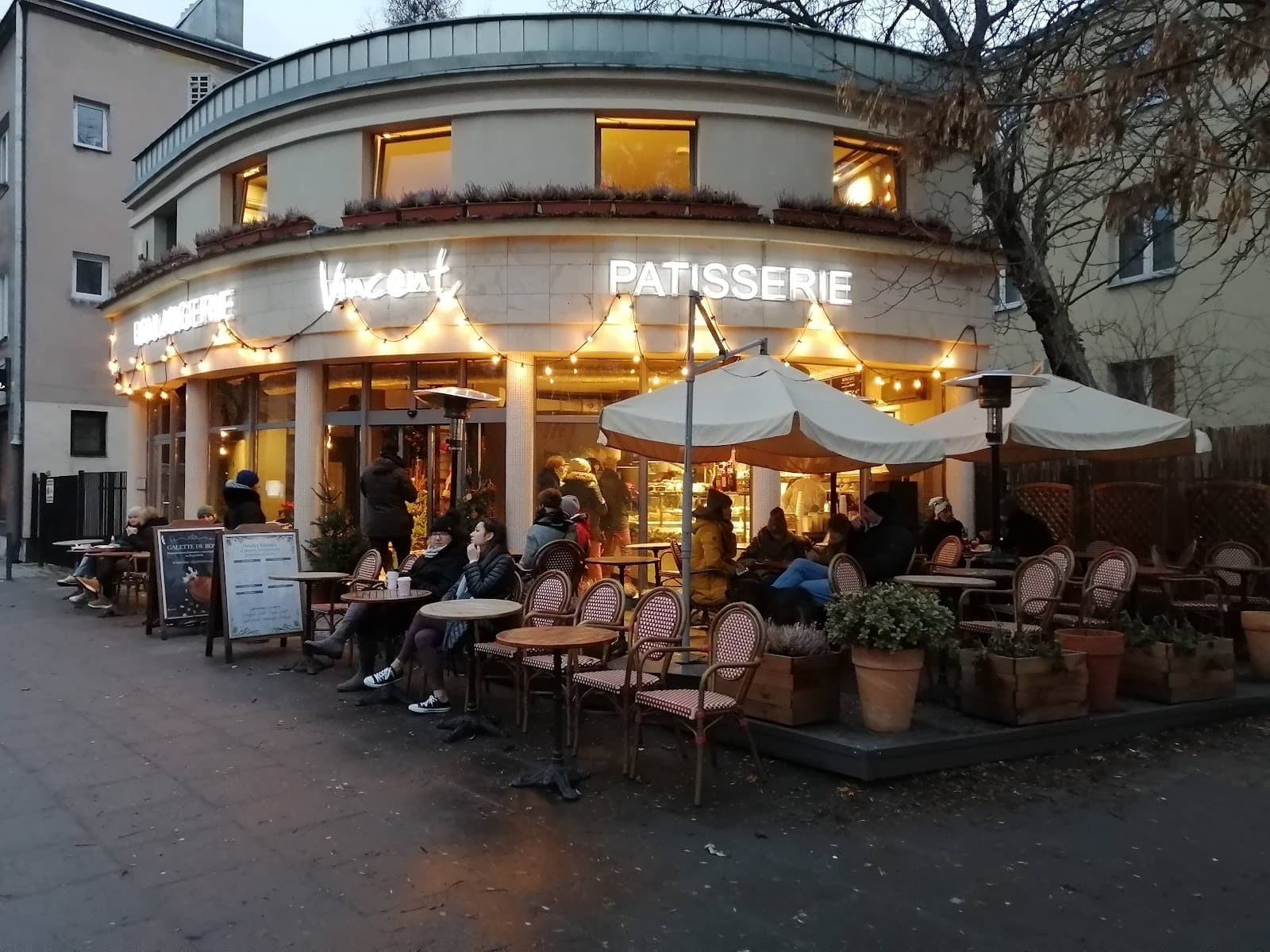
Saska Kępa Warsaw

Pawiak Prison Museum Warsaw

Warsaw University Library & Roof Garden Warsaw
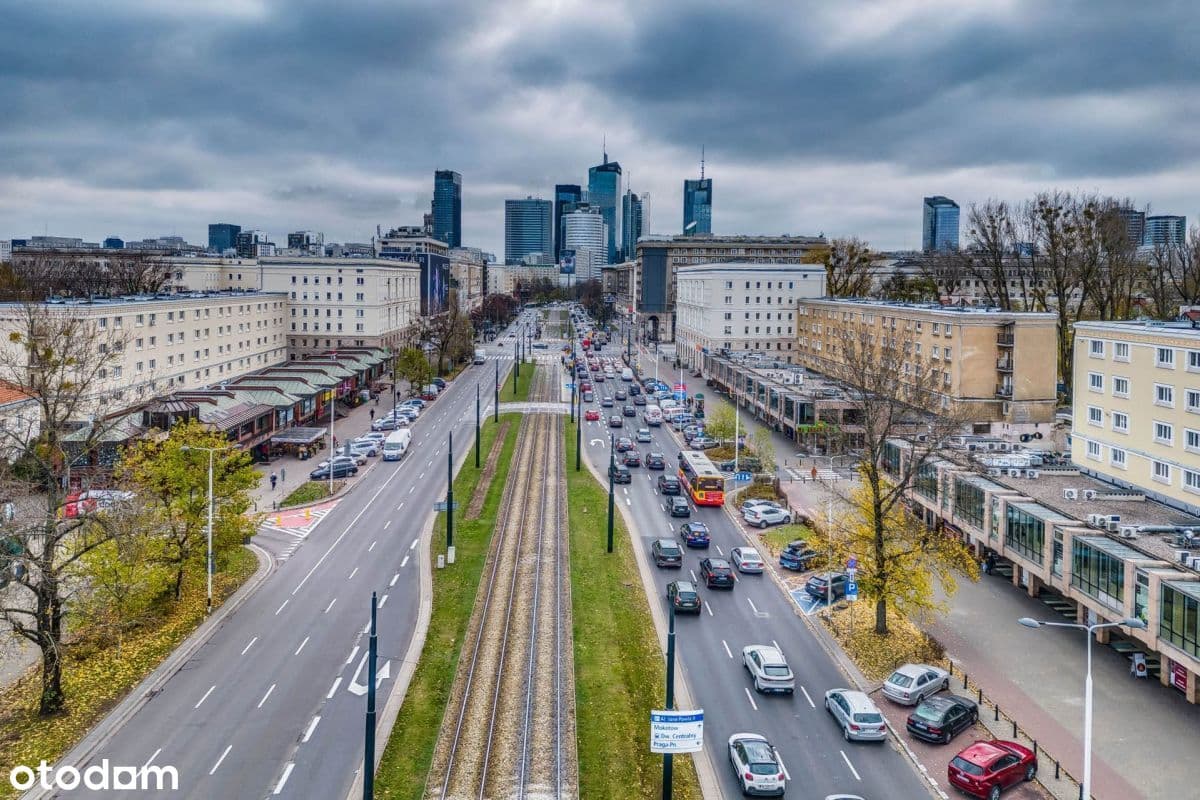
Muranów Warsaw

Church of St. Kazimierz Warsaw
Ghetto Wall Fragments Warsaw
Saska Kępa Warsaw
Pawiak Prison Museum Warsaw
Warsaw University Library & Roof Garden Warsaw
Muranów Warsaw
Church of St. Kazimierz Warsaw

Palace on the Isle Warsaw

Grand Theatre – National Opera Warsaw

POLIN Museum of the History of Polish Jews Warsaw

Jewish Cemetery (Okopowa) Warsaw

St. Mary Magdalene Orthodox Cathedral Warsaw

Social
from TikTok, Instagram & Reddit