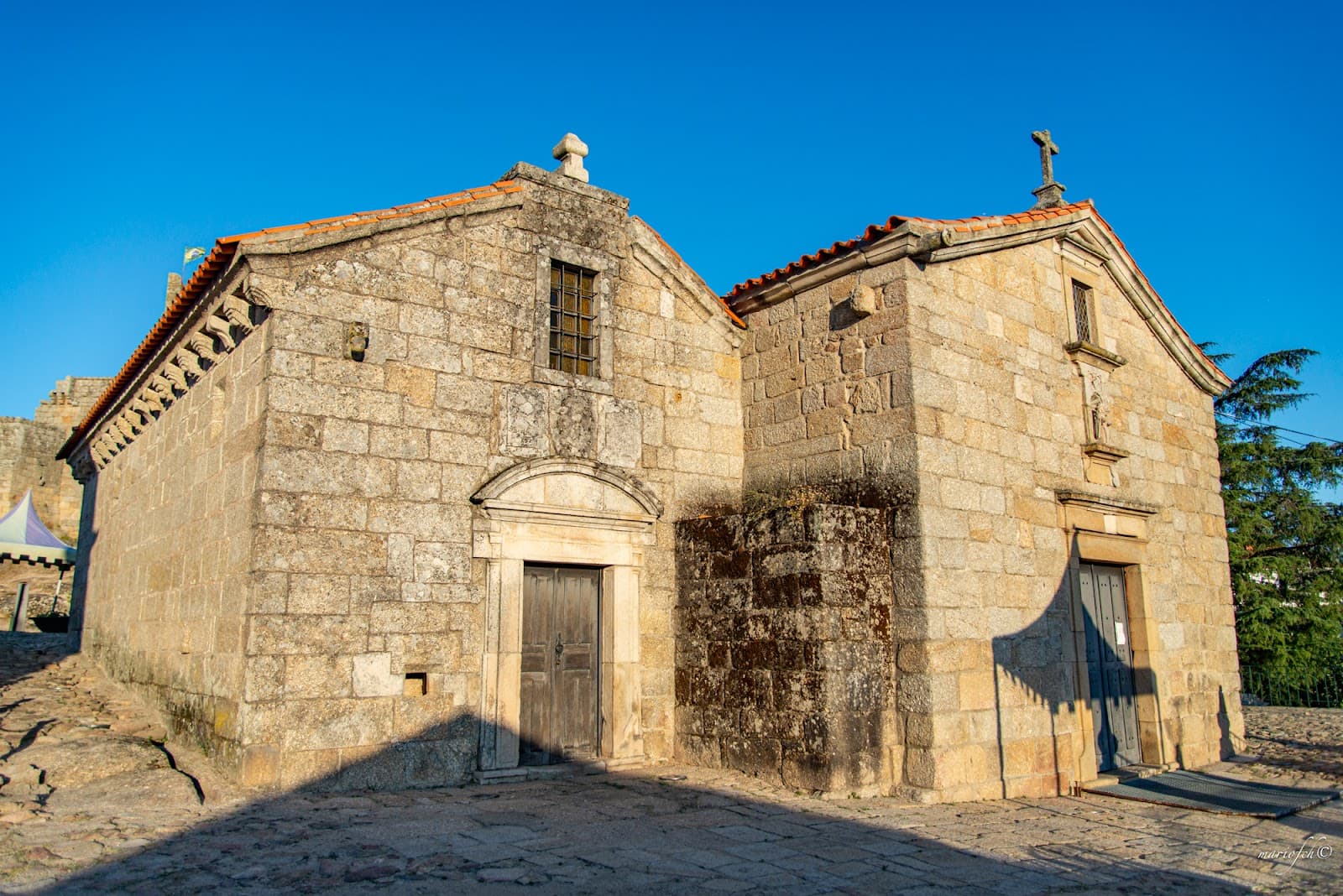
Igreja de Santiago Belmonte
Discover the Igreja de Santiago and Panteão dos Cabrais, key historical sites in Belmonte, linked to Pedro Álvares Cabral and Portuguese discoveries.
Highlights
Must-see attractions

Social
From TikTok & Reddit
Best Time
Fewer crowds, peaceful exploration
Igreja de Santiago Belmonte
Best Time
Fewer crowds, peaceful exploration
Highlights
Must-see attractions
Discover the Igreja de Santiago and Panteão dos Cabrais, key historical sites in Belmonte, linked to Pedro Álvares Cabral and Portuguese discoveries.
"A beautiful and deeply historic site, a must-visit for understanding Portugal's Age of Discoveries."
🎟️ Combo Ticket Value
Consider a combo ticket for multiple Belmonte historical sites to save money.
🚶♀️ Wear Comfortable Shoes
Belmonte's historic center involves walking on cobblestone streets.
Quick Facts
Hours
Rating
4.3 · 76 reviews
Type
Church
Highlights
Discover the most iconic attractions and experiences
Igreja de Santiago
Belmonte
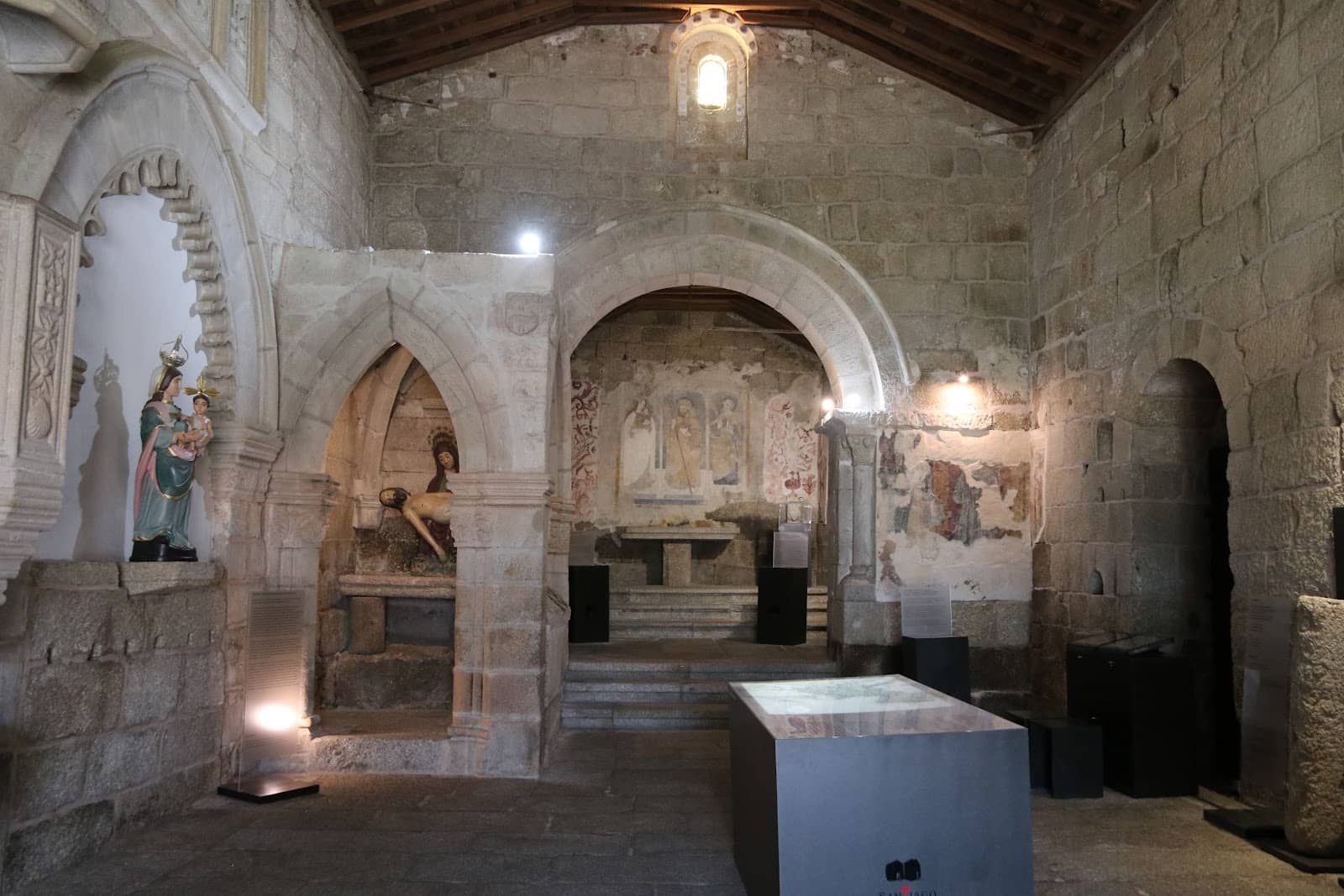
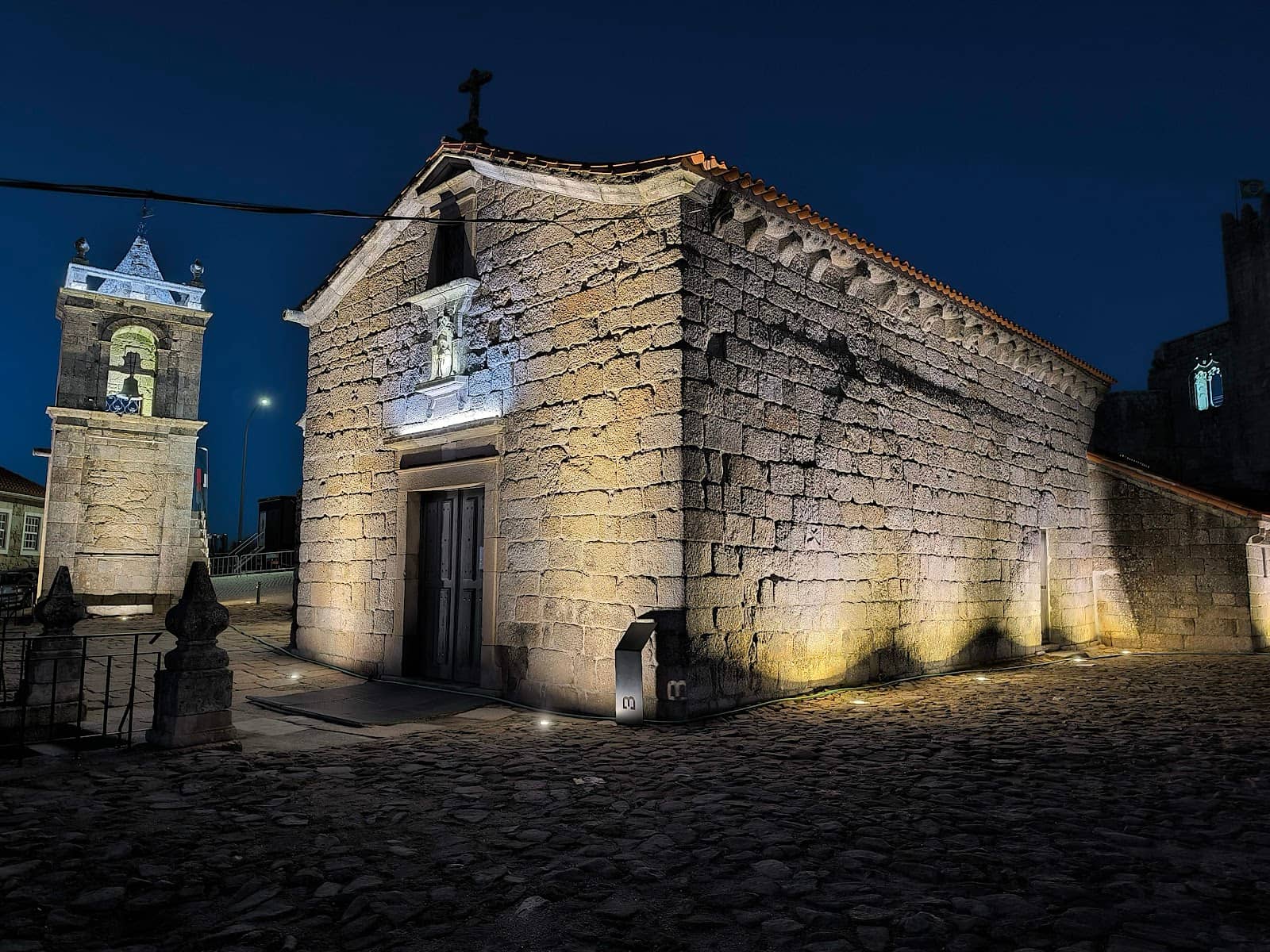
A stunning example of late Romanesque architecture, dating back to the 13th century.
Panteão dos Cabrais
Adjacent to Igreja de Santiago
Gothic pantheon housing the tombs of the Cabral family, including Pedro Álvares Cabral.
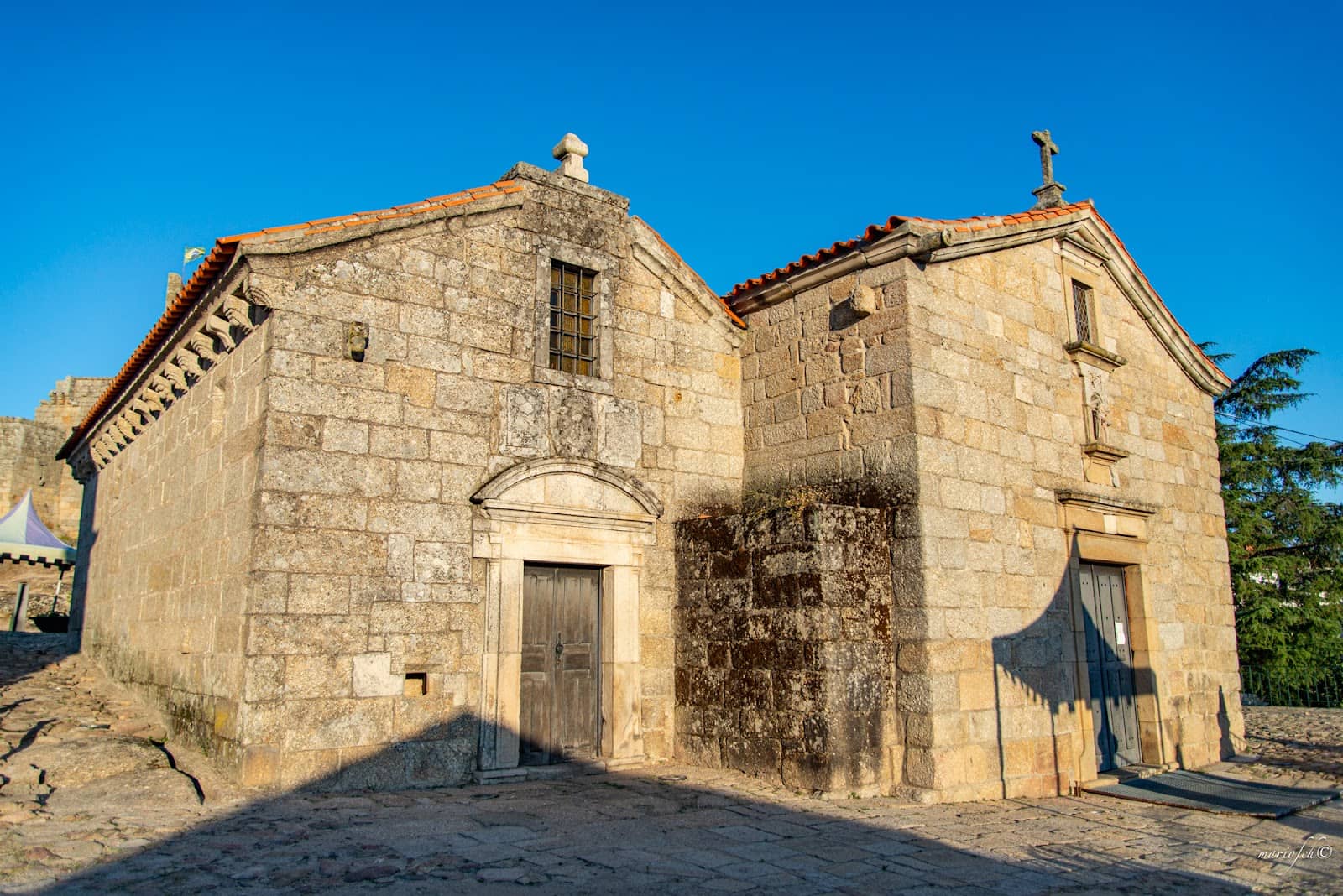
Capela de Nossa Senhora da Piedade
Inside Igreja de Santiago
A beautiful chapel within the church, commissioned by D. Maria Gil Cabral.
Plans like a pro.
Thinks like you
Planning Your Visit
Timing Your Visit to Belmonte
Belmonte's Historical Significance
Best Times
Insider Tips
from TikTok, Instagram & Reddit
🎟️ Combo Ticket Value
Consider a combo ticket for multiple Belmonte historical sites to save money.
🚶♀️ Wear Comfortable Shoes
Belmonte's historic center involves walking on cobblestone streets.
📜 Learn the History
Understanding the connection to Pedro Álvares Cabral enriches the visit. 
📸 Capture the Details
The architecture and historical artifacts are incredibly photogenic.
Tips
from all over the internet
🎟️ Combo Ticket Value
Consider a combo ticket for multiple Belmonte historical sites to save money.
🚶♀️ Wear Comfortable Shoes
Belmonte's historic center involves walking on cobblestone streets.
📜 Learn the History
Understanding the connection to Pedro Álvares Cabral enriches the visit.
📸 Capture the Details
The architecture and historical artifacts are incredibly photogenic.
What Travellers Say
Reviews Summary
Visitors consistently praise the Igreja de Santiago and Panteão dos Cabrais for their historical significance and well-preserved state. The connection to Pedro Álvares Cabral is a major highlight, offering a profound sense of history. Some find the visit brief, but its impact is significant.
"Type: church
Time spent: 10 min
Visits: 1 EUR
Parking: available
Languages: English, Portuguese
Last entrance: 15 min before it's closed"
Oleh Shpytko
"I was moved to visit this historic site. There is more history, lots of history, and it is beautiful and deep."
Wilson Portugal
"Very well preserve. A place to visit, no doubt."
Sofia Silva
What People Like
What People Dislike
Frequently Asked Questions
🚇 🗺️ Getting There
Igreja de Santiago is located in the historic center of Belmonte. If arriving by car, there is parking available nearby. Public transport options might be limited, so checking local bus schedules is recommended.
Belmonte is part of the Historical Villages of Portugal route, making it a popular day trip destination. It's best accessed by car for flexibility.
🎫 🎫 Tickets & Entry
Opening hours can vary, but generally, the sites are open during daylight hours. The last entrance is typically 15 minutes before closing. It's advisable to check the official tourism website for the most up-to-date information.
There is a small entrance fee, often around 1 EUR for the Igreja de Santiago and Panteão dos Cabrais combined. Combo tickets for multiple sites are also available.
While online booking might not be widely available for individual sites like Igreja de Santiago, purchasing tickets on-site is straightforward. Combo tickets can sometimes be booked in advance.
🎫 🧭 Onsite Experience
A visit to Igreja de Santiago and the adjacent Panteão dos Cabrais typically takes about 10-15 minutes, but you might spend longer if you delve deeper into the history or explore the surrounding area.
Igreja de Santiago is a significant monument of late Romanesque architecture from the 13th century. It holds historical importance for its connection to the Cabral family and the Portuguese Discoveries.
The Panteão dos Cabrais, a Gothic structure built from 1433, houses the tombs of the Cabral family, including the ashes of the discoverer of Brazil, Pedro Álvares Cabral.
While specific guided tours for just the church might not always be advertised, the historical center of Belmonte often has guides available, or you can explore with audio guides or information panels.
📸 📸 Photography
Photography is generally allowed inside Igreja de Santiago, but it's always good practice to be respectful and avoid flash photography, especially in areas with delicate artifacts or religious services.
The exterior architecture of the church, the interior details of the Capela de Nossa Senhora da Piedade, and the tombs within the Panteão dos Cabrais offer excellent photographic opportunities.
Social
from TikTok, Instagram & Reddit