Museu Francisco Tavares Proença Júnior
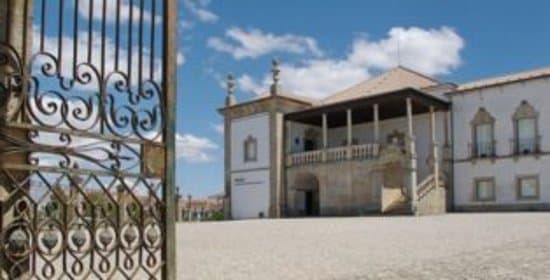
Discover Castelo Branco's heritage: from 16th-century archaeology to exquisite embroidery, housed in a former bishop's palace.
Highlights
Must-see attractions

Social
From TikTok & Reddit
Best Time
Fewer crowds, more relaxed
Museu Francisco Tavares Proença Júnior
Best Time
Fewer crowds, more relaxed
Highlights
Must-see attractions
Discover Castelo Branco's heritage: from 16th-century archaeology to exquisite embroidery, housed in a former bishop's palace.
"A wonderful and very interesting museum with a warm welcome from attentive staff."
🤝 Chat with Staff
The staff are incredibly friendly and happy to share insights about the museum's collections.
💰 Student/Senior Discount
Bring your ID for reduced entry fees, making your visit even more affordable.
Quick Facts
Hours
Rating
4.3 · 203 reviews
Type
Museum
Highlights
Discover the most iconic attractions and experiences
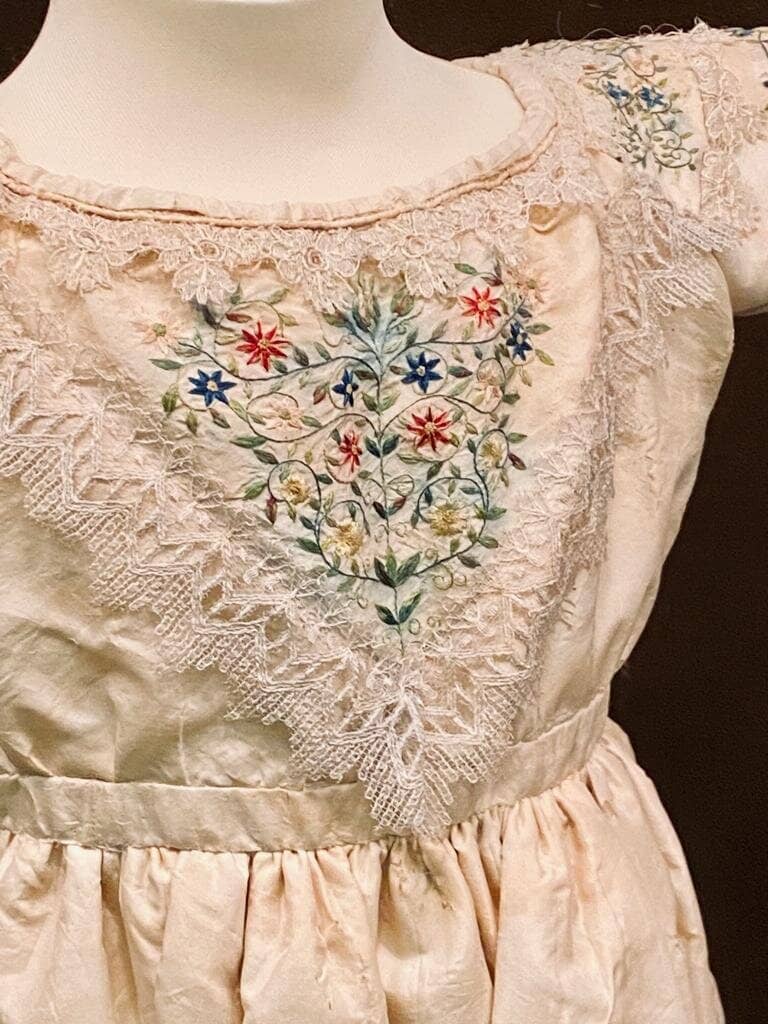
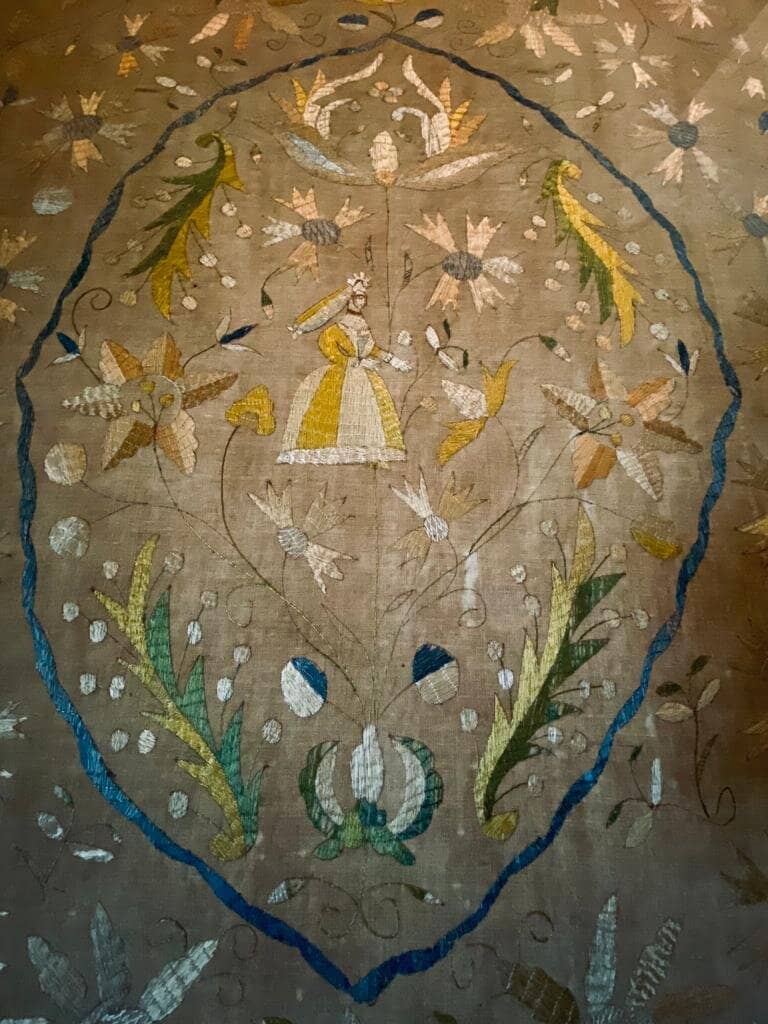
Castelo Branco Embroidery
Textile Art Section
Marvel at intricate carpets, dresses, and artifacts showcasing the famed embroidery of Castelo Branco, a centuries-old tradition.
Archaeological Excavations
First Exhibition Hall
Explore artifacts from excavations dating back to the 16th century, offering a deep dive into the region's past.

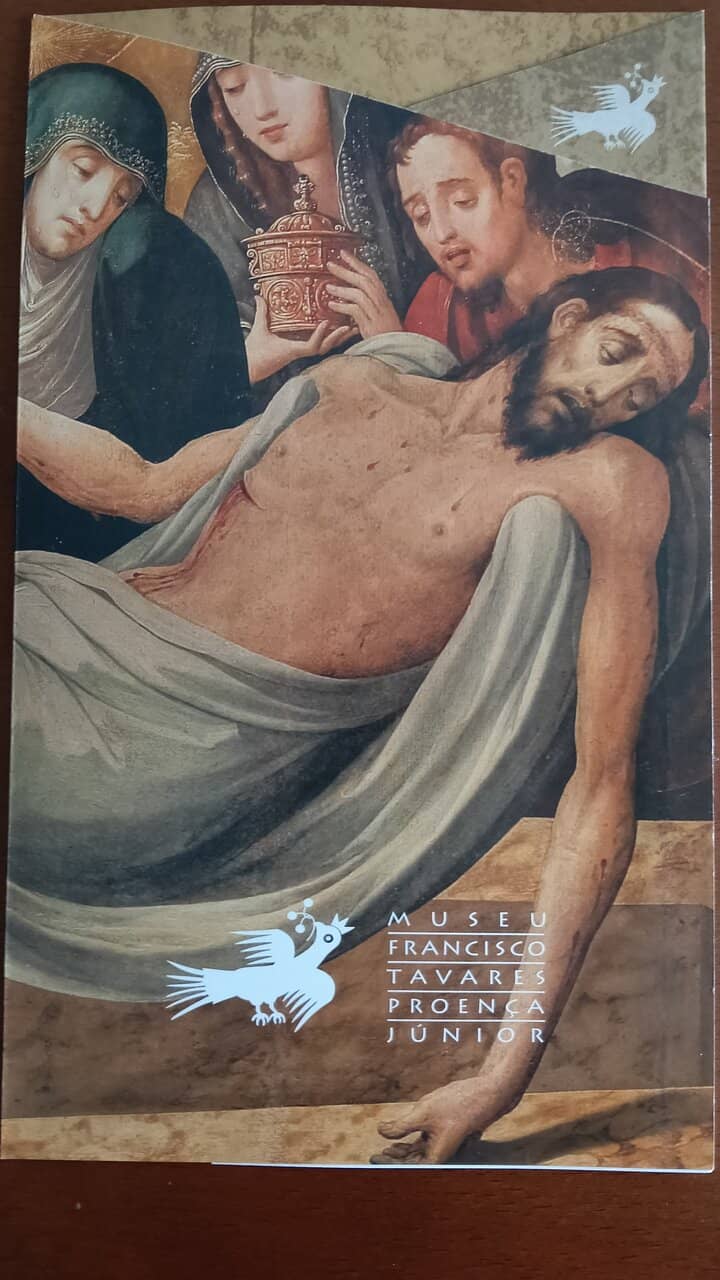
Sacred Art Collection
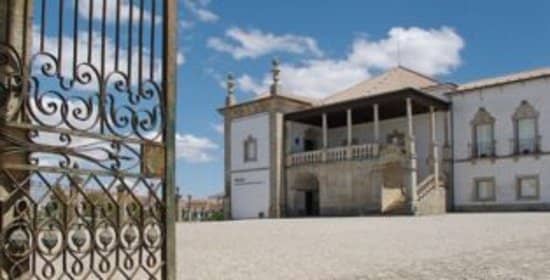
Former Bishop's Residence Rooms
Admire paintings with religious themes and portraits of bishops within the elegant rooms of the former episcopal palace.
18th Century Strongbox
Display Area
See an imposing iron strongbox from the 18th century, once used to safeguard collected taxes.
Plans like a pro.
Thinks like you
Planning Your Visit
Plan Your Visit to Proença Júnior Museum
Affordable Entry & Special Exhibits
Best Times
Insider Tips
from TikTok, Instagram & Reddit
🤝 Chat with Staff
The staff are incredibly friendly and happy to share insights about the museum's collections.
💰 Student/Senior Discount
Bring your ID for reduced entry fees, making your visit even more affordable.
🚶♀️ Explore the Garden
Don't miss the connected Garden of the Episcopal Palace for a peaceful stroll.
📸 Capture the Details
The intricate embroidery and historical artifacts are perfect for photography.

Tips
from all over the internet
🤝 Chat with Staff
The staff are incredibly friendly and happy to share insights about the museum's collections.
💰 Student/Senior Discount
Bring your ID for reduced entry fees, making your visit even more affordable.
🚶♀️ Explore the Garden
Don't miss the connected Garden of the Episcopal Palace for a peaceful stroll.
📸 Capture the Details
The intricate embroidery and historical artifacts are perfect for photography.
What Travellers Say
Reviews Summary
Visitors consistently praise the Museu Francisco Tavares Proença Júnior for its rich collection, particularly the exquisite Castelo Branco embroidery and fascinating archaeological artifacts. The friendly and knowledgeable staff are frequently highlighted for enhancing the visitor experience. While the museum is smaller, its historical significance and affordability make it a highly recommended stop in Castelo Branco.
"The museum used to be the residence of the bishops in the 18th century and is connected to the Garden of the Episcopal Palace. The first part of the museum exhibits the archeological excavations which dates back to the 16th century. The rest of the exhibition is mainly dedicated to the examples of embroidery created in Castelo Branco, including carpets, dresses and other types of artifacts. In a few of the rooms there are paintings with religious themes as well as the portraits of bishops. The staff were super friendly and would gladly explain any question about the museum, if asked.
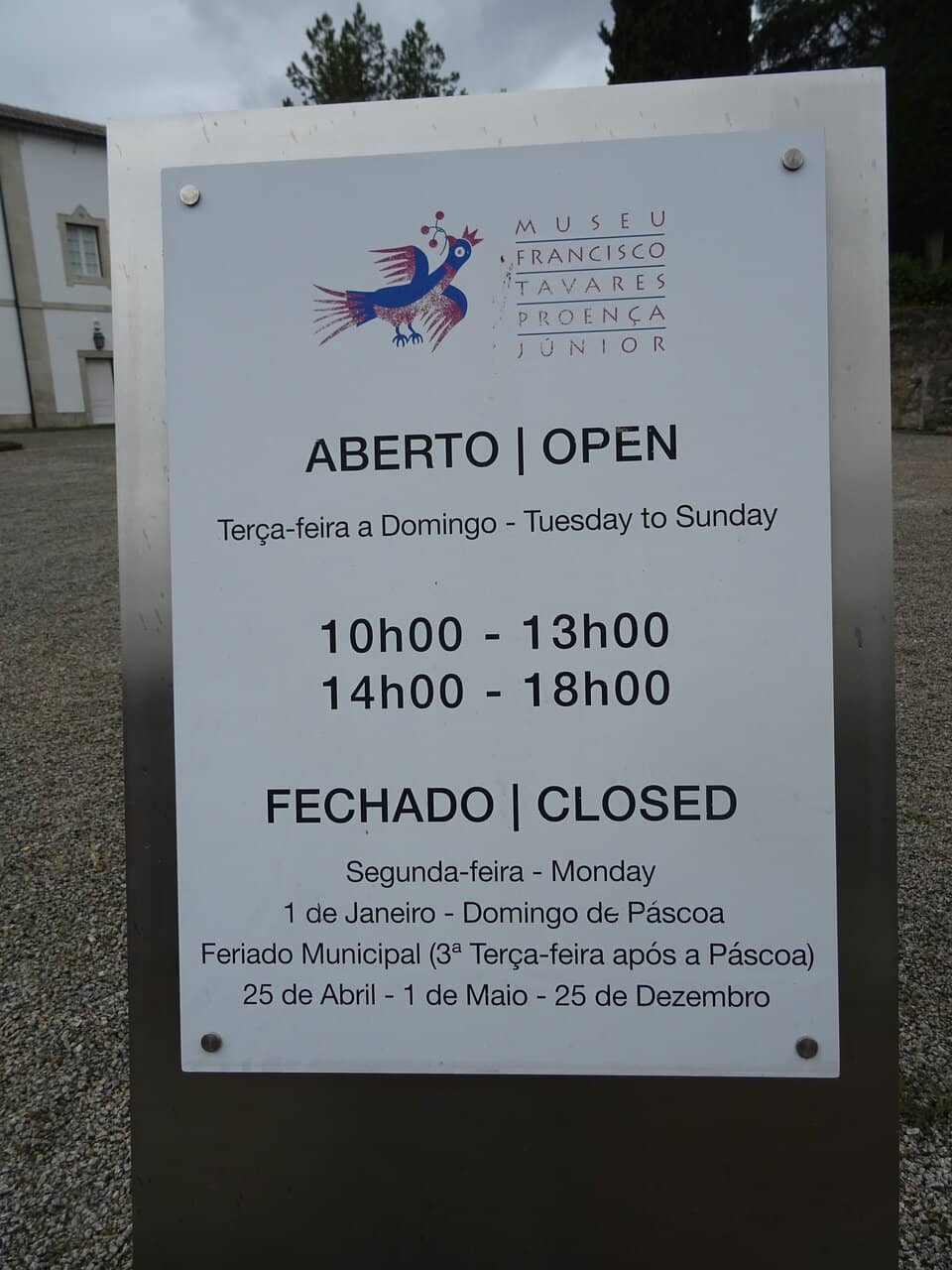
Opening time: Tuesday to Sunday from 10:00 am to 1:00 pm and from 2:00 pm to 6:00 pm. Entrance: €3, and for students and seniors €1.5"
Maryam Klidsar
"Very informative and a good chat with the two staff members 👍"
hugh knight
"Museu que se baseia na coleção arqueológica reunida por Francisco Tavares de Proença. Este homem, que nasceu no século XIX e morreu precocemente aos 33 anos na Suíça, pertencia a uma família importante que possuía uma grande propriedade em Castelo Branco.
Este museu também possui arte sacra - está instalado em um palácio que foi residência de bispos (palácio episcopal) - além de arte têxtil, nomeadamente as famosas colchas de Castelo Branco (do século XVIII e XIX).
Destaca-se, ainda, um imponente cofre de ferro do século XVIII, onde eram guardados os impostos cobrados.
Vale bem a pena a sua visita ."
Jorge Garcia (JG)
What People Like
What People Dislike
Frequently Asked Questions
🚇 🗺️ Getting There
The museum is located in Castelo Branco, Portugal. It's easily accessible within the city center, often reachable by local buses or a short walk from other attractions. Parking might be available nearby, but checking local options is recommended.
Yes, the Museu Francisco Tavares Proença Júnior is centrally located and can be easily reached on foot from many points in Castelo Branco's city center.
While specific bus routes can vary, Castelo Branco has a public transport system that likely serves the area around the museum. It's advisable to check local transit schedules upon arrival.
If driving, navigate towards the city center of Castelo Branco. Look for public parking areas near the Episcopal Palace or the museum itself.
Information on accessibility can vary. It's recommended to contact the museum directly to inquire about ramps, elevators, and accessible restrooms.
🎫 🎫 Tickets & Entry
The museum is open Tuesday to Sunday, from 10:00 AM to 1:00 PM and 2:00 PM to 6:00 PM. It is closed on Mondays.
General admission is €3. Students and seniors receive a discounted rate of €1.50. Children under 12 often enter for free.
Yes, discounts are available for students and seniors. Children under 12 typically have free admission.
Tickets are usually purchased at the museum upon arrival. Advance booking is generally not required unless for specific group tours or special events.
Weekday afternoons tend to be less crowded than weekend mornings, offering a more relaxed viewing experience.
🎫 🏛️ Onsite Experience
Highlights include the Castelo Branco embroidery collection, archaeological finds from the 16th century, sacred art, and portraits of bishops.
While official guided tours might not be consistently offered, the friendly staff are very knowledgeable and happy to answer questions, providing an informal guided experience.
Photography is generally permitted for personal use, but it's always best to check for any specific restrictions on flash photography or certain exhibits.
The embroidery showcases the traditional craft of Castelo Branco, featuring intricate designs on carpets, clothing, and other textiles, often from the 18th and 19th centuries.
Children might find the historical artifacts and colorful textiles engaging. The connected garden also offers a space for them to explore.
🍽️ 🍽️ Food & Dining
The museum itself does not typically have a restaurant or cafe. However, there are numerous dining options available in the surrounding city center of Castelo Branco.
You can find traditional Portuguese cuisine, including local specialties, in the restaurants and cafes located within walking distance of the museum.
Yes, the area around the museum is well-served by cafes where you can enjoy coffee, pastries, or light snacks.
It's generally not permitted to consume food or drinks inside museum exhibition halls to preserve the artifacts.
Explore the streets near the museum for a variety of restaurants offering local dishes. Ask the museum staff for recommendations.
📸 📸 Photography
The intricate details of the Castelo Branco embroidery, the historical artifacts, and the architectural elements of the former bishop's palace offer excellent photo opportunities.
While general photography is usually allowed, flash photography is often prohibited to protect delicate exhibits. Always check for signage.
The vibrant colors and detailed patterns of the embroidered textiles, as well as the religious paintings, are highly photogenic.
Yes, the exterior of the former bishop's residence and its connection to the garden provide picturesque views for photography.
A camera with good low-light performance and macro capabilities would be ideal for capturing the fine details of the embroidery and artifacts.
Social
from TikTok, Instagram & Reddit