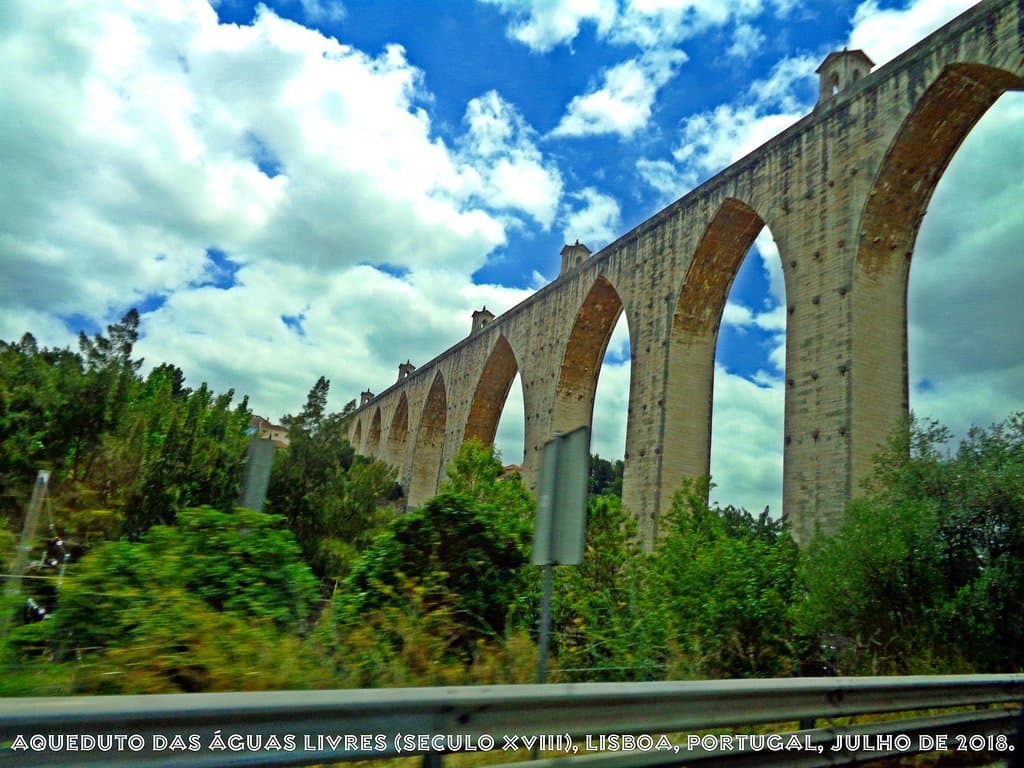
Águas Livres Aqueduct Lisbon
Walk across history on Lisbon's majestic 18th-century aqueduct, offering stunning views and a unique perspective on the city's past.

Highlights
Must-see attractions

Social
From TikTok & Reddit
Best Time
Fewer crowds, better photos
Águas Livres Aqueduct Lisbon
Best Time
Fewer crowds, better photos
Highlights
Must-see attractions
Walk across history on Lisbon's majestic 18th-century aqueduct, offering stunning views and a unique perspective on the city's past.
"An underrated landmark where you can walk on history and enjoy breathtaking views of Lisbon."

🎟️ Book Tickets Online
Purchase tickets via QR code or online to save time and guarantee entry. Prices are affordable, with discounts for seniors and students.
🚲 Bike the Aqueduct
Experience the aqueduct from a different perspective by cycling across it. A unique way to explore!
Quick Facts
Hours
Rating
4.5 · 4,124 reviews
Type
Tourist Attraction
Highlights
Discover the most iconic attractions and experiences
The Grand Arches
Alcântara Valley
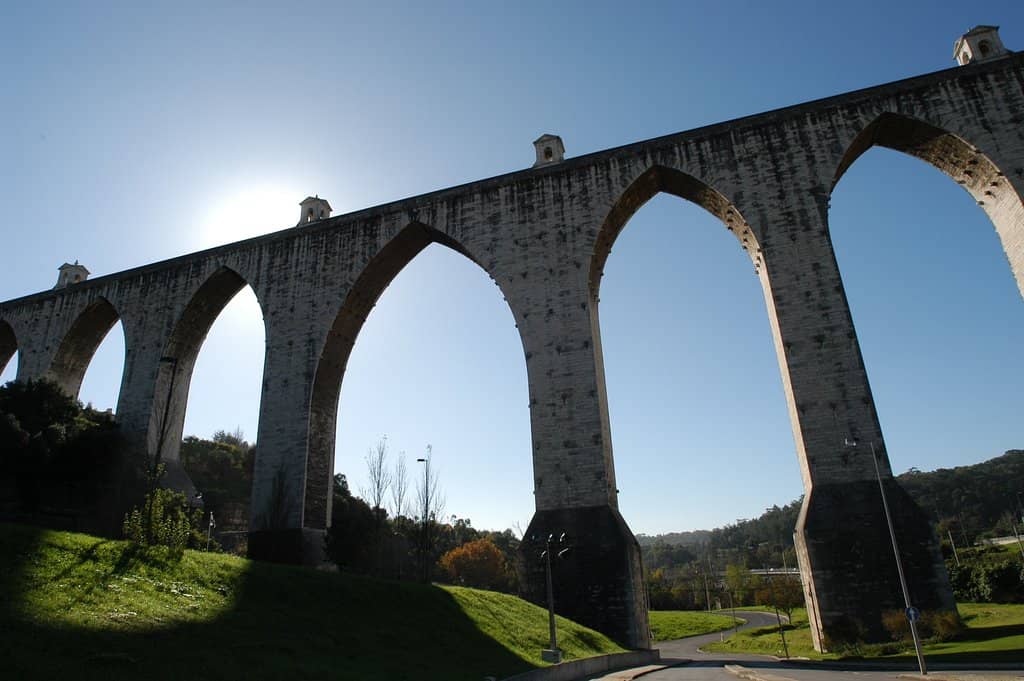
Marvel at the monumental 18th-century arches, a testament to Portuguese engineering, soaring over the valley.

Aqueduct Walkway
Top of the Aqueduct
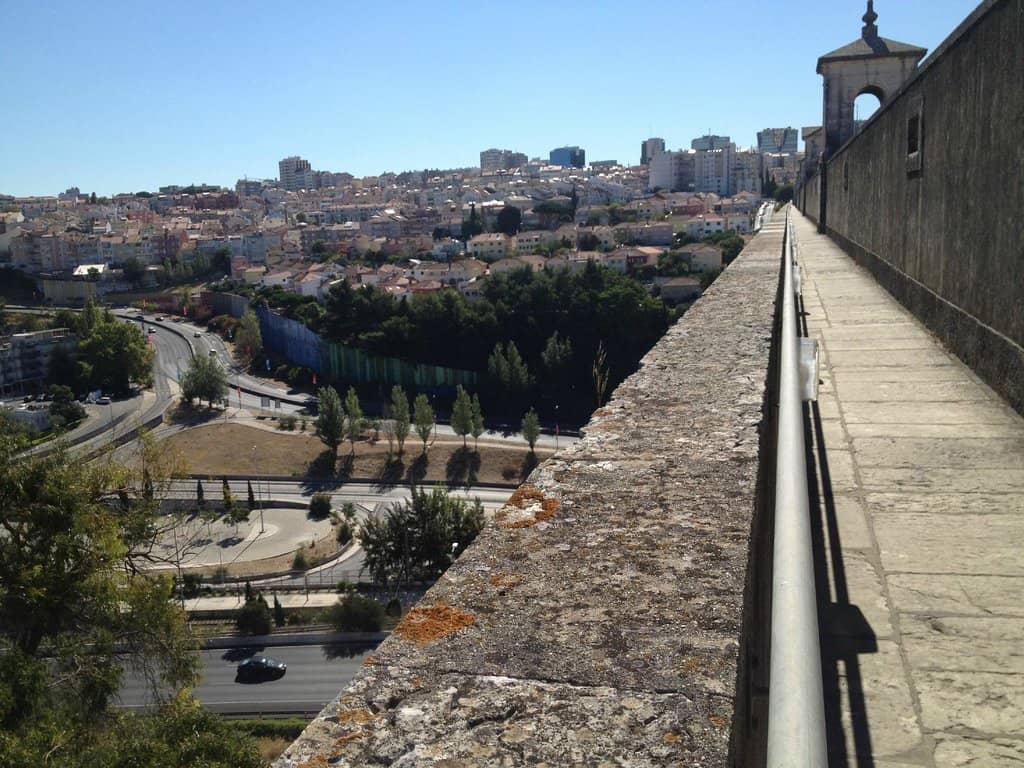
Stroll along the top of the aqueduct for panoramic city views and a unique historical perspective.
Museu da Água
Campolide
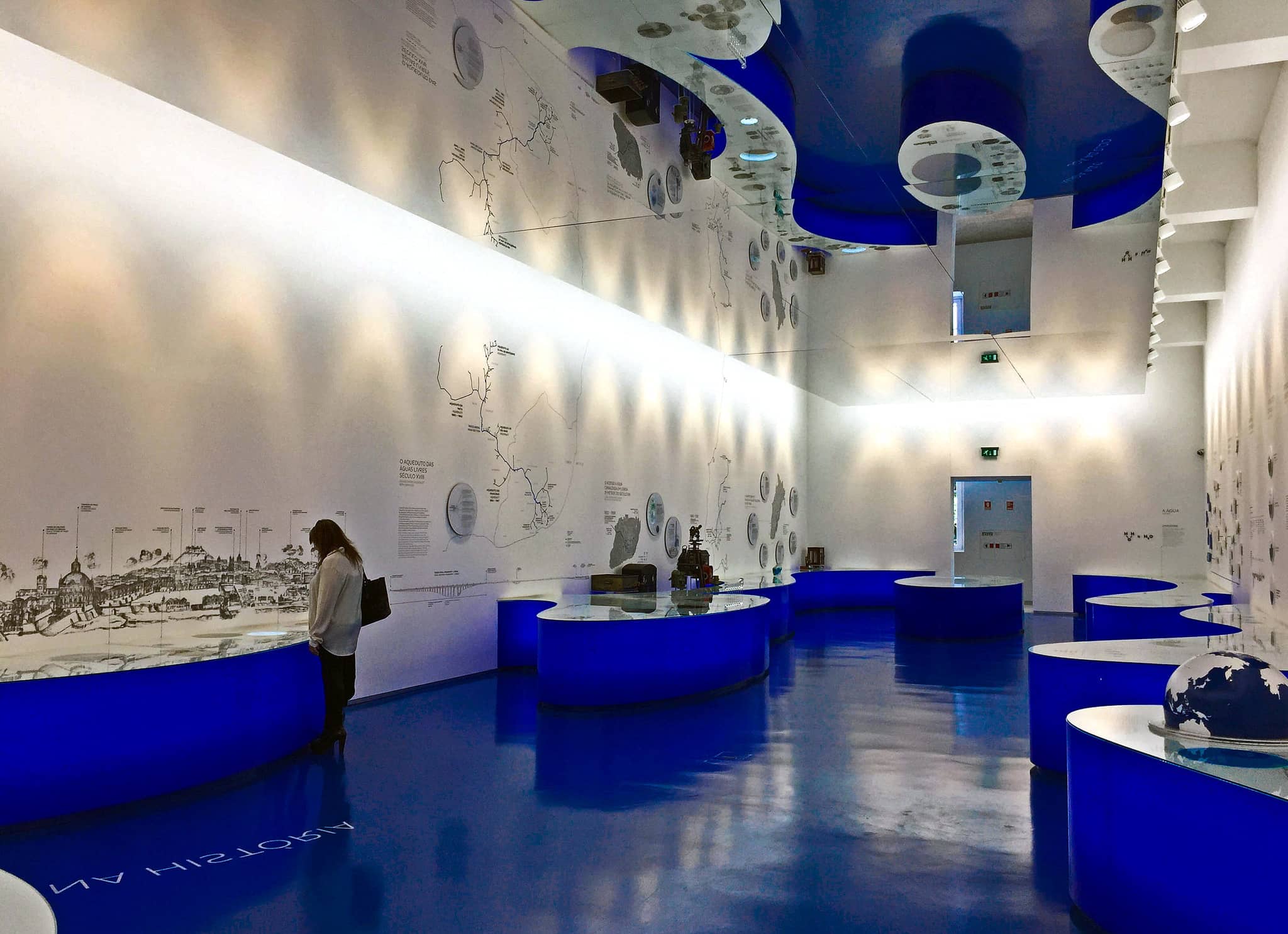
Discover the history of Lisbon's water supply and the aqueduct's construction at this fascinating museum.
Plans like a pro.
Thinks like you
Planning Your Visit
Walk on History
Beyond the Main Arches
Best Times
Insider Tips
from TikTok, Instagram & Reddit
🎟️ Book Tickets Online
Purchase tickets via QR code or online to save time and guarantee entry. Prices are affordable, with discounts for seniors and students.
🚲 Bike the Aqueduct
Experience the aqueduct from a different perspective by cycling across it. A unique way to explore!
👟 Wear Comfortable Shoes
You'll be doing a lot of walking, so comfortable footwear is essential for exploring the aqueduct and surrounding areas.
💧 Explore the Water Museum
Don't miss the Museu da Água for a deeper dive into the aqueduct's history and Lisbon's water systems.
Tips
from all over the internet
🎟️ Book Tickets Online
Purchase tickets via QR code or online to save time and guarantee entry. Prices are affordable, with discounts for seniors and students.
🚲 Bike the Aqueduct
Experience the aqueduct from a different perspective by cycling across it. A unique way to explore!
👟 Wear Comfortable Shoes
You'll be doing a lot of walking, so comfortable footwear is essential for exploring the aqueduct and surrounding areas.
💧 Explore the Water Museum
Don't miss the Museu da Água for a deeper dive into the aqueduct's history and Lisbon's water systems.
🗺️ Discover Hidden Fountains
Venture to Caneças to see the Piçarras fountain, one of the sources that fed the aqueduct.
What Travellers Say
Reviews Summary
Visitors rave about the Águas Livres Aqueduct as an underrated gem offering stunning views and a unique historical experience. The affordability and the opportunity to walk or cycle across the structure are frequently highlighted positives. Some visitors note that accessibility can be a consideration, and clear signage could be improved in certain areas.
"Fabulous aqueduct constructed by the Romans with great views of the city from the top. There is a museum with information of the history of the duct, as well as allowing access to marvel the view. It wasn't busy at the time of visit but that's probably something to do with being off-season.
Nearby public transport is available but beware, the walk does require a bit of climbing steep hills, and there are no direct lifts to take you there. There is however a road accessibility so driving, taking a cab or using the bus is an option for those who don't wish to take a hike."
Tajul Islam
"⭐️⭐️⭐️⭐️⭐️
We’ve passed under the Águas Livres Aqueduct many times while driving through Lisbon, and it never loses its impact. The soaring arches across the Alcântara Valley are both beautiful and impressive, a reminder of how advanced 18th-century engineering really was. It feels like history towering over modern life as cars zip underneath. Even if you only see it while driving, it’s one of those landmarks that makes Lisbon unforgettable."
David Stejkowski
"Great place to visit on a sunny day. Mind blowing that this was built in the 18th century. You can walk on both sides of the aqueduct enjoying the view. Not sure why, but the entrance was free today."
Lech Migdal
What People Like
What People Dislike
Frequently Asked Questions
🚇 🗺️ Getting There
The aqueduct is accessible via public transport. Buses are a common option, and some visitors opt for a scenic bike ride to reach it. Consider using ride-sharing services for convenience.
While it's a prominent structure, the main access points might require a short walk from public transport stops. Using a map app is recommended.
The closest metro stations are typically a bit of a walk away, so buses or other transport methods are often more direct for reaching the aqueduct itself.
Parking can be limited in the areas surrounding the aqueduct, especially during peak times. Public transport or ride-sharing is generally advised.
Many visitors enjoy approaching from the ground level to capture the scale of the arches before heading up. The Campolide valley offers great vantage points.
🎫 🎫 Tickets & Entry
General admission is around 4€, with reduced prices of 2€ for seniors and students. A Lisboa Card offers a 20% discount.
Tickets can be purchased online in advance or on-site via a QR code. They will be emailed to you after purchase.
The aqueduct is typically open Monday to Saturday from 10 AM to 6 PM, with the last entry at 5:30 PM. Always check for any seasonal changes.
While booking online is recommended, specific time slot requirements can vary. It's best to check the official ticketing information when purchasing.
Accessibility can vary along the entire structure. Some sections might be more challenging. It's advisable to inquire about specific accessibility details beforehand.
🎫 🧭 Onsite Experience
You can walk or bike across the top of the aqueduct, enjoy panoramic views of Lisbon, and visit the adjacent Museu da Água to learn about its history. 
A walk across the top can take about 30-60 minutes, depending on your pace and how long you stop for photos. Visiting the museum adds more time.
Information on guided tours can be limited. Many visitors explore independently, using signage and online resources to learn about the aqueduct's history.
Walking on top offers a unique perspective, but viewing it from the ground, especially the large arches in the Alcântara Valley, is also breathtaking.
The walkway is generally safe, but it's important to stay within designated areas and be mindful of your surroundings, especially if cycling.
📸 📸 Photography
The top walkway offers stunning cityscapes. From the ground, the massive arches of the Alcântara Valley provide dramatic shots. Look for unique angles from nearby viewpoints.
Late afternoon during the golden hour provides beautiful light for photography. Early mornings can also be good for fewer crowds and softer light.
Drone usage is often restricted in urban areas and near historical sites. It's crucial to check local regulations before flying a drone.
Focus on the scale of the arches, the stonework, and the way the aqueduct integrates with the landscape. The unique larger arch is also a point of interest.
A wide-angle lens is great for capturing the scale of the aqueduct and the surrounding landscape. A telephoto lens can be useful for details.


Social
from TikTok, Instagram & Reddit