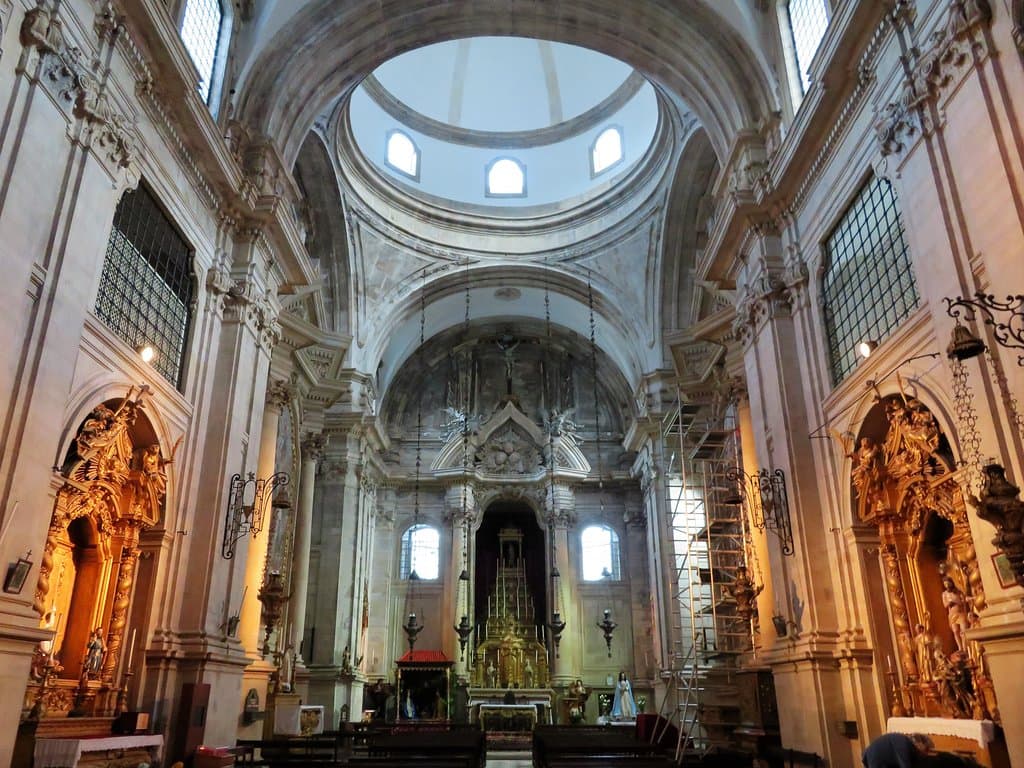
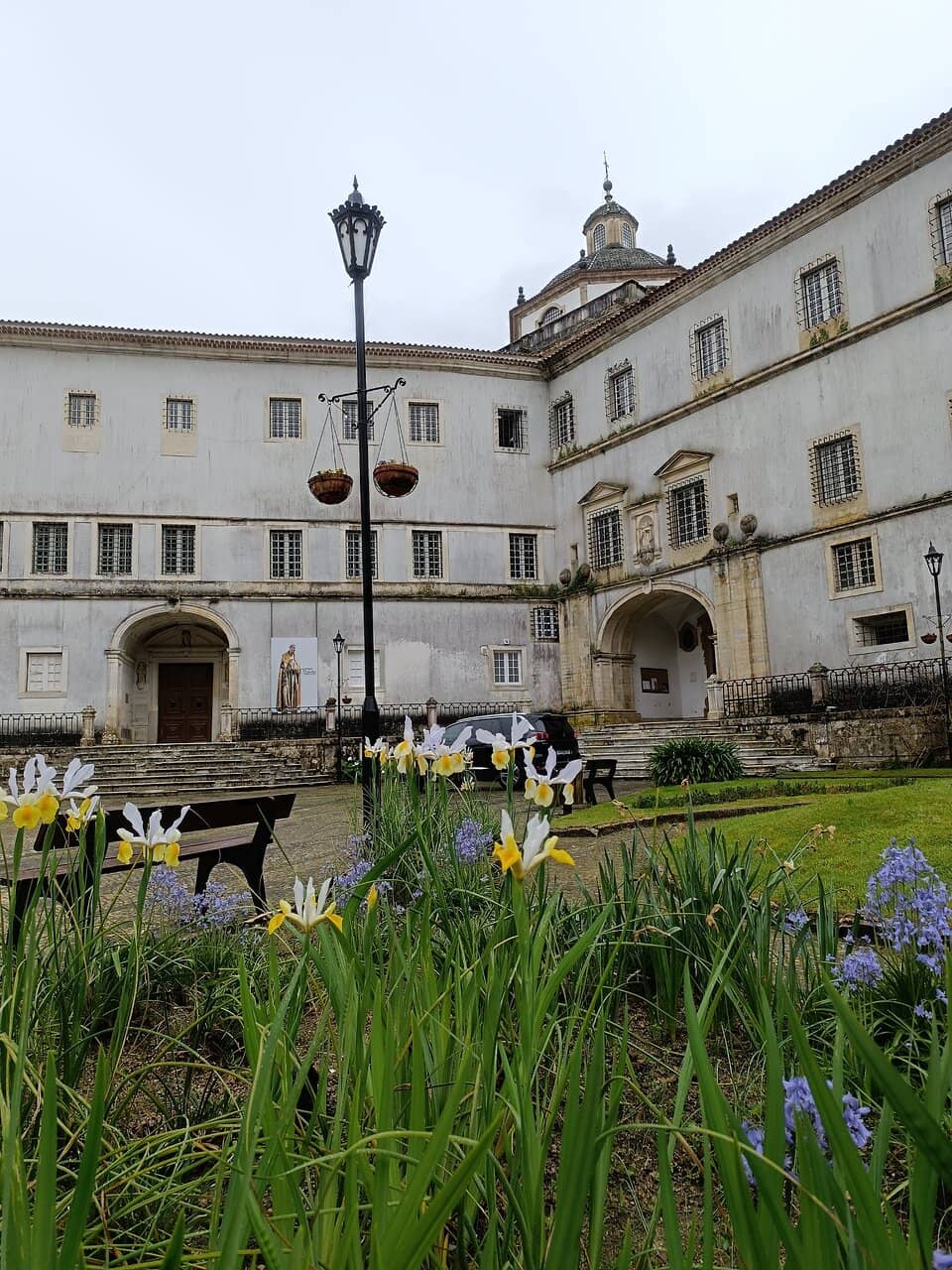
Lorvão Monastery
A historic Portuguese monastery boasting stunning architecture, a monumental organ, and serene cloisters. A journey through centuries of history.

Highlights
Must-see attractions

Social
From TikTok & Reddit
Best Time
Fewer crowds, peaceful atmosphere
Lorvão Monastery
Best Time
Fewer crowds, peaceful atmosphere
Highlights
Must-see attractions
A historic Portuguese monastery boasting stunning architecture, a monumental organ, and serene cloisters. A journey through centuries of history.
"Imponente e cheio de história, com um órgão monumental e uma igreja lindíssima."
Book Guided Tours
Essential for understanding history & accessing special areas. Check schedules online! :informationdeskperson:
Attend 'Doces Conventuais'
Experience traditional sweets and toothpick art demonstrations. A unique cultural treat! 🍪
Quick Facts
Rating
4.6 · 119 reviews
Type
Historical Landmark
Address
Highlights
Discover the most iconic attractions and experiences
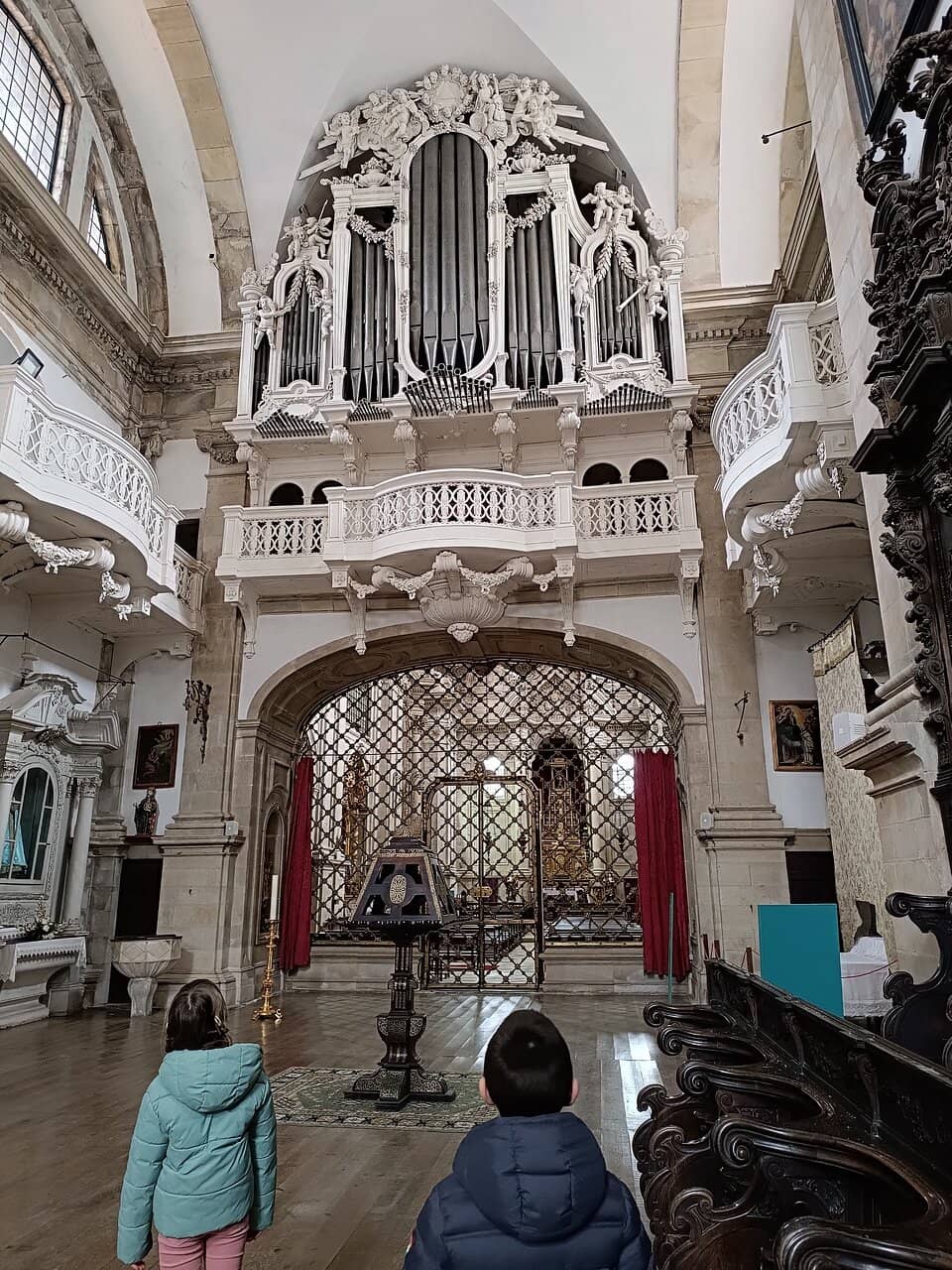
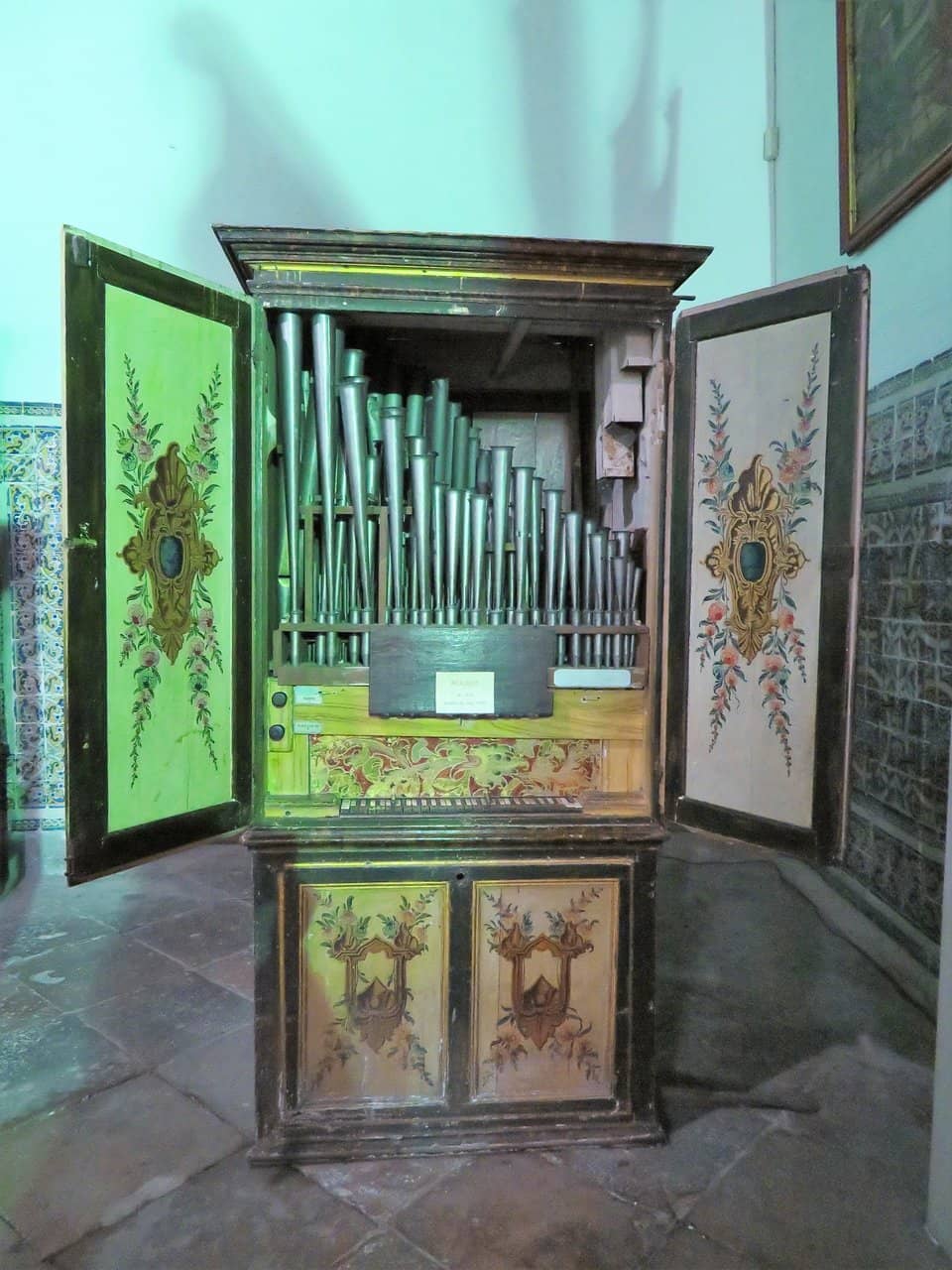
The Monumental Organ
Church
Experience the awe-inspiring sound and grandeur of this historic, monumental organ. A true auditory and visual spectacle.
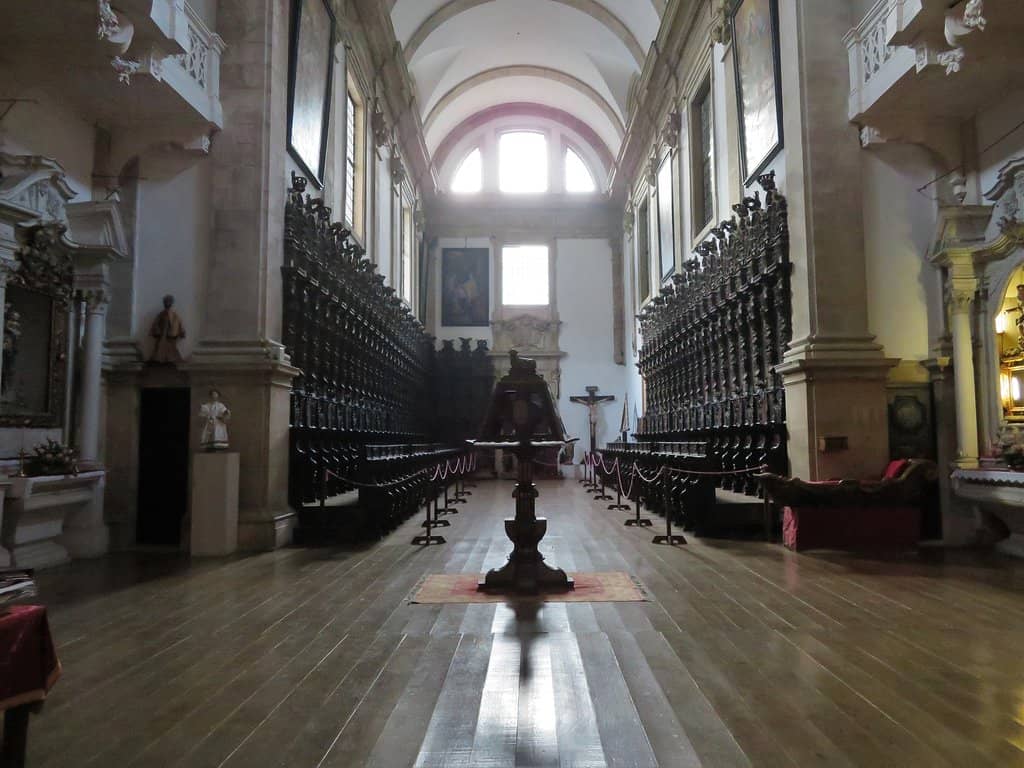
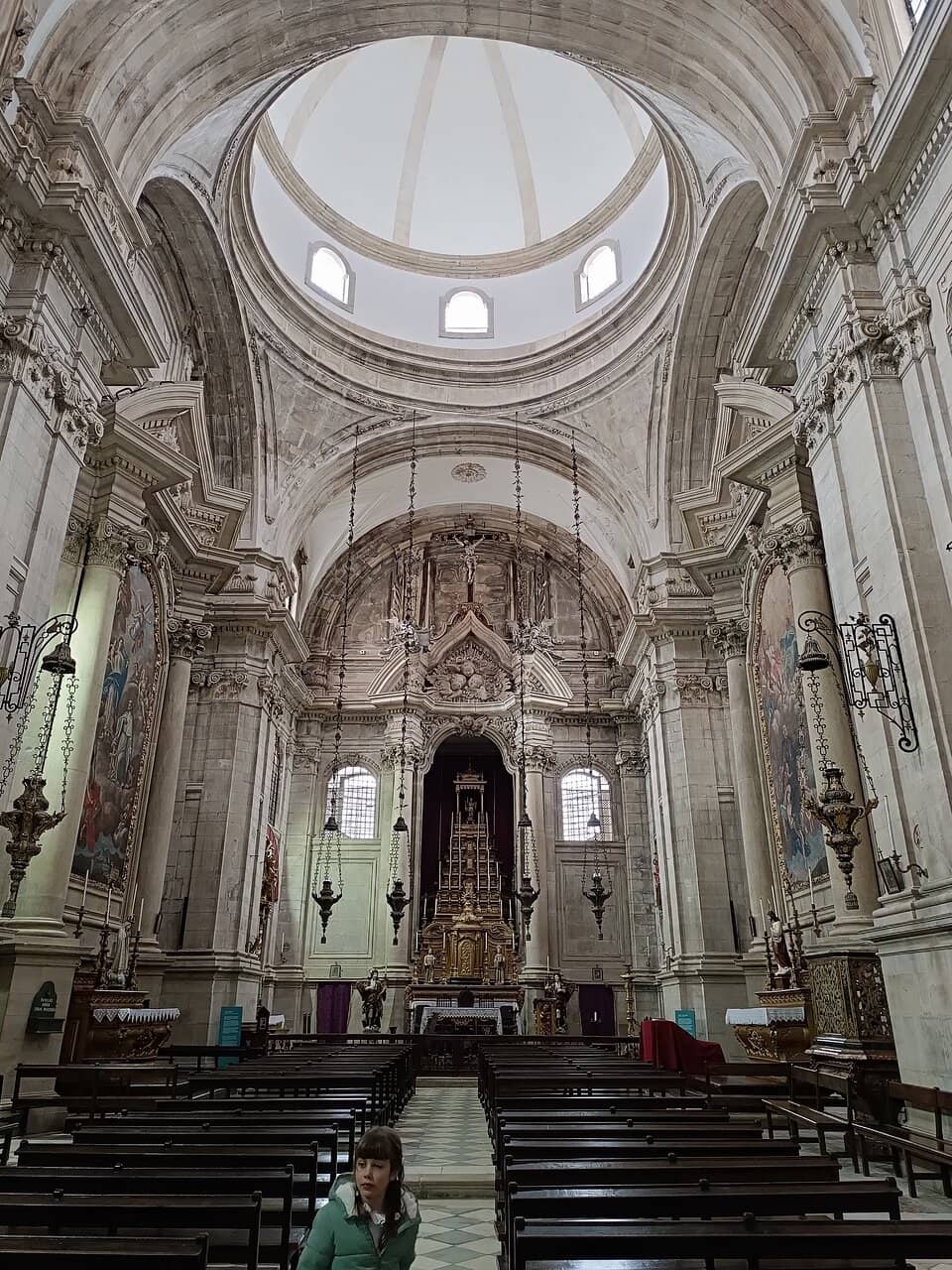
The Church Interior
Main Church
Marvel at the exquisite beauty and historical significance of the monastery's main church, a masterpiece of architecture.
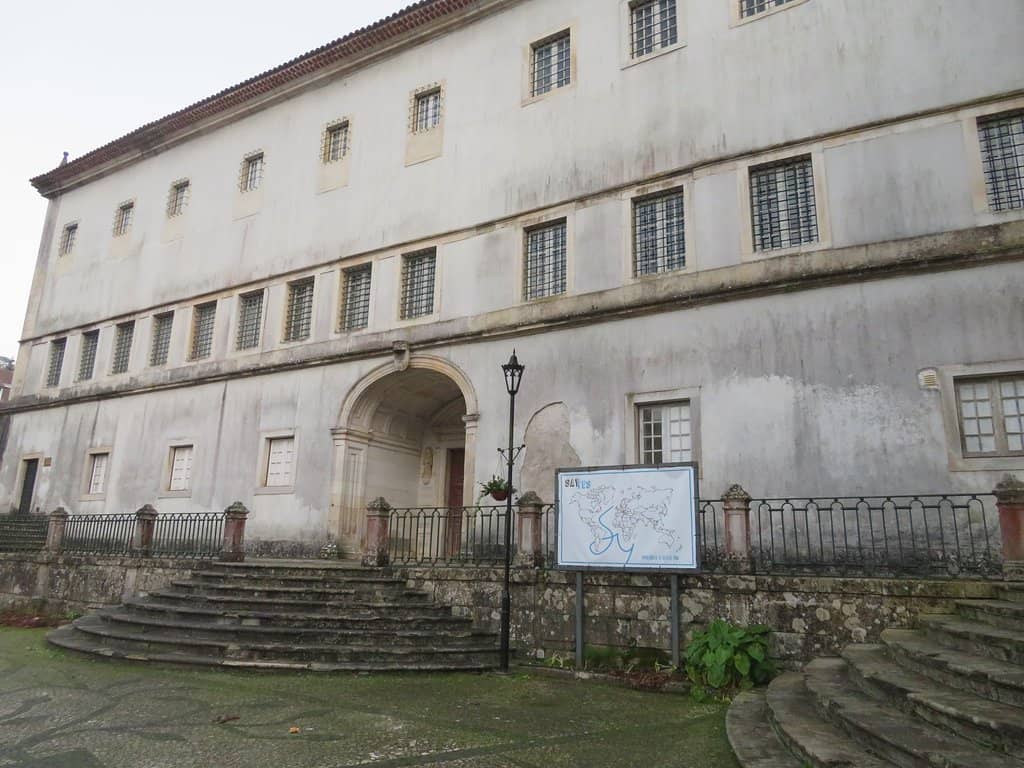
Cloisters and Gardens
Cloisters
Wander through peaceful cloisters and serene gardens, offering a tranquil escape and a glimpse into monastic life.
Historical Museum
Upper Floor
Explore a fascinating museum showcasing ancient artifacts and detailing the monastery's rich history and importance.
Plans like a pro.
Thinks like you
Planning Your Visit
Timing Your Visit
What to Expect
Best Times
Insider Tips
from TikTok, Instagram & Reddit
Book Guided Tours
Essential for understanding history & accessing special areas. Check schedules online! :informationdeskperson:
Attend 'Doces Conventuais'
Experience traditional sweets and toothpick art demonstrations. A unique cultural treat! 🍪
Wear Comfortable Shoes
You'll be doing a lot of walking to explore the church, museum, and cloisters. :athletic_shoe:
Check Accessibility
The monastery is accessible for wheelchairs, with an elevator to the upper museum floor. ♿
Advice for monastery quests
Hi everyone, I'm a real fan of KCD, and have started on a second playthrough last weeks. Everything went fine, up until the moment I was preparing for the monastery storyline. I have some bad memories from the last time i had to do that mission chain, because in my opinion it…
Tips
from all over the internet
Book Guided Tours
Essential for understanding history & accessing special areas. Check schedules online! :informationdeskperson:
Attend 'Doces Conventuais'
Experience traditional sweets and toothpick art demonstrations. A unique cultural treat! 🍪
Wear Comfortable Shoes
You'll be doing a lot of walking to explore the church, museum, and cloisters. :athletic_shoe:
Check Accessibility
The monastery is accessible for wheelchairs, with an elevator to the upper museum floor. ♿
What Travellers Say
Reviews Summary
Visitors consistently praise Lorvão Monastery for its historical significance, stunning architecture, and peaceful atmosphere. The monumental organ and beautiful church are frequently highlighted, along with the informative guided tours. Some visitors note that while the site is accessible, navigating public transport can be a bit challenging.
"Interesting and historical site, worth a visit if you are in or around Coimbra."
Chester Draws
"So nice and very interesting. Super recommended to go there"
Ilaria Sorrenti
"You can visit the church, the cloister and a small museum that explains the history and importance of the monastery.
On a day of "doces conventuais" faia at the cloisters, there was also a demonstration of the art of making the famous Lorvão artistic toothpicks"
Jose Paulo Farinha
What People Like
What People Dislike
Frequently Asked Questions
🚇 🗺️ Getting There
Lorvão Monastery is located near Coimbra. You can reach it by car, which is the most convenient option, or by public transport. Buses run from Coimbra to nearby towns, requiring a short taxi or walk to the monastery. Planning your route in advance is recommended.
Yes, there is typically parking available for visitors at Lorvão Monastery, making it convenient for those arriving by car.
Opening hours can vary, so it's best to check the official website or contact the monastery directly before your visit. Generally, it's open during daylight hours on most days.
While possible, visiting Lorvão Monastery as a day trip from Lisbon is a long journey. It's more feasible if you are already in or near Coimbra.
Public transport options exist but might require transfers and some walking. Driving is generally more straightforward for reaching the monastery directly.
🎫 🎫 Tickets & Entry
Yes, there is an admission fee to visit Lorvão Monastery. Tickets grant access to the church, cloisters, and the museum.
Absolutely! Guided tours are highly recommended as they provide in-depth historical context and access to areas like the catacombs. Check the schedule for tour times.
Admission fees are generally reasonable. It's advisable to check the official website for the most current pricing information.
While walk-ins are often allowed, booking tickets or tours online in advance is a good idea, especially during peak season, to secure your spot.
No, Lorvão Monastery is not free to visit. There is an admission fee, but many visitors find it well worth the cost for the historical and architectural experience.
🎫 🏛️ Onsite Experience
Key attractions include the stunning church with its monumental organ, the peaceful cloisters, a historical museum with ancient artifacts, and beautiful gardens.
Yes, families can enjoy the historical aspects and the serene gardens. The museum offers educational insights, and the sheer scale of the architecture can be impressive for all ages.
Photography is generally permitted in most areas, but it's always good to check for any specific restrictions, especially inside the church or museum exhibits.

This event celebrates traditional convent sweets and often includes demonstrations of local crafts, like the art of making Lorvão artistic toothpicks. It's a unique cultural experience.
Yes, the monastery is accessible for wheelchairs, and there is an elevator to the upper floor where the museum is located.
🍽️ 🍽️ Food & Dining
There are typically no full-service restaurants within the monastery itself. However, you might find cafes or areas for light refreshments.
You'll find local restaurants and cafes in the nearby towns or villages surrounding the monastery, offering traditional Portuguese cuisine.
Picnicking might be allowed in designated garden areas, but it's best to confirm this with the staff upon arrival to respect the site.
The region offers delicious traditional Portuguese dishes, often featuring fresh seafood, hearty meats, and local pastries. Don't miss trying regional specialties.
While traditional Portuguese cuisine can be meat-heavy, many restaurants are increasingly offering vegetarian and vegan options. It's worth asking local eateries.
📸 📸 Photography
The church interior, the cloisters, the gardens, and the exterior architecture offer fantastic photo opportunities. Capture the details of the organ and the stained glass.
Photography is usually allowed in the museum, but flash photography might be restricted to protect the artifacts. Always look for signage.
Morning light can be beautiful for exterior shots, while late afternoon can offer softer light for interiors and cloisters.
Drone usage is typically prohibited at historical and religious sites to preserve their integrity and for safety reasons.
A versatile lens (like a 24-70mm) is great for interiors and exteriors. A wide-angle lens can capture the grandeur of the church.






Social
from TikTok, Instagram & Reddit