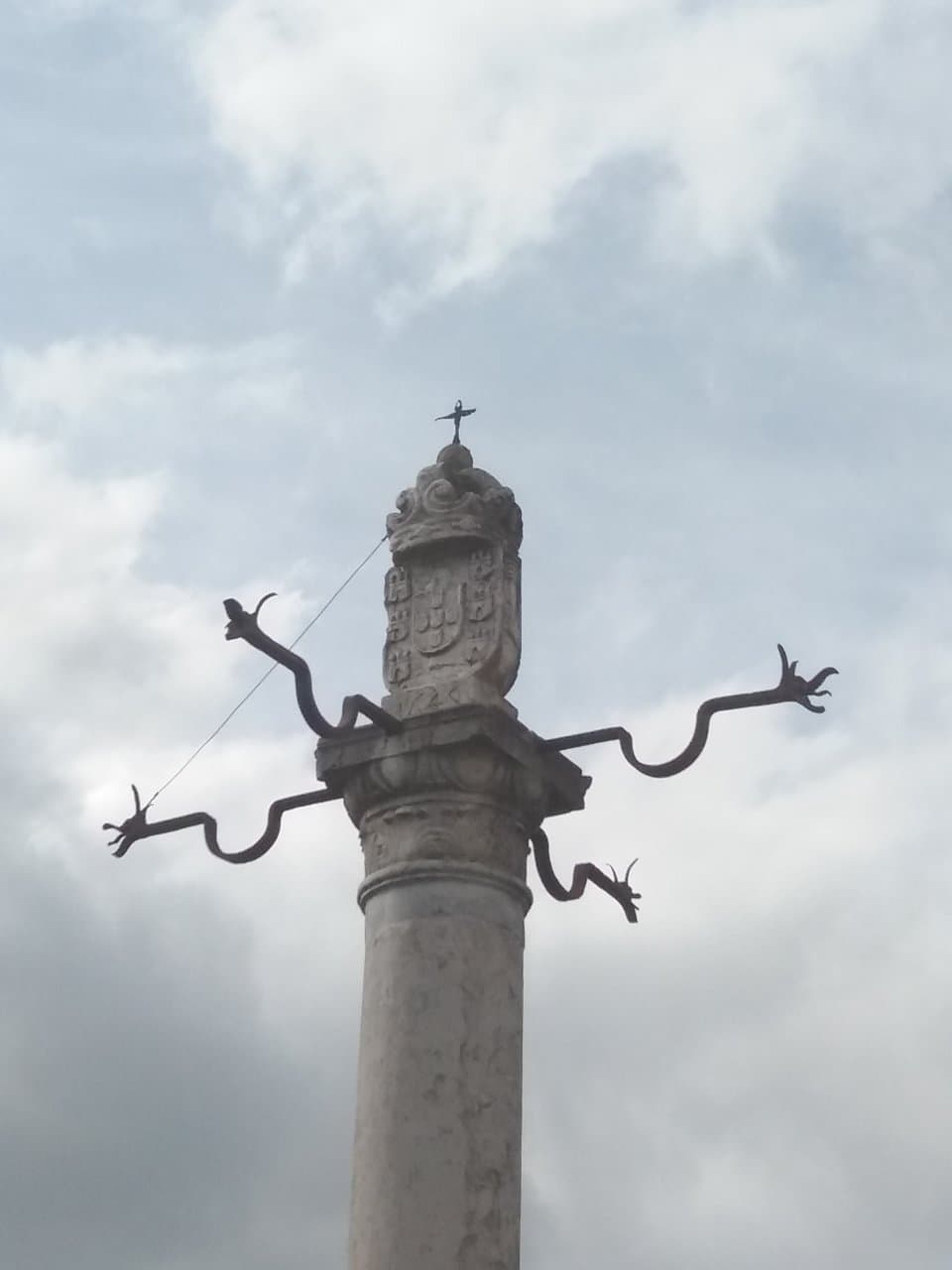
Pelourinho de Palmela
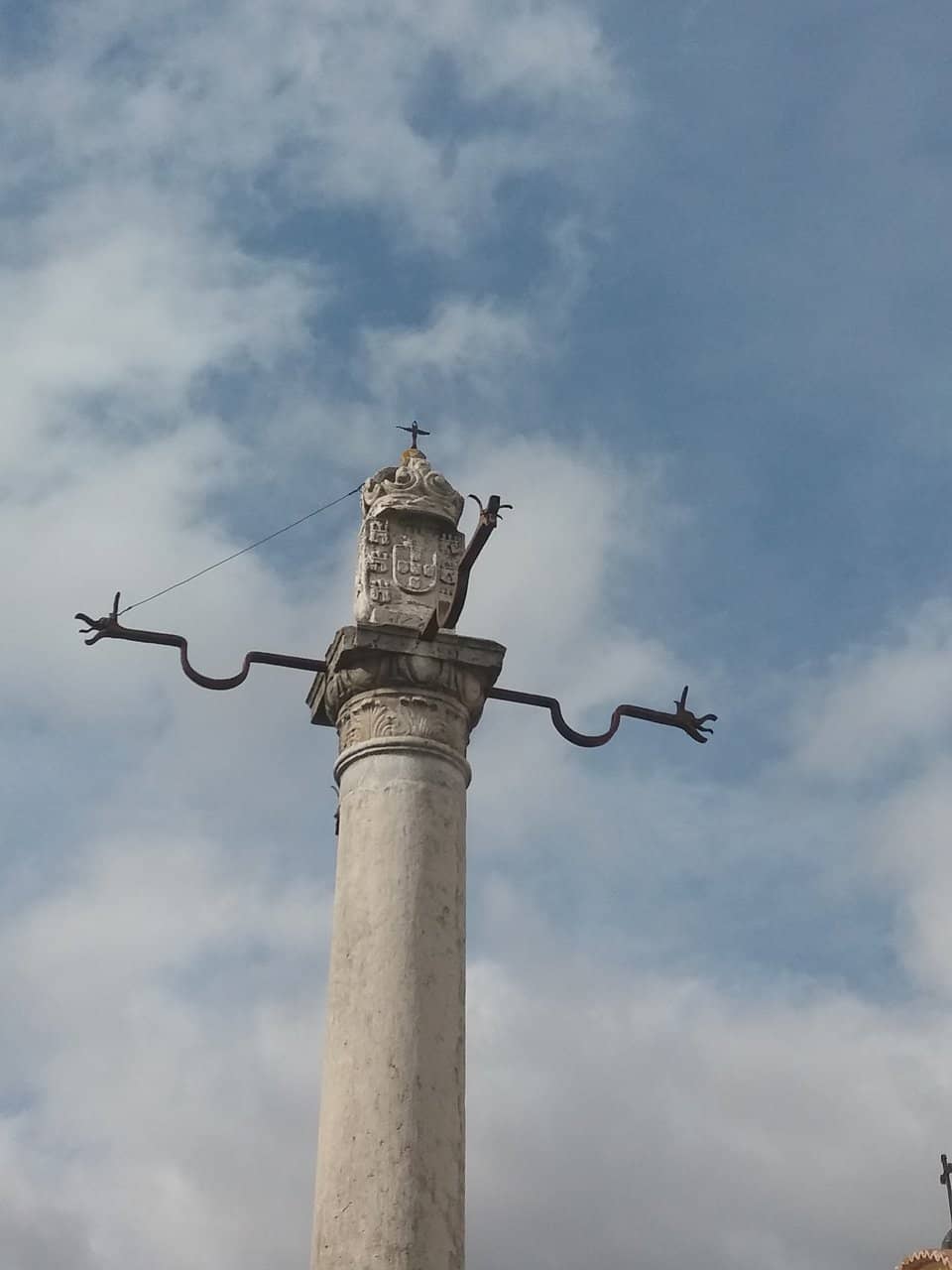
A 17th-century pillory in Palmela, featuring the royal arms of D. João IV, offering a glimpse into Portugal's historical judicial system.
Highlights
Must-see attractions

Social
From TikTok & Reddit
Best Time
Always accessible
Pelourinho de Palmela
Best Time
Always accessible
Highlights
Must-see attractions
A 17th-century pillory in Palmela, featuring the royal arms of D. João IV, offering a glimpse into Portugal's historical judicial system.
"Bom ponto histórico da cidade, vale a visita."
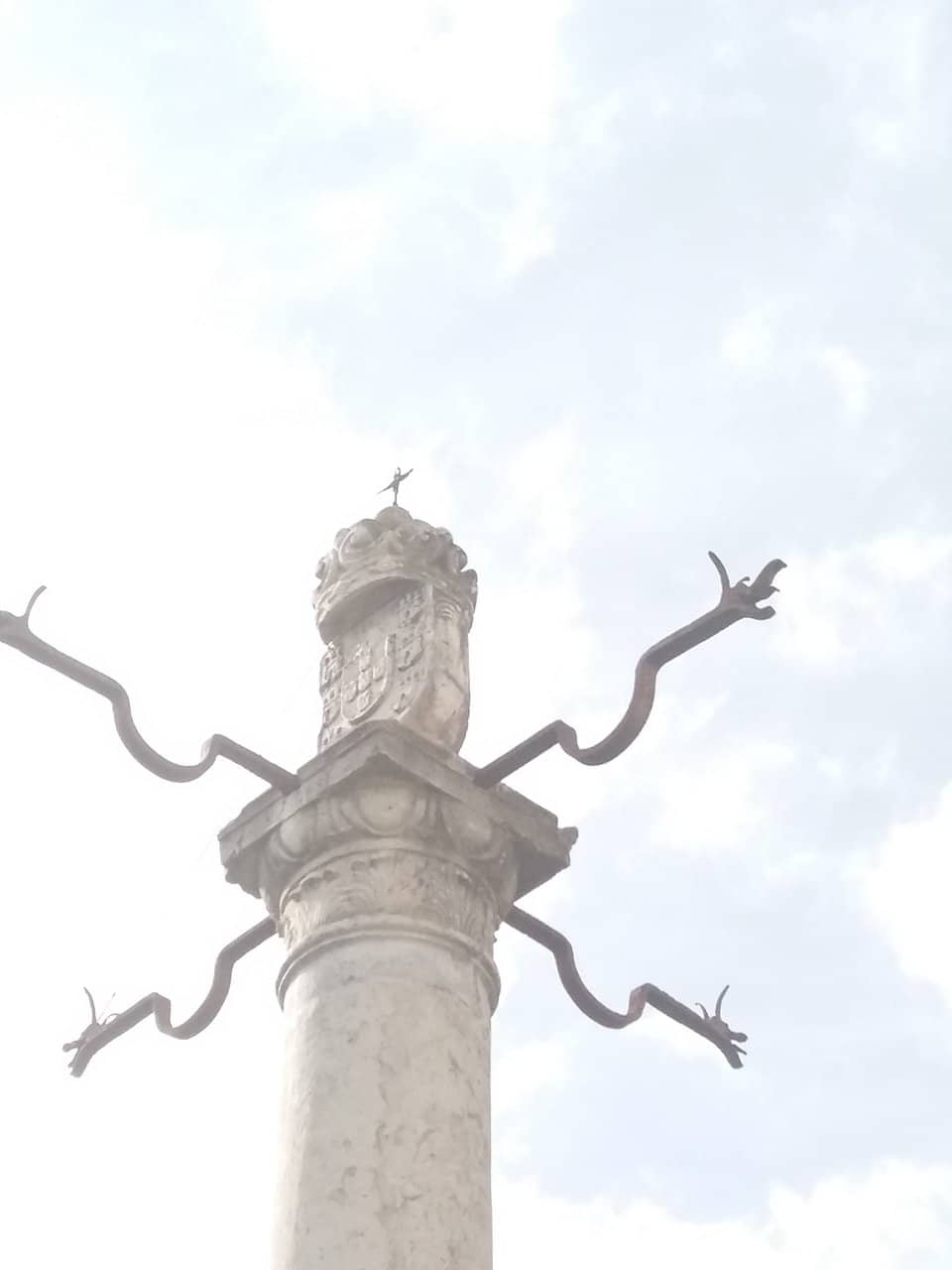
📸 Photo Opportunity
Capture the intricate details of the royal crest and the historic stone structure. A great spot for a quick photo.
🚶♂️ Easy to Find
Located centrally, it's a straightforward addition to your walk around Palmela's historic center.
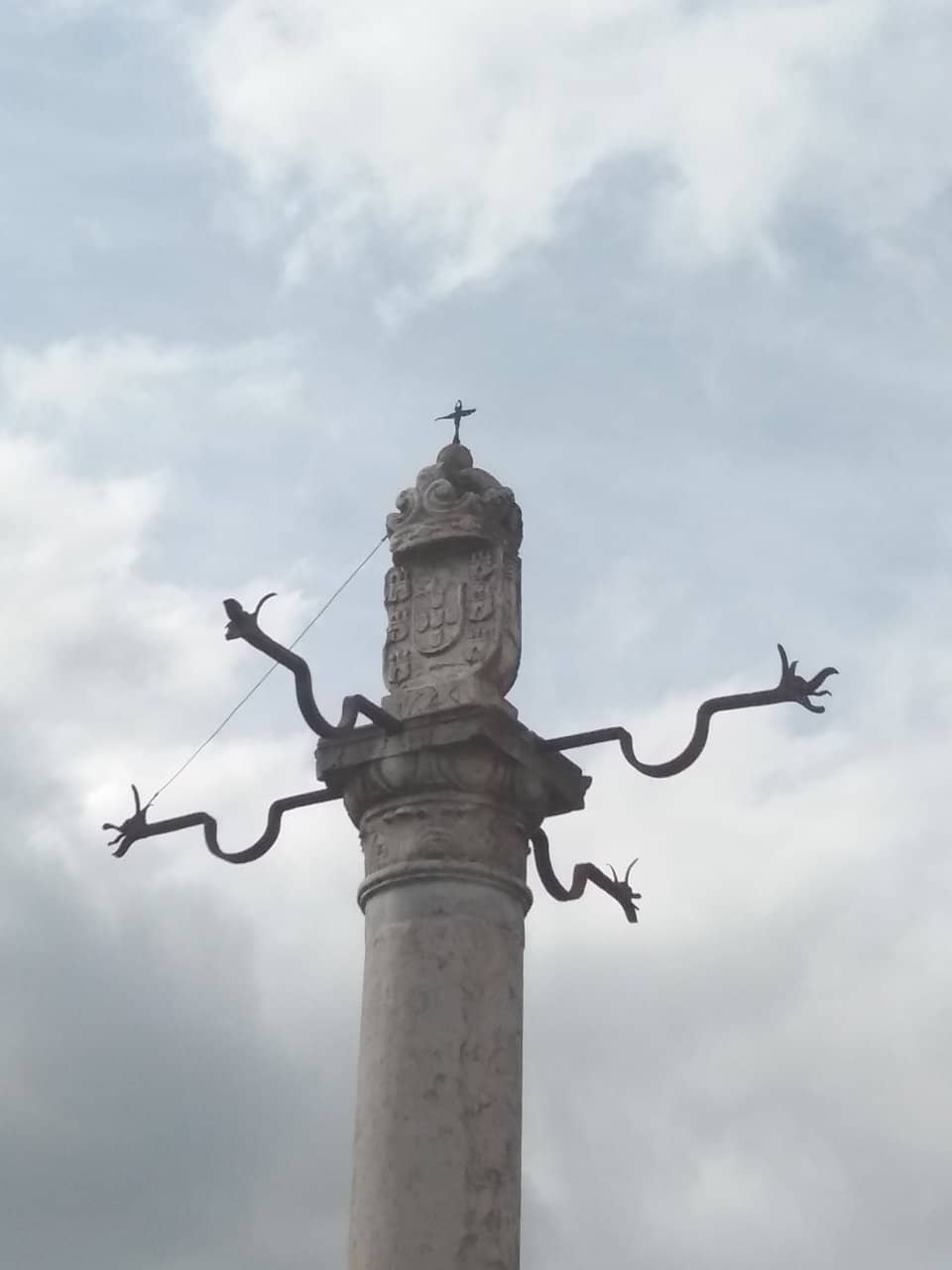
Quick Facts
Hours
Rating
4.3 · 3 reviews
Type
Historical Landmark
Highlights
Discover the most iconic attractions and experiences
Royal Arms of D. João IV
See the impressive royal crest of D. João IV, a symbol of its historical importance and royal patronage.
17th Century Architecture
Admire the enduring 1645 architecture of this historic pillory, a testament to Portuguese craftsmanship.
Plans like a pro.
Thinks like you
Planning Your Visit
A Glimpse into History
Quick & Rewarding Visit
Best Times
Insider Tips
from TikTok, Instagram & Reddit
📸 Photo Opportunity
Capture the intricate details of the royal crest and the historic stone structure. A great spot for a quick photo.
🚶♂️ Easy to Find
Located centrally, it's a straightforward addition to your walk around Palmela's historic center.
Tips
from all over the internet
📸 Photo Opportunity
Capture the intricate details of the royal crest and the historic stone structure. A great spot for a quick photo.
🚶♂️ Easy to Find
Located centrally, it's a straightforward addition to your walk around Palmela's historic center.
What Travellers Say
Reviews Summary
Visitors find the Pelourinho de Palmela to be a good historical point of interest in Palmela, appreciating its 1645 origins and the royal arms of D. João IV. It's a quick and accessible stop that adds historical context to a visit.
"O Pelourinho de Palmela, em lioz, data de 1645 e ostenta as armas reais de D. João IV."
José Paiva Wolff
"Bom ponto histórico da cidade , vale a visita."
Spotty .y.
""
Miguel Ferreira
What People Like
What People Dislike
Frequently Asked Questions
🚇 🗺️ Getting There
The Pelourinho de Palmela is centrally located within the town of Palmela, making it easily accessible on foot if you are exploring the historic center. Parking is available nearby, though it can be limited during peak times.
Yes, the Pelourinho is situated in the heart of Palmela's historic area, close to other points of interest such as the Castle of Palmela and the town's main square.
🎫 🎫 Tickets & Entry
No, the Pelourinho de Palmela is an outdoor historical monument and is freely accessible to the public at all times. There are no admission fees.
As an open-air monument, the Pelourinho de Palmela does not have specific opening hours. You can visit it at any time of day.
🎫 🧭 Onsite Experience
A visit to the Pelourinho de Palmela is quite brief. You can typically see and appreciate it within 10-15 minutes, making it an ideal stop during a broader exploration of Palmela.
Dating back to 1645, the Pelourinho de Palmela served as a pillory, a symbol of judicial authority. It is notable for bearing the royal arms of D. João IV, highlighting its connection to the Portuguese monarchy.
Absolutely! The historic stone structure and the detailed royal crest offer excellent opportunities for photography, especially for those interested in historical landmarks.



Social
from TikTok, Instagram & Reddit