Igreja da Misericórdia
A historic Mannerist and Baroque church in Ponte de Lima, known for its unique transversal plan and detailed interior.

Highlights
Must-see attractions

Social
From TikTok & Reddit
Best Time
Peaceful atmosphere
Igreja da Misericórdia
Best Time
Peaceful atmosphere
Highlights
Must-see attractions
A historic Mannerist and Baroque church in Ponte de Lima, known for its unique transversal plan and detailed interior.
"A beautiful and serene church, rich in history and architectural detail."
📸 Capture the Details
Focus on the intricate carvings and architectural elements for stunning photos. :camerawithflash:
🚶♀️ Explore the Surroundings
Located in the historic center, it's near the Igreja Matriz. :world_map:

Quick Facts
Rating
4.7 · 6 reviews
Type
Church
Highlights
Discover the most iconic attractions and experiences
Mannerist & Baroque Facade
Main entrance facing the Igreja Matriz
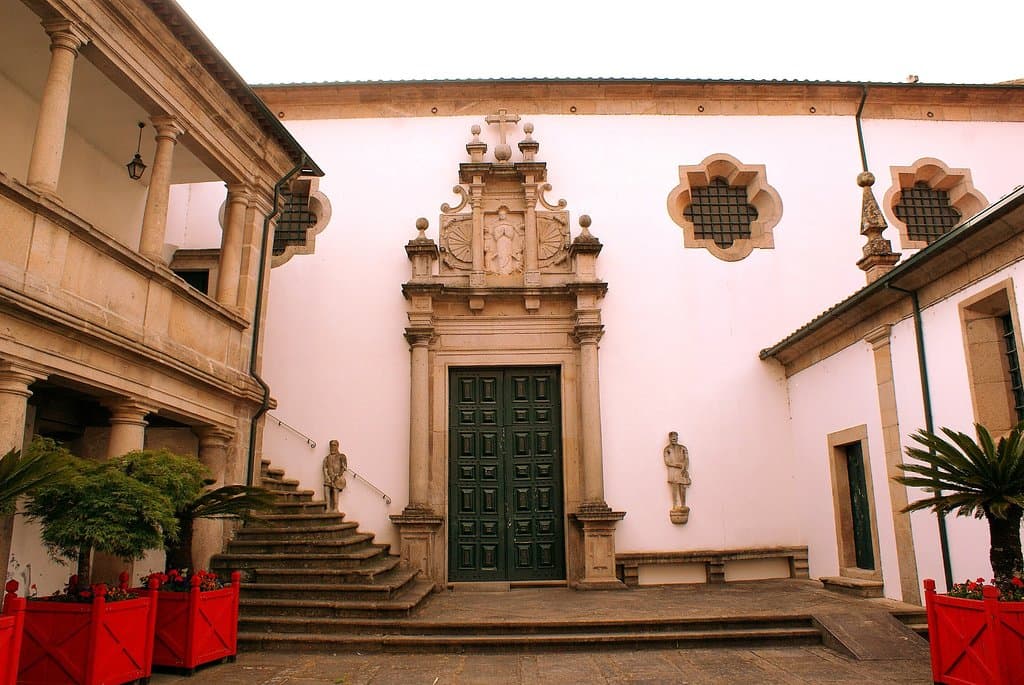
Admire the elegant granite portal with Tuscan columns and the iconic Mater Omnium relief.
Revivalist Wooden Ceiling
Nave interior
Marvel at the Manueline revivalist wooden ceiling, adorned with polychrome grotesques.
Altar of the Virgin of Mercy
Capela-mor (chancel)
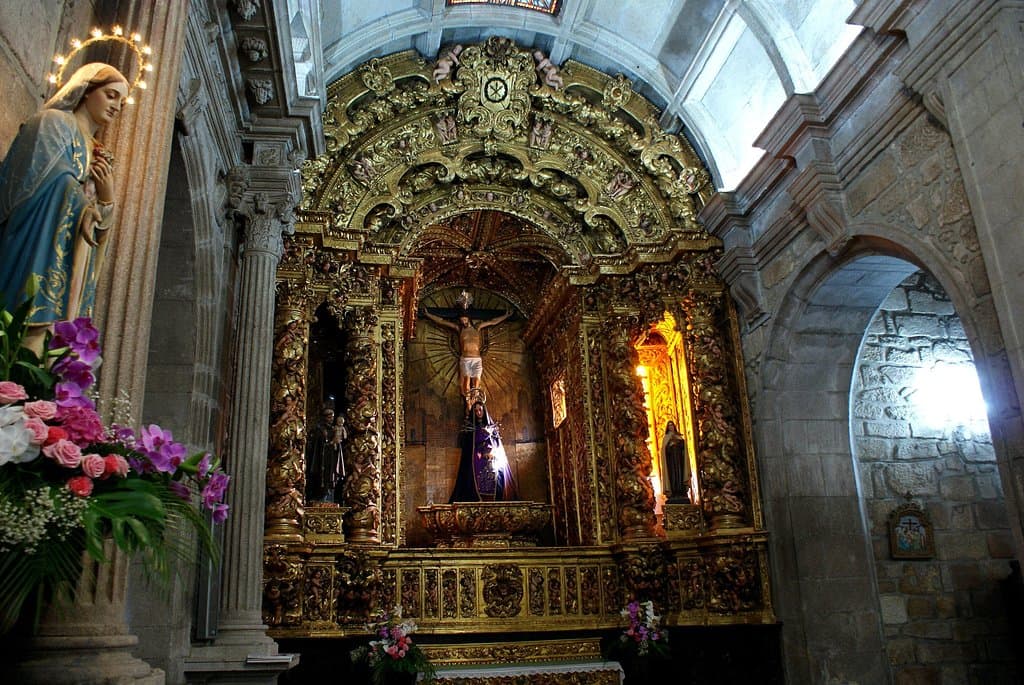
The gilded altarpiece features a striking wooden representation of the Virgin of Mercy.
Plans like a pro.
Thinks like you
Planning Your Visit
Timing Your Visit
Architectural Appreciation
Best Times
Insider Tips
from TikTok, Instagram & Reddit
📸 Capture the Details
Focus on the intricate carvings and architectural elements for stunning photos. :camerawithflash:
🚶♀️ Explore the Surroundings
Located in the historic center, it's near the Igreja Matriz. :world_map:
🕰️ Check Opening Hours
Hours can vary; confirm before your visit to avoid disappointment. :clock1:
Tips
from all over the internet
📸 Capture the Details
Focus on the intricate carvings and architectural elements for stunning photos. :camerawithflash:
🚶♀️ Explore the Surroundings
Located in the historic center, it's near the Igreja Matriz. :world_map:
🕰️ Check Opening Hours
Hours can vary; confirm before your visit to avoid disappointment. :clock1:
What Travellers Say
Reviews Summary
Visitors consistently praise Igreja da Misericórdia for its beautiful architecture and serene atmosphere. Many highlight the intricate details of the facade and the unique interior design, finding it a peaceful place for reflection. Some note its historical significance and its role within the charming town of Ponte de Lima.
"A Igreja da Misericórdia de Ponte de Lima tem uma arquitetura , maneirista e barroca. A igreja segue o esquema das misericórdias do séc. 17 no distrito, na variante de planta transversal, a menos comum no distrito, mas significativa comparativamente à sua incidência no resto do país. Contruída em várias etapas, os primeiros registros datam de 1530."
Ricardo Calovi
"O conjunto edificado pertencente à Misericórdia, que se encontrava encostado à muralha do burgo, viria a ser interrompido e dividido em duas partes no início do século XX com a abertura da Rua Cardeal Saraiva.
Em 1551, à Irmandade da Misericórdia foram anexadas duas instituições como o Hospital dos Gafos (interpretado como hospital dos leprosos) e o Hospital da Praça, acabando este último como sede da Misericórdia. Era formado por uma única enfermaria e uma pequena capela.
No ano de 1629 foi proposto pelo provedor Diogo Ferraz à Misericórdia um novo templo religioso, com a pretensão de ser sepultado no local, juntamente com a sua mulher. A oferta foi aceite e encomendada a um artista desconhecido, na possibilidade de ser um artista local, e da qual resultou num amplo templo tardo-maneirista.
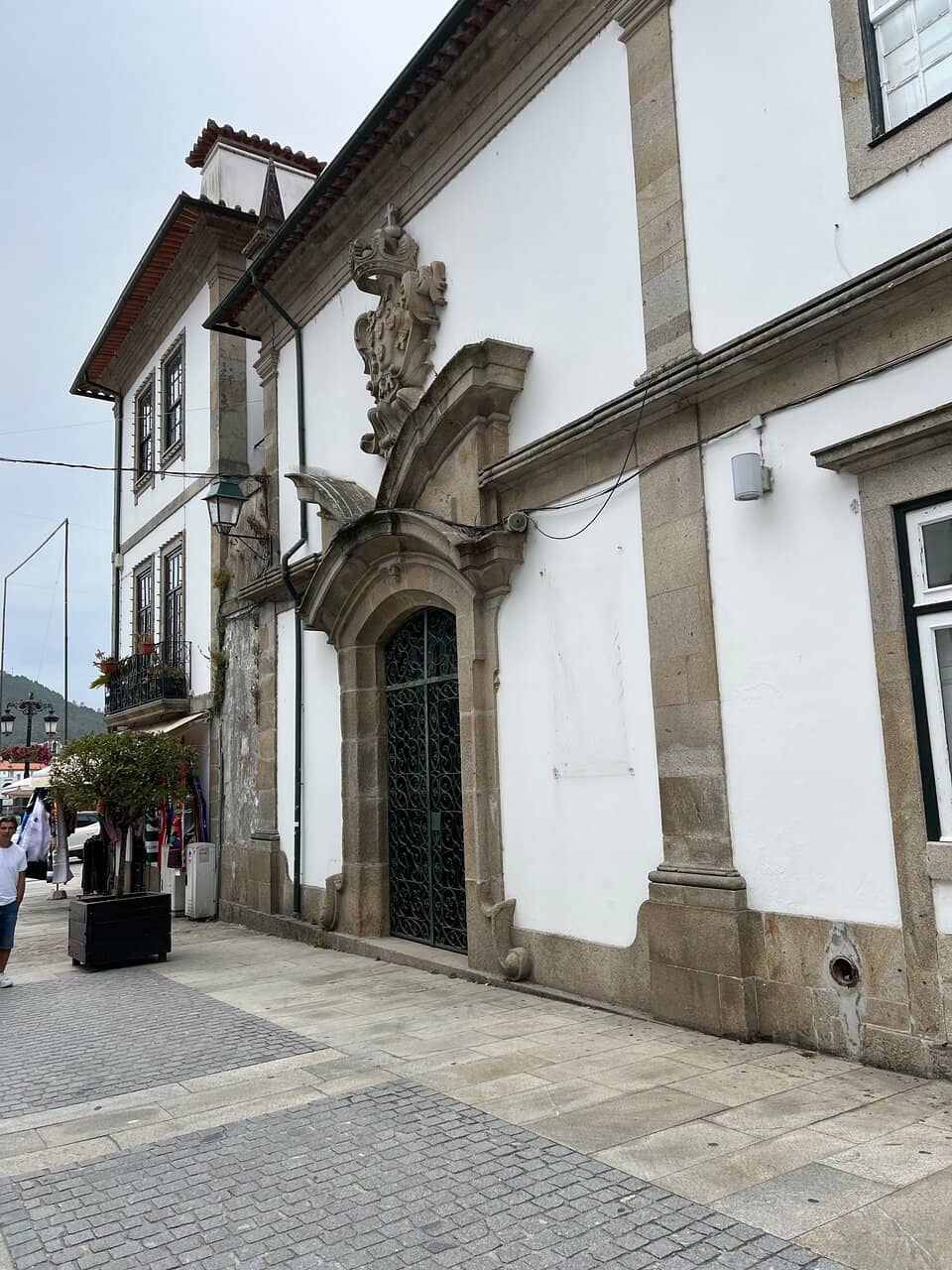
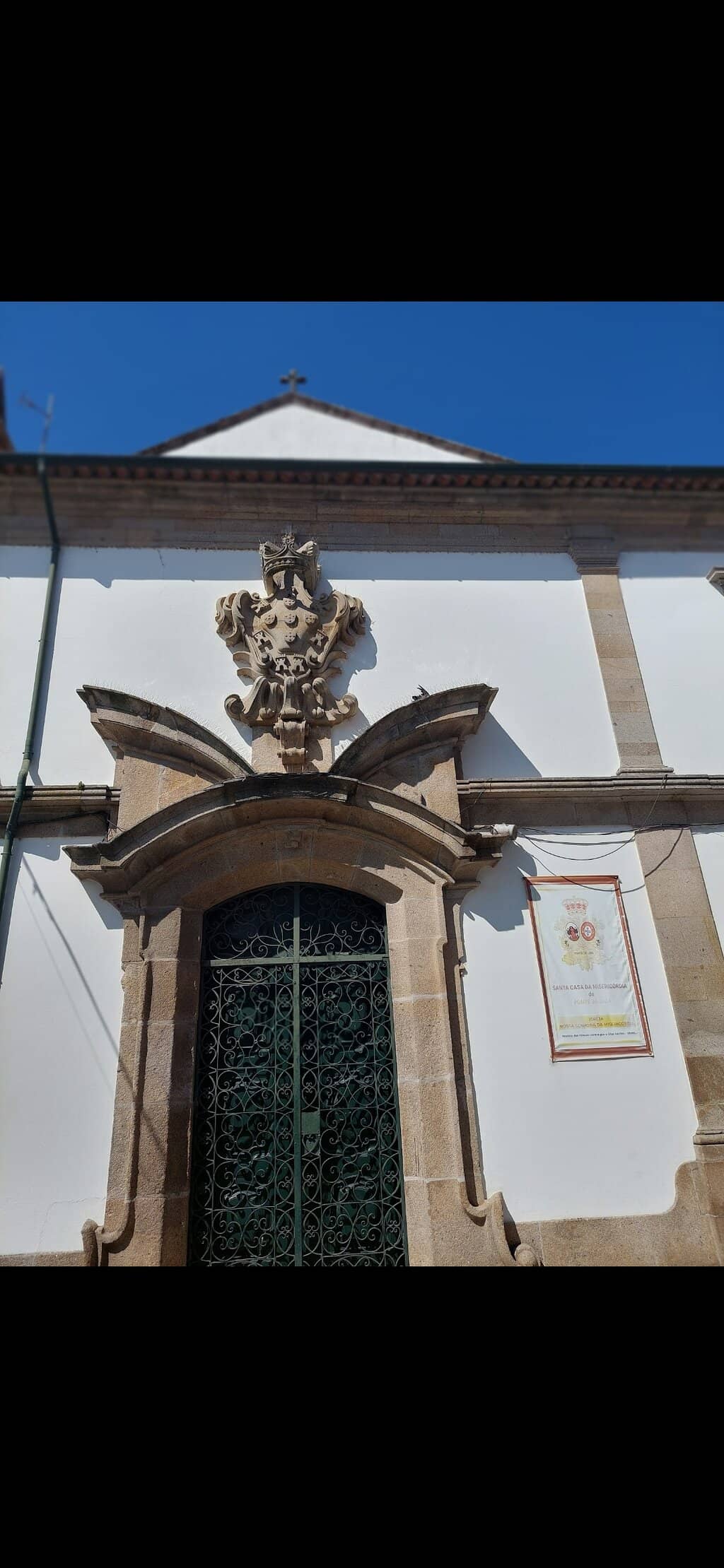
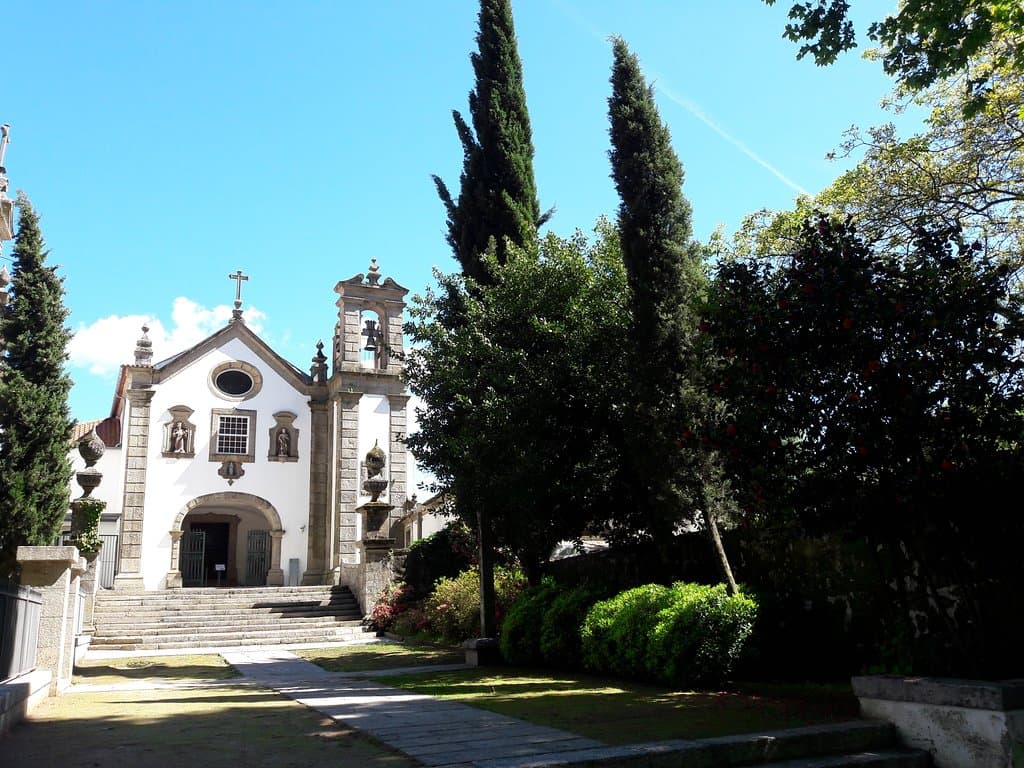
Situada no centro histórico da Vila, a sua fachada principal está orientada para a Igreja Matriz, com uma porta secundária e parte do edifício do Consistório orientada para sul, para a Rua Cardeal Saraiva.
A igreja é formada por uma planta retangular com nave e capela-mor e posicionada transversalmente. A fachada principal está orientada para um pequeno pátio que acessa também para o Consistório, através de uma escadaria em pedra (substituiu o antigo hospital) e pela sacristia.
O portal principal, que inicialmente correspondia à fachada lateral, tem como rasgo a porta de moldura retangular, em granito, ladeada por duas colunas toscanas assentes sobre plintos. Sobrepõe-se uma arquitrave com relevo, com a representação da Mater Omnium (iconografia da Senhora da Misericórdia), enquadrada igualmente por duas colunas toscanas. O portal é ladeado por duas imagens assentes em mísulas, sendo o da esquerda São Roque e o da direita Santo Aleixo.
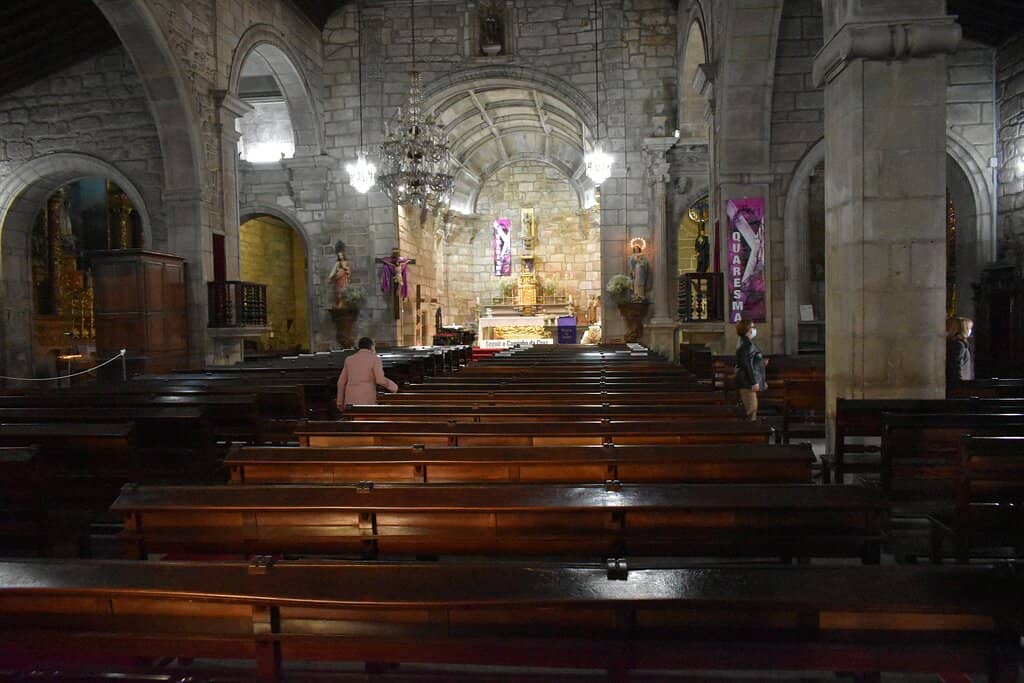
O interior é formado por uma cobertura de abóbada em madeira, de vários tramos com falsas ogivas, ao gosto manuelino revivalista, pintadas com motivos de brutesco policromado.
O restante é formado por um coro-alto, um púlpito e dois altares laterais. Segue-se o arco triunfal com acesso para a capela-mor, em que se destaca o retábulo-mor, de talha dourada, com uma representação da Virgem da Misericórdia de madeira.
Foi no ano de 1946 que a Igreja se tornou Imóvel de Interesse Público.
Esta igreja está localizada no mesmo largo e em frente da Igreja Matriz."
João Jaques
"Igreja muito bonita"
Pedro Vieira
What People Like
What People Dislike
Frequently Asked Questions
🚇 🗺️ Getting There
Igreja da Misericórdia is centrally located in the historic center of Ponte de Lima, easily accessible on foot if you are already in the town. If arriving by car, there are parking areas nearby, though they can fill up during peak season. Public transport options to Ponte de Lima include buses from major cities like Porto.
While the main entrance and nave are generally accessible, some older historical sites may have limitations. It's advisable to contact the local tourist office or the church directly for the most up-to-date accessibility information.
🎫 🎫 Tickets & Entry
Entry to Igreja da Misericórdia is typically free, as it is a functioning church. However, donations are always appreciated to help with its upkeep. 🎟️
Opening hours can vary, especially outside of tourist season or due to religious services. It's best to check with the Ponte de Lima tourist office or look for local signage before your visit. :clock1:
Visitors are generally welcome to attend mass, but it's important to be respectful of the ongoing service. Some areas might be restricted during religious ceremonies. 🙏
🎫 🏛️ Onsite Experience
Igreja da Misericórdia features a blend of Mannerist and Baroque architecture, with construction beginning in the 16th century. Its unique transversal plan is a notable characteristic. :building_construction:
Inside, visitors can admire the revivalist wooden ceiling with painted grotesques, the choir loft, pulpit, side altars, and the main altarpiece in the chancel depicting the Virgin of Mercy. ✨
Photography is usually permitted inside churches for personal use, but it's essential to be discreet and avoid flash photography, especially during services. Always check for any posted signs regarding photography rules. :camerawithflash:
A visit to Igreja da Misericórdia can take anywhere from 30 minutes to an hour, depending on your interest in architectural details and the opportunity for quiet reflection. :stopwatch:
🍽️ 🍽️ Food & Dining
Yes, Igreja da Misericórdia is located in Ponte de Lima's historic center, which is brimming with traditional restaurants and cafes offering local Minho cuisine. You'll find plenty of options within a short walking distance. 🍴


Social
from TikTok, Instagram & Reddit