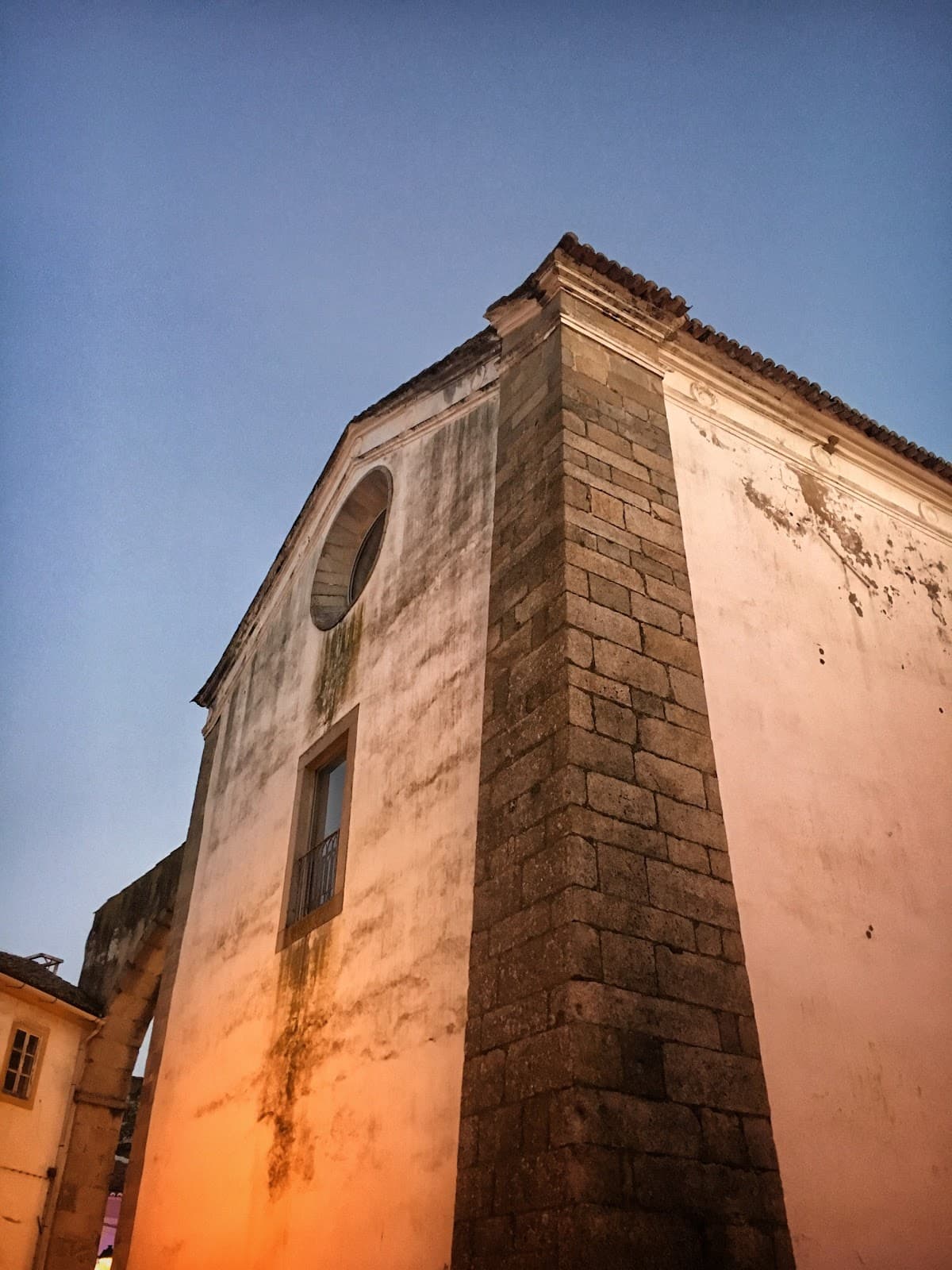
Igreja da Misericórdia Portalegre
A 16th-century Renaissance church in Portalegre, known for its unique urban adaptation, a demonic gargoyle, and a history as a performance venue.
Highlights
Must-see attractions

Social
From TikTok & Reddit
Best Time
Access to interior
Igreja da Misericórdia Portalegre
Best Time
Access to interior
Highlights
Must-see attractions
A 16th-century Renaissance church in Portalegre, known for its unique urban adaptation, a demonic gargoyle, and a history as a performance venue.
"A monument of religious architecture with a fascinating history and unique artistic details."
Check Event Schedules
Verify if the Conservatório de Portalegre has performances scheduled to plan your visit. 📅
Be Prepared for Works
The roof is undergoing repairs, so access might be tricky. 🚧
Quick Facts
Rating
3.3 · 4 reviews
Type
Church
Highlights
Discover the most iconic attractions and experiences
Renaissance Architecture
Exterior
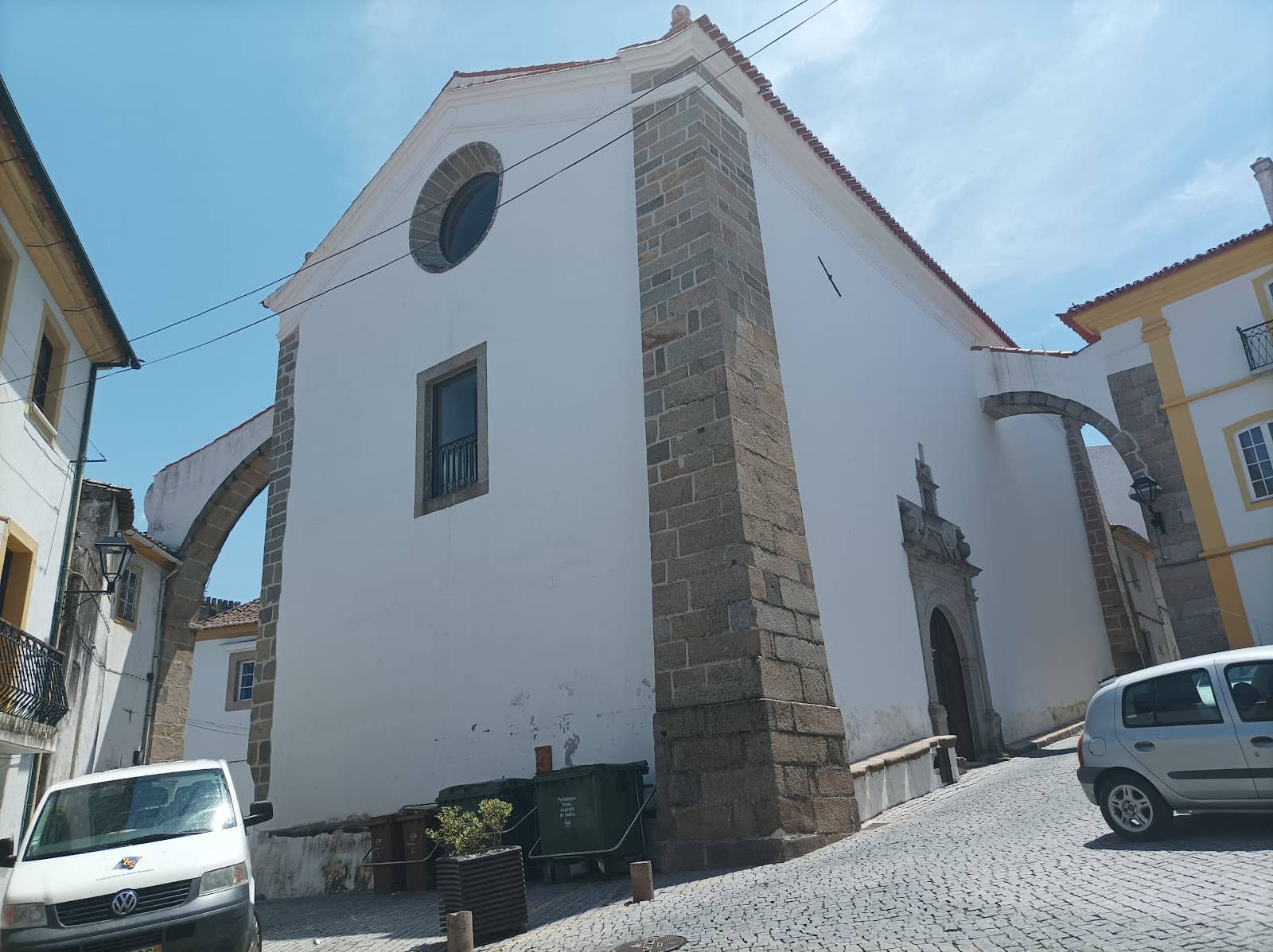
Admire the 16th-century Renaissance design, a unique example of the 'Misericórdia' architectural style adapted to its urban setting.
Demonic Gargoyle
Church Portal
Spot the intriguing marble gargoyle with a demonic figure, a unique and slightly unsettling detail on the church's entrance.
17th & 18th Century Tiles
Interior (formerly)
Though many tiles were moved, remnants and the history of their placement add layers to the church's artistic evolution.
Plans like a pro.
Thinks like you
Planning Your Visit
Timing Your Visit
Understanding Its Role
Best Times
Insider Tips
from TikTok, Instagram & Reddit
Check Event Schedules
Verify if the Conservatório de Portalegre has performances scheduled to plan your visit. 📅
Be Prepared for Works
The roof is undergoing repairs, so access might be tricky. 🚧
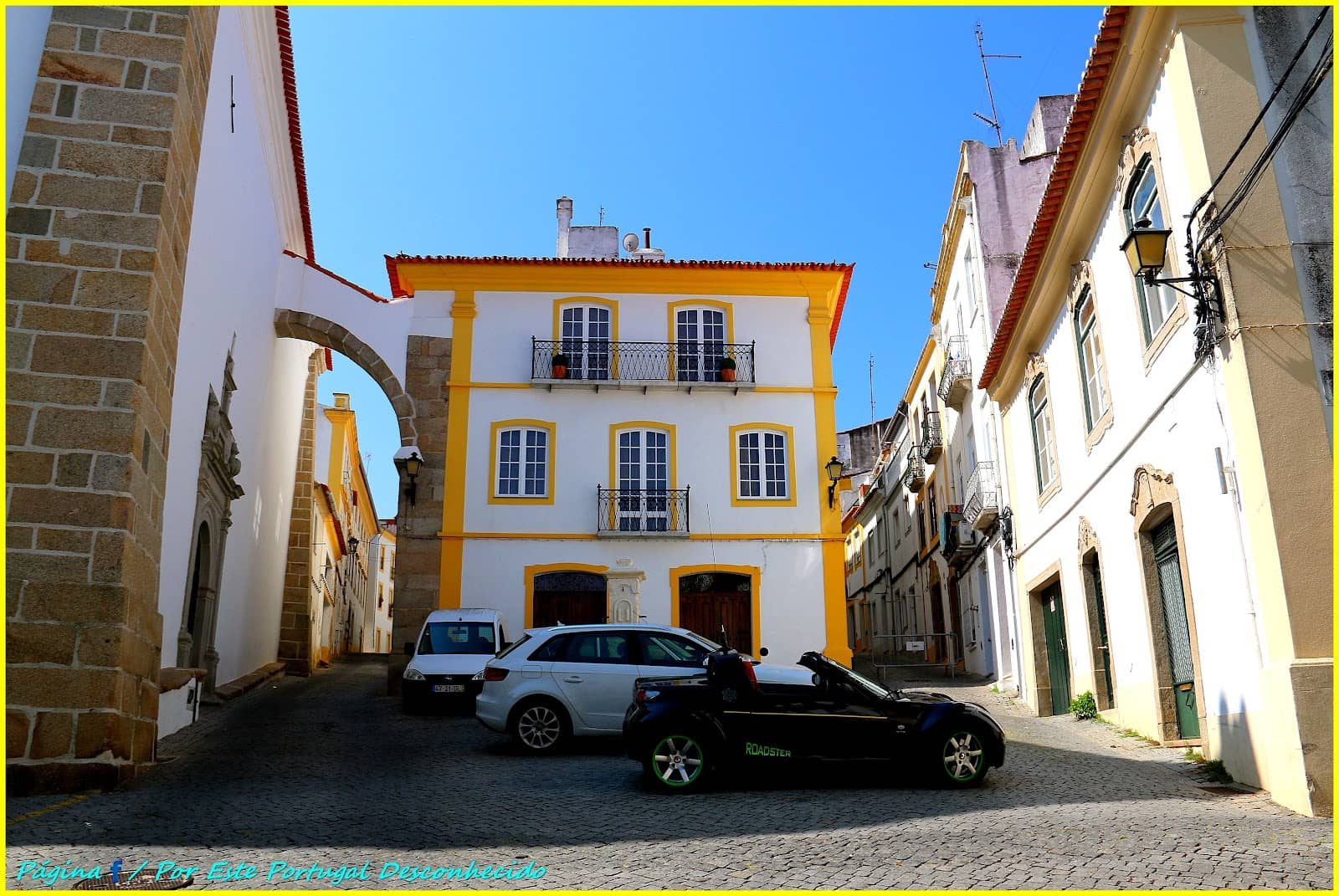
Urban Adaptation
Note how the church's construction adapted to the existing urban fabric. :cityscape:
Historical Layers
Appreciate the mix of Renaissance structure and later tile additions. 🎨
Tips
from all over the internet
Check Event Schedules
Verify if the Conservatório de Portalegre has performances scheduled to plan your visit. 📅
Be Prepared for Works
The roof is undergoing repairs, so access might be tricky. 🚧
Urban Adaptation
Note how the church's construction adapted to the existing urban fabric. :cityscape:
Historical Layers
Appreciate the mix of Renaissance structure and later tile additions. 🎨
What Travellers Say
Reviews Summary
The Igreja da Misericórdia Portalegre is a historically significant Renaissance monument with unique architectural features like a demonic gargoyle. While its current use as a performance venue and ongoing roof repairs can affect accessibility, its rich past as a religious and cultural hub makes it a point of interest in Portalegre.
"Monumento de arquitetura religiosa, saúde, renascentista do séc. XVI.
Igreja de uma só nave formando, com o Consistório adossado, o característico conjunto das Misericórdias.
A Santa Casa da Misericórdia foi fundada nos anos de 1500 e 1501. Não tem fachada principal, talvez porque naquele local pode ter existido uma ou igreja medieval, pelo que a sua construção teve de se adaptar ao contexto urbano daquela época. O Portal da Igreja tem um arcobotante ligado a um edifício que lhe fica próximo, e apresenta também uma gárgula com figura demoníaca em mármore.
Nos séculos XVII e XVIII, foram colocados azulejos na igreja.
Em 1922, este monumento foi arrendado para servir de Casa de Espetáculos e sede do jornal "A Plebe".
Em 1943, os azulejos da igreja foram trasladados para a Igreja de São Lourenço."
Charles, Jr.
"Está em obras no telhado. Entrada difícil. Local onde funciona o Conservatório de Portalegre."
João Löbe
""
Manuel Camejo Almeida
What People Like
What People Dislike
Frequently Asked Questions
🚇 🗺️ Getting There
The Igreja da Misericórdia is located within the urban center of Portalegre. It's best accessed by walking if you are already in the city center. Public transport options might be limited directly to the church, so check local bus routes for stops near the Praça da República or the city center. Parking in the immediate vicinity can be challenging due to its urban setting.
Yes, it's situated in a central area of Portalegre. Its unique architecture, including the portal with an arc-boutant and the demonic gargoyle, makes it a distinctive landmark once you're in the vicinity.
🎫 🎫 Tickets & Entry
Entry to the church is often dependent on its use as a performance space for the Conservatório de Portalegre. It's advisable to check the Conservatório's schedule for any events or performances. Access might be restricted or require a ticket for specific events.
Specific opening hours are not consistently published as it functions as a venue. Your best bet is to consult the schedule for the Conservatório de Portalegre, as public access is usually tied to their activities or specific visiting arrangements.
There isn't a standard entrance fee for visiting the church as a monument. However, if you attend a performance or event hosted by the Conservatório de Portalegre, a ticket fee will apply.
🎫 🏛️ Onsite Experience
The church is a significant monument of Renaissance architecture from the 16th century. It forms a characteristic ensemble with the adjacent Consistório, typical of 'Misericórdia' buildings. Later additions include azulejos (tiles) from the 17th and 18th centuries.
The portal is notable for its arc-boutant connection to a nearby building and features a unique marble gargoyle with a demonic figure, adding a distinctive artistic and historical element.
Many of the original azulejos from the 17th and 18th centuries were moved in 1943 to the Igreja de São Lourenço. While the church's history includes these beautiful tiles, they are no longer in situ.
Yes, reviews indicate that the church's roof is currently undergoing works. This may affect accessibility or the overall viewing experience.
The Santa Casa da Misericórdia was founded in Portalegre between 1500 and 1501. These institutions played a vital role in social welfare and religious life during that period.
Social
from TikTok, Instagram & Reddit