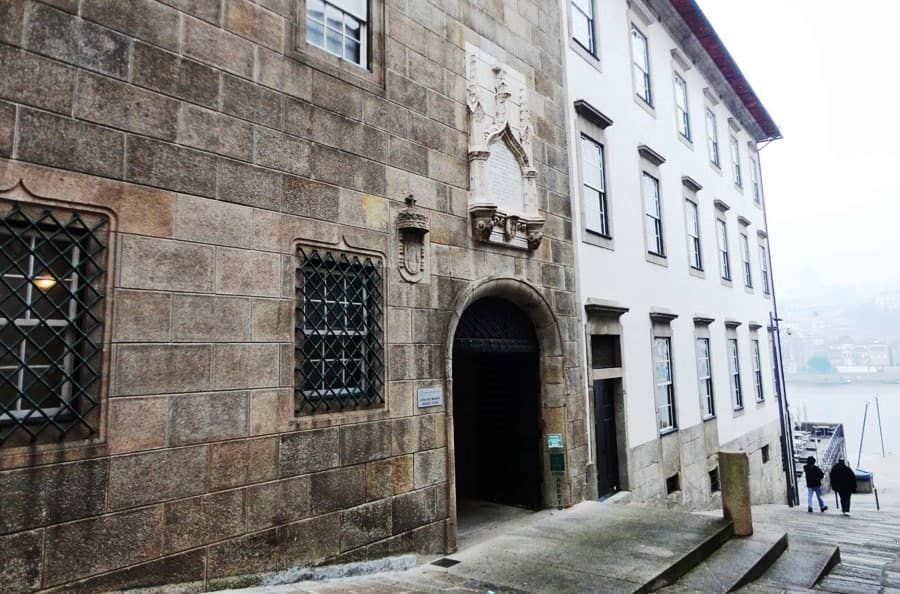
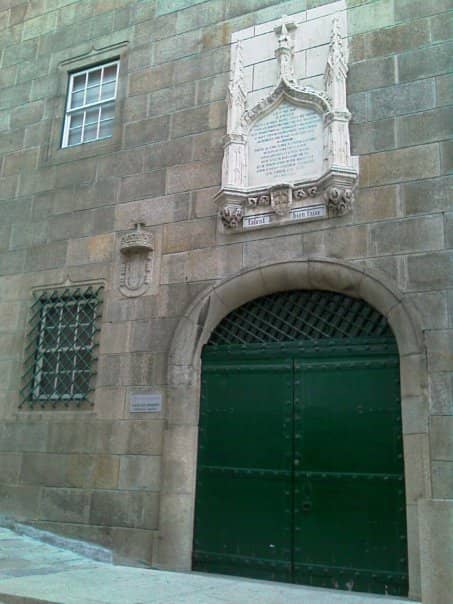
Casa do Infante Porto
Discover Porto's maritime legacy at Casa do Infante, the historic customs house and reputed birthplace of Prince Henry the Navigator.
Highlights
Must-see attractions

Social
From TikTok & Reddit
Best Time
Fewer crowds, more peaceful
Casa do Infante Porto
Best Time
Fewer crowds, more peaceful
Highlights
Must-see attractions
Discover Porto's maritime legacy at Casa do Infante, the historic customs house and reputed birthplace of Prince Henry the Navigator.
"It really got me more interested in the history of the city, Infante Henrique and to want to learn more about the Portuguese explorations."
🎯 Free for Students!
Students get free admission, making it a great value for budget travelers and history buffs.
👟 Comfortable Shoes Needed
Porto is hilly! Wear comfy shoes for exploring the museum and the surrounding Ribeira district.
Quick Facts
Hours
Rating
4.4 · 461 reviews
Type
Museum
Highlights
Discover the most iconic attractions and experiences
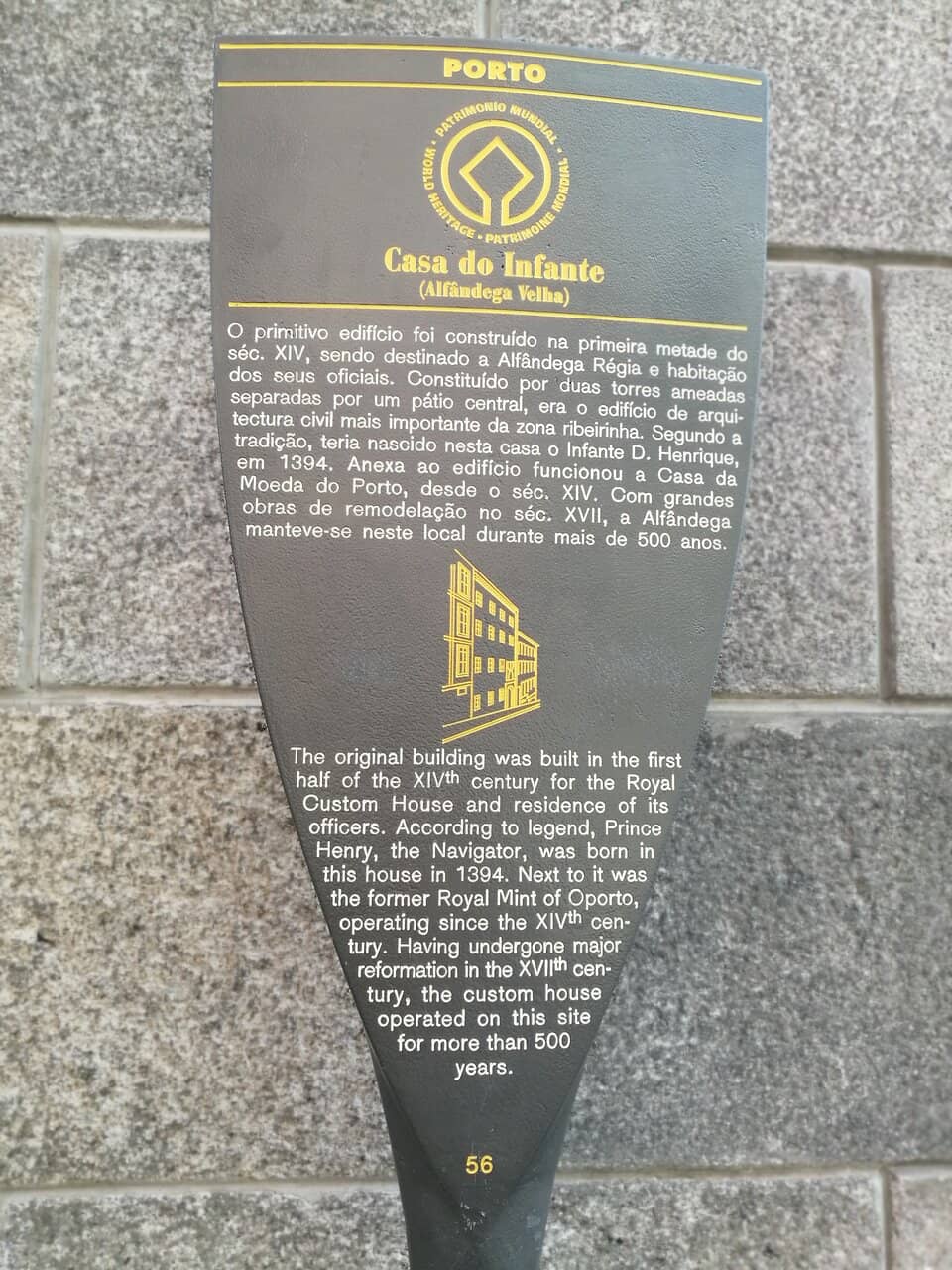
Birthplace of Prince Henry the Navigator
Main exhibition hall
Discover the historical significance of this building as the reputed birthplace of Prince Henry the Navigator, a key figure in Portuguese exploration.
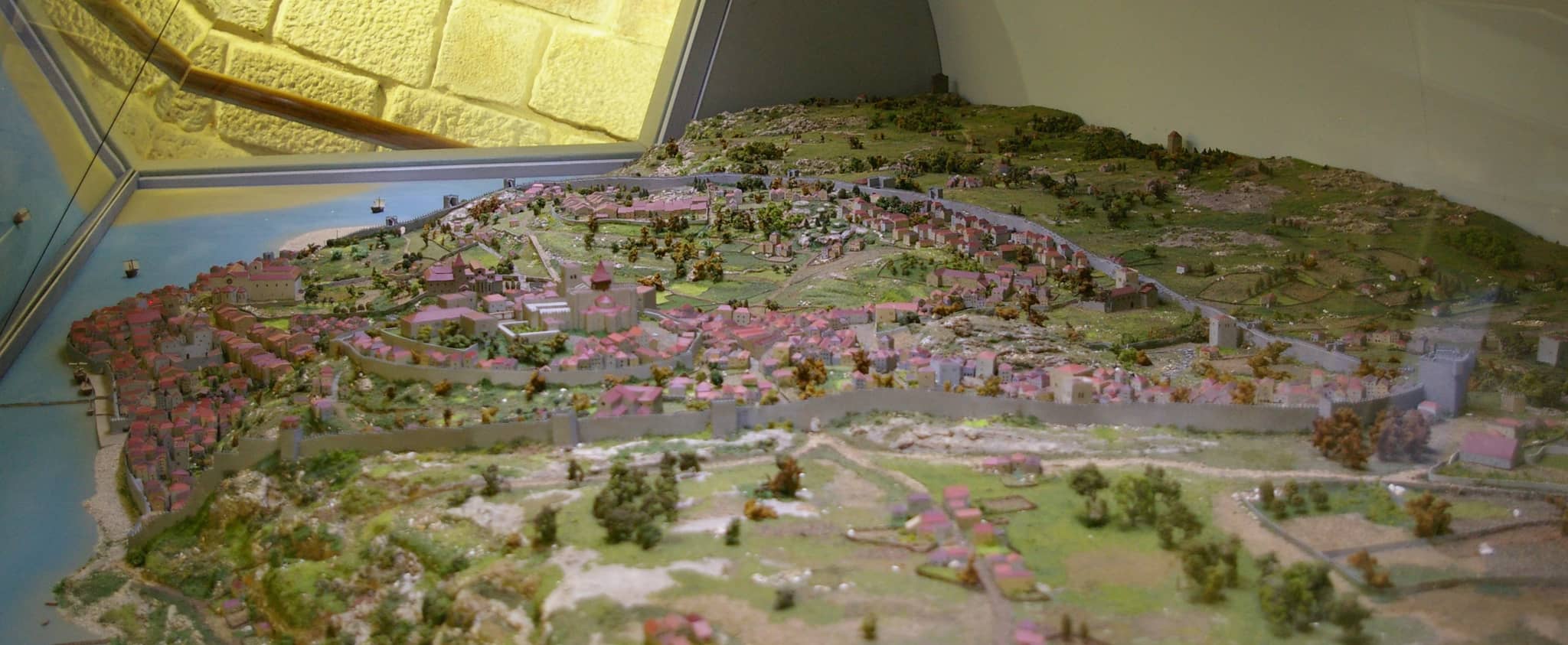
Medieval Customs House History
Exhibition on customs house
Explore the fascinating history of Casa do Infante as a medieval customs house, integral to Porto's economic past and city walls.
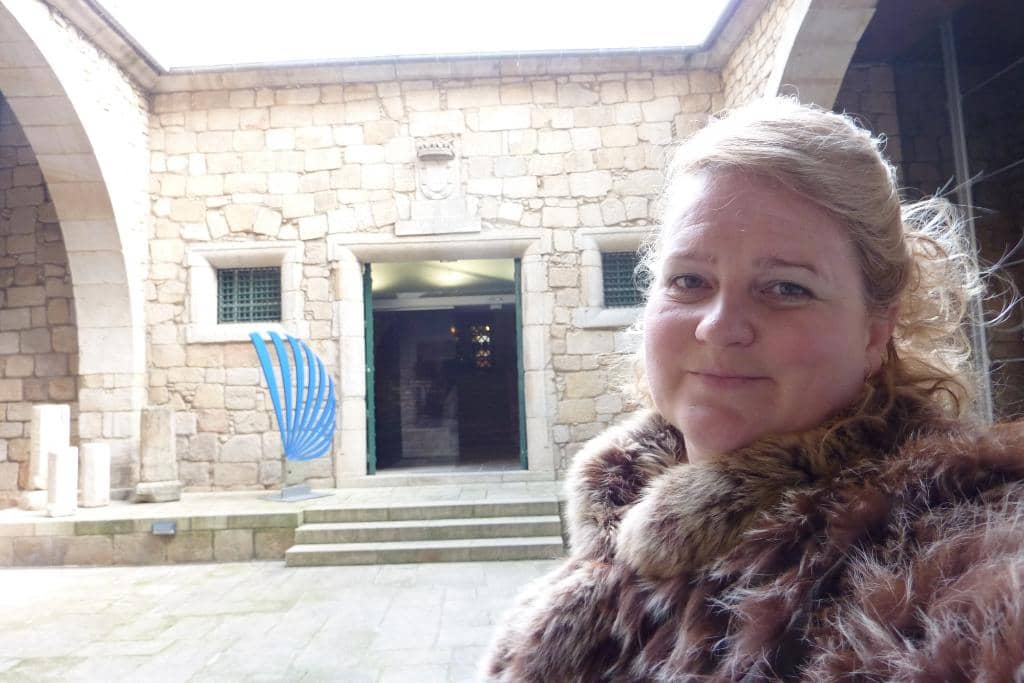
Interactive Exhibitions
Throughout the museum
Engage with interactive displays and animations that bring Porto's Roman history and the Age of Discovery to life.
Plans like a pro.
Thinks like you
Planning Your Visit
Book Ahead for Popular Times

Embrace Porto's Hills
Best Times
Insider Tips
from TikTok, Instagram & Reddit
🎯 Free for Students!
Students get free admission, making it a great value for budget travelers and history buffs.
👟 Comfortable Shoes Needed
Porto is hilly! Wear comfy shoes for exploring the museum and the surrounding Ribeira district.
⏳ Short Visit, Big Impact
Allocate about 20-30 minutes for a visit; it's a compact museum but packed with history.
🏛️ Part of City Museum
Casa do Infante is part of the Porto City Museum, offering insights into the city's rich past.
Tips
from all over the internet
🎯 Free for Students!
Students get free admission, making it a great value for budget travelers and history buffs.
👟 Comfortable Shoes Needed
Porto is hilly! Wear comfy shoes for exploring the museum and the surrounding Ribeira district.
⏳ Short Visit, Big Impact
Allocate about 20-30 minutes for a visit; it's a compact museum but packed with history.
🏛️ Part of City Museum
Casa do Infante is part of the Porto City Museum, offering insights into the city's rich past.
📅 Check for Events
The museum hosts various events and exhibitions; check their schedule for special happenings.
What Travellers Say
Reviews Summary
Visitors find Casa do Infante to be a valuable and informative museum, particularly appreciating its historical significance as the birthplace of Prince Henry the Navigator and its role as a former customs house. The interactive exhibits are a highlight, making the history of Porto and Portuguese exploration engaging. While some note the discussion of colonization could be updated, the overall experience is considered a great value, especially for students.
"Nice little museum. Among all the exhibitions displayed, I was very interested in the customs house history as part of Porto history."
Quynh Trang Tran
"I was lucky enough to join a guided tour that was planned for today. Rui was an excellent guide through the museum! I recommend this museum to anyone visiting Porto and those who live in Porto! It really got me more interested in the history of the city, Infante Henrique and to want to learn more about the Portuguese explorations."
James Portoraro
"Casa do Infante
Type: archeological museum
Price: 4 EUR
Time spent: 20 min
Parking: not available
Bike parking: not available
WC: available
Located one of the oldest buildings in Porto the house is considered to be the birthplace of Infante D.Henrique. It was a part of the Porto walls, that surrounded and protected the city, but also served as the custom house in order to collect taxes."
Oleh Shpytko
What People Like
What People Dislike
Frequently Asked Questions
🚇 🗺️ Getting There
Casa do Infante is located in the historic Ribeira district. You can reach it by walking from the city center or taking public transport. The #1 tram line from Ribeira stops nearby, offering a scenic route towards the coast. The 205 bus line also passes through the area, though it might go through less tourist-friendly parts of the city.
Parking directly at Casa do Infante is not available. It's recommended to use public transport or walk, as parking in the Ribeira area can be challenging and expensive.
While there's no dedicated bike parking at the museum itself, you might find options nearby. Cycling through Porto can be an adventure, but be prepared for hills and cobblestone streets.
The museum has WC facilities available. While the historic nature of the building might present some challenges, it's worth checking with the museum directly for specific accessibility information.
From Porto Airport (OPO), you can take the Metro (Line E) to the city center and then transfer to a bus or tram, or take a taxi/ride-sharing service directly to the Ribeira district.
🎫 🎫 Tickets & Entry
Opening hours can vary, so it's best to check the official Porto City Museum website or their social media for the most up-to-date information.
General admission is typically around 4 EUR, but students often get free entry, making it a great deal.
While not always mandatory, booking tickets in advance is recommended, especially during peak season or if there are special events, to avoid potential queues.
Yes, Casa do Infante is part of the Porto City Museum, offering a broader perspective on the city's history.
Guided tours are sometimes available and highly recommended for a deeper understanding of the exhibits and the building's history.
🎫 🏛️ Onsite Experience
The main attraction is its historical significance as the reputed birthplace of Prince Henry the Navigator and its role as a medieval customs house. The interactive exhibitions detailing Porto's history and the Age of Discovery are also highlights.
Most visitors spend around 20-30 minutes exploring the museum, as it's a relatively compact but informative site.
You can expect to see exhibits on the Roman history of Porto, the city's medieval walls, its function as a customs house, and the role of Portuguese explorers in global discovery.
Photography policies can vary. It's best to check for signage within the museum or ask staff if you're unsure about taking photos.
The building is one of the oldest in Porto and is considered a crucial historical landmark, embodying centuries of the city's development and maritime importance.
🍽️ 🍽️ Food & Dining
There are no restaurants directly inside Casa do Infante. However, the surrounding Ribeira district is brimming with cafes and restaurants offering traditional Portuguese cuisine.
The Ribeira area offers numerous dining options. For a quick bite or a more substantial meal, explore the waterfront or the charming side streets.
Absolutely! You're in Porto, the home of the famous Pastel de Nata. Many bakeries and cafes in the vicinity will offer this delicious treat.
Yes, while Ribeira can be tourist-oriented, you can find more affordable options by venturing a few streets away from the main waterfront. Look for local 'tascas' or cafes.
Don't leave Porto without trying a Francesinha, a hearty sandwich layered with meats, covered in melted cheese, and drenched in a rich tomato and beer sauce.
📸 📸 Photography
The exterior architecture of the historic building itself is photogenic. Inside, look for interesting details in the exhibits and any views of the Douro River from the windows.
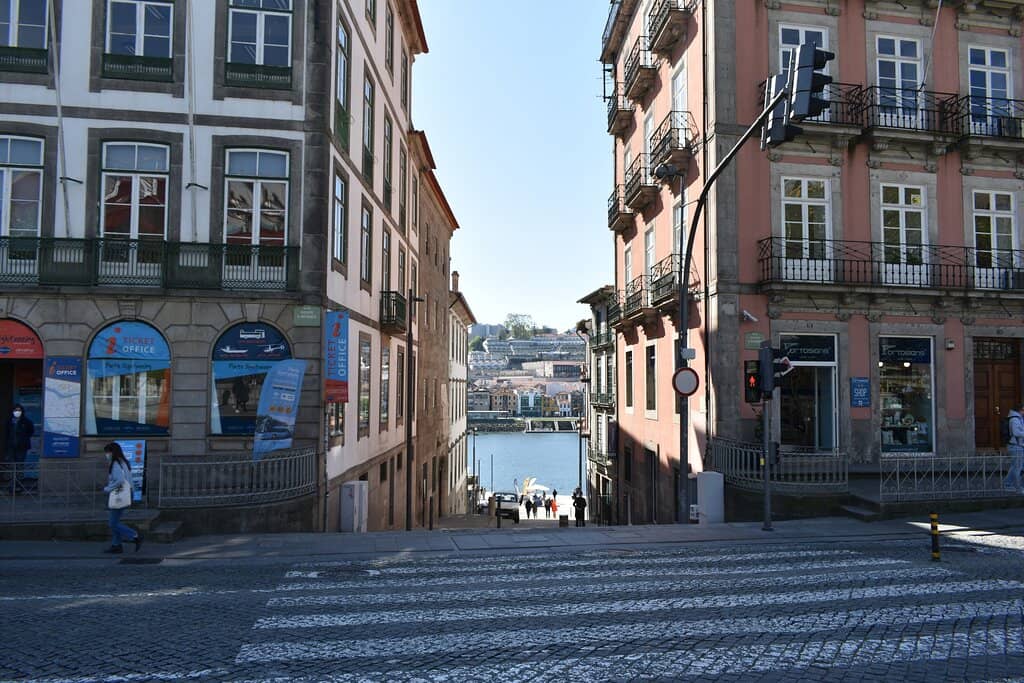
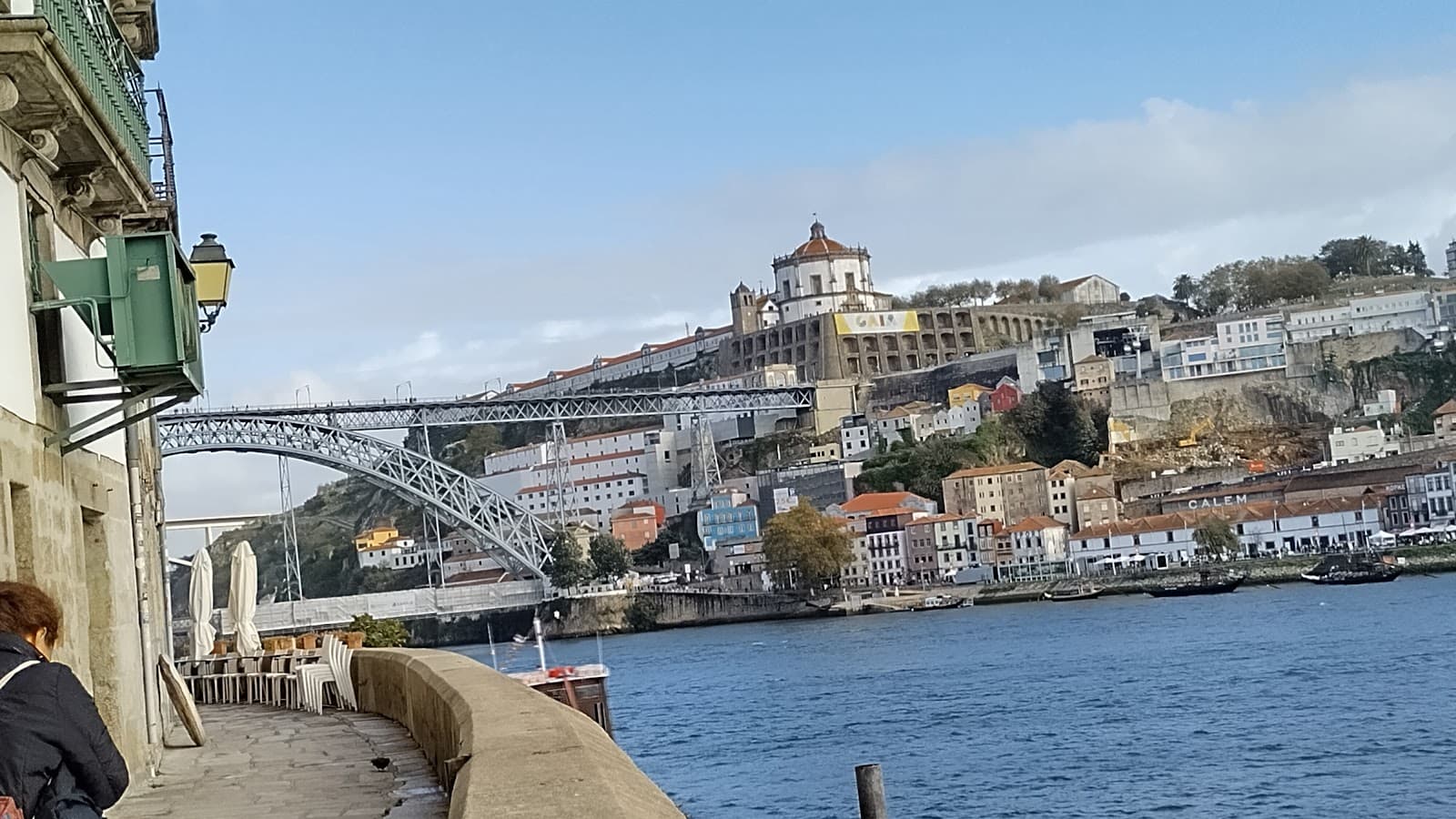
The Ribeira district offers stunning views of the Douro River and the Dom Luís I Bridge. Sunset views from the riverbanks or nearby viewpoints are particularly popular. +1
Golden hour, just after sunrise or before sunset, provides beautiful light for photography in the Ribeira area. +1
Drone usage is generally restricted in urban areas and near historical sites. Always check local regulations before flying a drone.
A versatile lens like a 24-70mm is great for general sightseeing. A wide-angle lens can be useful for capturing the cityscapes and narrow streets.
You may also like

Igreja de São Francisco Porto

World of Discoveries Porto

Cemitério do Prado do Repouso Porto

Mercado Ferreira Borges Porto

Palácio da Bolsa Porto
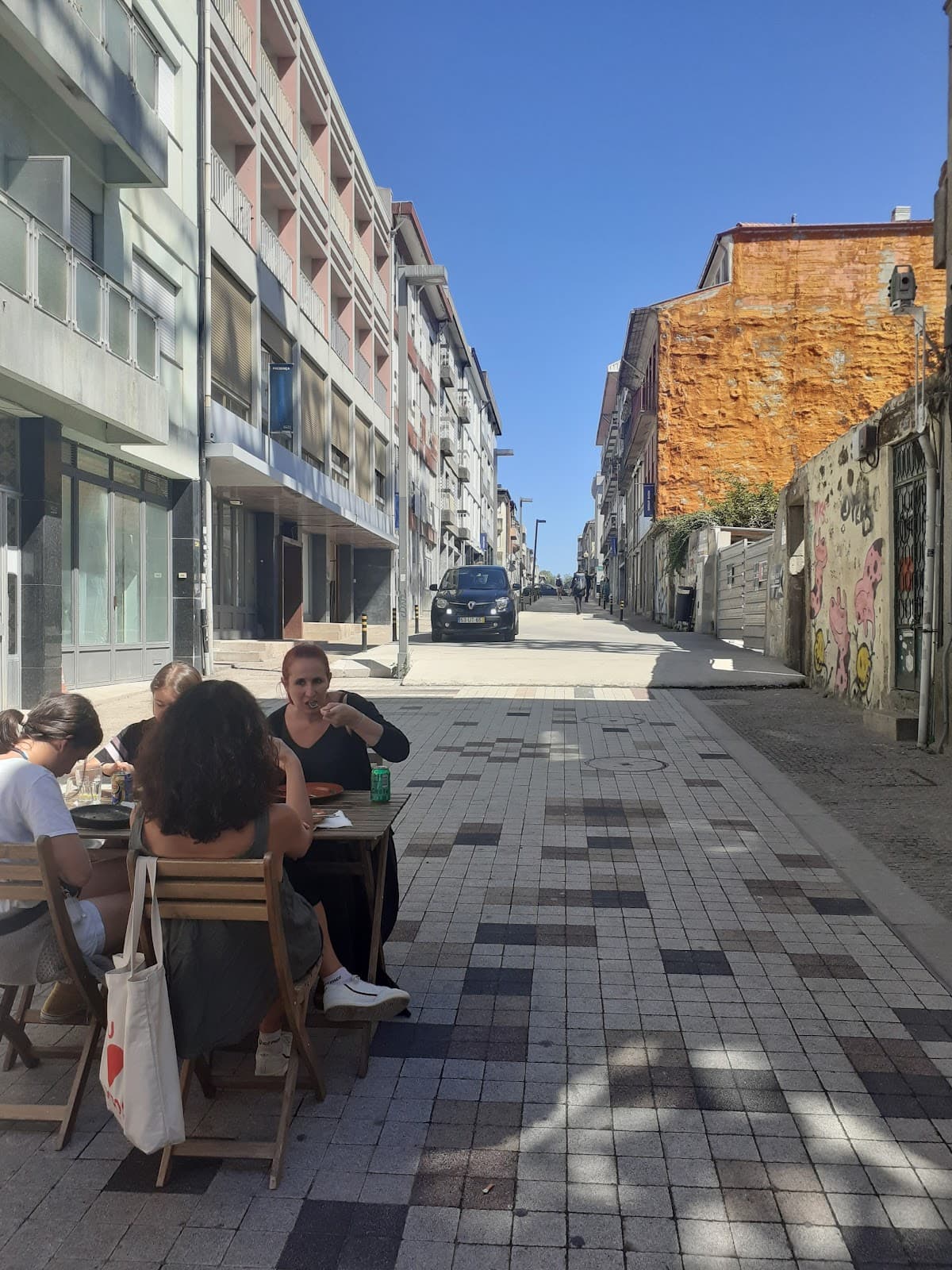
Rua Miguel Bombarda Porto
Igreja de São Francisco Porto
World of Discoveries Porto
Cemitério do Prado do Repouso Porto
Mercado Ferreira Borges Porto
Palácio da Bolsa Porto
Rua Miguel Bombarda Porto

Feira da Vandoma Flea Market Porto

Rua das Flores Porto

Historic Tram Line 1 (Riverside) Porto

Alfândega do Porto
Ribeira Porto

Social
from TikTok, Instagram & Reddit