
Muralha Fernandina & Guindais Porto
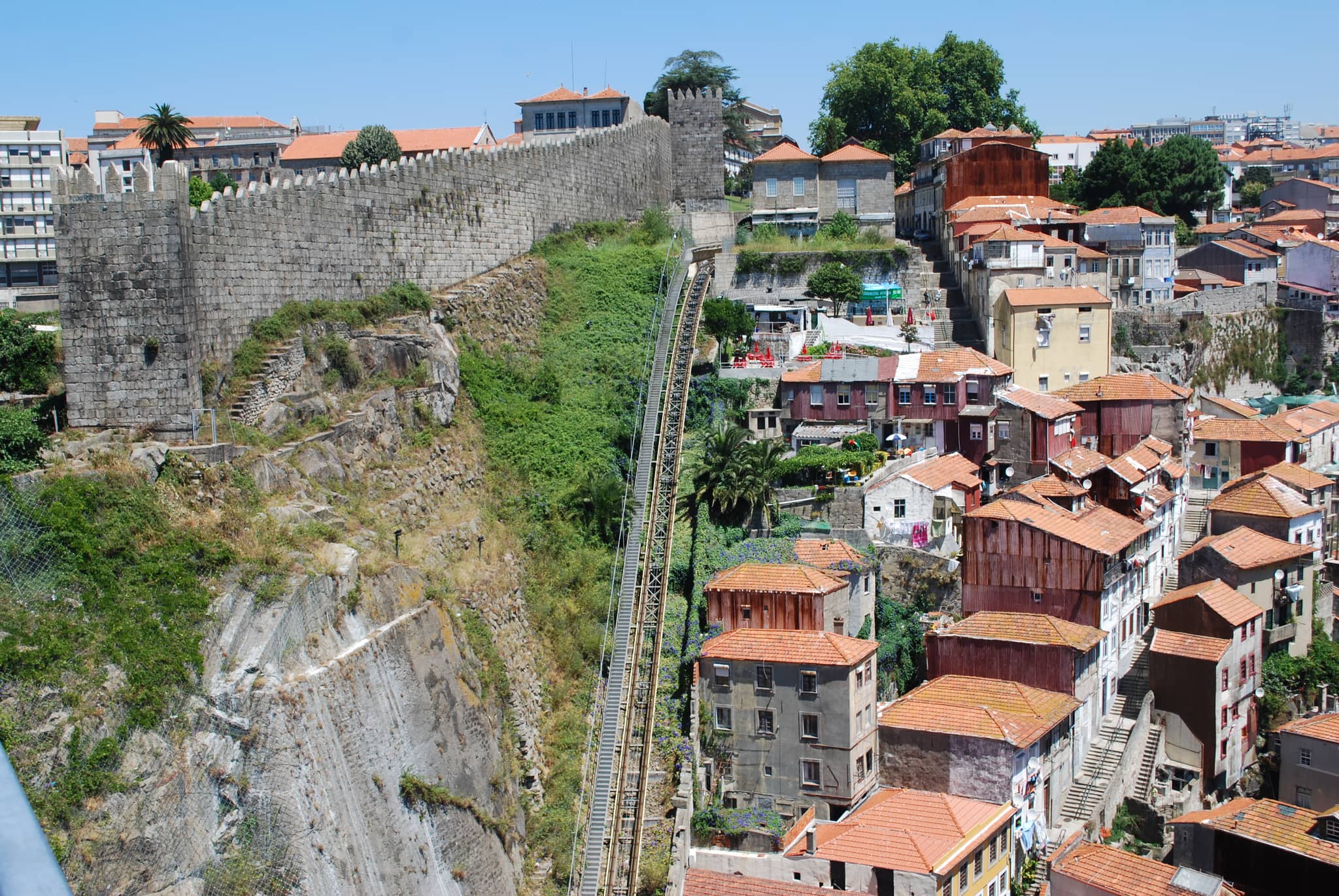
Explore remnants of Porto's 14th-century medieval wall, offering historical insights and stunning city views.
Highlights
Must-see attractions

Social
From TikTok & Reddit
Best Time
Dramatic night lighting
Muralha Fernandina & Guindais Porto
Best Time
Dramatic night lighting
Highlights
Must-see attractions
Explore remnants of Porto's 14th-century medieval wall, offering historical insights and stunning city views.
"The wall's nighttime lighting creates dramatic shadows that shift like sentries. "
🚶♀️ Explore Beyond the Obvious
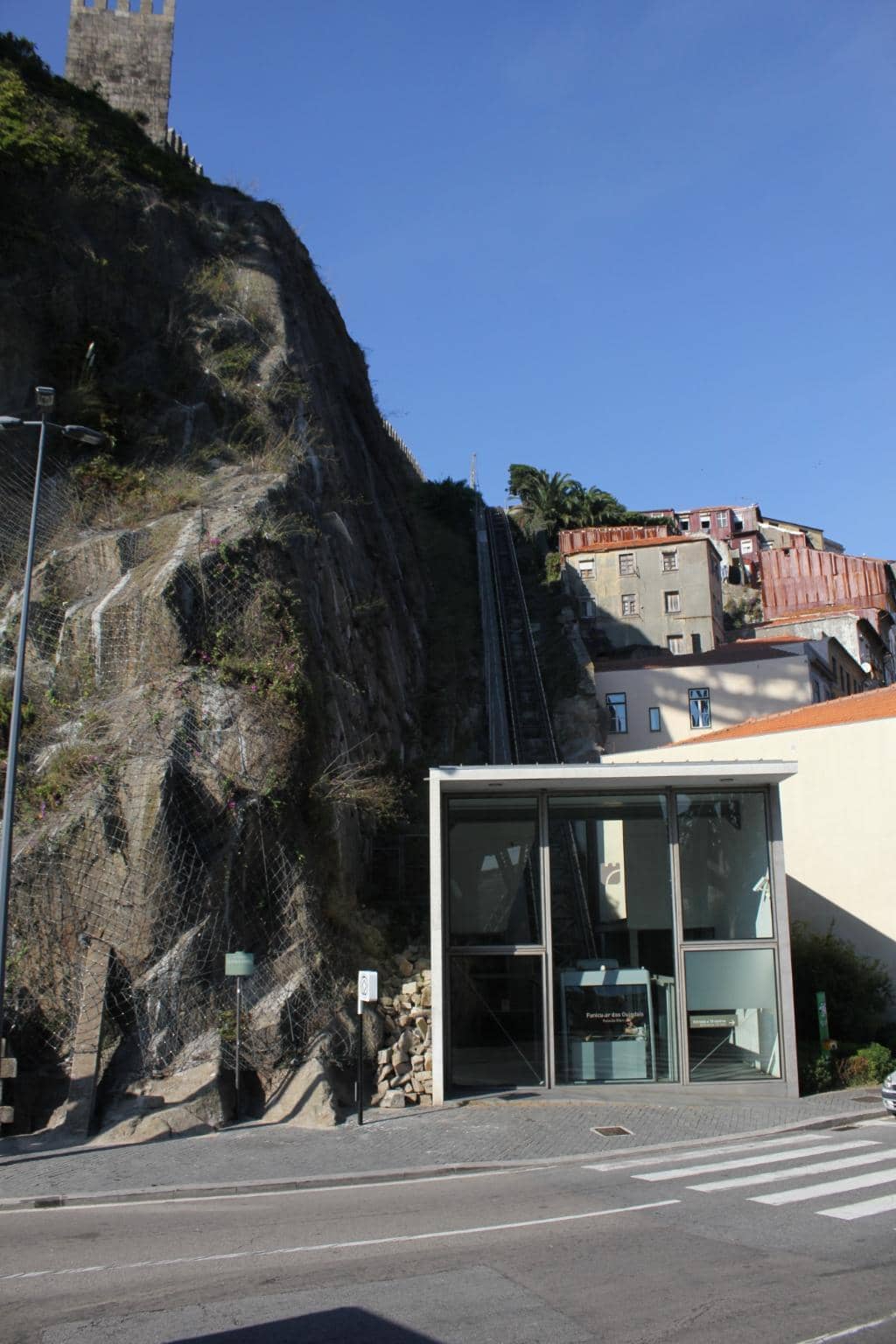
Don't just see the wall; look for staircases leading to new perspectives and historical details.
🌃 Nighttime Magic
The wall is stunning at night with dramatic lighting that creates shifting shadows.
Quick Facts
Rating
4.4 · 1,293 reviews
Type
Historical Place
Highlights
Discover the most iconic attractions and experiences
Muralha Fernandina Fragments
Various locations in Porto's historic center
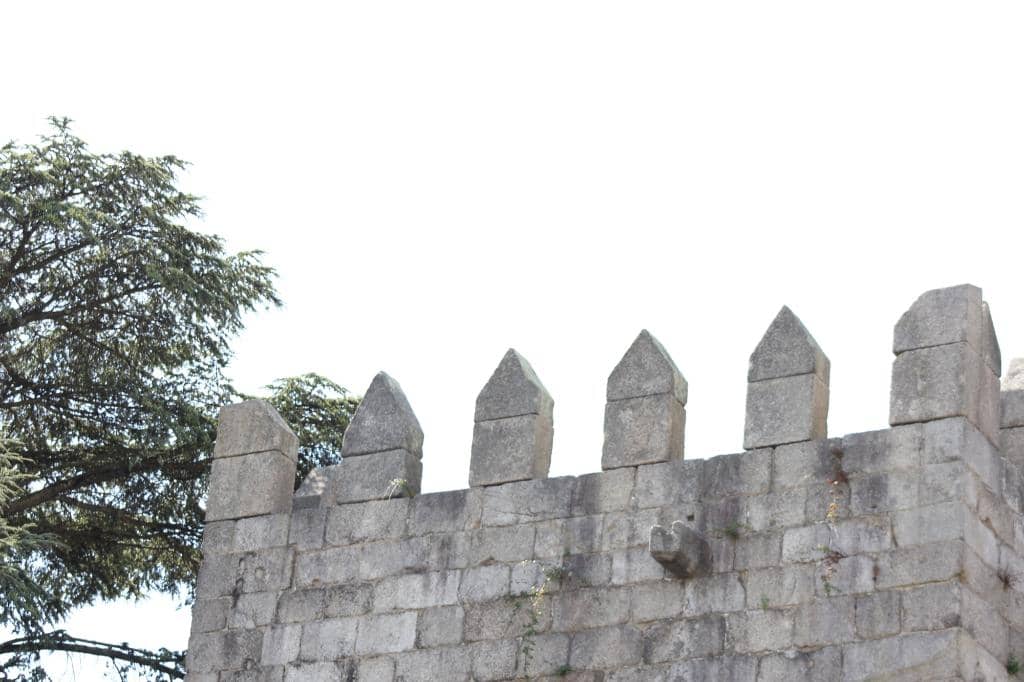
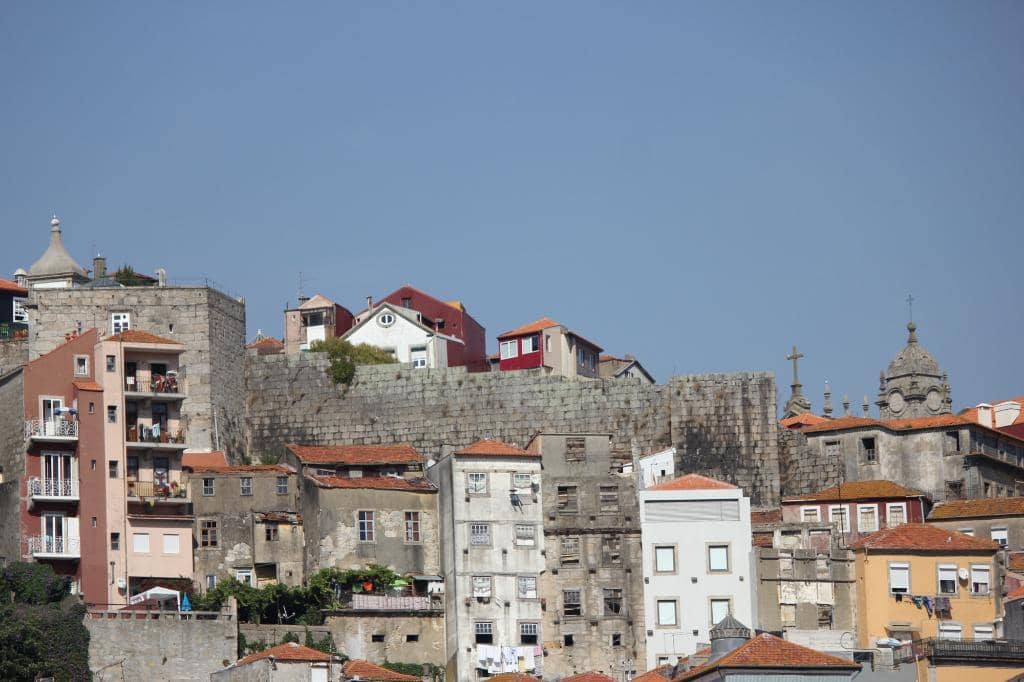
Explore surviving sections of the 14th-century medieval wall, offering glimpses into Porto's past defenses.
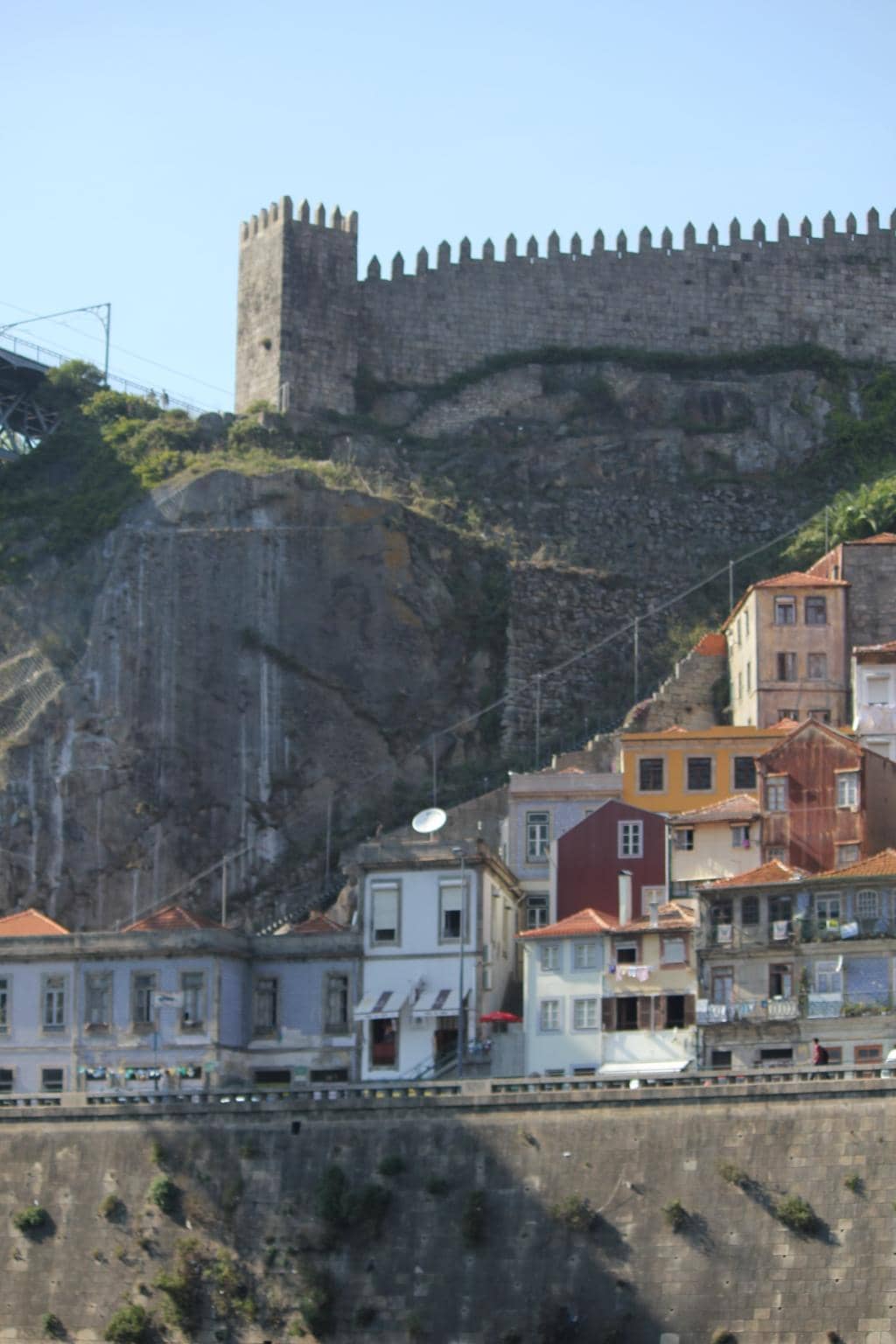
Postigo do Carvão
Near the Douro River
The sole surviving gate of the Muralha Fernandina, once crucial for riverborne trade.
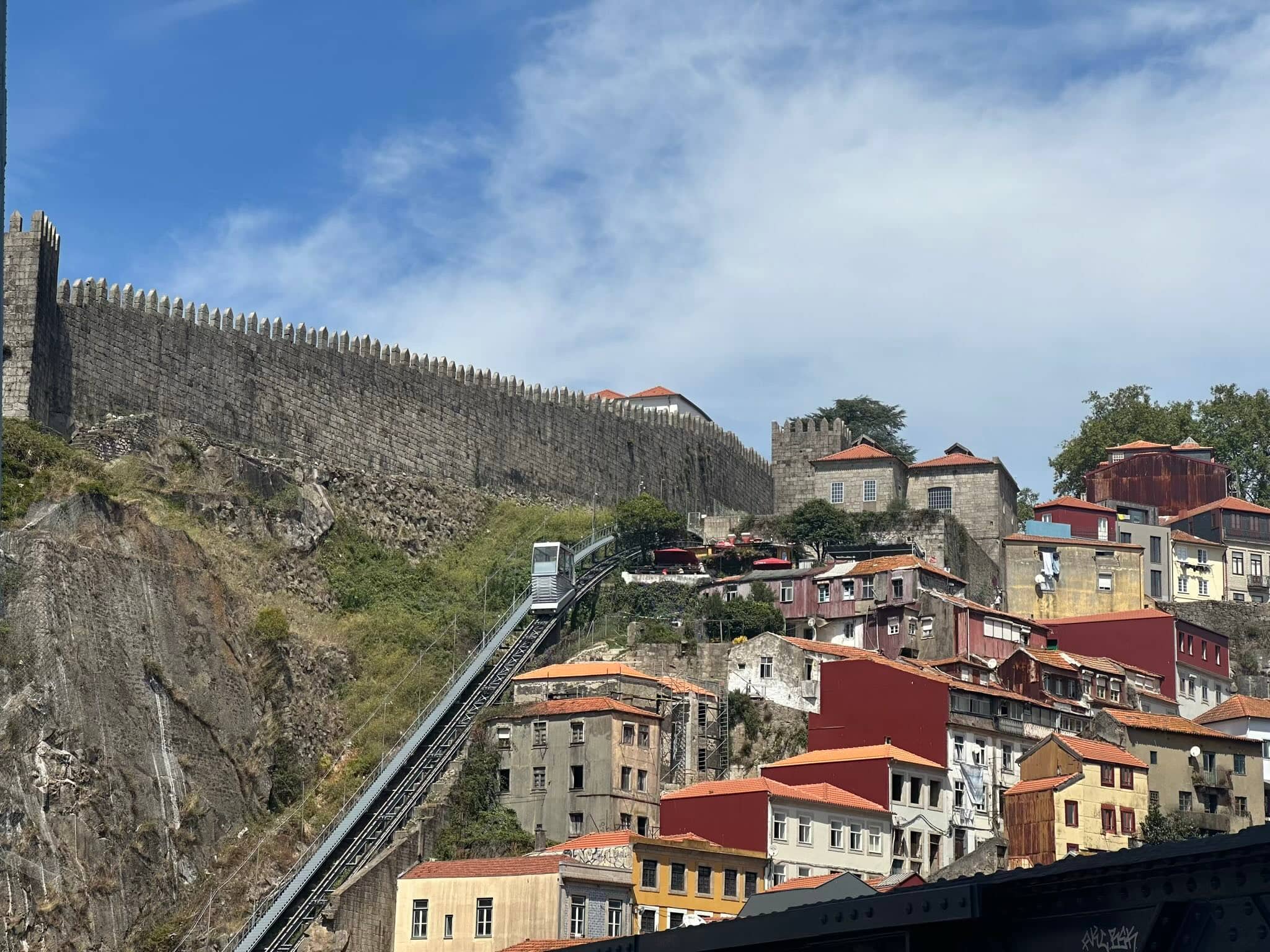
Panoramic City Views
Along the wall sections
Enjoy breathtaking vistas of Porto and the Douro River from elevated points on the old fortifications.
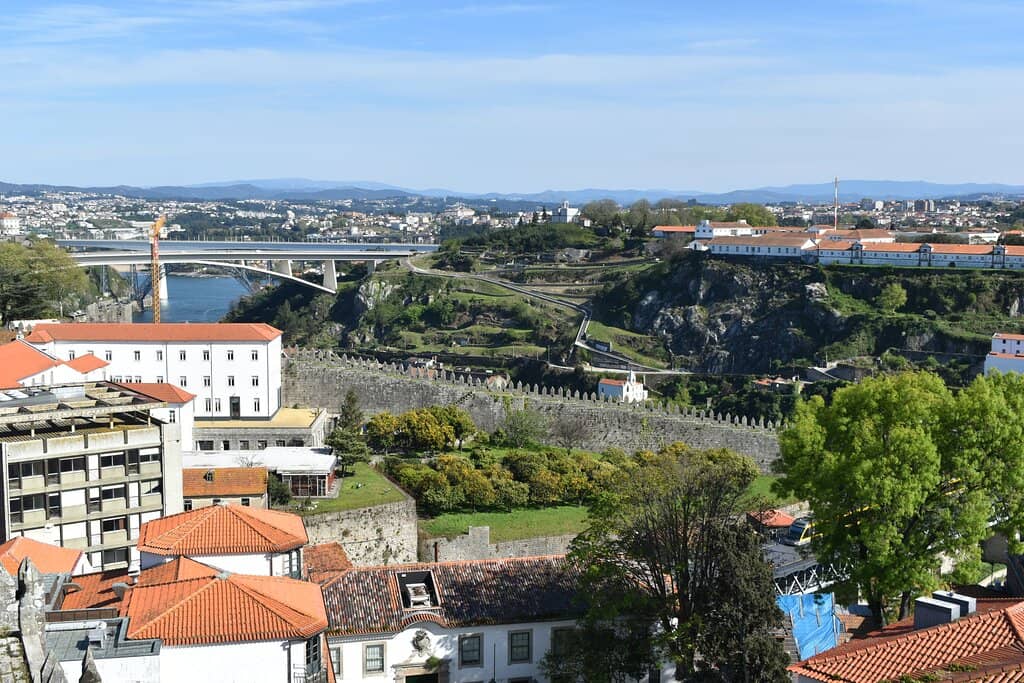
Largo Actor Dias
Near the former Porta do Sol
A historic square adjacent to a section of the wall, once the site of the Porta do Sol gate.
Plans like a pro.
Thinks like you
Planning Your Visit
Understand the Scale of History
Best Views & Hidden Gems
Best Times
Insider Tips
from TikTok, Instagram & Reddit
🚶♀️ Explore Beyond the Obvious
Don't just see the wall; look for staircases leading to new perspectives and historical details.
🌃 Nighttime Magic
The wall is stunning at night with dramatic lighting that creates shifting shadows.
📸 Capture the Graffiti
Look for the 'Porto' graffiti on the walls – a great photo opportunity!
🧐 Appreciate Masonry Layers
Notice the different masonry techniques and historical layers visible on the wall.
Tips
from all over the internet
🚶♀️ Explore Beyond the Obvious
Don't just see the wall; look for staircases leading to new perspectives and historical details.
🌃 Nighttime Magic
The wall is stunning at night with dramatic lighting that creates shifting shadows.
📸 Capture the Graffiti
Look for the 'Porto' graffiti on the walls – a great photo opportunity!
🧐 Appreciate Masonry Layers
Notice the different masonry techniques and historical layers visible on the wall.
🐦 Pigeons in Arrow Slits
See pigeons nesting in arrow slits, just as they might have centuries ago.
What Travellers Say
Reviews Summary
Visitors find the Muralha Fernandina a fascinating glimpse into Porto's medieval past, appreciating the surviving fragments and the historical context they provide. The panoramic views from the wall sections are a significant highlight, especially when illuminated at night. While not a continuous structure, the remnants offer a tangible connection to the city's defensive history.
"I was expecting a longer ride but it seemed like it ended on less than 30 seconds. I probably enjoyed the bit when you're faced with the cart coming from the opposite end. Once you reach the top (assuming you took it from the bottom) there's a large wall (old city wall) and pretty much nothing else. We didn't explore much of what is there, because we found a staircase and without knowing that it would lead us all the way down again (d'oh!) we took it. So the advice is have a good look around..It's a nice quiet place so on a good day I think it would be busy with the green space mostly occupied by sun lovers. There is however a lovely grafitti on the walls with the sign Porto, which was great to see. If you miss the train its really not the end of the world!"
Babita Singh
"Here we take the cable car to the higher portion of the city on the other side of de steel bridge to cross over and get down again by the stairs an the other side"
Roberto Revilla Junco
"Classic medieval wall. Very cool!"
Jesse Franzen
What People Like
What People Dislike
Frequently Asked Questions
🚇 🗺️ Getting There
The Muralha Fernandina is spread across Porto's historic center. Many sections are easily accessible on foot from popular areas like Ribeira. You can also use public transport to reach different parts of the old city.
There isn't one single entrance as the wall is fragmented. You can stumble upon sections while exploring the historic streets. Look for signs or ask locals for directions to specific remnants.

No, only fragments of the Muralha Fernandina remain. You can walk along some of these preserved sections, but it's not a continuous path.
A walking tour of Porto's historic center is ideal. This allows you to discover various sections and learn about their significance from guides.
Yes, most remnants are in the easily walkable historic center. Be prepared for some hilly terrain, typical of Porto.
🎫 🎫 Tickets & Entry
Most sections of the Muralha Fernandina are visible from public streets and do not require an entrance fee. Accessing specific viewpoints or historical sites within the vicinity might have associated costs.
As it's an outdoor historical site, the remnants of the Muralha Fernandina are generally accessible at all times. However, specific areas or adjacent attractions might have their own operating hours.
Yes, many guided walking tours of Porto's historic center include visits to the Muralha Fernandina remnants. These tours offer valuable historical context.
Spring and autumn offer pleasant weather for exploring. However, the wall's nighttime illumination makes evening visits particularly magical year-round.
No, only fragments of the original wall are preserved. Access to these fragments is generally open, but some areas might be restricted for preservation.
📸 📸 Photography
Look for elevated viewpoints that capture the scale of the wall fragments against the city skyline. The Postigo do Carvão also makes for a unique shot.
Absolutely! The night lighting dramatically enhances the wall's texture and creates atmospheric shadows, making for stunning photos.
Generally, no. However, always be mindful of private property and respect any signage indicating restrictions.
A wide-angle lens is useful for capturing the wall's expanse and city views. A tripod can be beneficial for low-light or nighttime photography.
Yes, the 'Porto' graffiti is a popular photo subject. It adds a modern artistic touch to the ancient structure.
🎫 🧐 Onsite Experience
You'll see surviving sections of the 14th-century medieval wall, including remnants of towers and gates like the Postigo do Carvão. Enjoy panoramic city and river views.
Depending on how many sections you want to explore, allocate 1-2 hours. If you're just passing by, a quick photo stop takes minutes.
Many sections are in the heart of the historic center, so you'll find cafes, restaurants, and shops nearby.
Some parts are accessible, but Porto's historic center is hilly with cobblestone streets, which can be challenging. Check specific locations beforehand.
It was built in the 14th century to protect Porto from invasions and trade disputes, marking a significant period of the city's growth.






Social
from TikTok, Instagram & Reddit