Rio Maior Salt Pans
Historic inland salt pans with geometric pools, showcasing centuries-old salt production methods and charming village shops.
Highlights
Must-see attractions

Social
From TikTok & Reddit
Best Time
Best chance for active harvesting
Rio Maior Salt Pans
Best Time
Best chance for active harvesting
Highlights
Must-see attractions
Historic inland salt pans with geometric pools, showcasing centuries-old salt production methods and charming village shops.
"A fascinating glimpse into centuries-old salt production in a charming village setting."
Check the Weather First! ☀️
Salt production relies on sun and dry air. Check forecasts for active harvesting days.
Wear Comfortable Shoes :athletic_shoe:
You'll be doing a fair bit of walking around the salt pans and village.

Quick Facts
Hours
Rating
4.6 · 9,990 reviews
Type
Tourist Attraction
Highlights
Discover the most iconic attractions and experiences
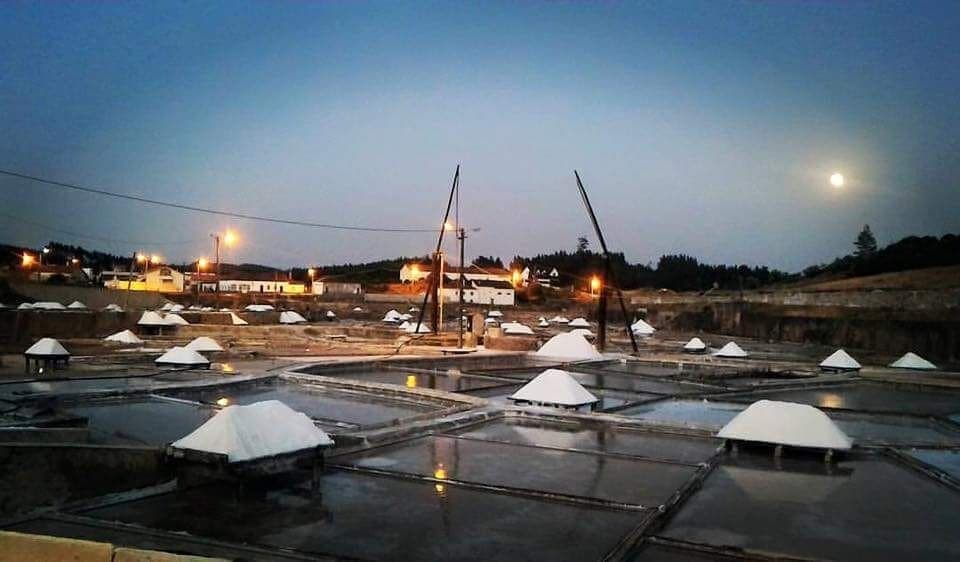
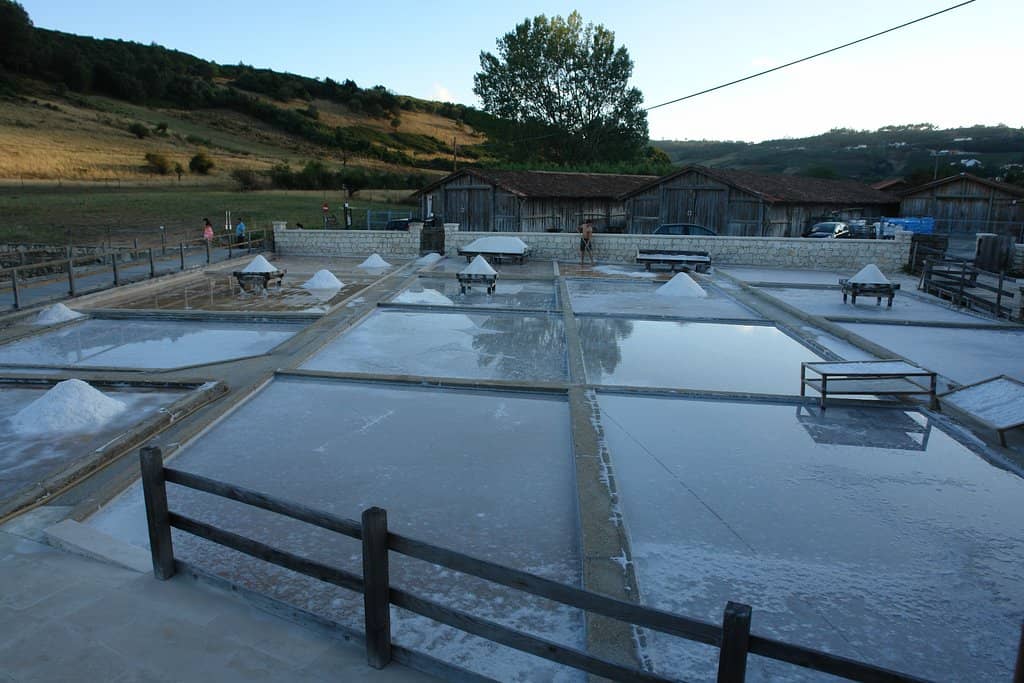
Geometric Salt Pans
The main salt harvesting area
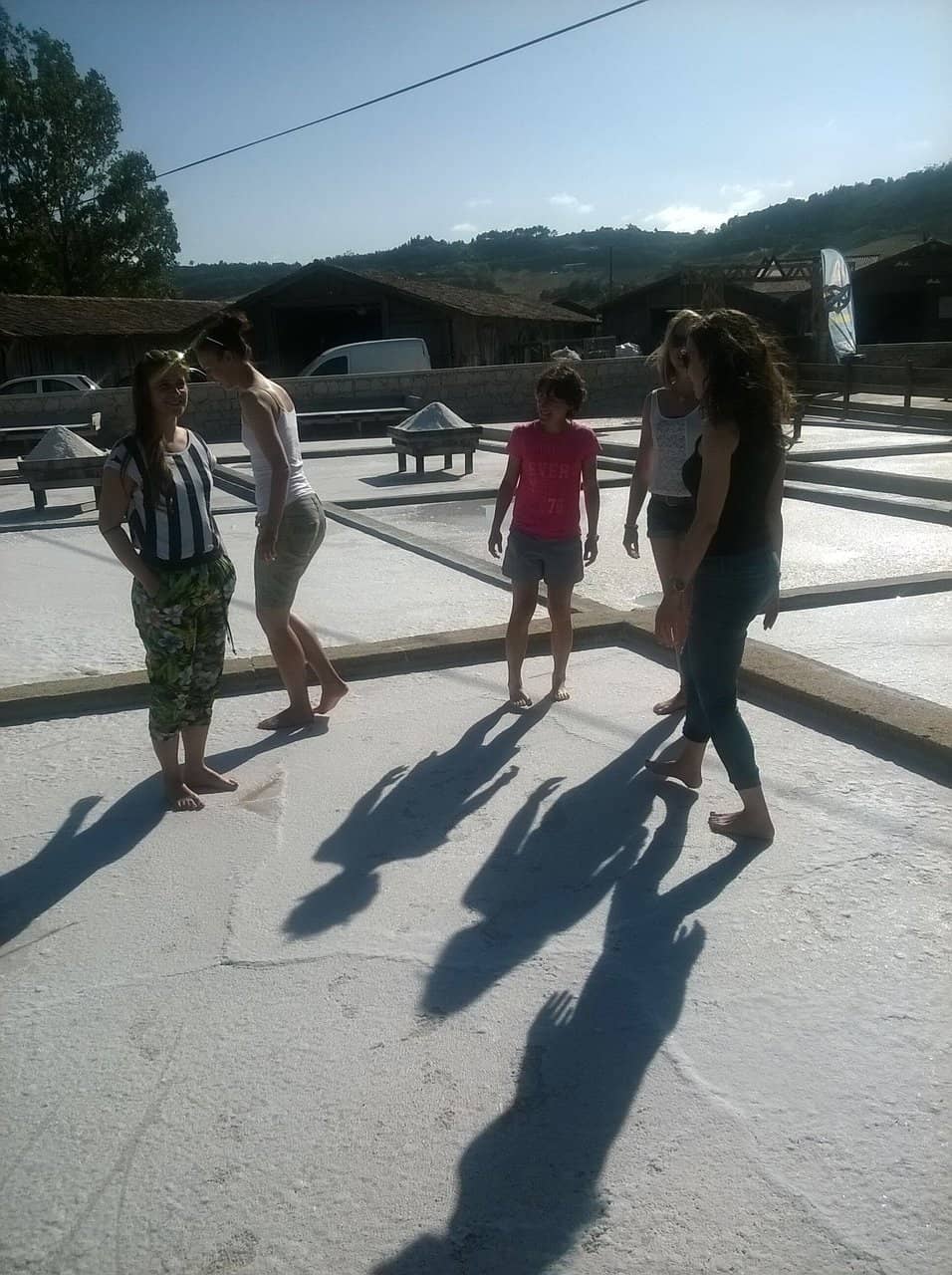
Witness the mesmerizing geometric patterns of salt pools, a testament to centuries of traditional salt production.
Traditional Salt Harvesting
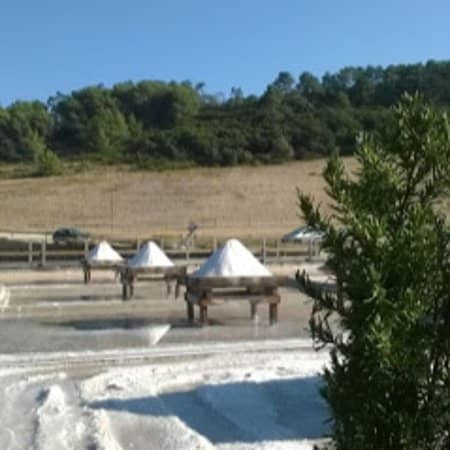
Active salt pans
Observe the fascinating process of extracting salt from brine, a practice dating back to 1177.
Salt Producers' Shops
Village main street
Browse charming wooden sheds turned shops selling local salt, handicrafts, and regional products.
Plans like a pro.
Thinks like you
Planning Your Visit
Timing is Key for Salt Harvesting
Explore Beyond the Salt Pans
Best Times
Insider Tips
from TikTok, Instagram & Reddit
Check the Weather First! ☀️
Salt production relies on sun and dry air. Check forecasts for active harvesting days.
Wear Comfortable Shoes :athletic_shoe:
You'll be doing a fair bit of walking around the salt pans and village.

Buy Local Salt :salt:
Support local producers by purchasing their unique salt products and regional crafts.
Visit Nearby Attractions :world_map:
Combine your visit with Óbidos or Alcobaça Monastery for a richer cultural experience.
Tips
from all over the internet
Check the Weather First! ☀️
Salt production relies on sun and dry air. Check forecasts for active harvesting days.
Wear Comfortable Shoes :athletic_shoe:
You'll be doing a fair bit of walking around the salt pans and village.
Buy Local Salt :salt:
Support local producers by purchasing their unique salt products and regional crafts.
Visit Nearby Attractions :world_map:
Combine your visit with Óbidos or Alcobaça Monastery for a richer cultural experience.
What Travellers Say
Reviews Summary
Visitors find the Rio Maior Salt Pans to be a fascinating and unique discovery, offering a glimpse into centuries-old salt production. The geometric patterns of the pans and the charming village shops are highlights, though the experience can be weather-dependent for active harvesting. It's a memorable stop for history and scenery enthusiasts.
"We came for sunset in August, and had a lovely walk around the site. (No entry fees) Trail around the perimeter (can’t walk in the middle), and so beautiful and fascinating to see how it works. My kids loved it, even a swing for them to enjoy. We enjoyed coming late in the cool evening and having the place to ourselves, however we did miss out on all the touristy shops that are closed at this hour."
Gillian Stops
"A fascinating glimpse into centuries-old salt production in a charming village setting. The wooden huts, salt pyramids, and friendly local shops make this a unique and memorable stop for history, scenery, and tradition lovers alike"
Alex Zen
"Category: Attraction. What a great discovery! Staying at the Quinta da Lapa winery (see my review), we were looking for something to do until our winery tour started at 4pm. We were told about this village, where they have been extracting sea salt from sea water since 1177 (yes, the year 1177). We were also told that despite almost 900 years of operation, they were not extracting salt that day because it had recently rained 😂, but that there are restaurants and shops where we could buy the local salt. Despite the salt flats’ dormancy, we went anyway (about a 30 minute drive), motivated by the prospect of buying the local salt. Really glad we did. We had a great afternoon there. The expansive salt ponds/flats reminded me a little of the leather tannery in Fez, Morocco, without the colors. The flats were mostly dormant that day, but we got the idea of how the extraction happens, and there were a few pyramids of salt (tiny pyramids, not like Khufu in Giza), which is how they gather the evaporated salt. After viewing the salt flats, we explored the village, which has one short, narrow main drag lined on both sides with very old, very weathered wooden sheds that were formerly used to store salt. Now they are shops and restaurants, and the street reminded me a little of similar narrow streets of very old weathered wooden shops in Japan, the kind sometimes shown in Japanese woodblock prints depicting such shops on snowy nights, and used on Christmas cards. We explored each shop along the street before settling on one of the several restaurants for lunch (Taberna 1865, see my review). Most of them sell — wait for it — the local salt, along with a wide selection of other goods, such as salt products, local olive oil and wine, ceramics and pottery, cork ware, cooking and serving wares, woodworking, and art. After exploring for about 2 hours, we had lunch, talking about how happy we were that we discovered this unusual place. Is it for tourists? Yes, but it was very different and unexpected, and we enjoyed our time here very much. And yes, we bought some salt, both for ourselves and to give as gifts. YouTube’s Chef’s Apprentice"
John Hornick Chef’s Apprentice
What People Like
What People Dislike
Frequently Asked Questions
🚇 🗺️ Getting There
The Rio Maior Salt Pans are about an hour's drive north of Lisbon. You can rent a car for the most flexibility, or take a bus from Lisbon to Rio Maior and then a short taxi ride to the salt pans.
Yes, there is parking available for visitors near the salt pans.
Absolutely! It's a popular day trip destination from Lisbon, offering a unique glimpse into traditional salt production.
Yes, there is available entrance for disabled visitors.
A walk around the perimeter of the salt pans is recommended. While you can't walk in the middle, the trail offers great views.
🎫 🎫 Tickets & Entry
Entry to walk around the perimeter of the salt pans is generally free. However, guided tours may have a fee.
The salt pans are typically accessible during daylight hours. The shops and restaurants in the village have their own operating times, which can vary.
Yes, you can visit the salt pans year-round to see the unique landscape and the historic structures, even if active harvesting isn't taking place due to weather.
Yes, guided tours are often available, providing in-depth information about the history and process of salt production.
Most visitors spend around 20 minutes to an hour exploring the salt pans and the village shops.
📸 📸 Photography
Early morning or late afternoon offer the best light for photography, creating beautiful shadows and highlighting the textures of the salt.
The trail around the perimeter of the salt pans provides excellent vantage points for capturing the geometric patterns and the surrounding landscape.
You can capture unique shots of the geometric salt pools, the traditional wooden sheds, and the process of salt evaporation.
Regulations regarding drone photography can vary. It's advisable to check local rules before flying a drone.
A wide-angle lens is great for capturing the expanse of the salt pans, while a telephoto lens can be useful for details.
🍽️ 🍽️ Food & Dining
Yes, the village has several restaurants located in the former salt storage sheds, offering local cuisine.
You can find traditional Portuguese dishes, often featuring local ingredients. Many restaurants also sell local salt products.
Options may vary by restaurant. It's best to inquire directly with the establishment about their offerings.
Absolutely! The shops and restaurants sell various types of local salt, as well as salt-based products.
Taberna 1865 is mentioned as a place where visitors enjoyed lunch.




Social
from TikTok, Instagram & Reddit