Igreja de São Julião
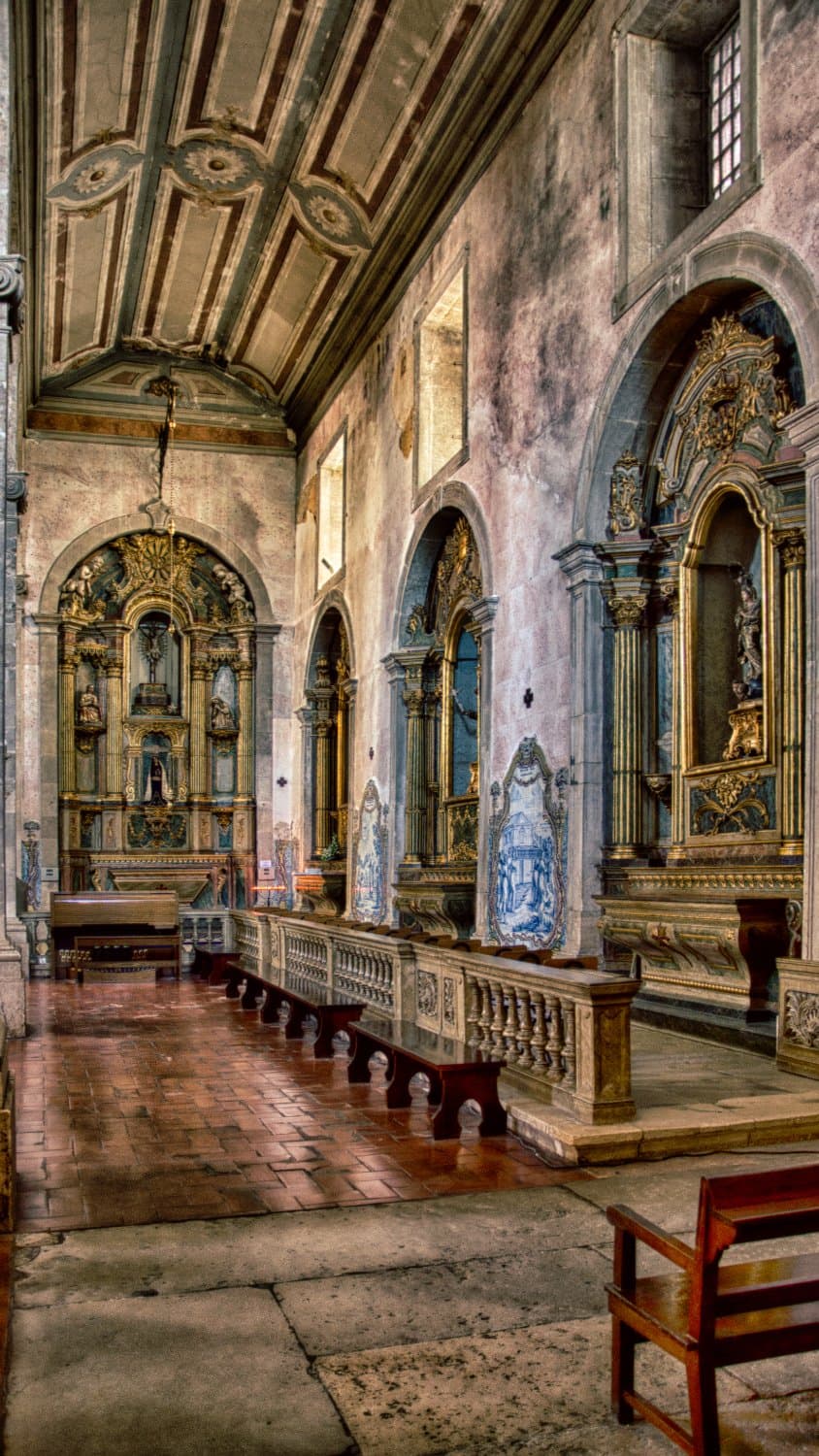
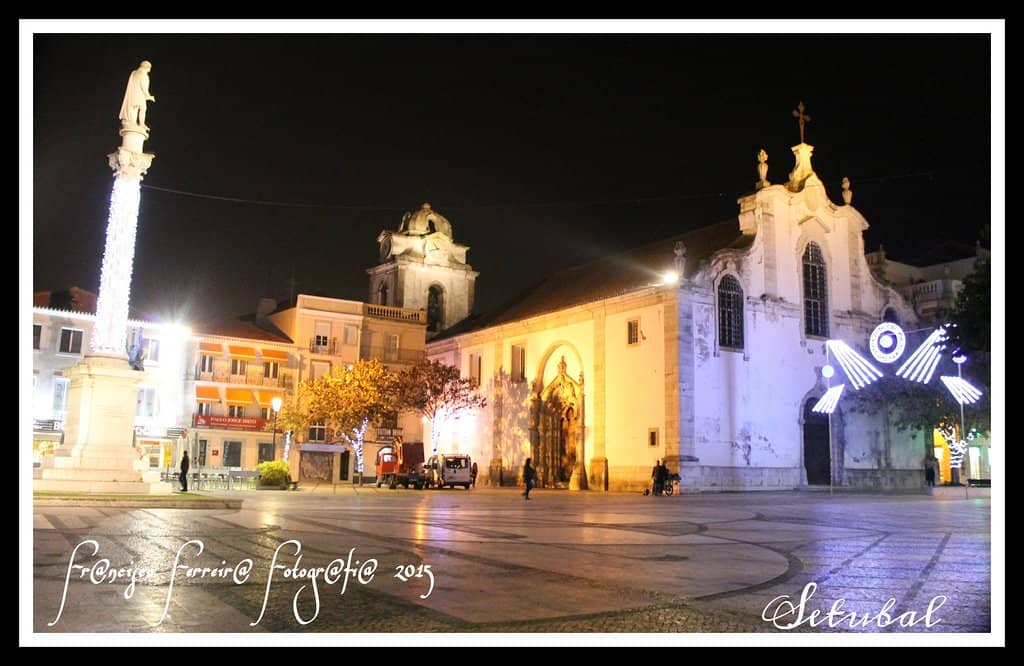
A historic church in Setúbal's Praça do Bocage, known for its humble exterior and surprisingly ornate, gilded interior.
Highlights
Must-see attractions

Social
From TikTok & Reddit
Best Time
Peaceful exploration
Igreja de São Julião
Best Time
Peaceful exploration
Highlights
Must-see attractions
A historic church in Setúbal's Praça do Bocage, known for its humble exterior and surprisingly ornate, gilded interior.
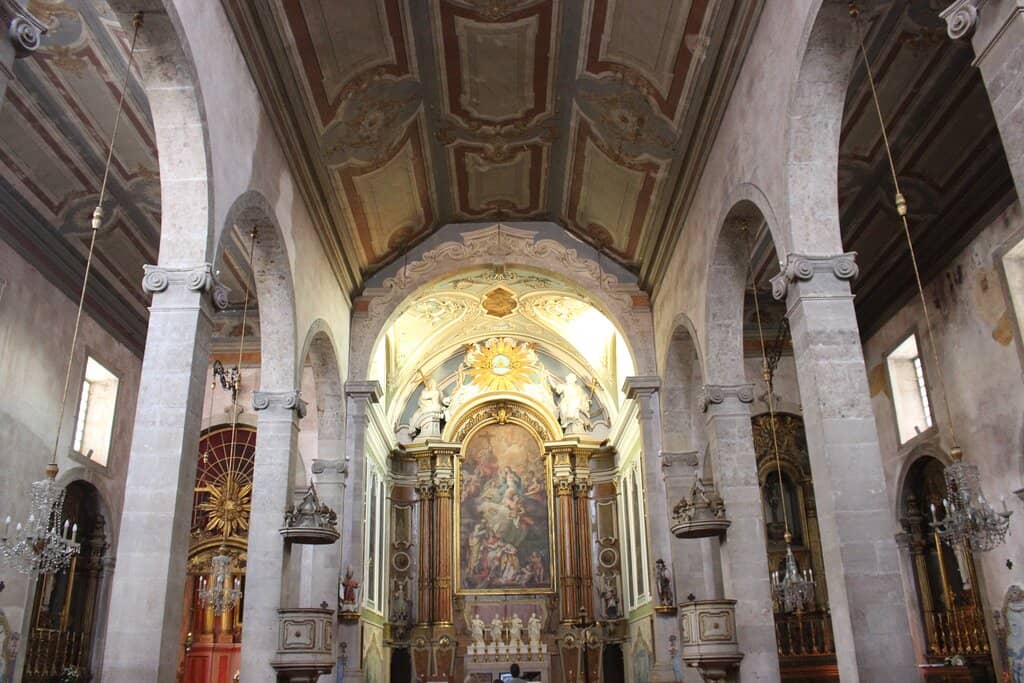
"A humble rustic church outside, but very gilded inside – a beautiful spiritual experience."
✨ Admire the Contrast
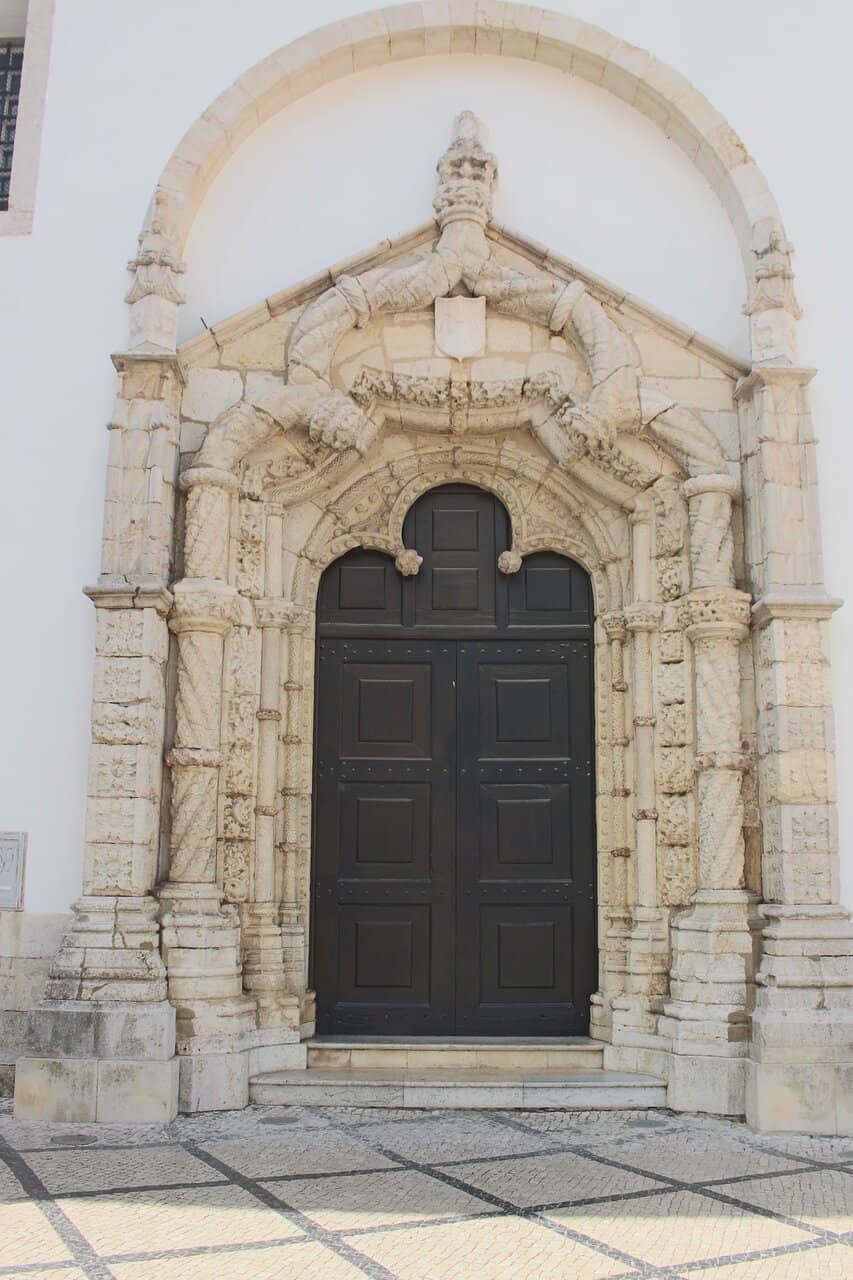
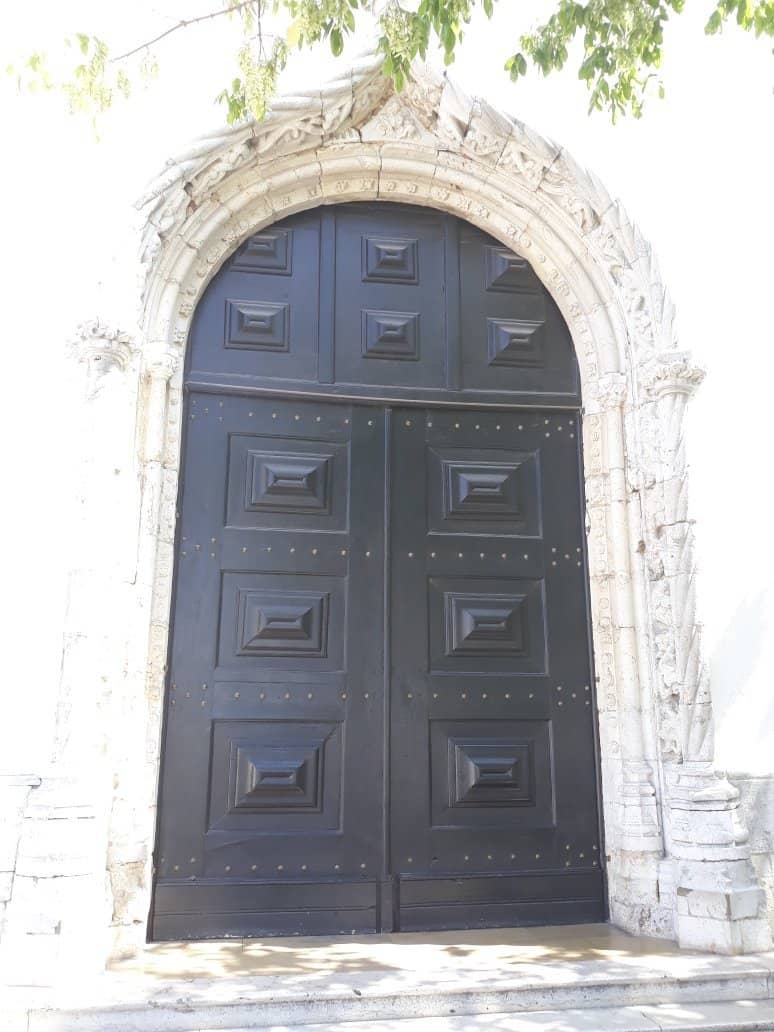
The humble exterior belies a richly gilded interior – prepare to be surprised!
📸 Capture the Square
The church's location in Praça do Bocage offers great photo ops, especially during local fairs.
Quick Facts
Hours
Rating
4.5 · 713 reviews
Type
Church
Highlights
Discover the most iconic attractions and experiences
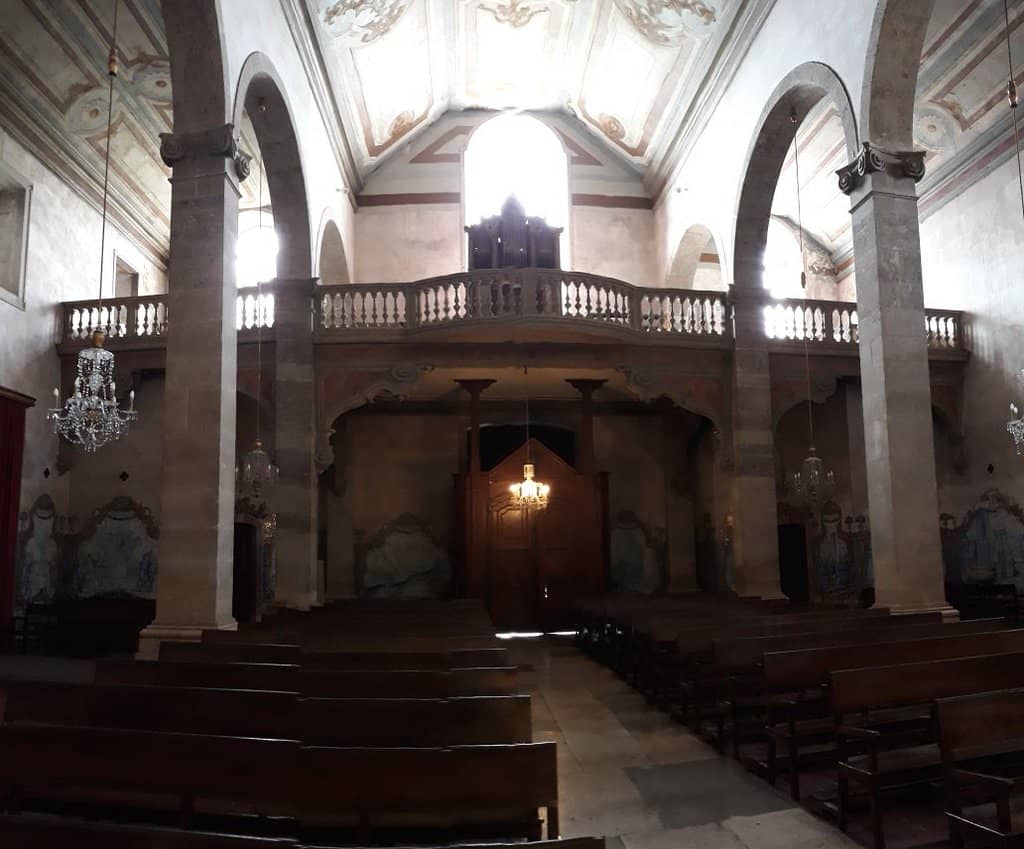
Gilded Interior
Main Nave
Step inside to discover a surprisingly ornate interior, a stark contrast to its humble exterior.
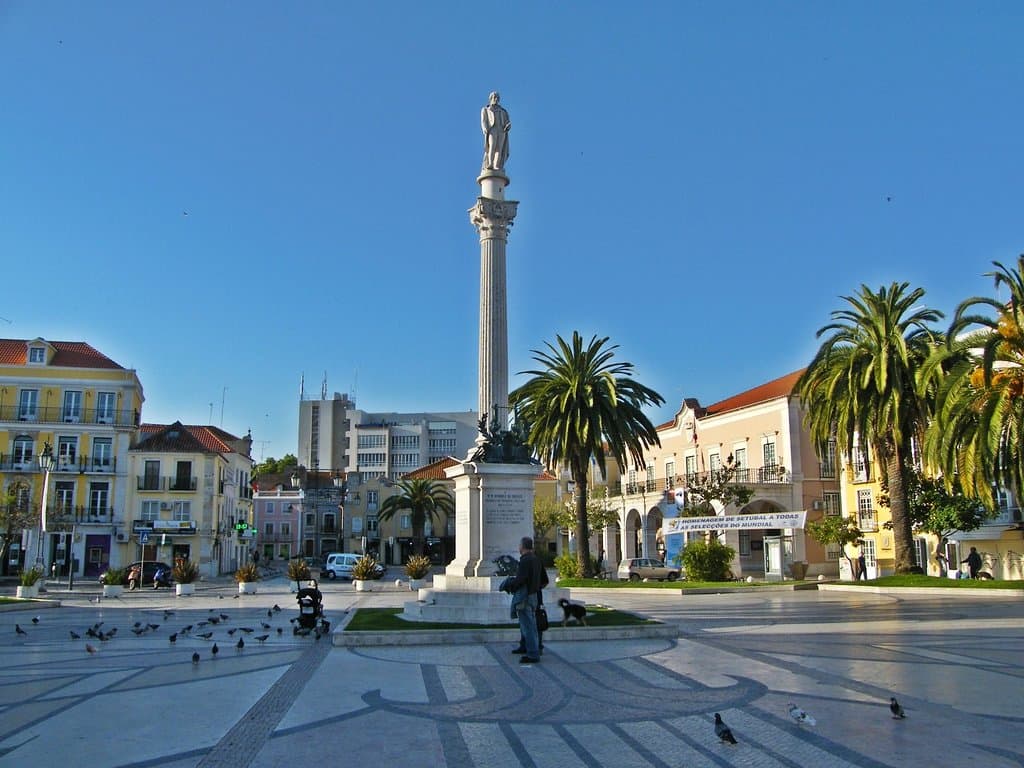
Praça do Bocage Setting
Exterior
Admire the church's facade against the backdrop of Setúbal's vibrant main square.
Historical Significance
Throughout the church
Explore centuries of history, from its 13th-century origins to its 16th-century reconstruction.
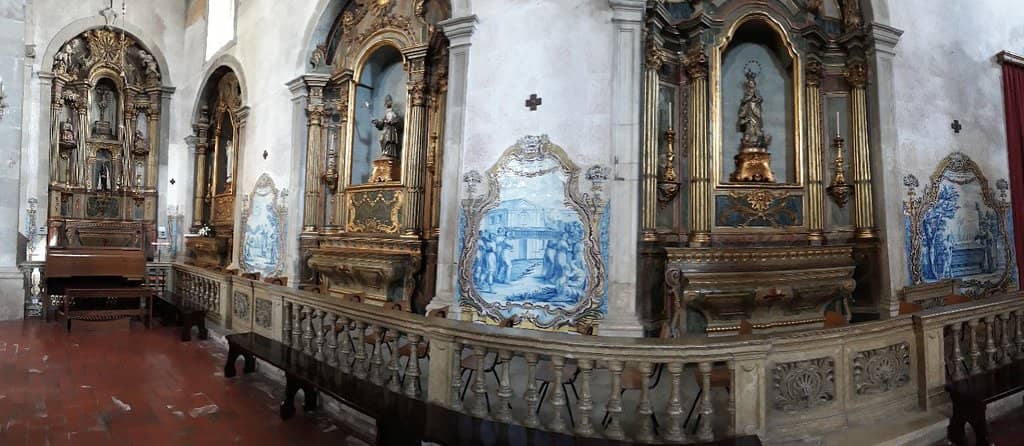
Tile Imagery
Interior Walls
Appreciate the detailed tile work that adds to the church's spiritual and artistic appeal.
Plans like a pro.
Thinks like you
Planning Your Visit
Timing Your Visit
Location & Accessibility
Best Times
Insider Tips
from TikTok, Instagram & Reddit
✨ Admire the Contrast
The humble exterior belies a richly gilded interior – prepare to be surprised!
📸 Capture the Square
The church's location in Praça do Bocage offers great photo ops, especially during local fairs.
🧘 Find Inner Peace
It's a quiet, spiritual place perfect for reflection and appreciating beauty.
🕰️ Check Historical Context
Learn about its 13th-century origins and 16th-century reconstruction for a deeper appreciation.
Tips
from all over the internet
✨ Admire the Contrast
The humble exterior belies a richly gilded interior – prepare to be surprised!
📸 Capture the Square
The church's location in Praça do Bocage offers great photo ops, especially during local fairs.
🧘 Find Inner Peace
It's a quiet, spiritual place perfect for reflection and appreciating beauty.
🕰️ Check Historical Context
Learn about its 13th-century origins and 16th-century reconstruction for a deeper appreciation.
What Travellers Say
Reviews Summary
Visitors consistently praise the Igreja de São Julião for its surprising and beautiful gilded interior, a stark contrast to its modest exterior. Many find it a peaceful and spiritual place, perfect for quiet contemplation. Its central location in Praça do Bocage is also a plus, often enhanced by local fairs.
"Beautiful church"
thomas masterman
"Peaceful Spiritual Historical. I really connected with Sao Juliao"
Dennis Beauchamp
"Beautiful church, amazing they were able to build the stadium right now door and it does seem a shame. Outside it's a humble rustic church but inside it's very gilded"
Jess Holt
What People Like
What People Dislike
Frequently Asked Questions
🚇 🗺️ Getting There
Igreja de São Julião is centrally located in Setúbal's Praça do Bocage, making it easily accessible by foot if you're exploring the city center. Public transport options are also available to reach the Praça do Bocage. 
While direct parking at the church is unlikely due to its central square location, there are usually parking facilities available in the vicinity of Praça do Bocage. It's best to check local parking apps or signs upon arrival.
🎫 🎫 Tickets & Entry
Entry to Igreja de São Julião is generally free, as it is an active place of worship. However, it's always a good idea to check for any specific event schedules or potential small fees for certain areas if applicable.
Opening hours can vary, especially for religious sites. It's recommended to check local listings or inquire nearby for the most up-to-date visiting times to ensure you can access the church.
Visitors are generally welcome to attend services, but it's important to be respectful of worshippers. If you wish to explore the church's architecture and art, visiting outside of service times is usually preferred.
📸 📸 Photography
Photography rules can vary in churches. While many allow non-flash photography for personal use, it's best to look for signage or politely ask church officials if you are unsure.
The contrast between the humble exterior and the ornate interior is a key photographic subject. Also, consider capturing the church within the lively Praça do Bocage, especially during festive seasons.
🎫 🏛️ History & Architecture
The church's origins date back to the second half of the 13th century, with a significant reconstruction ordered by King Manuel I in 1513, completed between 1516 and 1520.
While its origins are medieval, the reconstruction in the early 16th century under King Manuel I likely incorporated elements of Manueline style, characteristic of that period in Portugal.


Social
from TikTok, Instagram & Reddit