Igreja Matriz de Vila do Conde
A stunning Manueline church, a historical gem and a key stop for Camino Portuguese pilgrims.
Highlights
Must-see attractions

Social
From TikTok & Reddit
Best Time
Fewer crowds, peaceful atmosphere
Igreja Matriz de Vila do Conde
Best Time
Fewer crowds, peaceful atmosphere
Highlights
Must-see attractions
A stunning Manueline church, a historical gem and a key stop for Camino Portuguese pilgrims.
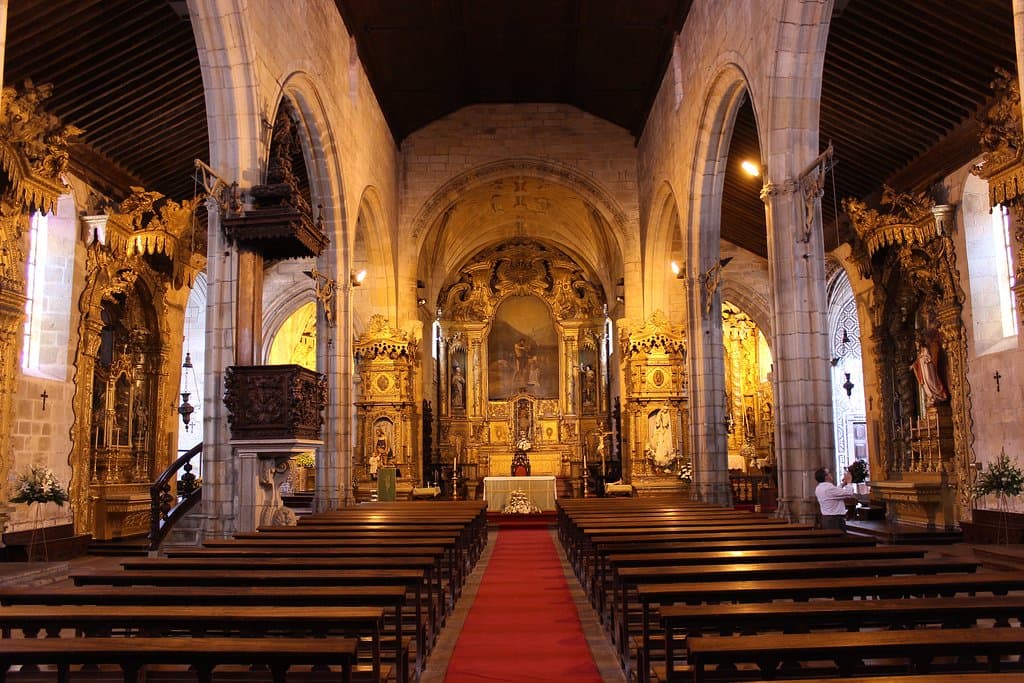
"A beautiful church with fantastic frescos, gargoyles, and stained glass windows."
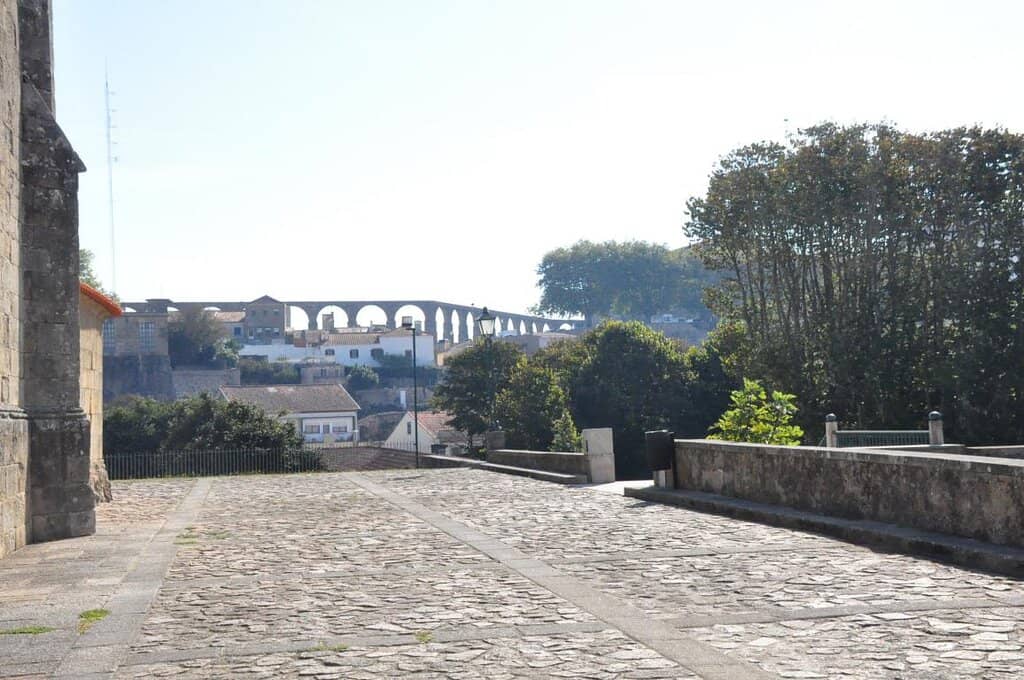
Admire the Exterior Details
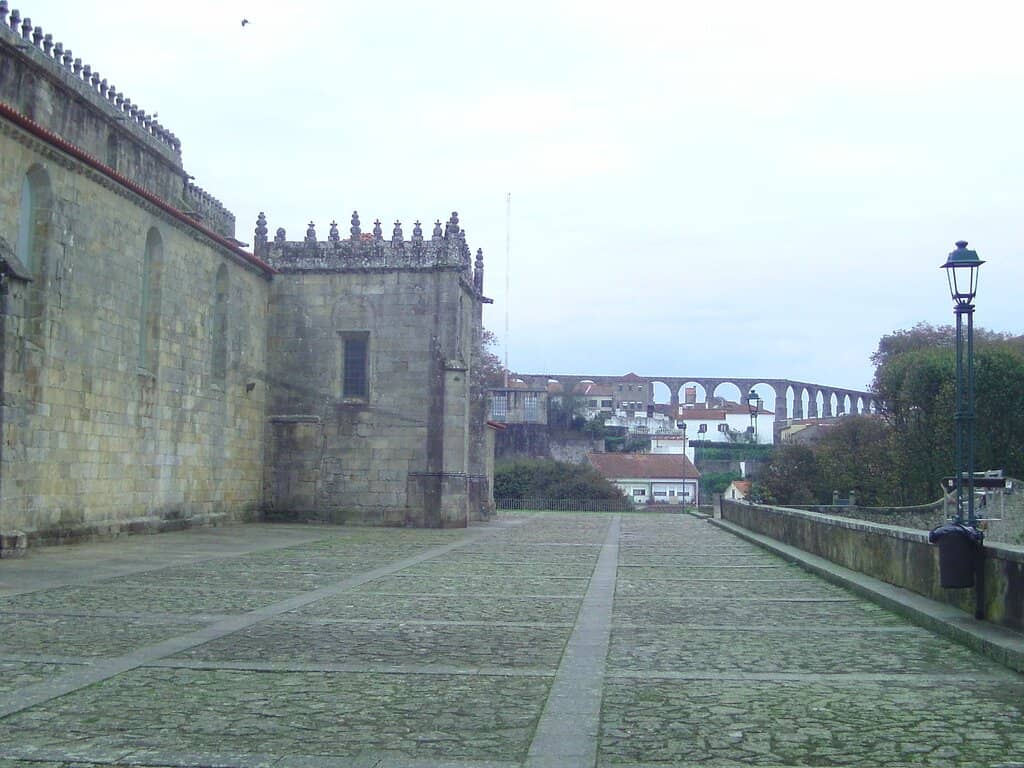
Even if you can't go inside, the exterior architecture and views are impressive. :camerawithflash:
Respect Pilgrim Space
Be mindful of pilgrims on their journey; it's a significant stop for them. 🙏
Quick Facts
Hours
Rating
4.6 · 742 reviews
Type
Church
Highlights
Discover the most iconic attractions and experiences
Manueline Architecture
Exterior and interior
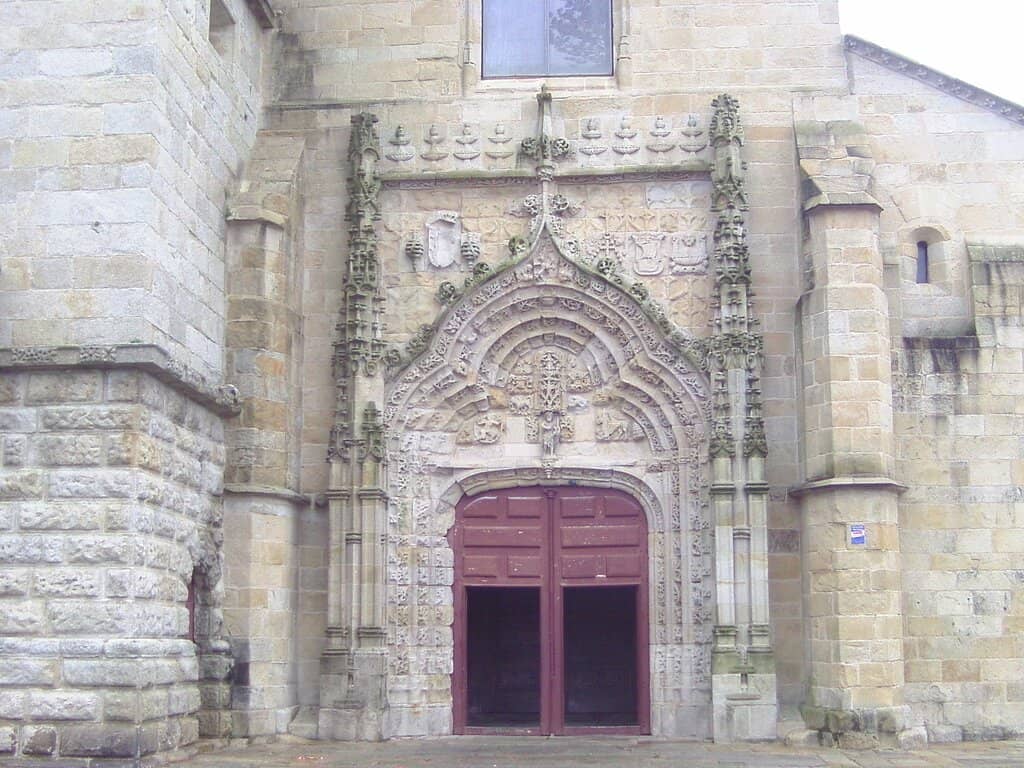
Marvel at the intricate Manueline style, a Portuguese late Gothic architectural style with maritime motifs.
Stunning Frescoes & Stained Glass
Interior
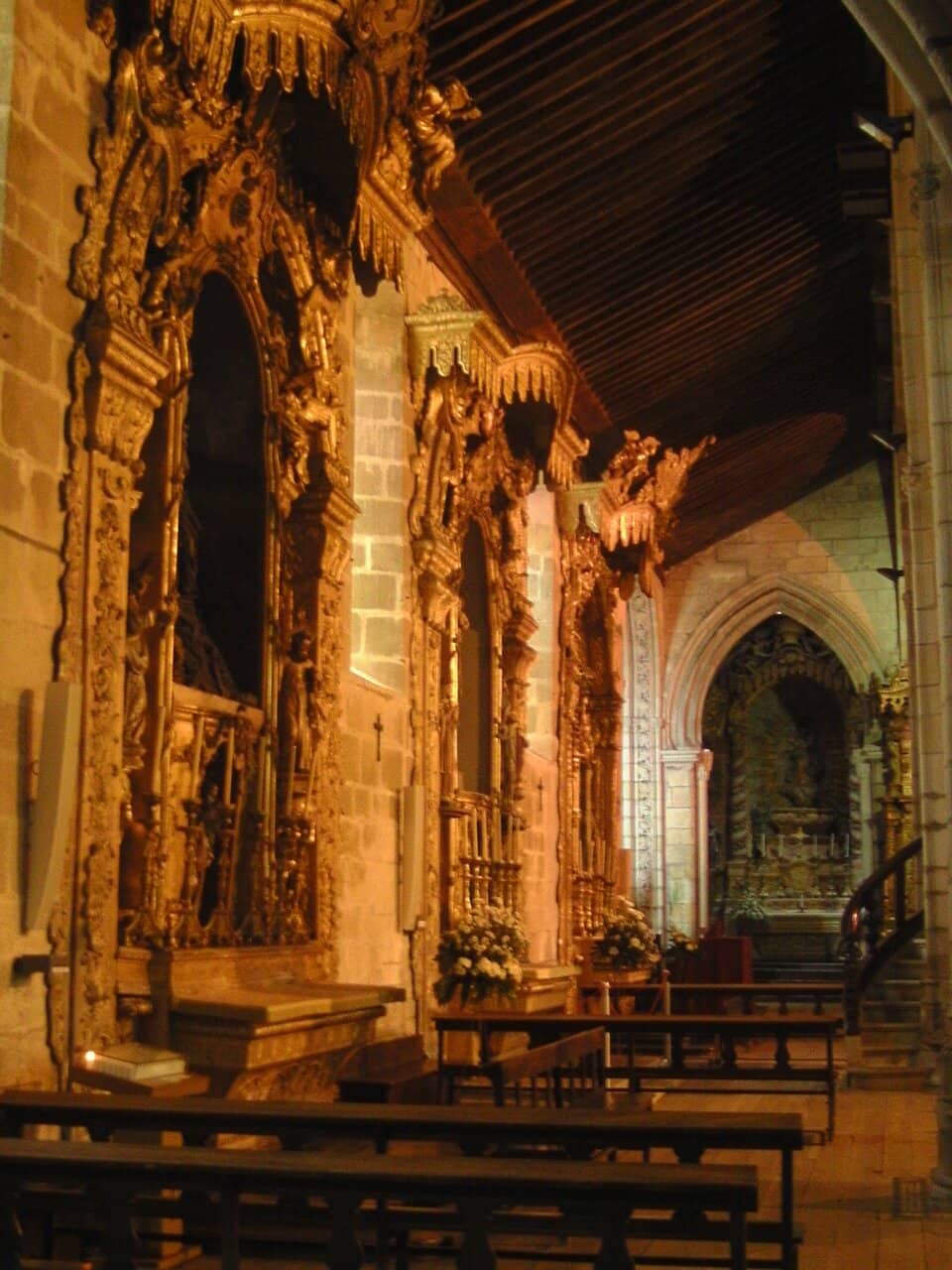
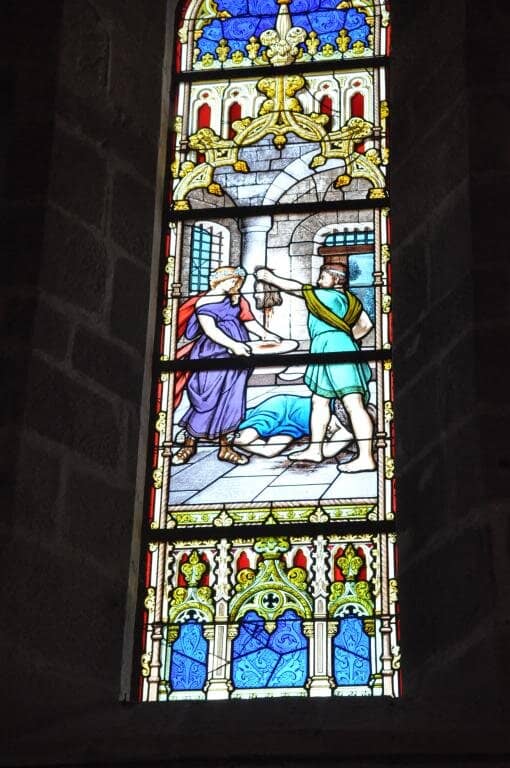
Admire the vibrant frescos, gargoyles, and beautifully crafted stained glass windows that tell stories.
Camino Portuguese Stamp
Entrance/Interior
Experience the spiritual ambiance as a key point for pilgrims on the Camino Portuguese.
Plans like a pro.
Thinks like you
Planning Your Visit
Timing Your Visit
Camino Portuguese Connection
Best Times
Insider Tips
from TikTok, Instagram & Reddit
Admire the Exterior Details
Even if you can't go inside, the exterior architecture and views are impressive. :camerawithflash:
Respect Pilgrim Space
Be mindful of pilgrims on their journey; it's a significant stop for them. 🙏
Look for Maritime Motifs
The Manueline style is rich with sea-themed carvings. 🚢
Check for Local Events
Vila do Conde often has traditional parades and festivals. :confetti_ball:
Tips
from all over the internet
Admire the Exterior Details
Even if you can't go inside, the exterior architecture and views are impressive. :camerawithflash:
Respect Pilgrim Space
Be mindful of pilgrims on their journey; it's a significant stop for them. 🙏
Look for Maritime Motifs
The Manueline style is rich with sea-themed carvings. 🚢
Check for Local Events
Vila do Conde often has traditional parades and festivals. :confetti_ball:
What Travellers Say
Reviews Summary
Visitors consistently praise the Igreja Matriz de Vila do Conde for its stunning Manueline architecture, intricate details, and beautiful stained glass. Many highlight its significance as a stop on the Camino Portuguese and appreciate the historical depth of the site. While generally free to enter, some may find the sheer amount of ornate detail overwhelming if not prepared.
"Beautiful church sits above the Vila do Conde market. Fantastic frescos, argoiles and stain glass windows. It is as if the building were sand blasted. For October 5th, a national holiday, we watched a very cute, traditional parade. See the video. Very proud marchers."
Charlie Woodward
"The construction of the Matrix of Vila do Conde was driven with the passage of King D. Manuel I by Vila do Conde, on his way to Compostela, in 1502, which in addition to a personal contribution poured taxes on the people and the nuns of Santa Clara to the construction of the new matrix. The fair of the Fair of the Fair, of December 5, 1502, gave precise instructions on how this church should be built. However, this project was widely changed with the construction of the Absidial Chapels (1507) - today dedicated to Our Lady of the Rosary and SS. Sacrament. Note the construction of the portico and the influence of João de Castilho, at this time. In 1518, the date of sacred, the Church had three ships and only later acquired a cruciform projection with the construction of the transept chapels: the Holy Body or Our Lady of Boa Viagem (1542) and that of St. Miguel-O-Anjo or Our Lady of the Assumption in (1561). The Vila do Conde matrix was thus voted as a markedly Manueline space, for the maritime motifs expressed in the decoration of the portal, the chapels arcs (especially the transepto), the baptismal source and the rich decoration of the vaels of the Mor, Absidial Chapels and the transepto. The following centuries brought the enrichment from their interior. In the seventeenth century the bell tower was built. In the eighteenth century the interiors of the churches adorned with the golden carving, the result of the gold that the Portuguese removed from Brazil. The matrix was made up of thirteen gilded altaries, which today present themselves in this way: on the side of the Gospel - Lord of Bonfim, St. Anthony, Our Lady of Piedade, Our Lady of the Assumption (Chapel of the Transept), Our Lady of the Rosary ( ABSIDIAL CAPELA); On the Epistle side the altarpieces of Our Lady of Conception, souls of purgatory, Sacred Heart of Jesus, Our Lady of the Boa Viagem (transept) and Blessed Sacrament (Absidial Chapel). The Mor Chapel has a altarpiece, with throne under the panel that represents the baptism of Christ by St. John the Baptist and, below this, the image of St. John the Baptist, flanked by the images of St. Gabriel and Our Lady Mother of God. Of the eighteenth century is the pulpit and the panel of the sacristy. In the twentieth century, under the impulse of the canon mons. José Augusto Ferreira did an important work of improvement. The openings were covered by Polychromic stained glass seasons in France: the central window represents the last supper; The naves the life and death of St. John the Baptist. In 1908 the Commander Bento d'Aguiar offered the pipe organ."
Artur Victoria
"Today, June 16, we celebrate the procession of Saint Sao Joao . a unique festival of vila do Conde"
bao tram nguyen
What People Like
What People Dislike
Frequently Asked Questions
🚇 🗺️ Getting There
The Igreja Matriz is centrally located in Vila do Conde, easily accessible on foot if you are staying in town. If arriving by car, there is parking available nearby, though it can be busy. Public transport options include buses that serve the town center.

Yes, the church holds significance for pilgrims on the Camino Portuguese, often serving as a notable landmark or point of reflection.
🎫 🎫 Tickets & Entry
Opening hours can vary, and it's advisable to check locally or online before your visit. Some sources suggest it's open daily, but specific times might differ.
Generally, entry to the main church area is free, though donations are always appreciated. Specific chapels or areas might have separate arrangements.
Absolutely! The church is a significant historical and architectural site, appreciated by visitors for its art, history, and beauty, regardless of religious affiliation.
📸 📸 Photography
Photography is usually permitted inside churches for personal use, but it's always best to be discreet and respectful, especially during services. Avoid flash photography.
The exterior offers great vantage points, especially from the surrounding streets and the market area. Inside, focus on the stained glass and architectural details.
🎫 🏛️ History & Architecture
The church is a prime example of Manueline architecture, a distinctive Portuguese style characterized by maritime motifs and elaborate ornamentation.
Construction began in the early 16th century, significantly influenced by King D. Manuel I's visit in 1502. It evolved over centuries with additions and enrichments.
King D. Manuel I played a key role in its early development. The church also holds significance for pilgrims traveling to Santiago de Compostela.

Social
from TikTok, Instagram & Reddit