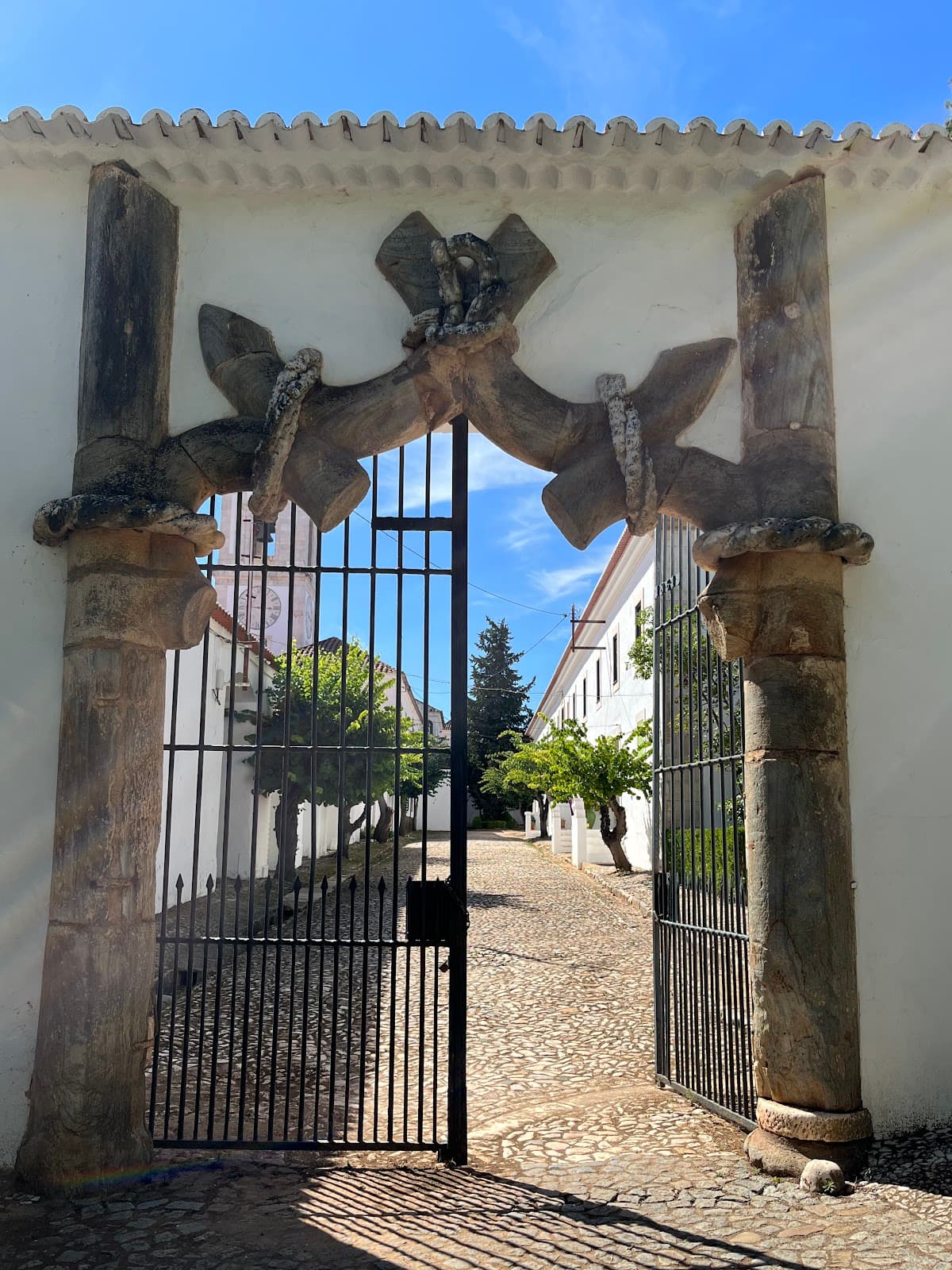
Casa de Bragança Museum Library
Discover Portugal's royal past through a stunning collection of well-preserved historical carriages, including the significant regicide carriage.
Highlights
Must-see attractions

Social
From TikTok & Reddit
Best Time
Fewer crowds, more personal attention
Casa de Bragança Museum Library
Best Time
Fewer crowds, more personal attention
Highlights
Must-see attractions
Discover Portugal's royal past through a stunning collection of well-preserved historical carriages, including the significant regicide carriage.
"Valuable historical insights and well-preserved carriages make this a surprisingly worthwhile visit."
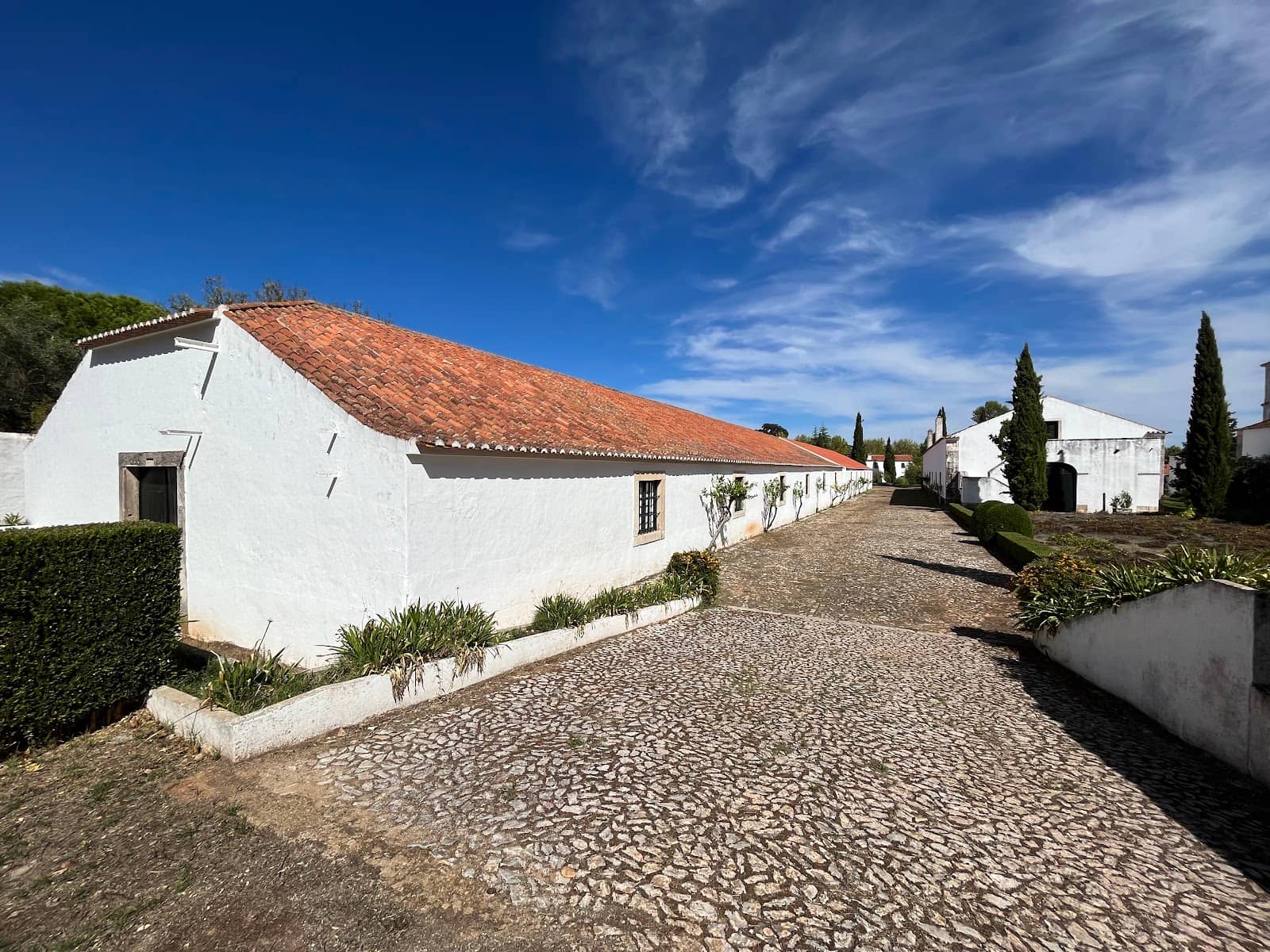
🚫 No Photos Allowed
Photography is strictly forbidden inside. Soak in the history visually!
🗣️ Understand Portuguese
Guides explain details in Portuguese; it enhances the experience.
Quick Facts
Rating
4.8 · 19 reviews
Type
Museum
Address
Highlights
Discover the most iconic attractions and experiences
Royal Regicide Carriage
Main Exhibition Hall
Witness the 1908 carriage bearing bullet marks from the assassination of King Carlos I and Prince Luís Filipe.
Preserved Historical Carriages
Old Stables
Explore a collection of well-maintained historical vehicles, showcasing centuries of royal transportation.
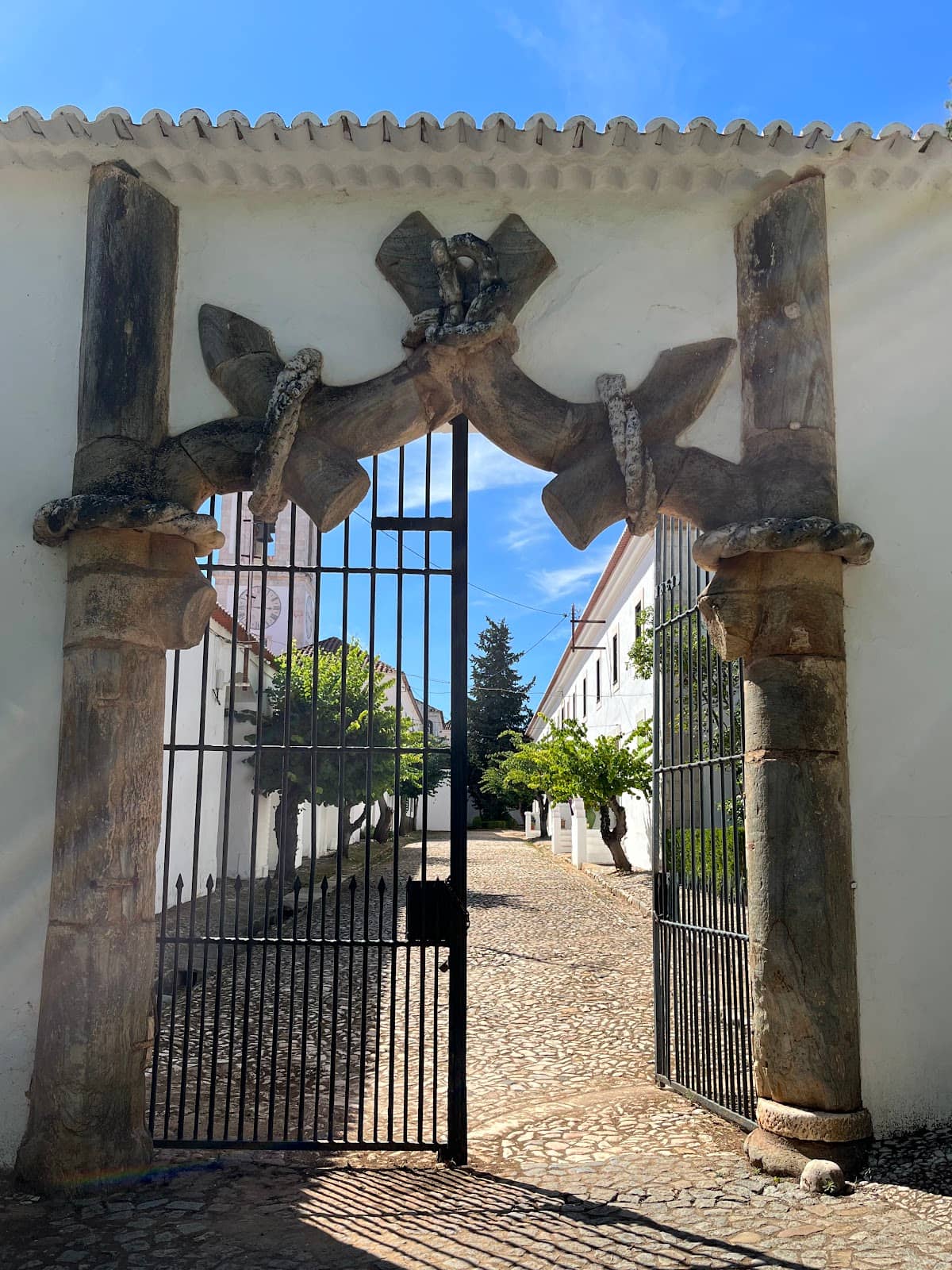
Insightful Staff Explanations
Throughout the museum
Benefit from knowledgeable staff who share fascinating details about the carriages and their history.
Plans like a pro.
Thinks like you
Planning Your Visit
Understand the Photography Rule
Embrace the Guided Tour
Best Times
Insider Tips
from TikTok, Instagram & Reddit
🚫 No Photos Allowed
Photography is strictly forbidden inside. Soak in the history visually!
🗣️ Understand Portuguese
Guides explain details in Portuguese; it enhances the experience.
💰 Affordable Entry
Very reasonable entrance fee, often around 3 Euros.
🐴 Imagine the Horses
Consider the powerful horses that once pulled these magnificent vehicles.
Tips
from all over the internet
🚫 No Photos Allowed
Photography is strictly forbidden inside. Soak in the history visually!
🗣️ Understand Portuguese
Guides explain details in Portuguese; it enhances the experience.
💰 Affordable Entry
Very reasonable entrance fee, often around 3 Euros.
🐴 Imagine the Horses
Consider the powerful horses that once pulled these magnificent vehicles.
🧐 Low Expectations, High Reward
Many visitors are pleasantly surprised by the quality and history.
What Travellers Say
Reviews Summary
Visitors are consistently impressed by the well-preserved collection of historical carriages, particularly the significant royal vehicles. The affordable entry fee and the insightful explanations from staff are frequently highlighted as major positives, making it a surprisingly rewarding experience for many. However, the strict no-photography rule is a common point of disappointment.
"Very detailed explanation by the guide for each type of carriages.
The exibition is located at old stables.
I would just invert the sequence, first to be shown would be worst carriages and leave for last the royal ones.
Also would be nice to have some words for the horses which powereded those for centuries."
Gon Lou
"Três cavalariças com vários veículos históricos, bem preservados, incluindo a carruagem do regicídio de 1908,com marcas de balas.
Apesar de não ser uma visita guiada, a funcionária que nos fez a visita esclarecia todas as questões e mostrou vários detalhes interessantes, com conhecimento e simpatia.
Tinha baixas expectativas sobre este museu, mas valeu muito a pena. Recomendo."
Andreia Vinted
"Sensacional a coleção pública e alguns veículos de particulares expostos em ótimo estado de conservação e alguns na condição de originais. Muito interessante constatar as marcas de projetis da carruagem em que estava o Rei de Portugal assassinato juntamente com seu filho mais velho e herdeiro do trono. Não é permitido registros de imagem no interior dos 5 galpões que serviam para os cavalos como estalagem. Imperdível a visita!"
Sylvio Fróes
What People Like
What People Dislike
Frequently Asked Questions
🚇 🗺️ Getting There
The museum is located within the grounds of the Royal Palace of Ajuda in Lisbon. You can reach it via public transport, with several bus lines stopping nearby. Taxis or ride-sharing services are also convenient options for direct access to the palace complex.
Limited parking may be available within the Royal Palace of Ajuda grounds, but it's often best to check in advance or consider public transport due to potential restrictions and availability.
Yes, the museum is part of the Royal Palace of Ajuda complex, so you can easily combine your visit with exploring the palace itself, making for a fuller historical experience.
🎫 🎫 Tickets & Entry
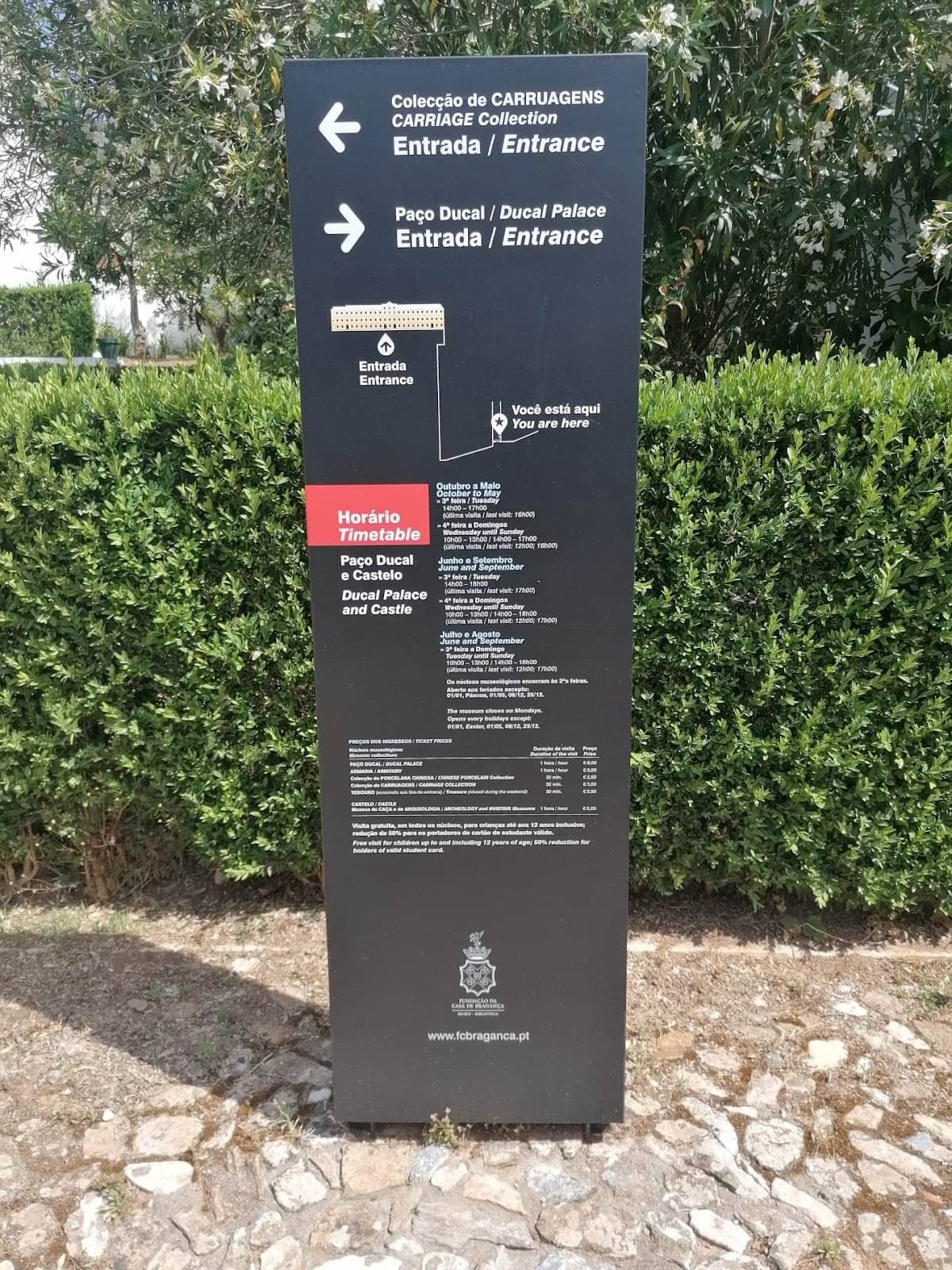
The museum's hours typically align with the Royal Palace of Ajuda. It's advisable to check the official website for the most current opening times, as they can vary seasonally or for special events.
The entrance fee is very affordable, often around 3 Euros per person, making it an accessible historical experience.
For general visits, advance booking is usually not required, especially given the low entry fee. However, for group visits or during peak tourist seasons, it might be a good idea to inquire.
While not always a formal scheduled tour, staff members are often available to provide detailed explanations, especially if you're one of the few visitors. Understanding Portuguese will enhance this experience.
Information on specific discounts may vary. It's best to inquire at the ticket counter or check the official website for any available concessions.
📸 📸 Photography
No, photography is strictly prohibited inside the museum. This is to help preserve the historical artifacts.
The ban on photography is a common practice in museums to protect delicate historical items from potential damage caused by flashes or prolonged exposure.
Generally, there are no exceptions. Even without flash, cameras and phones are not permitted for capturing images within the exhibition halls.
You can search online for images of the Casa de Bragança Museum Library's collection, but be aware that many photos shared online might be from before the strict no-photography rule was enforced or from external sources.
🎫 🏛️ Onsite Experience
The museum houses a remarkable collection of historical carriages and vehicles, meticulously preserved in the old royal stables. You'll see everything from everyday royal transport to ceremonial coaches.
While children might not grasp the full historical context, the sheer size and grandeur of the carriages can be captivating. The lack of photography might be a challenge for younger visitors.
A visit can take anywhere from 30 minutes to an hour, depending on your interest level and whether you engage with the staff for explanations.
The carriages are described as very well preserved and in excellent condition, with some even retaining their original state.
This carriage is particularly significant as it was used by King Carlos I and his son, Prince Luís Filipe, during the 1908 regicide event, bearing visible marks from the assassination attempt.


Social
from TikTok, Instagram & Reddit