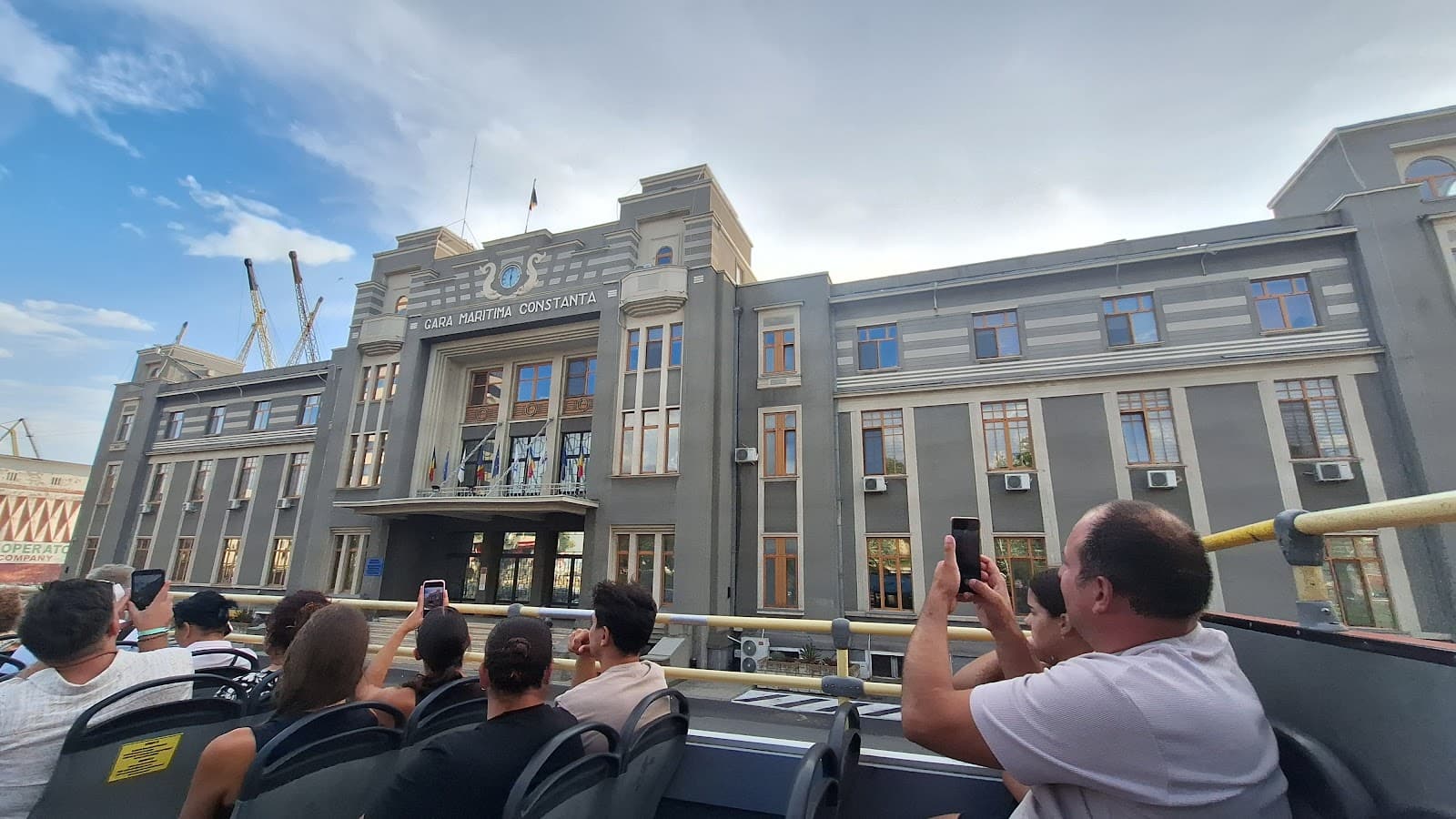
Maritime Passenger Terminal Gara Maritimă
A magnificent Art Deco masterpiece and gateway to Constanța's maritime history, offering rare glimpses into the naval port.
Highlights
Must-see attractions

Social
From TikTok & Reddit
Best Time
See the Mircea barge
Maritime Passenger Terminal Gara Maritimă
Best Time
See the Mircea barge
Highlights
Must-see attractions
A magnificent Art Deco masterpiece and gateway to Constanța's maritime history, offering rare glimpses into the naval port.
"An impressive building with its architecture."
Check for Special Events
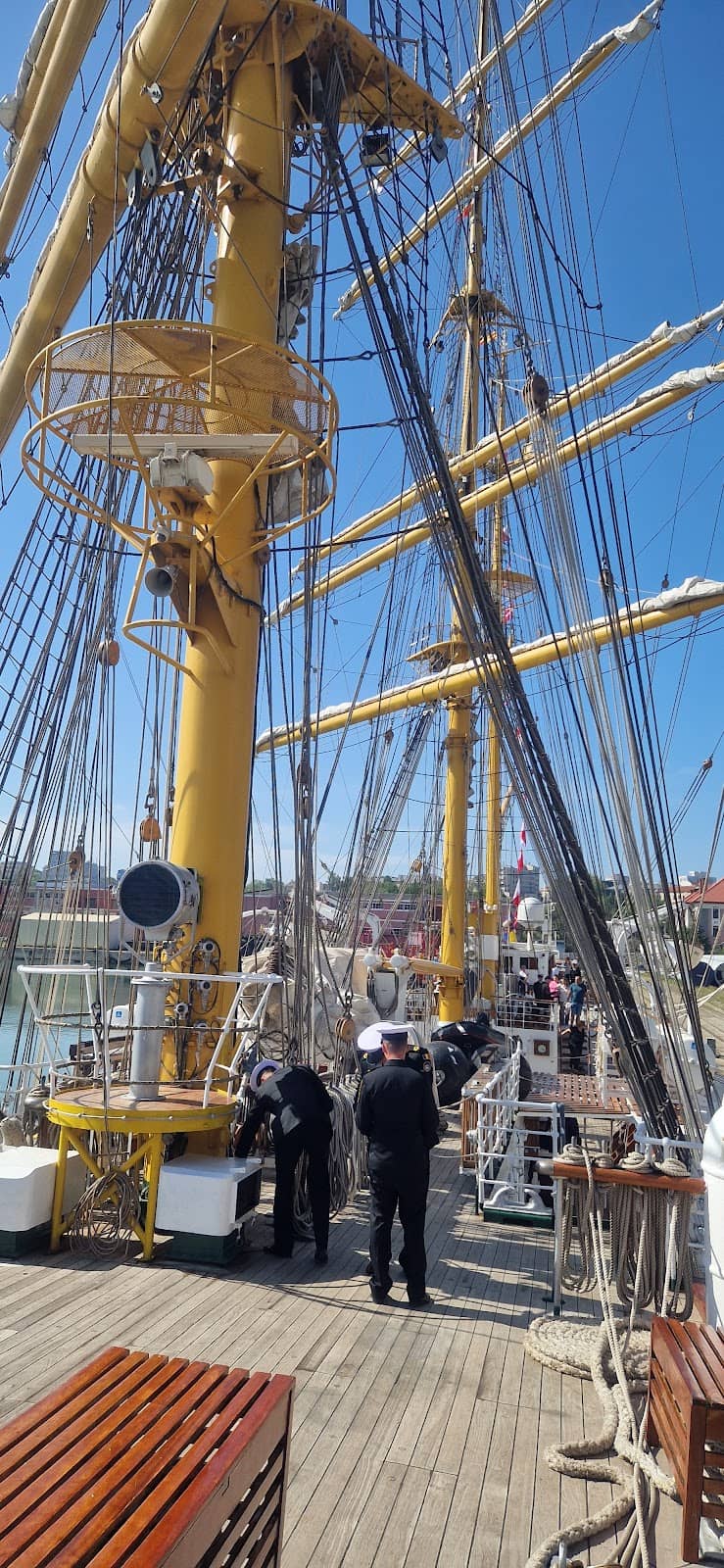
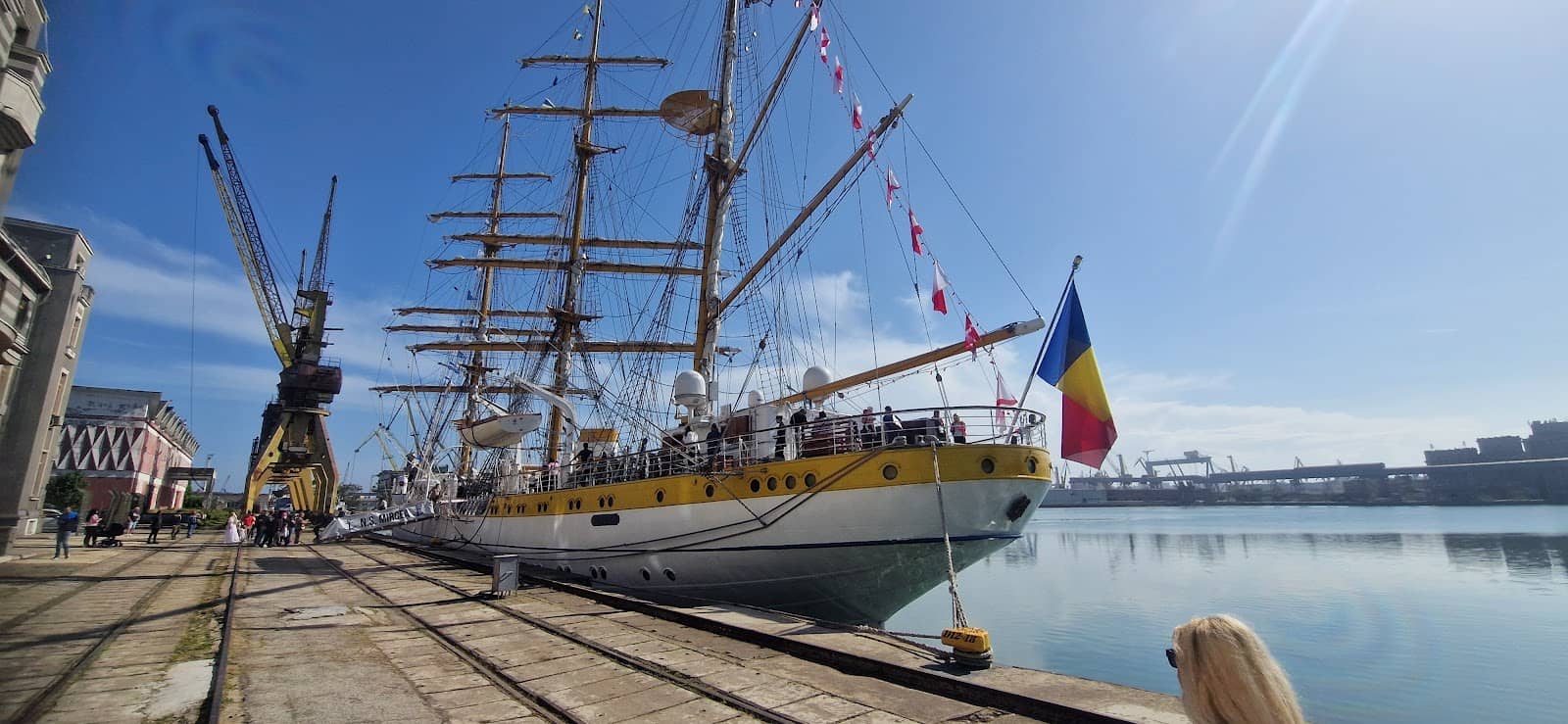
Visit during Constanța Days to see the Mircea barge inside the station.
Naval Port Tour
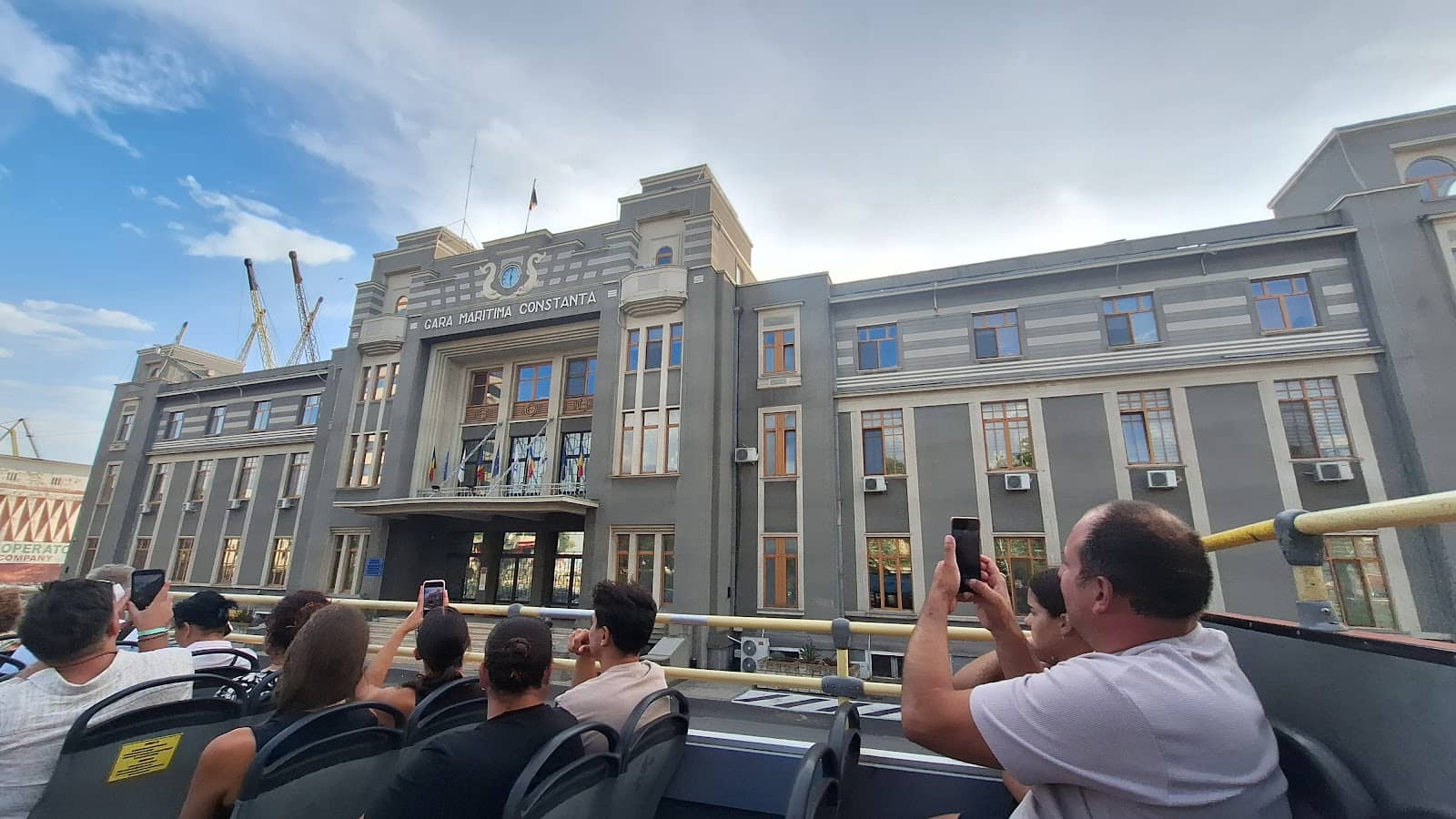
Consider a convertible super-bus tour for rare access to the naval port.
Quick Facts
Rating
4.5 · 13 reviews
Address
Highlights
Discover the most iconic attractions and experiences
Art Deco Architecture
Admire one of Romania's most representative Art Deco buildings, featuring unique dolphin motifs and a historic clock.
Mircea Barge Visit
Maritime Station (during special events)
Step aboard the historic Mircea barge, a unique maritime experience often showcased during Constanța Days.
Naval Port Glimpse
Experience a rare view of the naval port, often inaccessible, via a special convertible super-bus tour.
Plans like a pro.
Thinks like you
Planning Your Visit
Art Deco Gem & Naval Port Access
Special Event & Building Access
Best Times
Insider Tips
from TikTok, Instagram & Reddit
Check for Special Events
Visit during Constanța Days to see the Mircea barge inside the station.
Naval Port Tour
Consider a convertible super-bus tour for rare access to the naval port.
Admire from Afar
The building is beautiful, but direct access might be restricted.
Architectural Details
Look for the dolphin and shield pediment, a symbol of Dobrogea.
Tips
from all over the internet
Check for Special Events
Visit during Constanța Days to see the Mircea barge inside the station.
Naval Port Tour
Consider a convertible super-bus tour for rare access to the naval port.
Admire from Afar
The building is beautiful, but direct access might be restricted.
Architectural Details
Look for the dolphin and shield pediment, a symbol of Dobrogea.
What Travellers Say
Reviews Summary
Visitors praise the Maritime Passenger Terminal for its stunning Art Deco architecture and historical significance, often highlighting the unique opportunity to see the Mircea barge during special events. While the building's beauty is widely appreciated, some note that direct access can be restricted, and interactions with staff might be less than welcoming.
"The Mircea barge can be visited during the Constanta Days and is on display in the maritime station. I really liked it :) It is worth visiting both the ship and the maritime station when allowed."
Maria Magdalenna
"The Maritime Station is one of the largest and most representative Art Deco buildings in Constanţa and Romania. The main pediment of the building has two dolphins around a shield (symbolizing Dobrogea) and a clock in the middle. The construction of the building represented an engineering first in Romania: the basement was below sea level and hydraulic concrete was used, a rare invention in Europe at that time, and volcanic tuff was brought from the island of Santorini from Greece.
The Maritime Station in Constanţa included 77 offices and public spaces, on a built area of 1,324.12 square meters and a usable area of 4,404.74 square meters. The building included a spacious waiting and reception hall, restaurants, a protocol room, offices. The Maritime Station was opened to serve maritime passenger transport, operated by the Romanian Maritime Service between the port of Constanta and destinations in Greece, Turkey, Lebanon, Israel (British Palestine), Algeria, Italy, France, Egypt."
bogdan alexandru bola
"If you come to the seaside in Romania, it would be a shame to miss the ride on the convertible super-bus because it takes you through the naval port, where you have no access otherwise. Here you say that time stands still and, honestly, the emotions are mixed."
Gal Ramona
What People Like
What People Dislike
Frequently Asked Questions
🚇 🗺️ Getting There
The Maritime Passenger Terminal (Gara Maritimă) is located in the port area of Constanța. It's accessible by local transport or taxi. If you're exploring the city, it's a notable landmark near the Black Sea coast.
Generally, direct access to the naval port is restricted. However, special tours, like those on a convertible super-bus, offer a unique way to see parts of it.
Parking availability can be challenging in port areas. It's advisable to check local parking regulations or consider public transport if you're not on a guided tour.
🎫 🎫 Tickets & Entry
While the exterior architecture is always visible, entry into the building itself might be restricted outside of special events. Keep an eye out for announcements regarding events like Constanța Days.
The Mircea barge is often displayed at the Maritime Station during special events, most notably during Constanța Days. Check local event schedules for specific dates.
Official opening hours for public access to the interior are not consistently available. It's best to inquire locally or check for event-specific timings.
Admission fees typically apply only during special events when the interior or specific exhibits like the Mircea barge are open to the public.
🎫 🧭 Onsite Experience
The Maritime Station is a prime example of Art Deco architecture, recognized as one of the largest and most representative buildings of this style in Constanța and Romania.
The building boasts a main pediment with two dolphins embracing a shield symbolizing Dobrogea, and a central clock. Its construction was an engineering feat, using hydraulic concrete and materials like volcanic tuff from Santorini.
It was built to serve maritime passenger transport, facilitating routes operated by the Romanian Maritime Service to destinations across the Mediterranean and beyond.
You can certainly photograph the exterior. However, some visitors have reported being asked to move away from the immediate front of the building by staff.
This refers to a specific type of tour bus that allows for an open-air experience, often used to navigate areas like the naval port that are otherwise off-limits to the public.
📸 📸 Photography
The entire facade is photogenic, especially the main pediment with the dolphins and clock. Consider angles from across the street or along the waterfront for broader views.
Drone usage is typically restricted in port areas and around sensitive infrastructure. Always check local regulations and obtain necessary permits before flying a drone.
Golden hour, shortly after sunrise or before sunset, can offer beautiful lighting on the Art Deco facade. Midday sun can be harsh, but might be good for capturing the details of the pediment.


Social
from TikTok, Instagram & Reddit