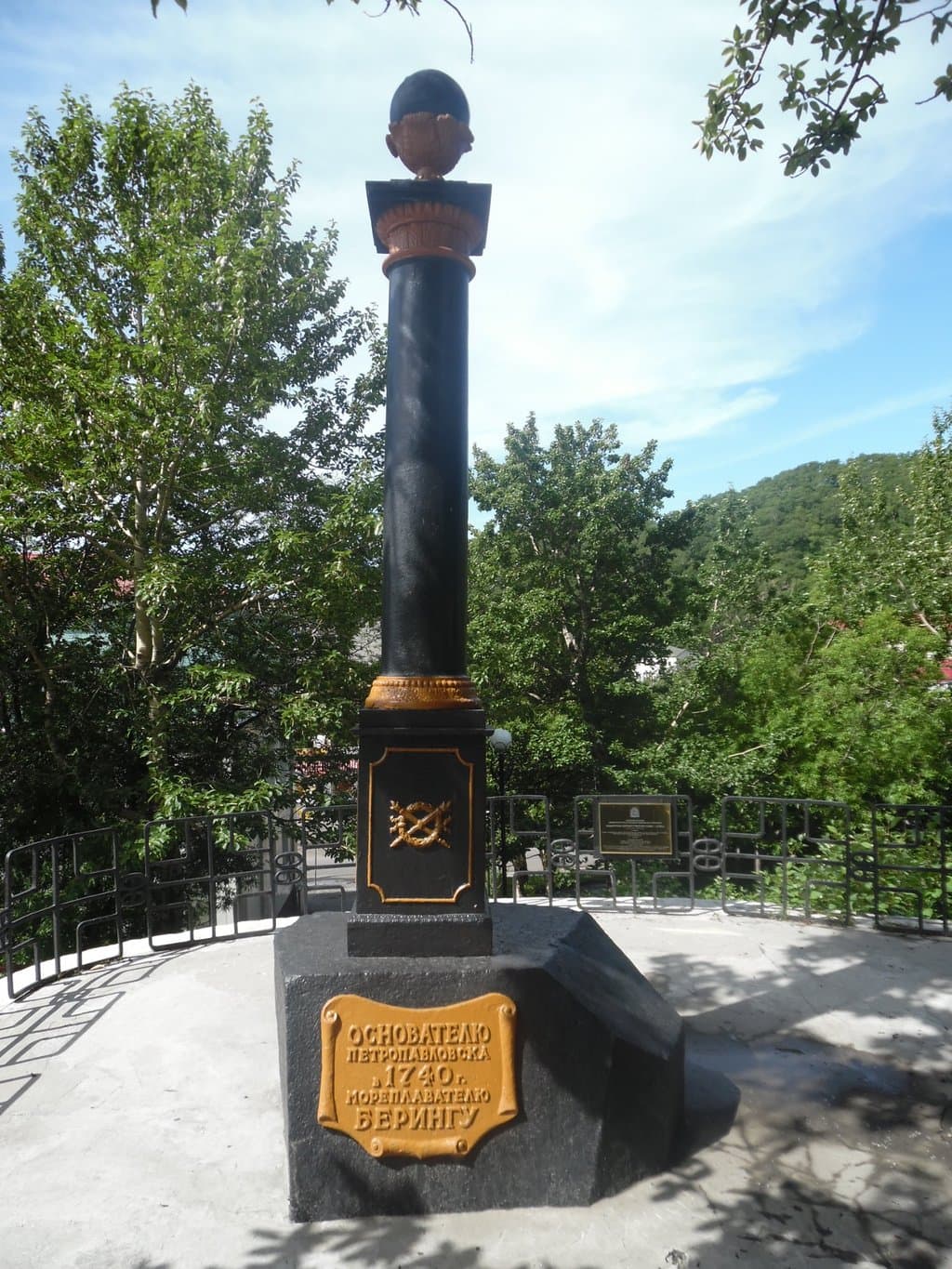
Vitus Bering Monument
Commemorating Vitus Bering, this is the oldest monument in the Russian Far East, a testament to exploration and the founding of Petropavlovsk-Kamchats...
Highlights
Must-see attractions

Social
From TikTok & Reddit
Best Time
Best for viewing
Vitus Bering Monument
Best Time
Best for viewing
Highlights
Must-see attractions
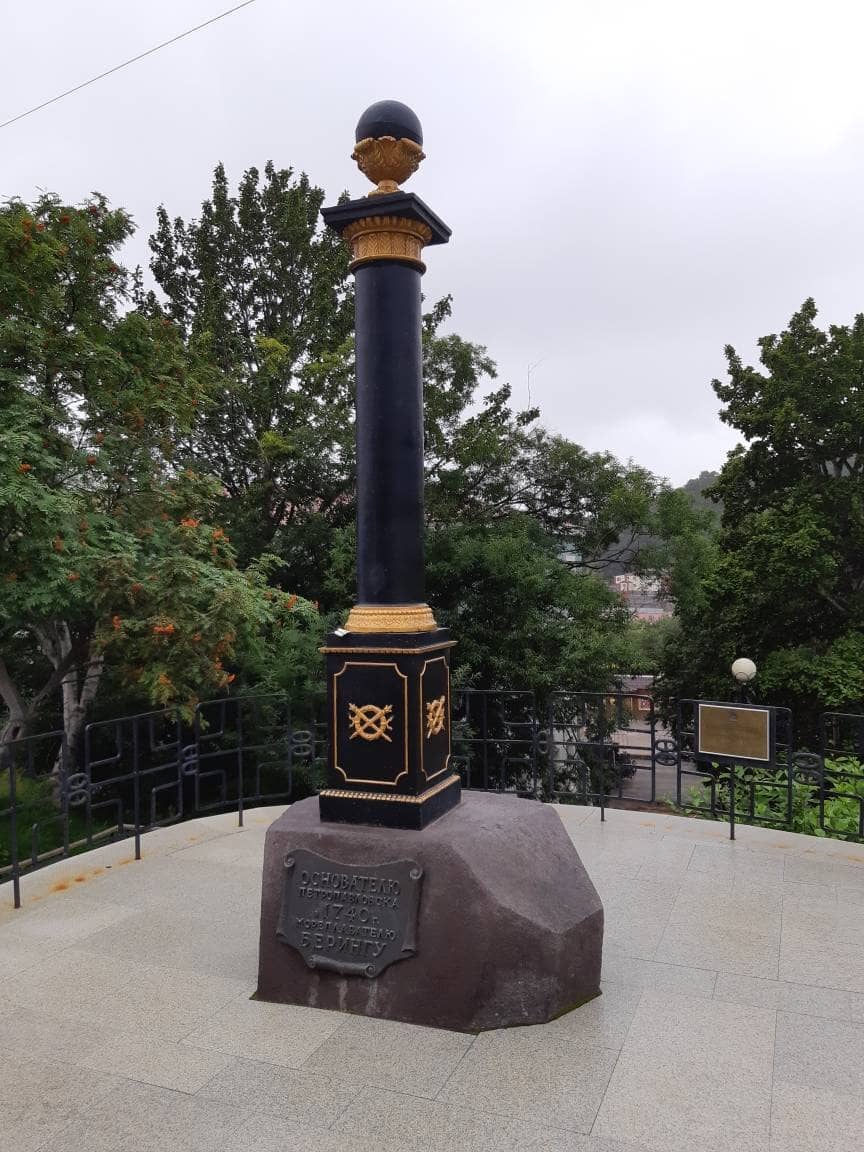
Commemorating Vitus Bering, this is the oldest monument in the Russian Far East, a testament to exploration and the founding of Petropavlovsk-Kamchatsky.
"The oldest monument in the Russian Far East, a significant historical site honoring explorer Vitus Bering."
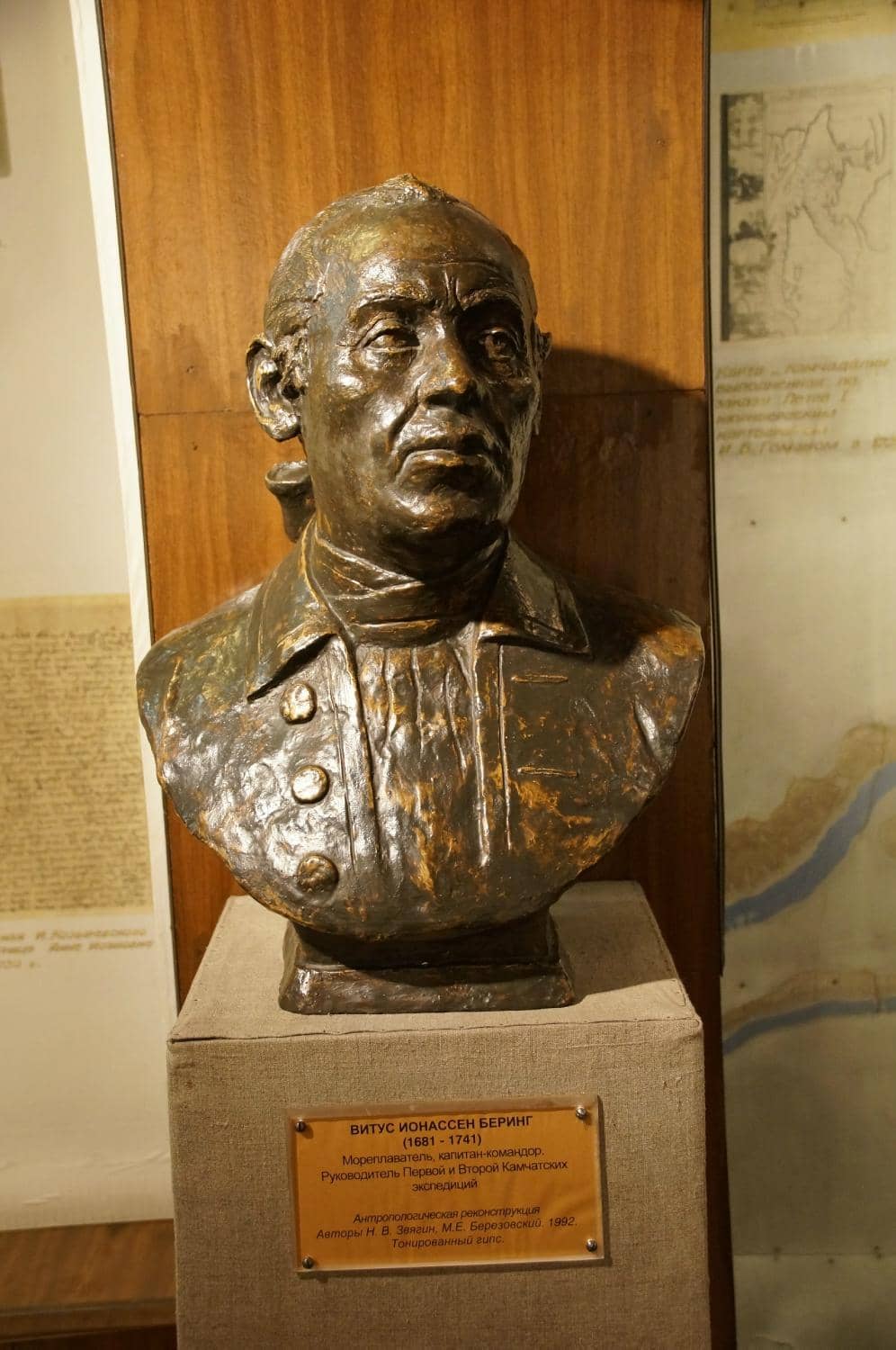
📸 Capture the History
Take photos of this historic landmark, the oldest in the Russian Far East. :camerawithflash:
📍 Location Insight
The monument has been moved over time but remains a central historical point. :round_pushpin:
Quick Facts
Hours
Rating
4.6 · 56 reviews
Type
Historical Landmark
Highlights
Discover the most iconic attractions and experiences
The Monument Itself
A historic bronze statue commemorating Vitus Bering, the founder of Petropavlovsk-Kamchatsky. It's the oldest monument in the Russian Far East.
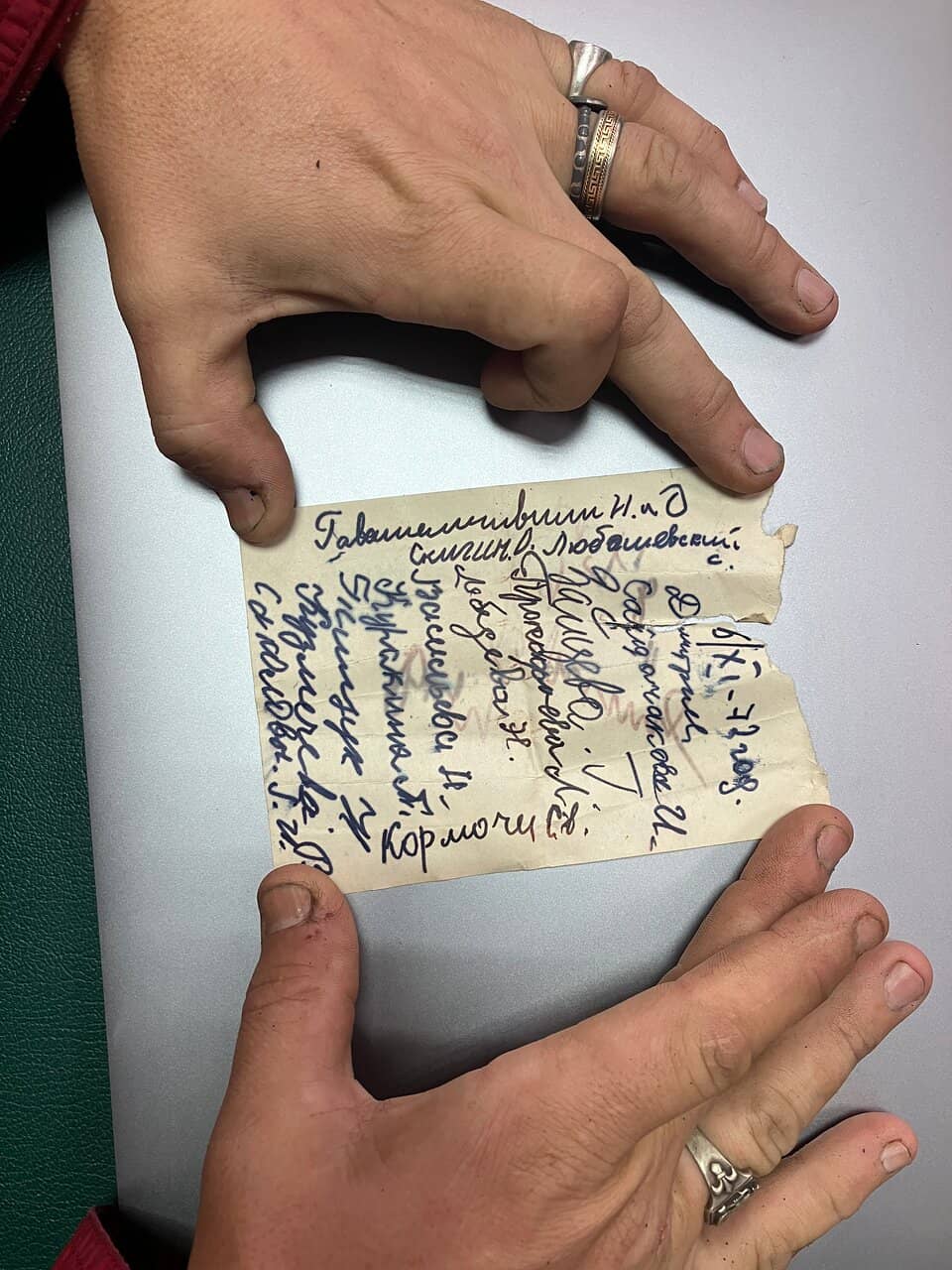
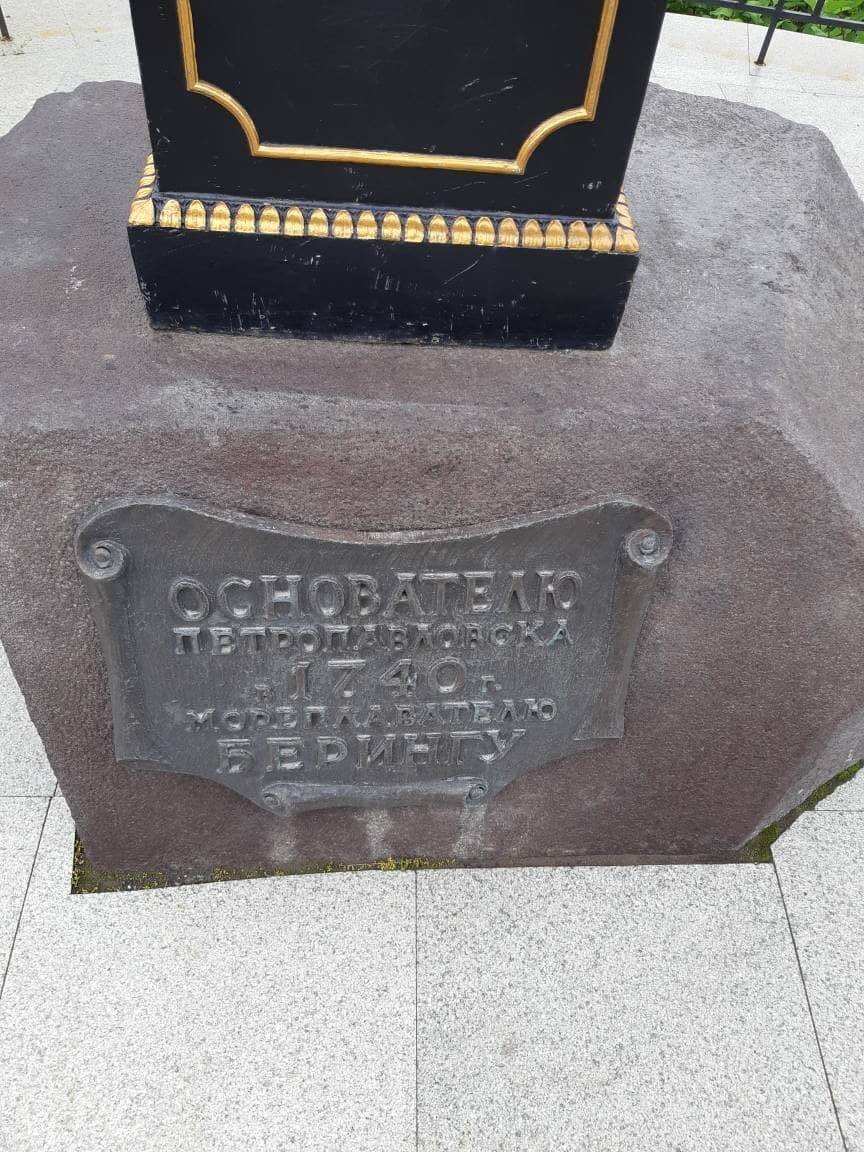
Historical Context Plaque
Discover the monument's federal significance and its connection to Bering's exploration of Alaska and the strait.
Plans like a pro.
Thinks like you
Planning Your Visit
Timing Your Visit
Understanding Its Significance
Best Times
Insider Tips
from TikTok, Instagram & Reddit
📸 Capture the History
Take photos of this historic landmark, the oldest in the Russian Far East. :camerawithflash:
📍 Location Insight
The monument has been moved over time but remains a central historical point. :round_pushpin:
📜 Federal Significance
Look for the plaque detailing its status as a federally significant object. 📜
Tips
from all over the internet
📸 Capture the History
Take photos of this historic landmark, the oldest in the Russian Far East. :camerawithflash:
📍 Location Insight
The monument has been moved over time but remains a central historical point. :round_pushpin:
📜 Federal Significance
Look for the plaque detailing its status as a federally significant object. 📜
What Travellers Say
Reviews Summary
Visitors appreciate the Vitus Bering Monument as a significant historical landmark, recognizing its status as the oldest monument in the Russian Far East. Its historical context and connection to Bering's explorations are frequently highlighted. Some visitors note its multiple relocations over time.
"A historic site. In the autumn of 1740, the packet ships "St. Apostle Peter" and "St. Apostle Paul," commanded by Vitus Bering, entered Avacha Bay. The port of Petropavlovsk was founded in honor of these patron saints. It was thanks to V. Bering that the strait between Asia and America was discovered and the lands of Alaska explored. This monument has been moved several times, but its form has remained unchanged."
Alex Kononykhin
"One of the first monuments to the founder of Petropavlovsk-Kamchatsky. Opened in 1826. Located above the Lapiruza monument."
Victor K
"A monument to Vitus Bering, the navigator, explorer, and founder of Petropavlovsk-Kamchatsky, stands in the city center. Erected in 1826 on Sovetskaya Street, it is the oldest monument in the Russian Far East."
Леонид М
What People Like
What People Dislike
Frequently Asked Questions
🚇 🗺️ Getting There
The monument is located in the city center of Petropavlovsk-Kamchatsky. It's accessible by local transport or a walk from nearby attractions. Specific directions can be found on local maps or by asking locals.
Street parking is generally available in the city center, though it can be limited during peak times. Consider public transport or walking if possible.
🎫 🎫 Tickets & Entry
No, the Vitus Bering Monument is an outdoor public monument and does not require an entrance ticket. It is freely accessible to all visitors.
As an outdoor monument, it is accessible 24/7. However, visiting during daylight hours is recommended for the best experience and visibility.
🎫 🧭 Onsite Experience
A visit to the monument typically takes about 15-30 minutes, allowing time to admire the statue and read the historical plaque.
Yes, it's a good educational stop for children to learn about historical explorers. The open space around it is also suitable for them to explore.
It commemorates Vitus Bering, the Danish explorer who discovered the strait between Asia and America and explored Alaska. It's the oldest monument in the Russian Far East, erected in 1826.
Social
from TikTok, Instagram & Reddit