Republic of Karelia Museum of Fine Arts
Discover Karelian heritage through ancient icons, folk art, and unique interpretations of the Kalevala epic.
Highlights
Must-see attractions

Social
From TikTok & Reddit
Best Time
Fewer crowds, more peaceful viewing
Republic of Karelia Museum of Fine Arts
Best Time
Fewer crowds, more peaceful viewing
Highlights
Must-see attractions
Discover Karelian heritage through ancient icons, folk art, and unique interpretations of the Kalevala epic.
"A very interesting local museum, especially for the local painters and the Kalevala exhibition."
Allocate Enough Time
Plan for 1-2 hours to fully appreciate the permanent collection and its diverse exhibits. :clock1:
Embrace Local Art
Don't miss the works by local Karelian painters; they offer deep insights into the region's soul. :art:
Highlights
Discover the most iconic attractions and experiences
Kalevala Collection
Experience unique artistic interpretations of the Karelian epic, offering a distinct cultural perspective.
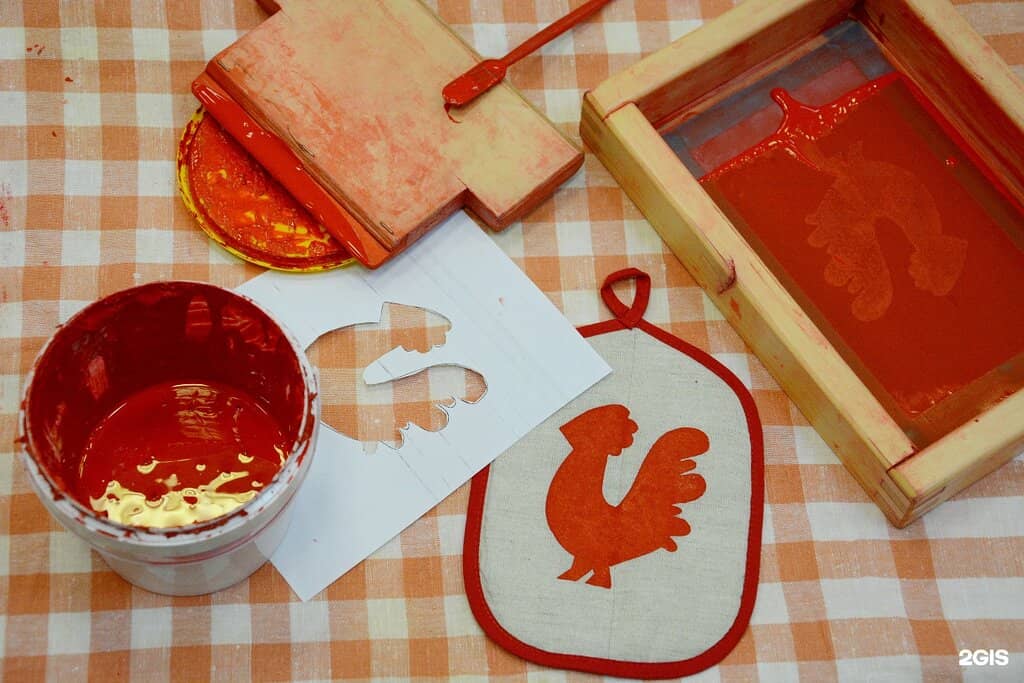
Karelian Iconography
Marvel at ancient icons, including 15th-century masterpieces, showcasing the region's rich religious art heritage.
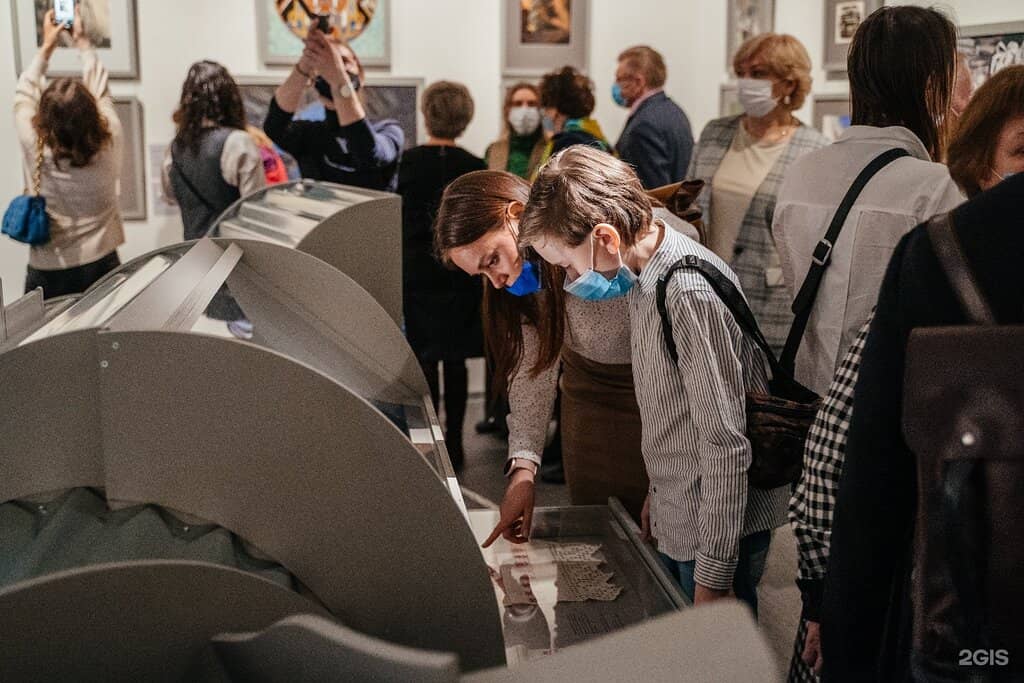
Karelian Folk Art
Discover intricate embroidery and household items that reveal the daily lives and traditions of the Karelian people.
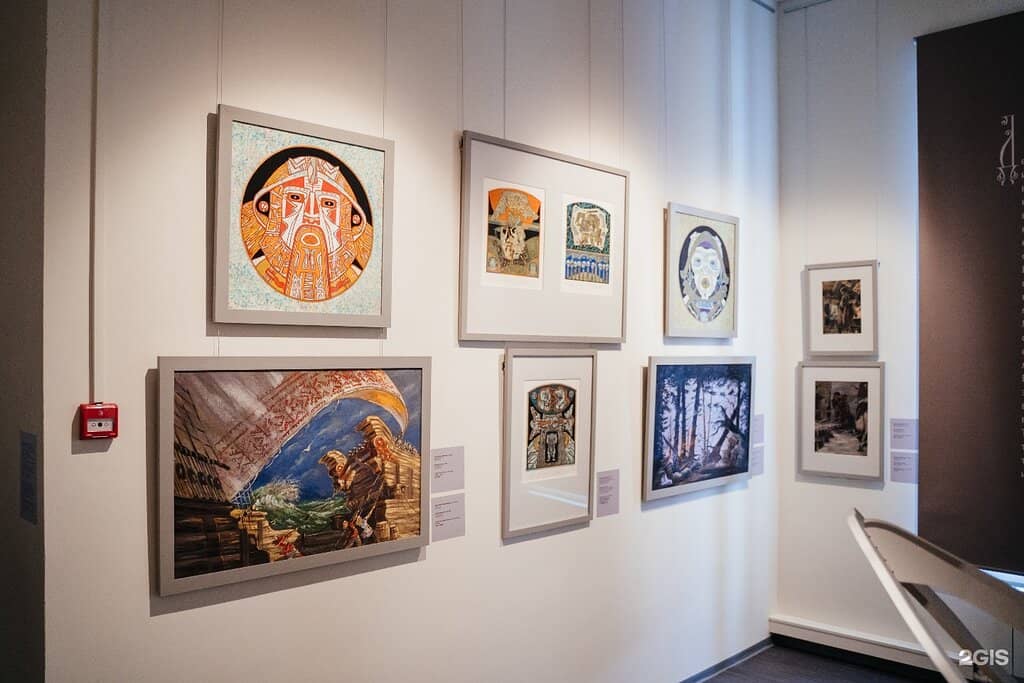
Seasons Exhibition
Explore four rooms dedicated to the distinct beauty of each season, as depicted by local painters.
Plans like a pro.
Thinks like you
Planning Your Visit
Timing Your Visit
Understanding the Collection
Best Times
Insider Tips
from TikTok, Instagram & Reddit
Allocate Enough Time
Plan for 1-2 hours to fully appreciate the permanent collection and its diverse exhibits. :clock1:
Embrace Local Art
Don't miss the works by local Karelian painters; they offer deep insights into the region's soul. :art:
Understand the Kalevala
The Kalevala exhibition is a unique gem, offering artistic perspectives you won't find elsewhere. :book:
Check Temporary Exhibits
Beyond the permanent collection, temporary exhibitions often feature compelling local and regional artists. :newspaper:
Tips
from all over the internet
Allocate Enough Time
Plan for 1-2 hours to fully appreciate the permanent collection and its diverse exhibits. :clock1:
Embrace Local Art
Don't miss the works by local Karelian painters; they offer deep insights into the region's soul. :art:
Understand the Kalevala
The Kalevala exhibition is a unique gem, offering artistic perspectives you won't find elsewhere. :book:
Check Temporary Exhibits
Beyond the permanent collection, temporary exhibitions often feature compelling local and regional artists. :newspaper:
What Travellers Say
Reviews Summary
Visitors praise the museum for its unique collection of Karelian art, particularly the Kalevala exhibition and ancient icons, offering a deep dive into regional culture. Some note that the staff can be unenthusiastic, but the overall experience is considered very interesting and informative for understanding Karelia's history and nature's influence on its art.
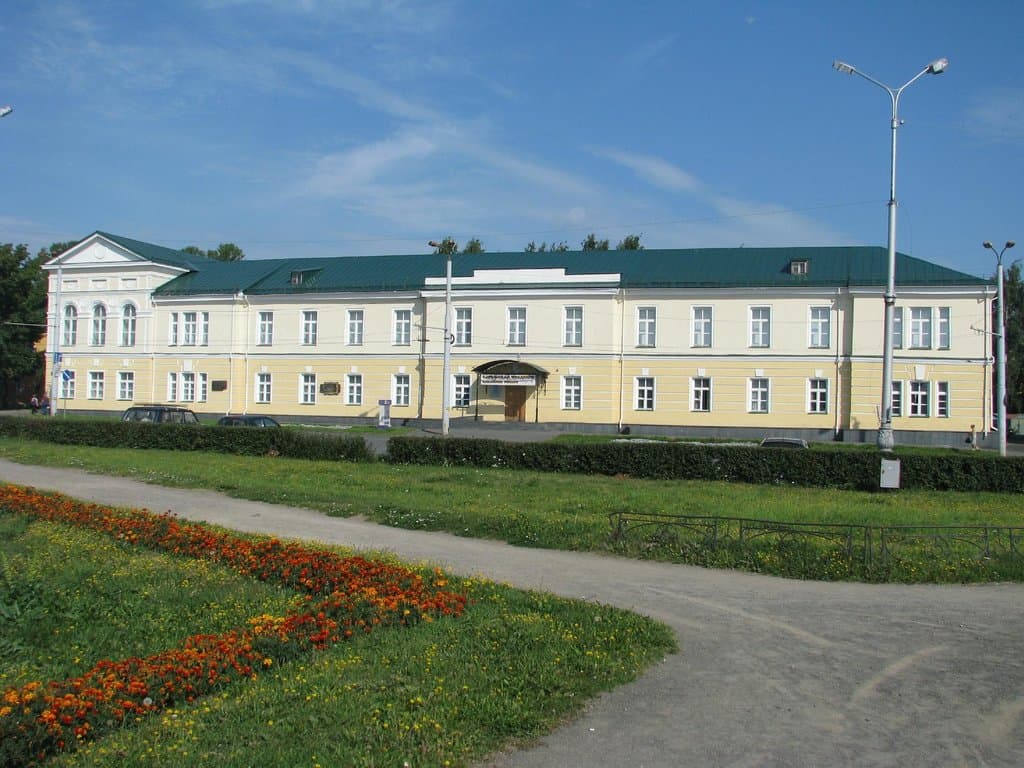
"The Museum of Fine Arts of the Republic of Karelia, located at 8 Karl Marx Avenue in Petrozavodsk, occupies the historical building of the former Olonets Men's Provincial Gymnasium from the late 18th century, which is a monument of architecture of federal significance. Founded in 1960, the museum began its activities with a collection transferred from the Karelian State Museum of Local Lore, which includes Old Russian paintings, Russian art from the 18th and 19th centuries, works by Karelian artists, and folk art from Karelia. Today, the museum's collection includes over 14,000 exhibits, divided into six main collections: Karelian iconography from the 15th to the 20th centuries, Karelian folk art, Russian art from the 18th to the 20th centuries, Russian art of the 20th century, contemporary art of Karelia, and Western European art. The collection of Old Russian art is particularly valuable, featuring unique exhibits such as the 15th-century icons "The Prophet Elijah" and "The Apostles Peter and Paul," the early 16th-century "Deesis," and the 1647 signed icon by Ignatiy Panteleev.
A special place is occupied by a collection dedicated to Karelian embroidery and household items."
Azar
"Really nice collection of Karelian art and paintings. It tells you a lot about the place and the lives of people over there. Not to forget the beauty of the nature that surrounds this region and how the nature affects the everyday lives of the people. On the lower floor there are 4 rooms with paintings dedicated to the 4 seasons respectively. On the floor above there are many Icon paintings and traditional dresses and crafts."
Abhishek Sagar
"The permanent collection consists of an exhibition on the Kalevala, Orthodox icons, and modern Karelian art. The gem is definitely the Kalevala collection, which presents scenes from the epic in styles you're unlikely to see elsewhere.
Allow yourself one to two hours for the permanent collection."
George Ianovski
What People Like
What People Dislike
Frequently Asked Questions
🚇 🗺️ Getting There
The museum is located at 8 Karl Marx Avenue in Petrozavodsk, a central and easily accessible location. You can reach it by public transport or a short taxi ride from most parts of the city. Walking is also an option if you are staying nearby.
Parking availability can be limited in the city center. It's advisable to check local parking regulations or consider using public transport or ride-sharing services to reach the museum.
Petrozavodsk is accessible by train from major Russian cities like Moscow and Saint Petersburg. Flying into Petrozavodsk Besovets Airport is also an option, followed by a taxi or bus to the city center.
🎫 🎫 Tickets & Entry
Opening hours can vary, so it's recommended to check the museum's official website or contact them directly for the most up-to-date information on operating days and times.
Admission fees are typically modest for local museums. It's best to verify current ticket prices on their website or inquire upon arrival, as they may differ for adults, children, and concessions.
While some museums offer online ticketing, it's not always standard for smaller regional institutions. Check the museum's website for any online booking options to save time.
Look out for potential discounts for students, seniors, or group visits. Information on these offers is usually available on the museum's official channels.
Yes, the museum typically has a self-service cloakroom where you can store coats and bags, allowing for a more comfortable viewing experience.
🎫 🖼️ Onsite Experience
Most visitors find that 1 to 2 hours is sufficient to explore the permanent collection thoroughly and appreciate the art. You might want to allocate more time if there's a special exhibition that interests you.
The museum features a rich collection of Karelian iconography, Karelian folk art, Russian art from various periods, and contemporary Karelian art. The Kalevala exhibition is a significant highlight.
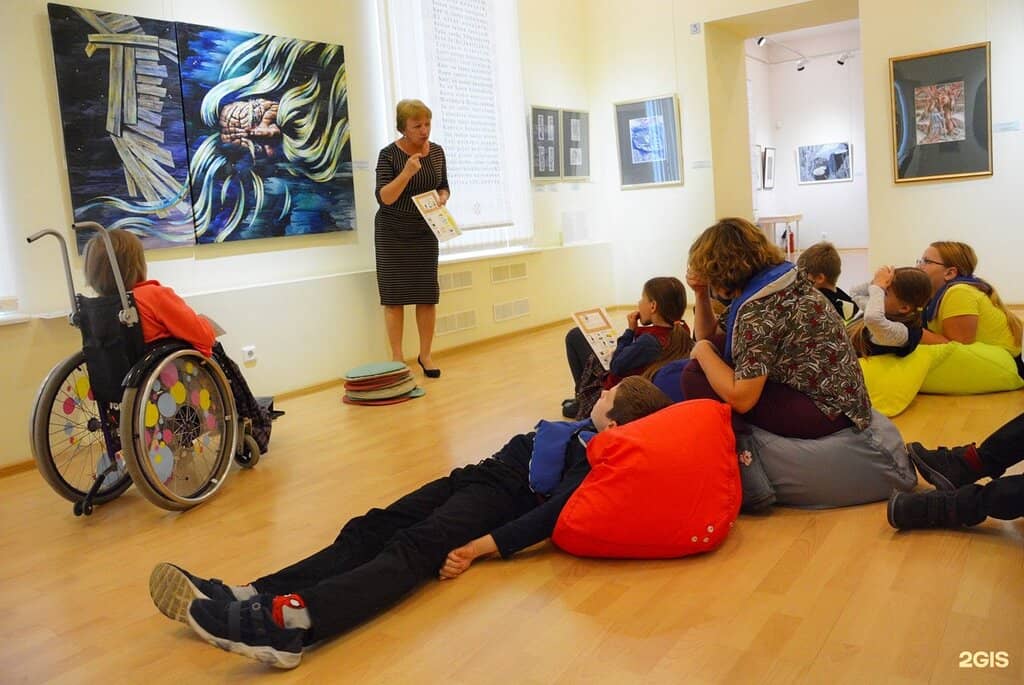
While the museum's focus is fine art, the folk art and Kalevala sections can be engaging for older children. The visual nature of art can spark curiosity in younger visitors as well.
Photography policies can vary. It's generally permitted for personal use without flash, but always check for signage or ask museum staff to confirm the rules.
The museum is housed in a late 18th-century building that was formerly the Olonets Men's Provincial Gymnasium, a monument of federal architectural significance.
🍽️ 🍽️ Food & Dining
The museum itself does not typically have a restaurant. However, being in the city center, you'll find numerous cafes and restaurants within walking distance offering various cuisines.
It's generally not permitted to consume food or drinks inside museum exhibition halls to protect the artworks. There might be designated areas for refreshments outside the galleries.
📸 📸 Photography
Photography for personal use is usually allowed, but flash photography is typically prohibited to protect the delicate artworks. Always look for signs or ask staff for confirmation.
The Kalevala exhibition and the intricately detailed icons often make for visually striking photographs. The folk art displays also offer unique textures and colors.
For Different Travelers
Tailored advice for your travel style
👨👩👧 Families with Kids
🎨 Art Enthusiasts
Deep Dives
In-depth insights and expert knowledge
The Kalevala: A Karelian Epic
Experiencing the Kalevala exhibition provides a deeper understanding of the region's cultural identity and its connection to ancient myths. The artists often draw inspiration from the natural landscapes of Karelia, weaving them into the narrative. This makes the exhibition not just a display of art, but a window into the soul of the region and its people.
Visitors often remark on how different and captivating these artistic renditions are, making it a must-see for anyone interested in the cultural heritage of Karelia.
Karelian Iconography and Folk Art
Complementing the icons is a rich display of Karelian folk art. This includes intricate embroidery, traditional clothing, and household items that offer a tangible connection to the daily lives, customs, and craftsmanship of the Karelian people. These exhibits provide a fascinating glimpse into the practical and aesthetic aspects of Karelian culture, highlighting the artistry found in everyday objects.
Together, these collections offer a comprehensive view of Karelian artistic heritage, from the sacred to the secular, demonstrating the enduring creativity and cultural depth of the region.
Social
from TikTok, Instagram & Reddit