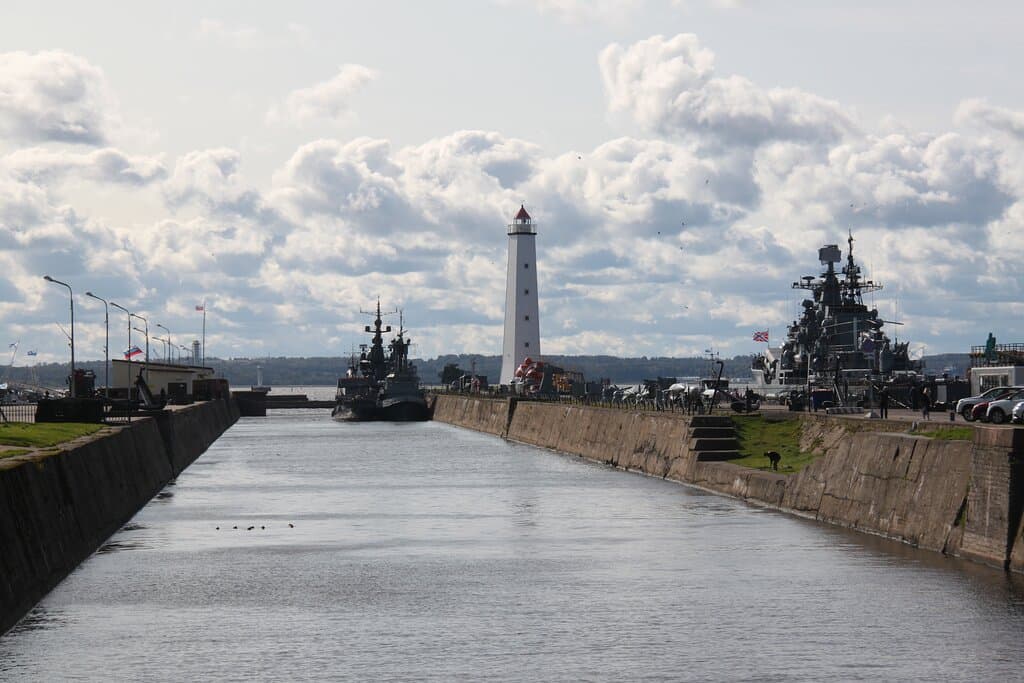
Petrovsky Dry Dock
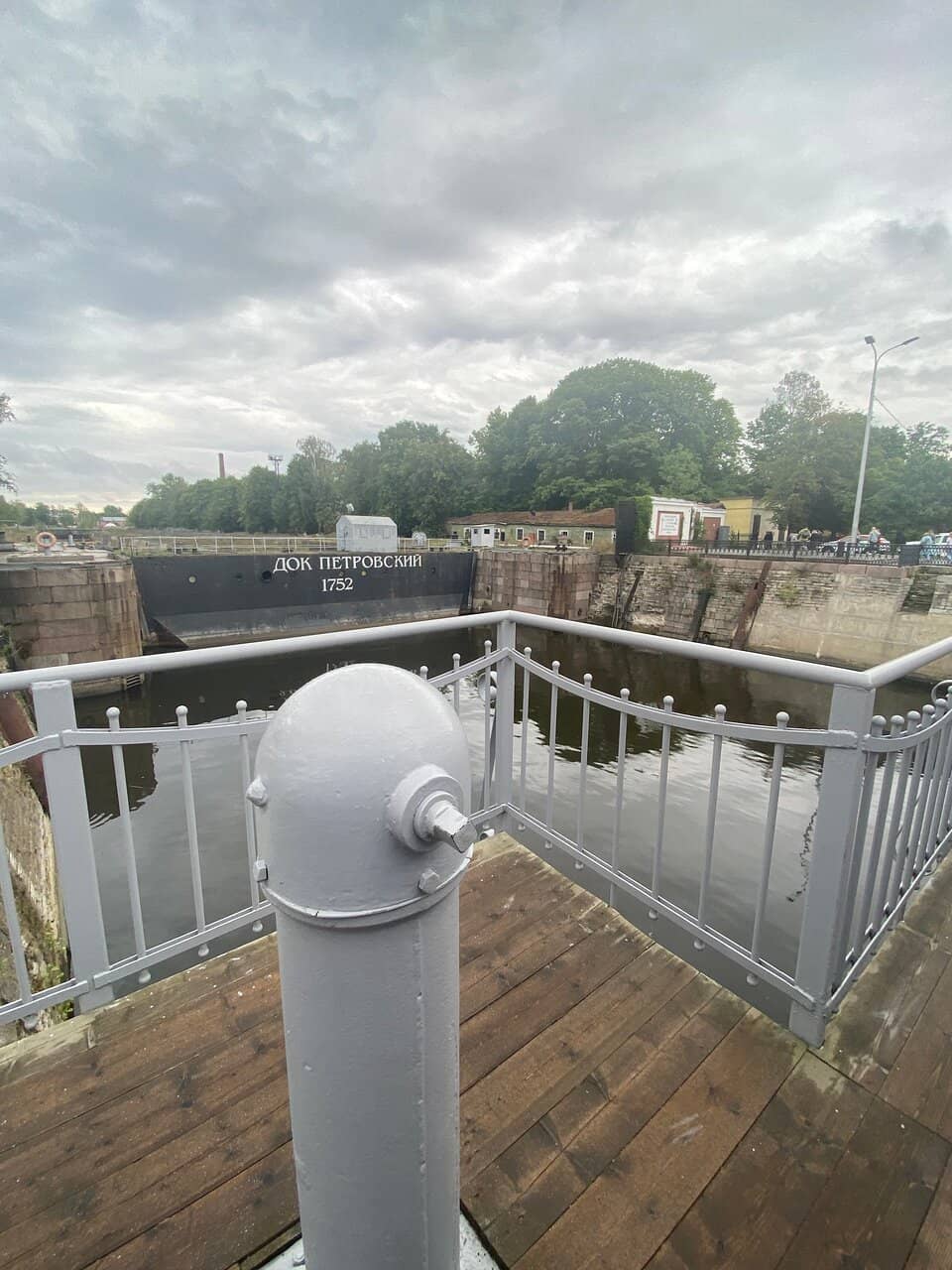
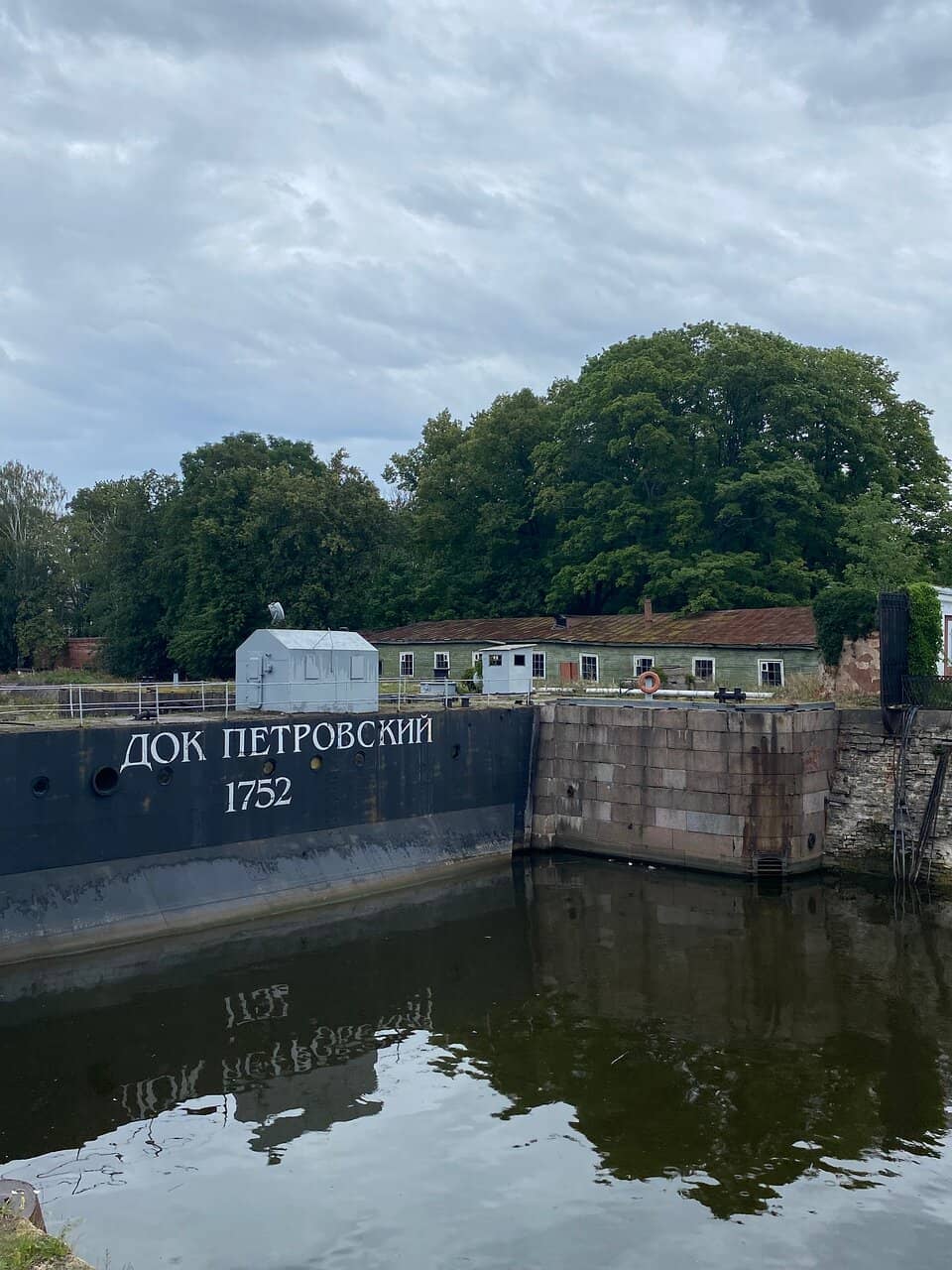
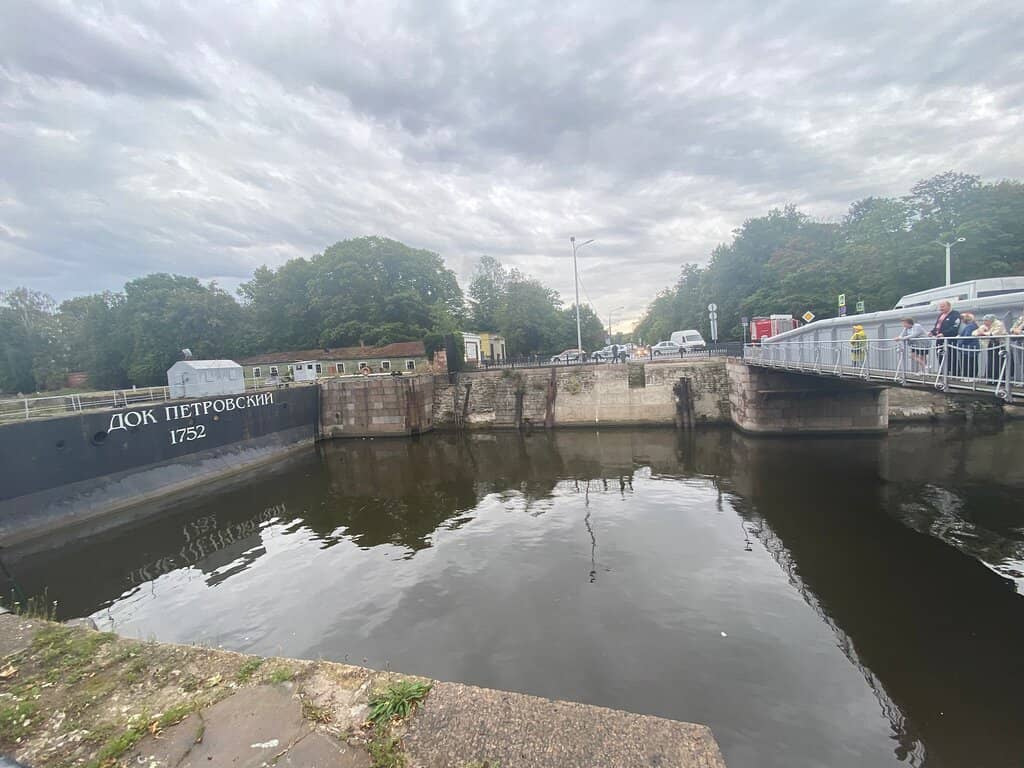
A monumental 18th-century dry dock, a testament to Peter the Great's naval ambitions and historical engineering.
Highlights
Must-see attractions

Social
From TikTok & Reddit
Best Time
Fewer crowds, easier parking
Petrovsky Dry Dock
Best Time
Fewer crowds, easier parking
Highlights
Must-see attractions
A monumental 18th-century dry dock, a testament to Peter the Great's naval ambitions and historical engineering.
"A grandiose structure with a great history! The scale is amazing!"
🚗 Parking Challenges
Weekend parking is extremely difficult in the city center. Consider arriving early or using alternative transport. 🚗
🚶♀️ Wear Comfortable Shoes
You'll be walking around a historical site, so comfortable footwear is a must. :athletic_shoe:
Quick Facts
Hours
Rating
4.6 · 198 reviews
Type
Historical Landmark
Highlights
Discover the most iconic attractions and experiences
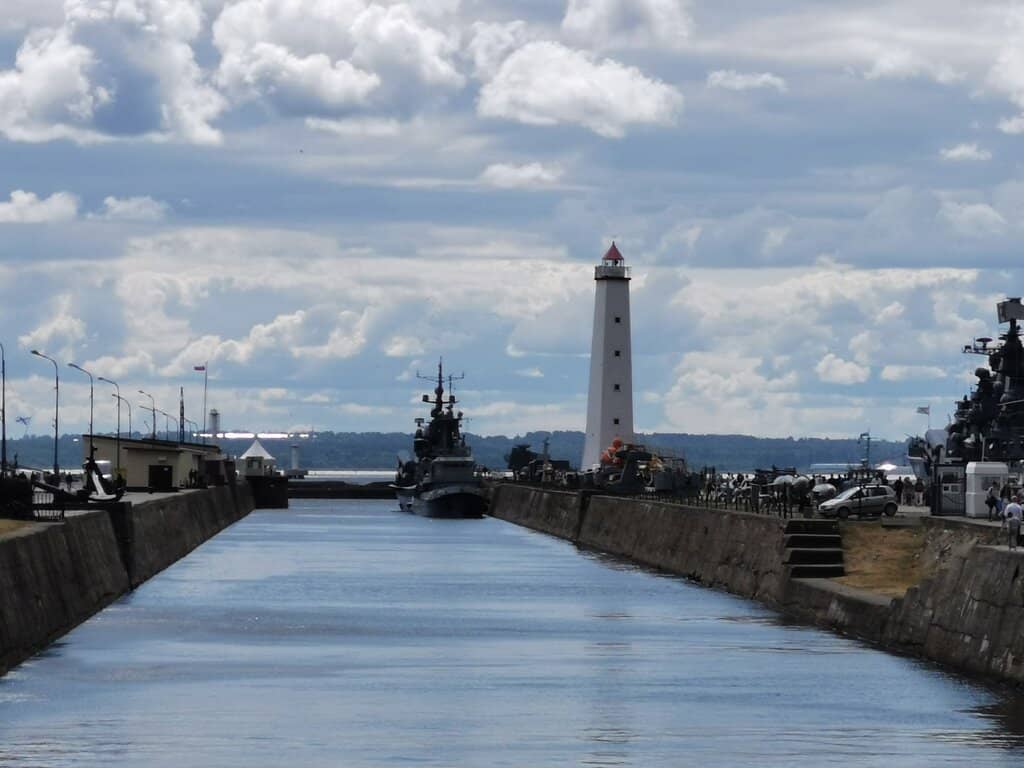
The Grandiose Scale
The entire dock basin
Marvel at the sheer size of this 18th-century engineering feat, a testament to historical ambition.
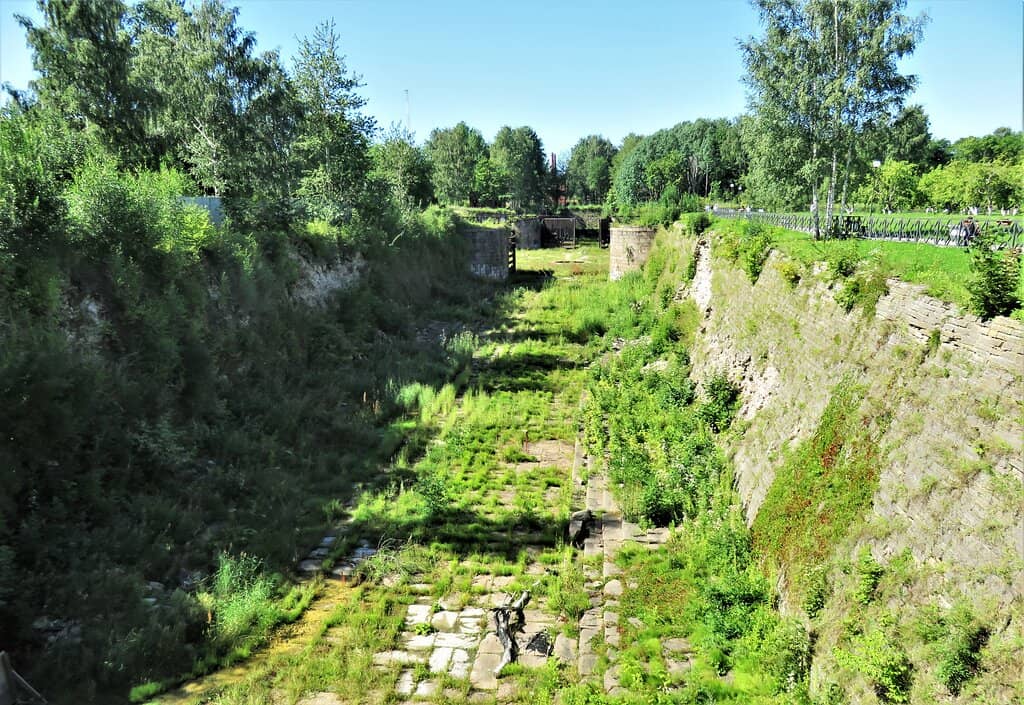
Hydraulic System Remnants
Near the entrance and within the dock
Discover the remnants of the complex hydraulic system that once controlled water levels.
Historical Information Boards
At the gates
Learn about the dock's construction, Peter the Great's vision, and its completion under Empress Elizabeth Petrovna.
Plans like a pro.
Thinks like you
Planning Your Visit
Timing Your Visit for Accessibility
Understanding the Restoration Status
Best Times
Insider Tips
from TikTok, Instagram & Reddit
🚗 Parking Challenges
Weekend parking is extremely difficult in the city center. Consider arriving early or using alternative transport. 🚗
🚶♀️ Wear Comfortable Shoes
You'll be walking around a historical site, so comfortable footwear is a must. :athletic_shoe:
📚 Prepare Your Visit
Research the history beforehand; it enhances the appreciation of the site's significance. 📚
📸 Capture the History
The dock's scale and historical remnants offer unique photo opportunities. :camerawithflash:
Tips
from all over the internet
🚗 Parking Challenges
Weekend parking is extremely difficult in the city center. Consider arriving early or using alternative transport. 🚗
🚶♀️ Wear Comfortable Shoes
You'll be walking around a historical site, so comfortable footwear is a must. :athletic_shoe:
📚 Prepare Your Visit
Research the history beforehand; it enhances the appreciation of the site's significance. 📚
📸 Capture the History
The dock's scale and historical remnants offer unique photo opportunities. :camerawithflash:
What Travellers Say
Reviews Summary
Visitors appreciate Petrovsky Dry Dock as a significant historical heritage site, marveling at its grand scale and engineering. However, many note its ongoing restoration means it's not fully complete, leading to a 'picturesque' but sometimes 'falling apart' appearance. Parking on weekends is a major challenge.
"It is great that historical heritage sites are becoming publicly accessible. We didn't go inside, didn't take a tour, the information we had prepared in advance from the Internet was enough to tell the child, show part of the dock.
I would really like the bridge opposite the dock to be adapted for such a large number of cars and pedestrians.
We were there on Saturday, there was nowhere to park in the entire center. We found a place in the courtyards. There were a lot of people."
Елена
"Such a memorable place. But why hasn't it been completely restored?!! Last year they spent the whole summer digging, blocked everything, you can't get through. They only did the undercarriage(((( it's still falling apart!!!"
Татьяна Ф
"On May 8, 1719, Emperor Peter I issued a decree on the construction of a dock with an accompanying hydraulic system. According to official history, about 3,000 people took part in the grandiose construction of the dock - soldiers, peasants and convicts armed with shovels, picks and crowbars. However, to his regret, Peter I never saw the result of his technical thought. And after the death of the emperor in 1725, construction work was practically curtailed. In 1732, under Empress Elizabeth Petrovna, a commission was formed, headed by General Johann Luberas von Pott, to revise the construction of the dock. The latter proposed a number of design solutions (deepening and expanding the dock basin) for the fastest possible removal of water from the dock. With the advent of Empress Elizabeth Petrovna to power, work on the construction of the Petrovsky Dock received a powerful impetus. The Empress considered herself to be the successor of Peter I, and it was a matter of honor for her to complete the construction started by her father. In 1752, under a salute from 1,331 guns, Elizaveta Petrovna personally opened the sluice mechanisms to let in water, marking the completion of the construction of the Petrovsky Dock.
On the information board at the gates of the Petrovsky Dock, a part of the dock's hydraulic system is drawn in the form of a cross. True, at first glance it is difficult to understand.
I believe for myself that such structures, their engineers and builders of those times, deserve deep respect for themselves. After all, when such things were erected, under conditions of limited possibilities, it was much more difficult to do than today."
_._SVB_._
What People Like
What People Dislike
Frequently Asked Questions
🚇 🗺️ Getting There
Petrovsky Dry Dock is located in the Admiralty area. Public transport options include buses and trams that stop nearby. However, parking can be a significant issue, especially on weekends, with many visitors resorting to finding spots in courtyards.
Driving to Petrovsky Dry Dock can be challenging due to limited parking, particularly on Saturdays. It's advisable to plan your route and consider public transportation or arriving very early.
Information on specific bus and tram routes can be found on local transport apps or websites. The dock is situated within the Admiralty area, which is generally well-served by public transit.
Depending on your starting point, walking to Petrovsky Dry Dock from the central areas might be feasible and a pleasant way to see the surroundings. Check a map for the best walking routes.
The dock is accessible from the Admiralty (part of Patriot Park). You can enter through the gate behind the eternal flame.
🎫 🎫 Tickets & Entry
Based on visitor accounts, Petrovsky Dry Dock is often described as publicly accessible, with information boards providing historical context. It's recommended to check official sources for any recent changes regarding entry fees or tour requirements.
As a historical heritage site, it's likely accessible during daylight hours. However, specific access might be subject to ongoing restoration work or park hours. It's best to verify current operating times before your visit.
Visitor feedback suggests that the site is accessible without a specific admission fee, functioning as a historical heritage site. However, this can change, so confirming with local authorities or park management is advised.
Yes, visitors can explore the accessible parts of Petrovsky Dry Dock independently, using information boards and prior research to understand its history.
Due to ongoing restoration, certain areas might be temporarily inaccessible. It's wise to be mindful of any safety barriers or signage indicating restricted zones.
🎫 🧭 Onsite Experience
You can see the impressive scale of the dry dock basin, remnants of its hydraulic system, and historical information boards detailing its construction and significance.
Children can appreciate the historical scale and stories, especially if you prepare them beforehand. However, supervision is crucial due to the nature of the site.
A self-guided exploration with prior research is recommended. Take your time to absorb the historical atmosphere and imagine the construction efforts.
Information on specific facilities like restrooms or cafes is limited. It's advisable to use facilities before arriving or in nearby areas.
It's a monumental 18th-century engineering project initiated by Peter the Great and completed under Empress Elizabeth Petrovna, crucial for naval development.
📸 📸 Photography
The vastness of the dock basin and the details of the hydraulic system offer great photographic potential. Capture the scale from different angles.
Generally, photography for personal use is allowed at historical sites like Petrovsky Dry Dock. However, always be respectful of the site and any ongoing work.
Expect to capture impressive architectural shots of the dock's structure, historical details, and the surrounding Admiralty area.
Drone usage is often restricted in historical and military-adjacent areas. It's essential to check local regulations before flying a drone.
Early morning or late afternoon light can provide dramatic shadows and highlight the dock's features. Consider the weather for atmospheric shots.


Social
from TikTok, Instagram & Reddit