Otomari Shrine Ruins
A hauntingly beautiful historical site, Otomari Shrine Ruins offer a poignant glimpse into Japan's past on Sakhalin, evoking a deep sense of melanchol...
Highlights
Must-see attractions

Social
From TikTok & Reddit
Best Time
Easier access, pleasant atmosphere
Otomari Shrine Ruins
Best Time
Easier access, pleasant atmosphere
Highlights
Must-see attractions
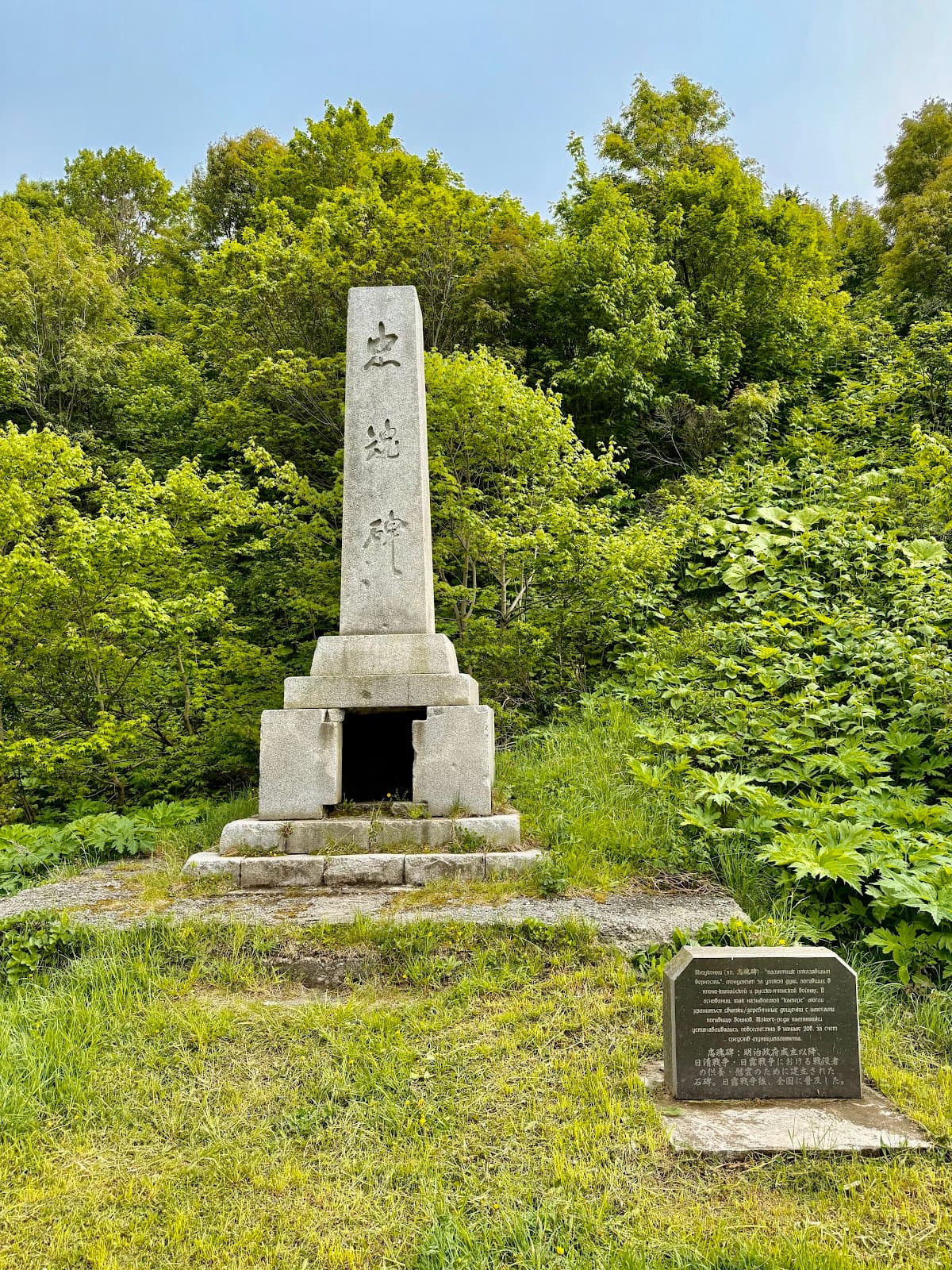
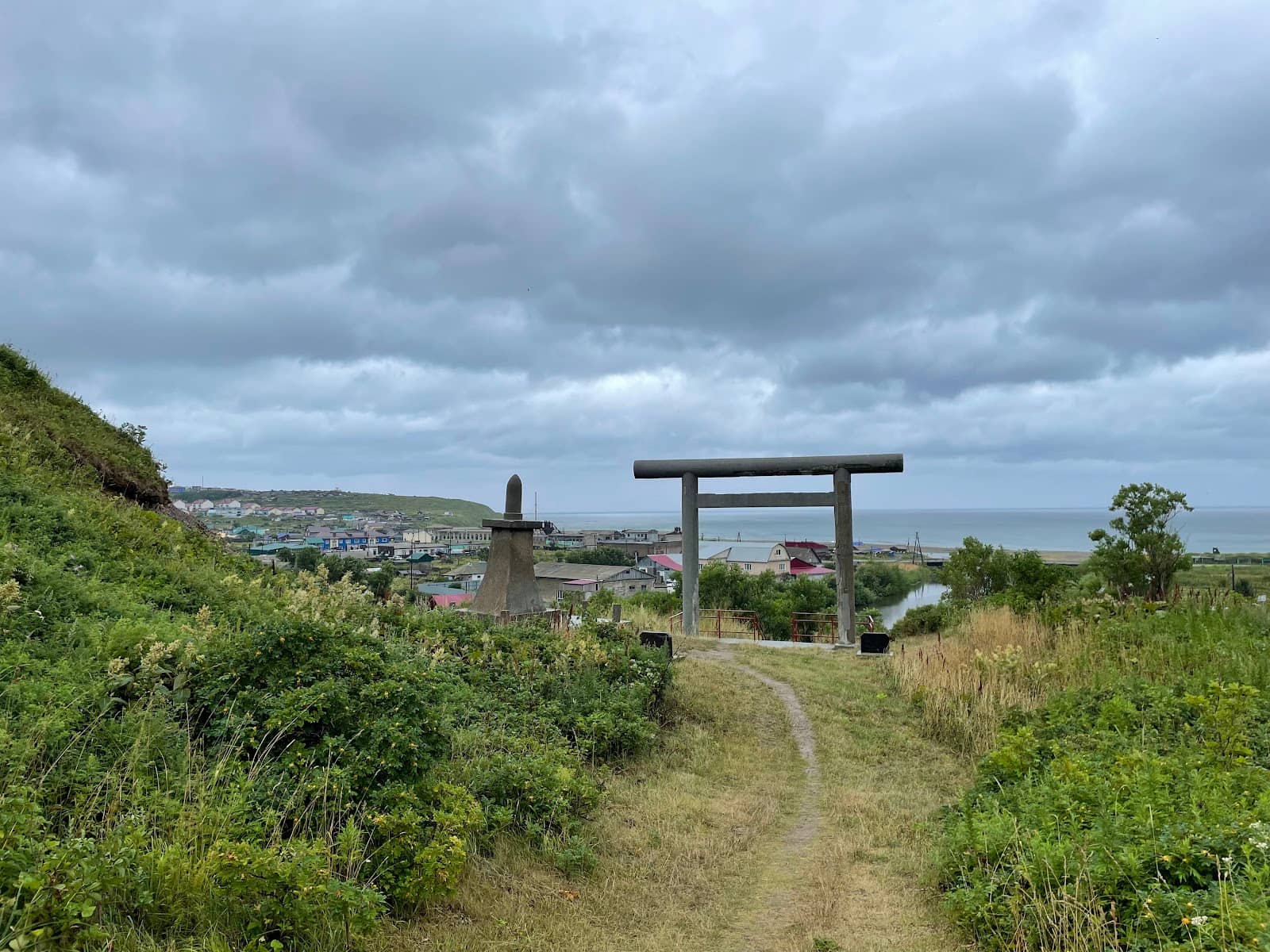
A hauntingly beautiful historical site, Otomari Shrine Ruins offer a poignant glimpse into Japan's past on Sakhalin, evoking a deep sense of melancholy and lost worlds.
"This is not a temple, but a scar of time: where Japanese faith collided with Soviet reality after 1945."
Wear Sturdy Shoes
Slushy conditions can make ascents and descents risky. Good footwear is essential! :athletic_shoe:
Bring Your Own Water
While there's a spring, it's wise to carry your own for convenience. :water_wave:
Quick Facts
Hours
Rating
4.7 · 52 reviews
Type
Historical Landmark
Highlights
Discover the most iconic attractions and experiences
Concrete Foundations
Main shrine area
The stark outlines of the former honden, a tangible link to the past.
Stone Lantern Fragments
Scattered around the site
Weathered remnants whispering tales of bygone rituals and prayers.
Ravine Spring
Deep in the ravine
A source of clean, fresh water, offering a moment of natural respite.
Plans like a pro.
Thinks like you
Planning Your Visit
Embrace the Melancholy
Respect the Silence
Best Times
Insider Tips
from TikTok, Instagram & Reddit
Wear Sturdy Shoes
Slushy conditions can make ascents and descents risky. Good footwear is essential! :athletic_shoe:
Bring Your Own Water
While there's a spring, it's wise to carry your own for convenience. :water_wave:
Appreciate the Atmosphere
Focus on the historical echoes and quiet melancholy; it's not a typical temple experience. :thought_balloon:
Check Toilet Availability
The toilet facilities may not always be operational. Plan accordingly. 🚽
Tips
from all over the internet
Wear Sturdy Shoes
Slushy conditions can make ascents and descents risky. Good footwear is essential! :athletic_shoe:
Bring Your Own Water
While there's a spring, it's wise to carry your own for convenience. :water_wave:
Appreciate the Atmosphere
Focus on the historical echoes and quiet melancholy; it's not a typical temple experience. :thought_balloon:
Check Toilet Availability
The toilet facilities may not always be operational. Plan accordingly. 🚽
What Travellers Say
Reviews Summary
Visitors find Otomari Shrine Ruins to be a deeply atmospheric and historically significant site, offering a poignant glimpse into Japan's past on Sakhalin. While the ruins themselves are minimal, the melancholic beauty and the 'echo of Karafuto' leave a lasting impression. The site is generally well-maintained, though accessibility can be challenging in certain weather conditions.
"Tomarioru Jinja: Echo of Karafuto in Sakhalin Fog
Standing among the thickets on the outskirts of Tomari, I was looking for a temple, but found a ghost. Tomarioru Jinja is a rare fragment of Japanese Karafuto (1905-1945) on Sakhalin land. Built during the Taisho era (1912-1926) for Japanese settlers and fishermen, it was the center of their faith and hopes in a harsh land. Imagine: Shinto prayers under the Sakhalin sky, rituals by the sea, which the indigenous Nivkhs knew other names for...
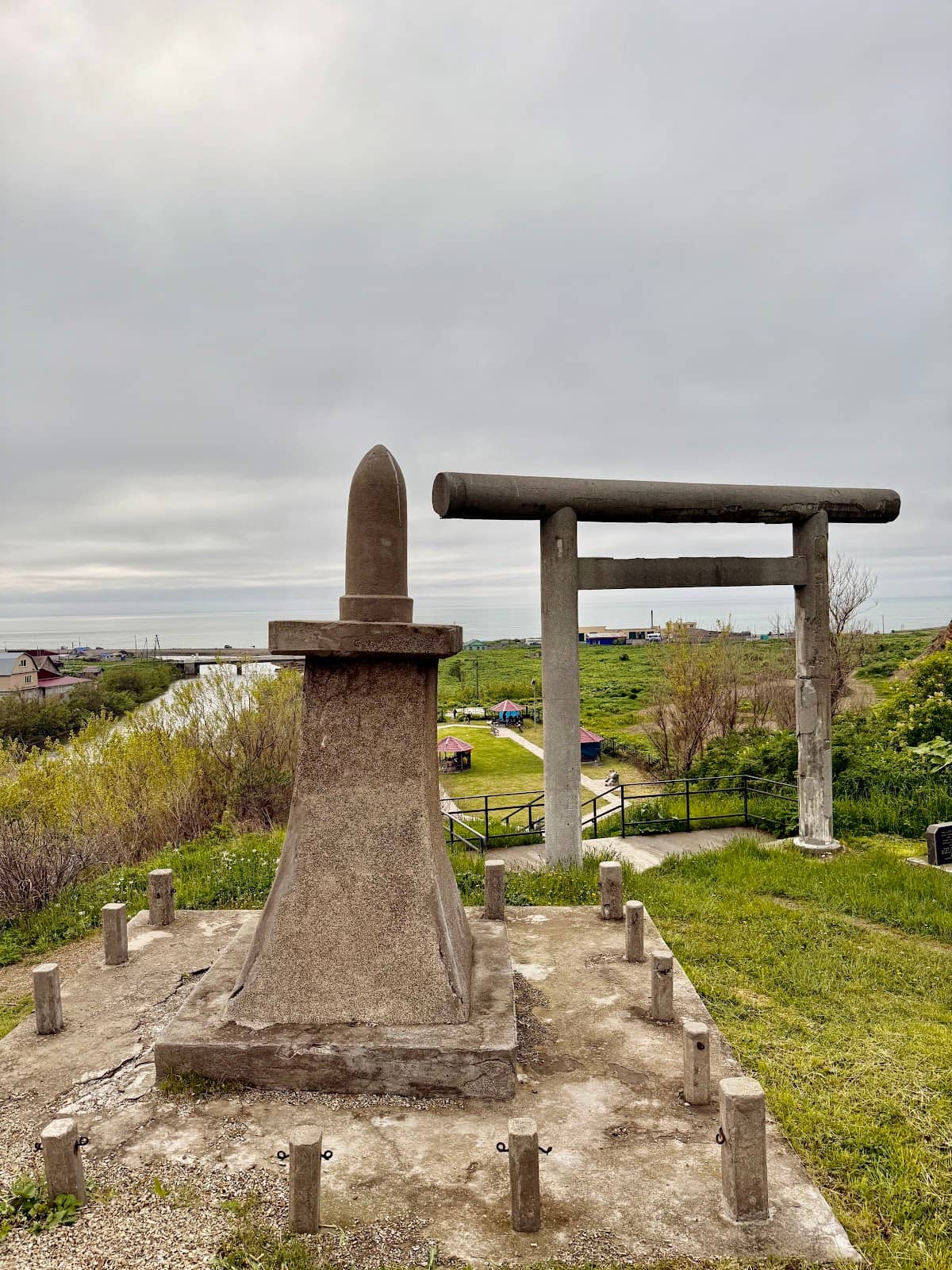
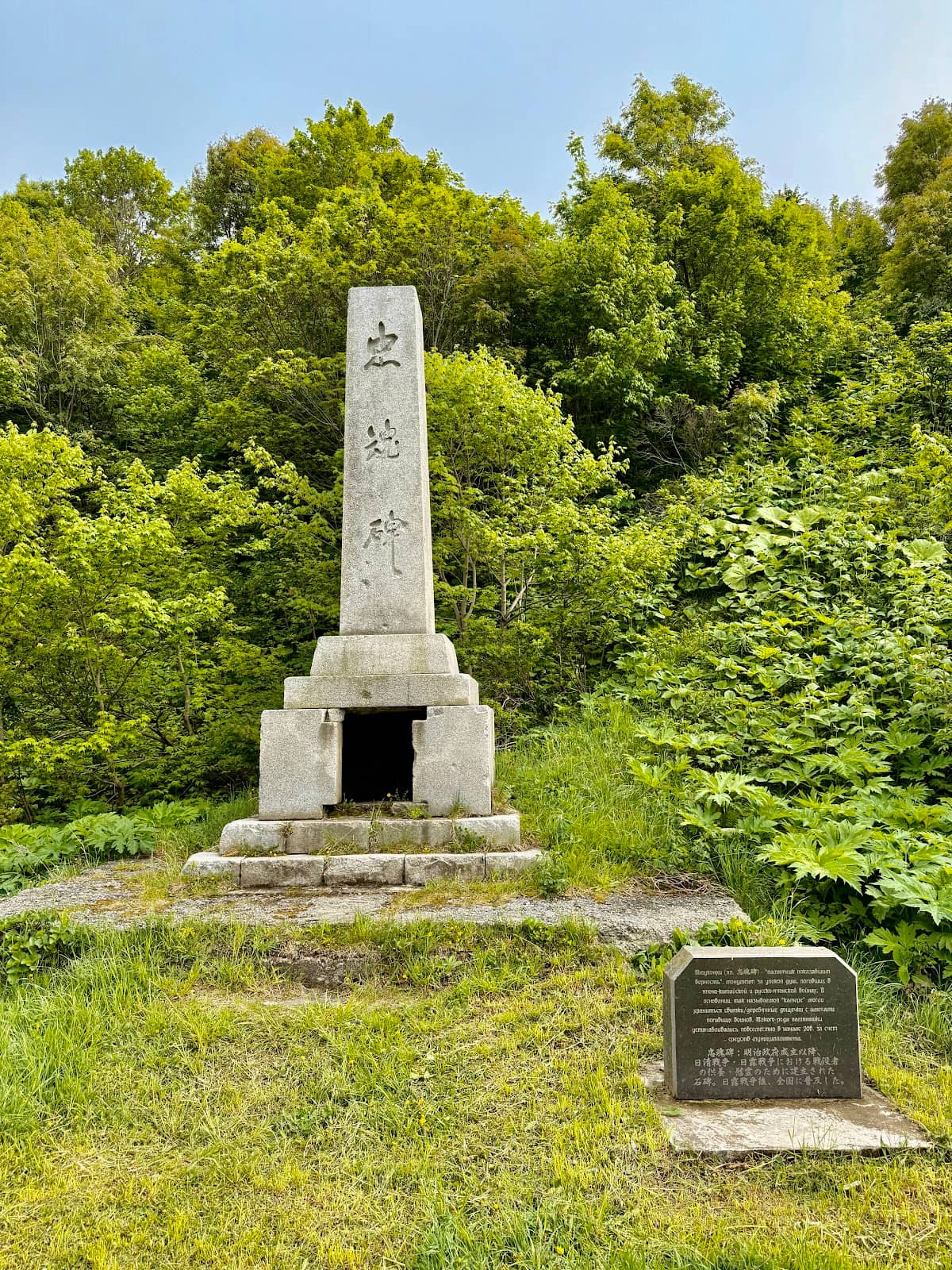
And here is my madness: the absolute silence of oblivion. No bright torii, no ringing of suzu. Only concrete foundations, the outlines of the altar (honden), and the fragments of stone lanterns, slowly sinking into the grass. The air is thick, like a story not told here. The cold of the stones beneath my fingers is the only connection to those who prayed here for a catch of the sea and a return home. This is not a temple, but a scar of time: where Japanese faith collided with Soviet reality after 1945. Walking here, I felt not holiness, but a deep melancholy of lost worlds – and a wild sense that time had stumbled and crumbled at my feet. This place does not whisper – it is silent with the icy silence of Sakhalin."
Roman Konev
"The historical place is well-kept. I keep it clean, mow the grass. In slush, the ascent and descent are of course risky. It would be good to make a staircase. And install an information stand about the temple itself."
Андрей Волкоморов
"It's a very beautiful and accessible place, there are gazebos, but the toilet didn't work."
Andrey Alferov
What People Like
What People Dislike
Frequently Asked Questions
🚇 🗺️ Getting There
The ruins are located on the outskirts of Tomari. Access might involve local transport or a private vehicle. The ascent and descent can be risky, especially in slushy conditions, so plan your travel accordingly.
Information on direct public transport links is scarce. It's advisable to check local transport schedules or consider a taxi or private car for easier access to the site.
The site is described as accessible with gazebos, but the terrain can be challenging, particularly during wet weather. Sturdy footwear is highly recommended.
🎫 🎫 Tickets & Entry
There is no mention of admission fees for Otomari Shrine Ruins, suggesting it is freely accessible to visitors.
As an outdoor historical site, Otomari Shrine Ruins likely has no set opening hours and can be visited at any time. However, visiting during daylight hours is recommended for safety and better visibility.
Based on traveler accounts, there is no entrance fee to explore the Otomari Shrine Ruins.
🎫 🧭 Onsite Experience
Little remains of the original structure, primarily concrete foundations, altar outlines, and fragments of stone lanterns. The site is more about the historical atmosphere than preserved buildings.
While gazebos are available, one review mentioned that the toilet facilities were not working. It's best to be prepared and use facilities before arriving.
The ruins offer a unique, melancholic atmosphere for photography, capturing the 'echo of Karafuto'. The natural surroundings also provide scenic backdrops.
One visitor suggested installing an information stand about the temple. Currently, there is limited on-site information, so prior research is recommended.
Travelers report that the historical place is generally well-kept, with grass mowed. However, the ascent and descent can be risky in slush.
🍽️ 🍽️ Food & Dining
Information on dining options directly at the ruins is limited. It's advisable to explore dining in the nearby town of Tomari for food and refreshments.
The presence of gazebos suggests that picnicking might be possible, but it's important to be mindful of the historical and serene nature of the site.
📸 📸 Photography
Focus on the atmospheric remnants like concrete foundations and stone lantern fragments. The surrounding natural landscape also offers beautiful shots.
Morning or late afternoon light can create a dramatic and melancholic mood, enhancing the historical feel of the ruins.



Social
from TikTok, Instagram & Reddit