Ntarama Genocide Memorial
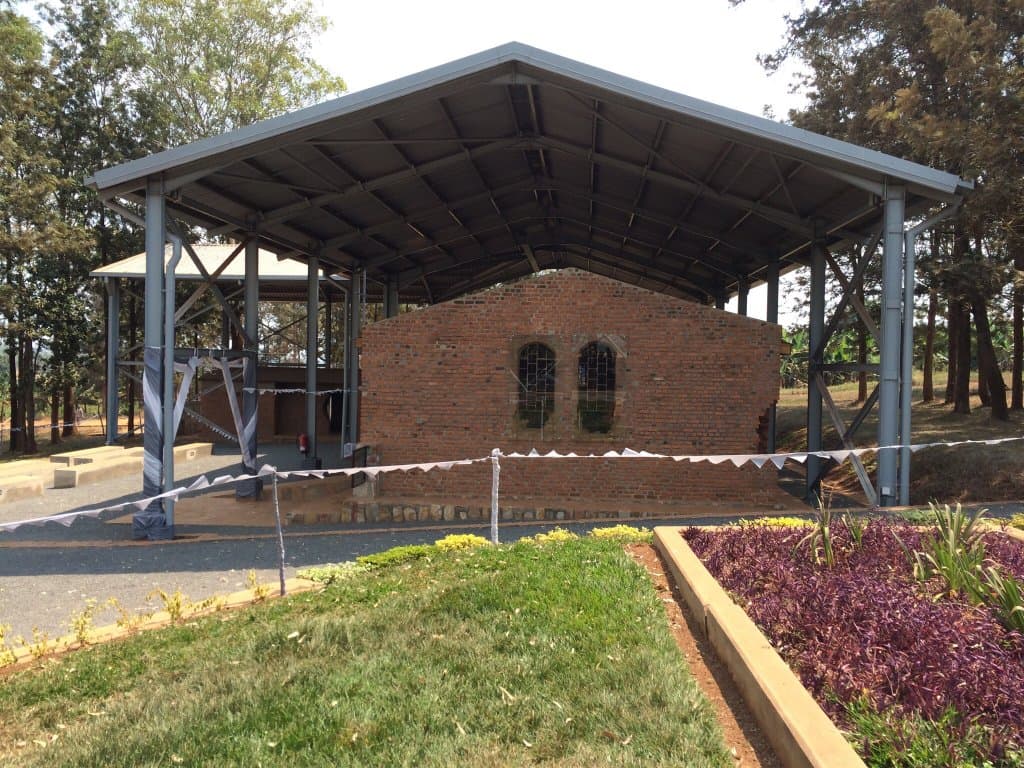
A solemn memorial preserving a church where thousands were massacred, serving as a powerful reminder of the 1994 genocide.
Highlights
Must-see attractions

Social
From TikTok & Reddit
Best Time
Fewer crowds, more reflective atmosphere
Ntarama Genocide Memorial
Best Time
Fewer crowds, more reflective atmosphere
Highlights
Must-see attractions
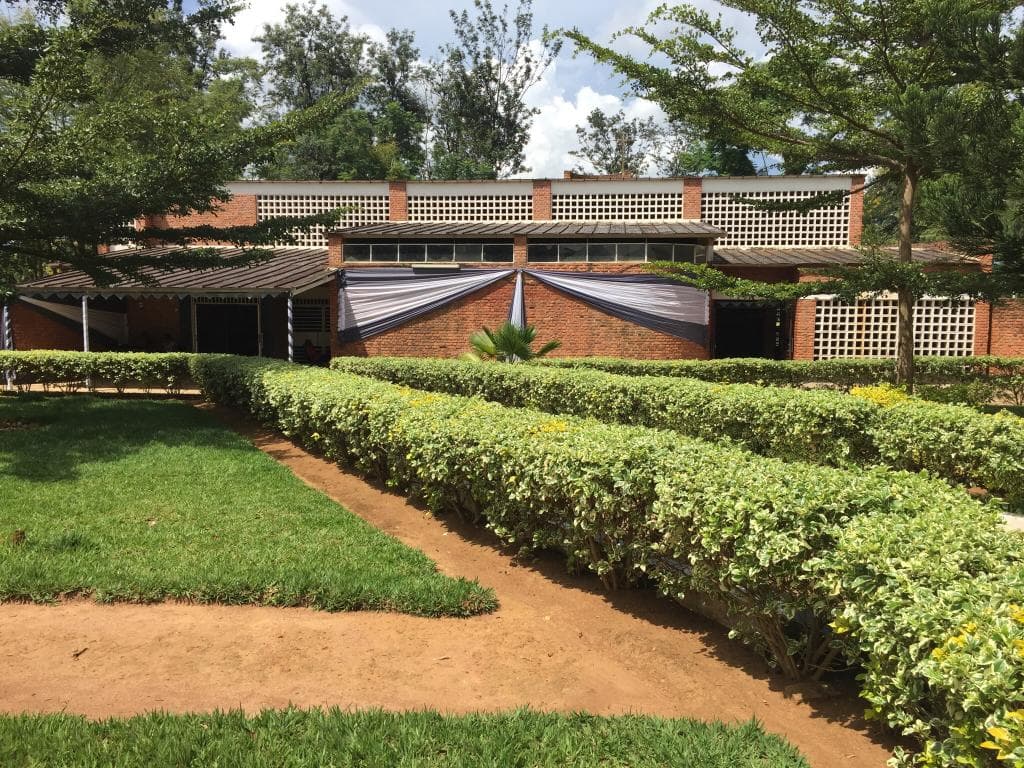
A solemn memorial preserving a church where thousands were massacred, serving as a powerful reminder of the 1994 genocide.
"A deeply harrowing but essential visit for understanding Rwanda's history and the importance of remembrance."
Book a Guided Tour
Guides offer invaluable historical context and personal stories. Essential for understanding the site's significance. :microphone:
Wear Respectful Attire
Dress modestly out of respect for the victims and the solemnity of the memorial. :dress:
Highlights
Discover the most iconic attractions and experiences
The Church Sanctuary
Main Church Building
Witness the preserved church where thousands sought refuge and met their tragic end. Remains and belongings are displayed.
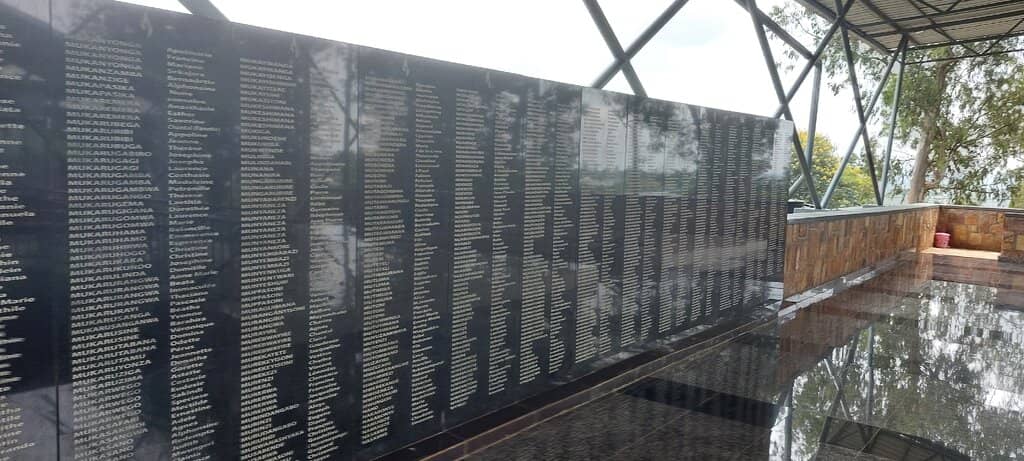
Mass Grave Site
Outdoor Area
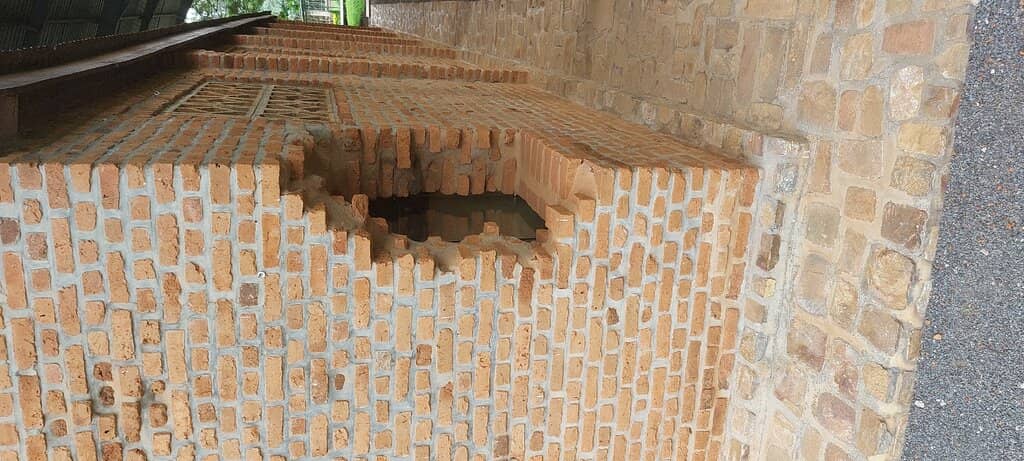
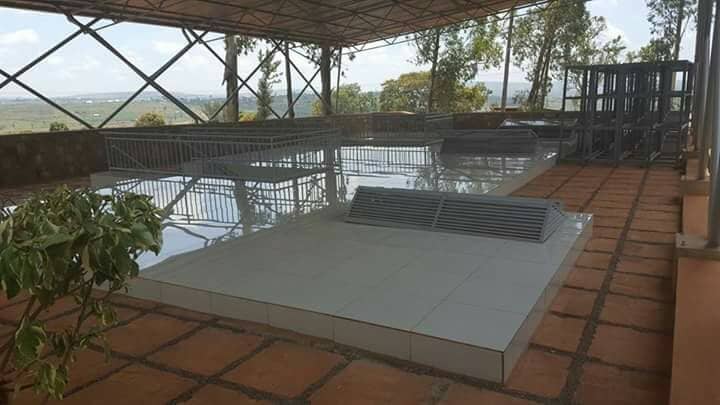
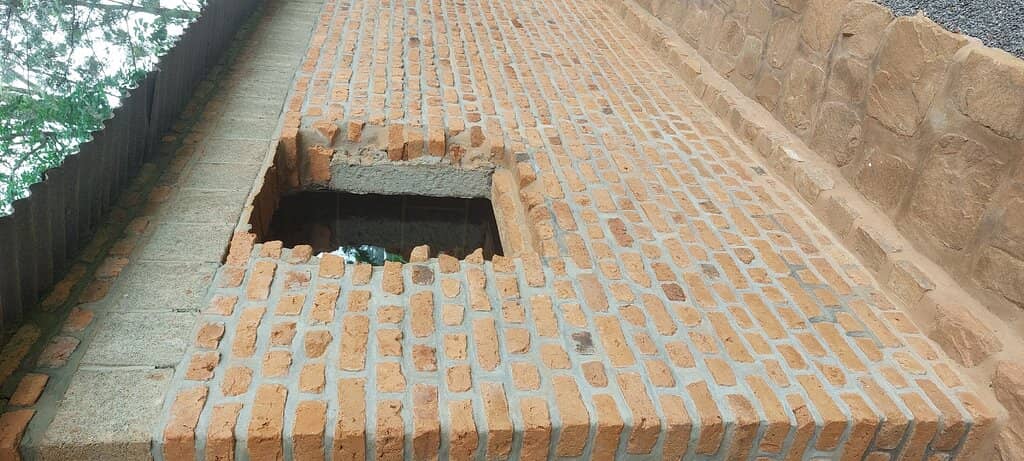
A solemn burial site where victims discovered to this day are honored. A place for quiet contemplation and remembrance.
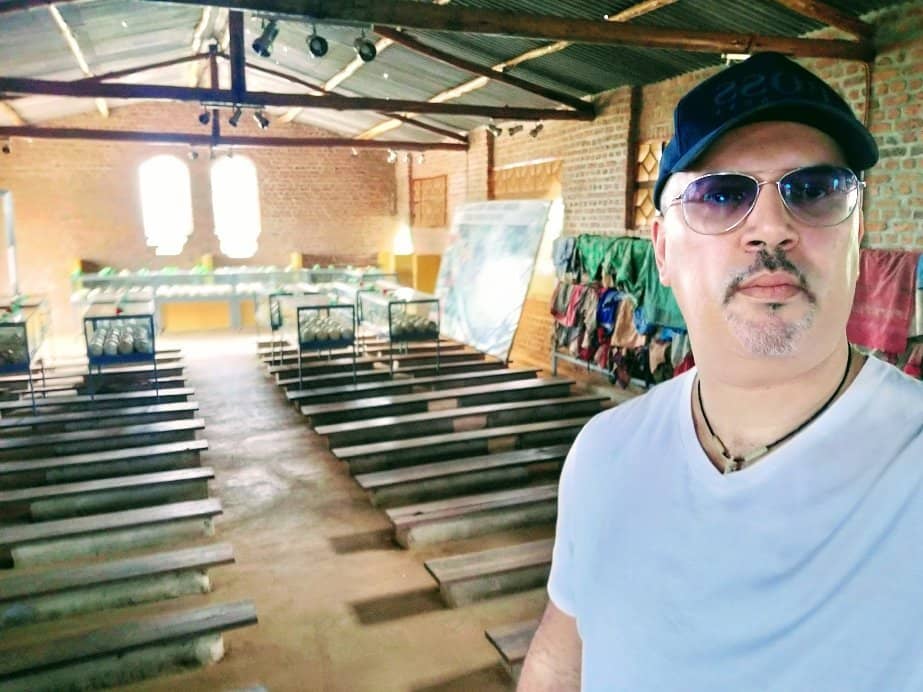
Personal Artifacts Display
Outbuildings
See the personal belongings and clothing of victims, offering a poignant glimpse into their lives before the genocide.
Plans like a pro.
Thinks like you
Planning Your Visit
Prepare for a Profound Experience
Respectful Visitation is Key
Best Times
Insider Tips
from TikTok, Instagram & Reddit
Book a Guided Tour
Guides offer invaluable historical context and personal stories. Essential for understanding the site's significance. :microphone:
Wear Respectful Attire
Dress modestly out of respect for the victims and the solemnity of the memorial. :dress:
Prepare for Emotional Impact
The site is harrowing. Be ready for graphic displays and deeply sad accounts. :sob:
Allow Ample Time
Don't rush your visit. Take time to reflect and absorb the history. :clock:
Tips
from all over the internet
Book a Guided Tour
Guides offer invaluable historical context and personal stories. Essential for understanding the site's significance. :microphone:
Wear Respectful Attire
Dress modestly out of respect for the victims and the solemnity of the memorial. :dress:
Prepare for Emotional Impact
The site is harrowing. Be ready for graphic displays and deeply sad accounts. :sob:
Allow Ample Time
Don't rush your visit. Take time to reflect and absorb the history. :clock:
Photography Considerations
Check for restrictions before taking photos, especially inside the church. :camerawithflash:
What Travellers Say
Reviews Summary
Visitors consistently describe Ntarama Genocide Memorial as a deeply moving and essential site for understanding the 1994 genocide. While harrowing and emotionally challenging due to graphic displays, the memorial is praised for its historical accuracy, informative guides, and its role in remembrance and education. It's a place that prompts profound reflection on peace and humanity's resilience.
"Really informative guided tour of a site of such tragedy that is maintained as a reminder of the genocide in hopes that learning and remembering will prevent future genocides. It's also home to a mass grave where bodies found to this day are buried and honored with commemoration ceremonies"
Fiorella Calderoni
"Evidence of the atrocities are preserved here in the church and outbuildings where thousands died. Really harrowing accounts of the deathes of innocents, especially the torture of women and the smashing of babies against the wall. In the Kigali Genocide Memorial there are photographs of decomposed bodies in the church, so seeing those photos after visiting the Ntarama site was a shocking."
Derek Martin
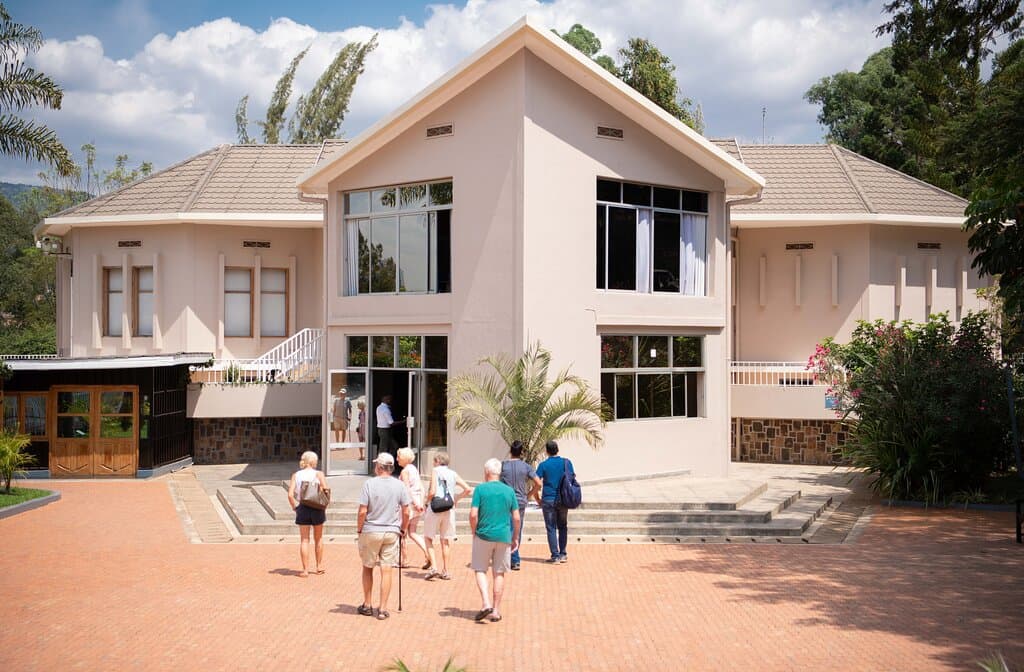
"Historical, reminds me of how humanity is precious and how we should not take peace for granted, I love that the facility has build a brand new building and the remains of the victims are properly stored in coffins."
Violeth Julias Yongo
What People Like
What People Dislike
Frequently Asked Questions
🚇 🗺️ Getting There
The Ntarama Genocide Memorial is located in the Bugesera District, about an hour's drive from Kigali. Taxis or private car hire are the most convenient options. Some tours also include transportation from Kigali. :car:
While public transport exists to the Bugesera region, it may not drop you directly at the memorial. Hiring a taxi for the day or arranging transport through your accommodation is often more practical. :bus:
The journey typically takes around 1 to 1.5 hours, depending on traffic conditions in Kigali and the specific route taken. :stopwatch:
Navigate towards the Bugesera District. The memorial is well-signposted once you are in the vicinity. GPS coordinates can also be helpful. :round_pushpin:
Yes, many visitors combine a trip to Ntarama with other genocide memorial sites or local attractions in the Bugesera area. :world_map:
🎫 🎫 Tickets & Entry
The memorial is generally open daily from 8:00 AM to 5:00 PM. It's always a good idea to confirm current hours before your visit. :clock:
While there isn't a fixed entrance fee, donations are highly encouraged and appreciated to support the maintenance and preservation of the site. :moneybag:
Advance booking is not typically required for individuals. However, if you are part of a large group, it's advisable to contact the memorial in advance. :pencil:
Yes, guided tours are highly recommended and are usually available upon arrival. The guides provide crucial historical context. :microphone:
Most visitors spend between 1.5 to 2 hours at the memorial to fully absorb the information and reflect. :hourglass:
🎫 🧭 Onsite Experience
You will see the preserved church with victims' belongings, mass grave sites, and learn about the atrocities that occurred here. It's a deeply moving experience. :heart:
Photography inside the church where human remains are displayed is generally not permitted out of respect for the victims. Always check signage. :camerawithflash:
Basic restroom facilities are usually available on-site for visitors. :toilet:
The memorial is incredibly somber and can be emotionally challenging due to the graphic evidence and stories of immense suffering. :sob:
While not guaranteed, sometimes survivor testimonies or community members involved with the memorial may be present, offering profound insights. :peopleholdinghands:
🍽️ 🍽️ Food & Dining
There are typically no dining facilities directly at the Ntarama Genocide Memorial itself. It's advisable to eat before or after your visit. :forkandknife:
Food options are limited in the immediate vicinity. You'll find more choices in Kigali or in larger towns within the Bugesera District. :restaurant:
Bringing water is recommended, especially on warm days. However, consuming food should be done away from the memorial areas out of respect. :water_bottle:
Rwandan cuisine often features dishes like 'brochettes' (grilled meat skewers), 'ugali' (maize porridge), and various stews. :foodie:
Consider returning to Kigali for a wider selection of restaurants, or ask your guide for local recommendations in the Bugesera area. :map:
📸 📸 Photography
Photography is generally allowed in the outdoor areas and some exhibition spaces, but strictly prohibited inside the church where remains are displayed. Always look for signs. :camerawithflash:
The exterior of the church, the mass grave area, and the surrounding grounds offer opportunities for respectful photography. :camera:
Be discreet and respectful. Avoid intrusive shots and always prioritize the solemnity of the site over capturing the perfect photo. :respect:
Photography of personal belongings is usually not allowed inside the church to maintain the sanctity of the space. :noentrysign:
Photos that convey remembrance, reflection, and the enduring spirit of hope are most appropriate. :dove:
For Different Travelers
Tailored advice for your travel style
👨👩👧 Families with Kids
Consider visiting the Kigali Genocide Memorial first, as it offers a more structured and perhaps slightly less visceral introduction to the genocide. At Ntarama, emphasize the importance of respect and quiet reflection. Guides can help tailor explanations for older teens.
🤔 Reflective Travelers
Engage fully with the guided tour, ask questions, and allow yourself time for quiet contemplation. The site is a powerful reminder of humanity's capacity for both darkness and resilience, prompting significant reflection on peace and reconciliation.

🤝 Corporate & Group Visits
+2Such group visits can be powerful team-building experiences, fostering a shared sense of responsibility and a commitment to 'Never Again.' It's advisable to coordinate group visits in advance to ensure a meaningful and well-organized experience.
Deep Dives
In-depth insights and expert knowledge
Understanding the History: Ntarama's Significance
Beyond the church itself, the site includes mass graves where the bodies of those found in the surrounding area were interred. The memorial's purpose is not just to display the past but to educate and ensure that such events are never repeated. Visitors often describe the experience as deeply harrowing but essential for understanding the scale of the tragedy and the importance of remembrance.
Guides at Ntarama play a crucial role in contextualizing the events, sharing survivor testimonies, and explaining the historical background of the genocide. Their insights transform the visit from a passive observation into an active learning experience, fostering a deeper appreciation for the resilience of the Rwandan people and the ongoing journey of reconciliation.
The Emotional Journey of Remembrance
It's important to approach the visit with a prepared mindset. The memorial is designed to be a place of solemn reflection, encouraging visitors to contemplate the preciousness of peace and humanity. The accounts of torture and violence, especially against women and children, are graphic and disturbing, but they are presented to underscore the importance of learning from history.
Despite the sorrow, many also find a sense of hope and admiration for Rwanda's commitment to remembrance and rebuilding. The memorial serves as a powerful reminder of the human capacity for both immense cruelty and incredible resilience.
Community and Support Initiatives
+2These initiatives can include donations to survivor foundations, support for orphanages, or contributions to local health facilities. Such actions highlight Rwanda's collective commitment to healing and development in the aftermath of the genocide.
+1For visitors interested in contributing, there are often opportunities to learn about and support local NGOs working with genocide survivors, widows, and orphans in the Bugesera region.
+1



Social
from TikTok, Instagram & Reddit