
Al Jamarat Mecca
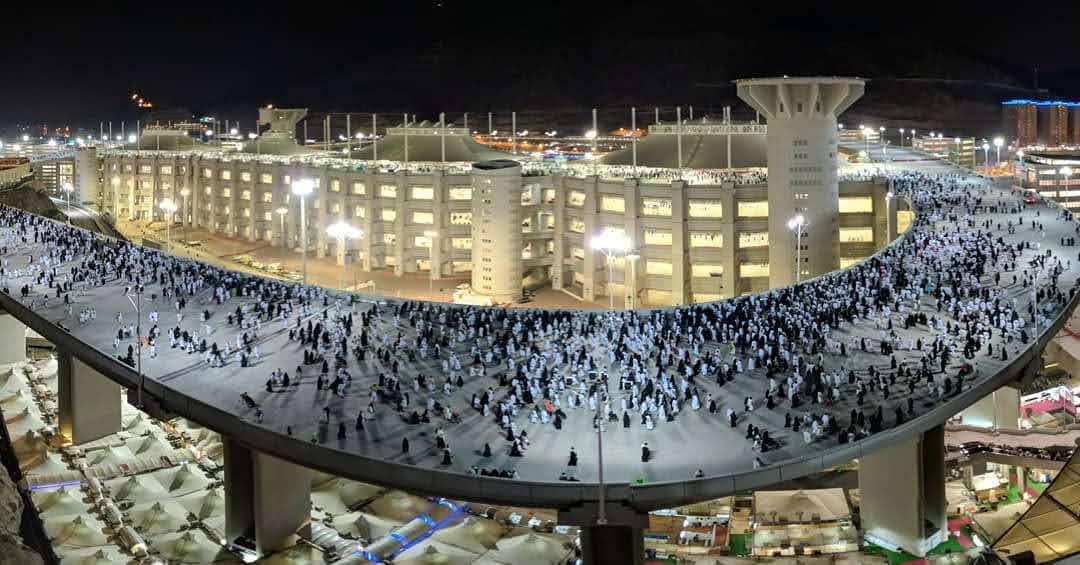
The Jamarat complex in Mina, where pilgrims perform the symbolic stoning of the devil during Hajj, representing the rejection of evil.
Highlights
Must-see attractions

Social
From TikTok & Reddit
Best Time
Core Hajj ritual days
Al Jamarat Mecca
Best Time
Core Hajj ritual days
Highlights
Must-see attractions
The Jamarat complex in Mina, where pilgrims perform the symbolic stoning of the devil during Hajj, representing the rejection of evil.
"A powerful spiritual journey, the Jamarat complex is central to Hajj, symbolizing the believer's steadfastness against temptation."

Carry Water Bottles 💧
Stay hydrated! Water facilities can be limited, so always have your own bottle, especially during Hajj.
Wear Comfortable Shoes 👟
You'll be doing a lot of walking and standing. Comfortable footwear is essential for navigating the complex.
Quick Facts
Rating
4.8 · 3,759 reviews
Type
Place of Worship
Highlights
Discover the most iconic attractions and experiences
Jamarat Al-Sughra (Small Pillar)
Mina
The first pillar pilgrims encounter, symbolizing the initial rejection of evil. A powerful start to the stoning ritual.
Jamarat Al-Wusta (Middle Pillar)
Mina
The second pillar, representing continued resistance against temptation and a deeper commitment to faith.

Jamarat Al-Kubra (Large Pillar)
Mina
The final and largest pillar, signifying the ultimate victory over temptation and a renewed spiritual resolve.
Plans like a pro.
Thinks like you
Planning Your Visit
Timing Your Pilgrimage
Understanding the Ritual
Best Times
Insider Tips
from TikTok, Instagram & Reddit
Carry Water Bottles 💧
Stay hydrated! Water facilities can be limited, so always have your own bottle, especially during Hajj.
Wear Comfortable Shoes 👟
You'll be doing a lot of walking and standing. Comfortable footwear is essential for navigating the complex.
Understand the Ritual 🕋
Know the significance of stoning each pillar to enhance your spiritual connection.
Patience is Key 🙏
During Hajj, expect large crowds. Maintain patience and focus on your spiritual journey.
Tips
from all over the internet
Carry Water Bottles 💧
Stay hydrated! Water facilities can be limited, so always have your own bottle, especially during Hajj.
Wear Comfortable Shoes 👟
You'll be doing a lot of walking and standing. Comfortable footwear is essential for navigating the complex.
Understand the Ritual 🕋
Know the significance of stoning each pillar to enhance your spiritual connection.
Patience is Key 🙏
During Hajj, expect large crowds. Maintain patience and focus on your spiritual journey.
Follow Designated Paths 🚶
The complex is well-designed for pilgrim flow. Adhere to the marked routes for safety and efficiency.
What Travellers Say
Reviews Summary
Al Jamarat is a site of immense spiritual significance, central to the Hajj pilgrimage. Visitors highlight the powerful symbolism of the stoning ritual and the impressive scale of the modern complex designed to accommodate millions. While the experience is deeply moving, some note that water facilities can be insufficient during peak times, and navigating the crowds requires patience and preparation.
"“Jamarat al-Sughra”, or the small Jamarat, is the first of the three stone pillars in Mina that pilgrims encounter during the Hajj ritual of “Ramy al-Jamarat”. It marks the spot where Prophet Ibrahim (peace be upon him) is believed to have first encountered the devil, who tried to divert him from obeying Allah’s command. In response, he pelted the devil with stones to drive him away.
During the ritual, pilgrims throw seven pebbles at “Jamarat al-Sughra” on the 11th and 12th of Dhul Hijjah. This symbolic act represents the believer’s rejection of evil and commitment to the path of righteousness.
The area around the small Jamarat is part of a well-structured complex designed to ensure smooth and safe movement of pilgrims. Although it is the smallest of the three, its meaning is powerful—it serves as a reminder of the spiritual battle every believer must face with courage and faith."
Er. Tauqeer Ansari
"Jamrat al-Ula (Arabic: الجمرة الاولى; “the first pillar”), also known as Jamrat al-Sughra (Arabic: الجمرة الصغرى; “the small pillar”), is one of the three Jamarat at which pebbles are thrown by Hajj pilgrims performing the ritual of Rami during Ayyam al-Tashreeq. It is the first of the three pillars from the direction of Mina.
Jamrah Sughra or Jamrah al-Ula
It is the smallest Jamrah and the first pillar. It is at the greatest distance from the point of sacrifice, and it is believed that Satan
The Stoning of the Devil (Arabic: رمي الجمرات ramy al-jamarāt, lit. "throwing of the jamarāt [place of pebbles]")[1][2][3] is part of the annual Islamic Hajj pilgrimage to the holy city of Mecca (Mina). During the ritual, Muslim pilgrims throw pebbles at three walls (formerly pillars), called jamarāt, in the city of Mina just east of Mecca. It is a symbolic reenactment of Ibrahim's (or Abraham's) hajj, where he stoned three pillars representing the Shaitan (or Satan), and Muslims' temptation to disobey the will of Allah."
Rashid Akram
"A holy place where Muslims come during Hajj for 3 /4 days.
Very nicely designed and maintained place.
It's metro line should be extended till Masijid al Haram."
Rehan Khan Afridi
What People Like
What People Dislike
Frequently Asked Questions
🚇 🗺️ Getting There
During Hajj, pilgrims typically walk from their accommodations in Mina to the Jamarat complex. For those outside of Hajj, taxis or ride-sharing services are available to reach the Mina area. Some suggest extending the metro line to Masjid al Haram for easier access.
During Hajj, dedicated shuttle services and walking are the primary modes of transport. Outside of Hajj, public transport options might be limited directly to the Jamarat area, with taxis being more common.
Pilgrims are usually guided to Mina by their Hajj organizers. Walking is common, and the area is designed for pedestrian flow during the pilgrimage.
Private vehicle access to the Jamarat complex is highly restricted during Hajj due to the massive influx of pilgrims. It's best to rely on organized transport or walking.
The Jamarat complex has been modernized to accommodate large numbers of pilgrims. While efforts are made for accessibility, navigating large crowds can still be challenging.
🎫 🎫 Tickets & Entry
Al Jamarat is primarily visited during the Hajj pilgrimage. Entry is typically part of the Hajj permit and not a separate ticketed event for individual tourists outside of Hajj.

During Hajj, the Jamarat complex is accessible for the ritual of Ramy al-Jamarat on specific days. Outside of Hajj, access might be restricted or limited as it's part of the Mina area.
There is no specific entry fee for Al Jamarat itself. The cost is associated with the Hajj pilgrimage package if you are visiting during that time.
Pilgrims perform Ramy al-Jamarat on the 11th and 12th of Dhul Hijjah. It's advisable to go during the designated times to avoid overcrowding.
While the Jamarat complex is a significant site, it's primarily active during Hajj. Access outside of Hajj may be limited as it's part of the Mina encampment area.
🎫 🧭 Onsite Experience
Ramy al-Jamarat is the stoning of three pillars (Jamarat) in Mina, symbolizing the rejection of Satan's temptations. Pilgrims throw seven pebbles at each pillar.
Pilgrims throw seven pebbles at each of the three Jamarat pillars, totaling 21 pebbles for the ritual.
The three pillars represent the devil at three different points where Prophet Ibrahim rejected his temptations. Stoning them symbolizes a believer's commitment to resist evil.
The Jamarat complex is a modern, multi-story structure designed for efficient pilgrim movement. Facilities include restrooms and prayer areas. Water facilities are noted as sometimes being insufficient.
During Hajj, men wear Ihram clothing, and women wear modest, loose-fitting attire. Comfortable shoes are highly recommended due to extensive walking.
🍽️ 💧 Food & Dining
During Hajj, food is often provided in designated areas or through Hajj packages. Outside of Hajj, dining options in Mina are very limited as it's primarily a tent city for pilgrims.
Bringing snacks and water is advisable, especially during Hajj, as dedicated food stalls might be crowded or limited.
Food during Hajj is typically simple and nutritious, often served in buffet style to cater to large numbers of pilgrims.
Mina is primarily a temporary city for Hajj. Permanent restaurants are scarce; food services are usually organized for pilgrims during the Hajj period.
It's more practical to eat before or after the ritual, or at designated meal times during Hajj, rather than relying on ad-hoc options near the Jamarat itself.
📸 📸 Photography
Photography is generally allowed, but it's important to be respectful of the sacred nature of the site and the pilgrims' devotion. Avoid intrusive photography.
Early morning or late evening can offer softer light and potentially fewer crowds, though during Hajj, it's always busy. Capturing the scale of the complex is impressive.
Be mindful of pilgrims performing their rituals. Avoid photographing individuals without their consent, especially during prayer or intense moments of devotion.
Focus on the architecture of the Jamarat complex, the scale of the pilgrimage, and the spiritual atmosphere. Capturing the act of stoning is a key visual.
Drone usage is typically prohibited in and around holy sites in Mecca for security and privacy reasons. Always check local regulations.
Social
from TikTok, Instagram & Reddit