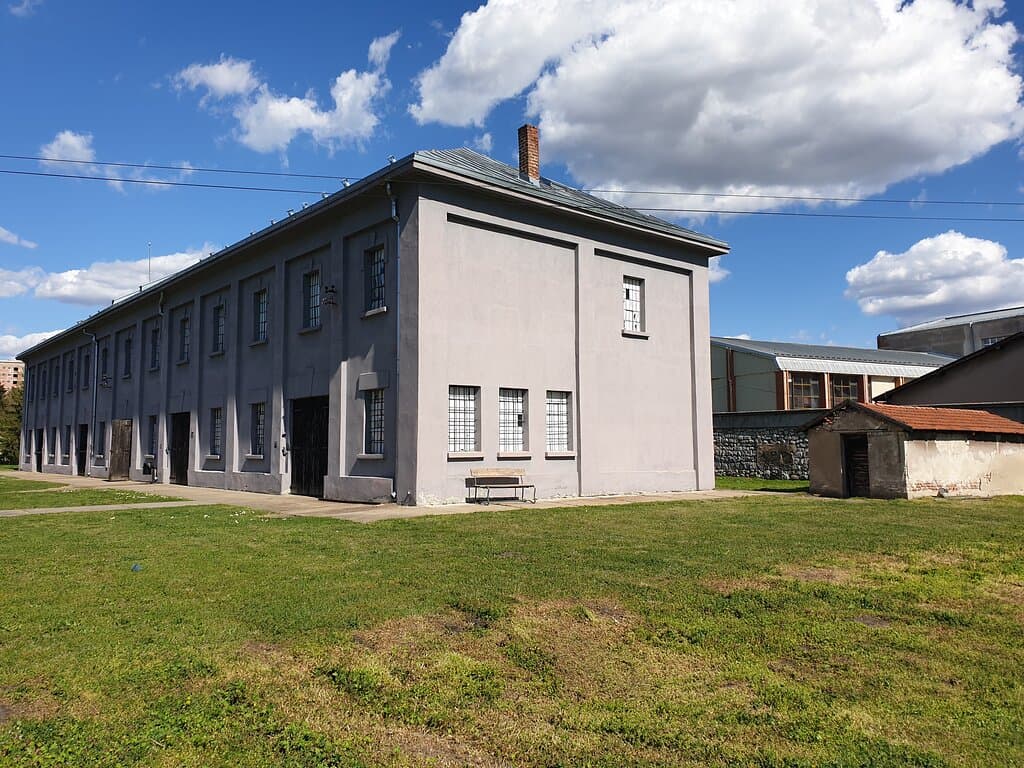
Red Cross Concentration Camp Museum
A deeply moving museum preserving the harrowing history of a WWII concentration camp, offering a poignant look at resilience and remembrance.
Highlights
Must-see attractions

Social
From TikTok & Reddit
Best Time
Fewer crowds, more reflection
Red Cross Concentration Camp Museum
Best Time
Fewer crowds, more reflection
Highlights
Must-see attractions
A deeply moving museum preserving the harrowing history of a WWII concentration camp, offering a poignant look at resilience and remembrance.
"Exceptionally well preserved camp. You can really feel the atmosphere."
Allocate Enough Time
Plan for at least 2 hours to fully absorb the exhibits and personal stories.
Card Payments Accepted
Good news: you can pay by card! No need to worry about having cash on hand.

Quick Facts
Hours
Rating
4.6 · 1,696 reviews
Type
Historical Place
Highlights
Discover the most iconic attractions and experiences
The Camp Cells
Ground floor
Experience the chilling atmosphere of the preserved camp cells, offering a stark glimpse into the harsh realities faced by inmates.
The Great Escape Exhibit
Exhibition space
Learn about the incredible courage of inmates during the February 12th escape, a testament to resilience against oppression.
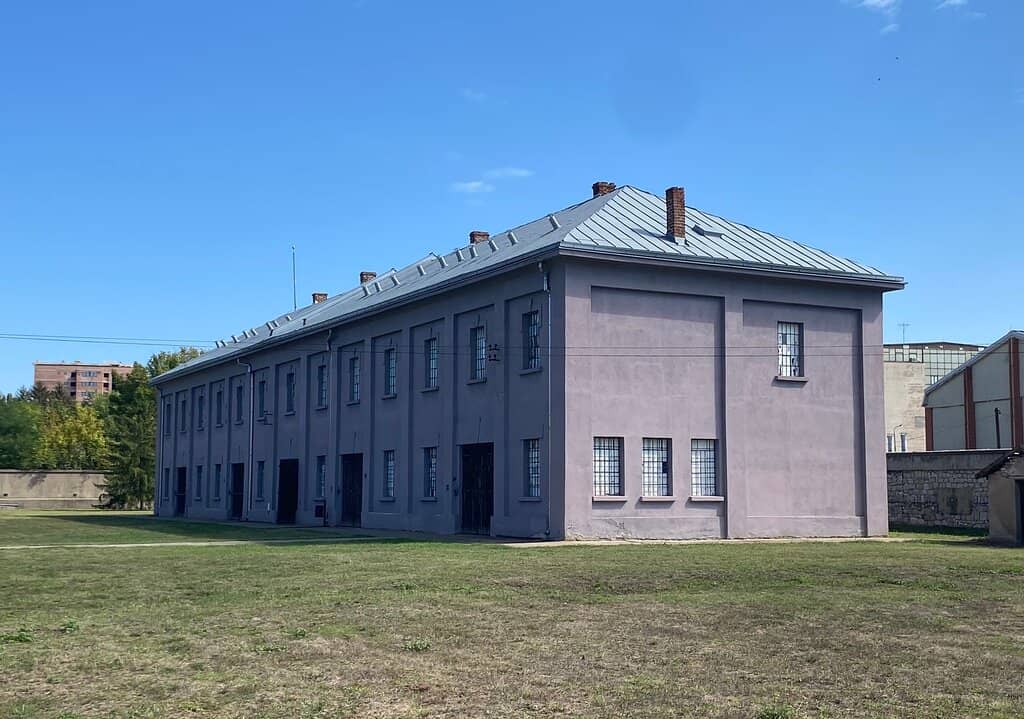
Personal Stories and Artifacts
Exhibition space
Engage with poignant personal accounts and historical artifacts that bring the past to life and honor the victims.
Plans like a pro.
Thinks like you
Planning Your Visit
Prepare for a Profound Experience
Logistics and Accessibility
Best Times
Insider Tips
from TikTok, Instagram & Reddit
Allocate Enough Time
Plan for at least 2 hours to fully absorb the exhibits and personal stories.
Card Payments Accepted
Good news: you can pay by card! No need to worry about having cash on hand.
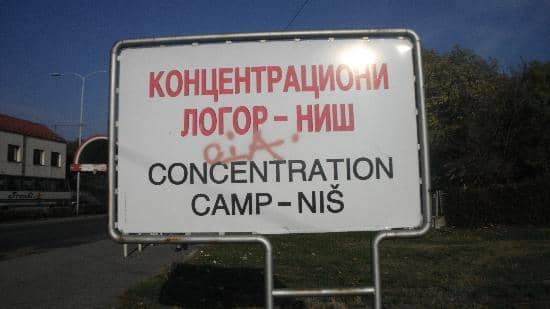
Red Cross Concentration Camp, Nis, Serbia
Visiting the Red Cross Concentration Camp in Nis, Serbia, was unsettling, confronting and heart-wrenching. The former camp is now a museum, and information provided states: 'As the military base (*that was transformed into a concentration camp*) was neighbouring the Red Cross…
Those in power put a transparent above the entrance to the old Niš Fortress, Serbia, comparing those who oppose the government to... Nazis
FYI, an old Nazi Concentration camp is located 900m from this banner.
Walk to the Memorial
Consider the 40-minute walk to the execution memorial for a more complete historical perspective.
Read the Documentaries
Take time to read the extensive documentation; it's incredibly memorable and informative.
Sinti and Roma Holocaust Sites in Nazi-Occupied Europe (1942)
I have visited couple years ago the concentration camp in Serbia, Niš. Nazis gave it a name Concentration Camp at the Red Cross because nearby was a red cross hospital. It is quite authentic. Locals say it is the very first concentration camp in Europe from which people managed…
Tips
from all over the internet
Allocate Enough Time
Plan for at least 2 hours to fully absorb the exhibits and personal stories.
Card Payments Accepted
Good news: you can pay by card! No need to worry about having cash on hand.
Walk to the Memorial
Consider the 40-minute walk to the execution memorial for a more complete historical perspective.
Read the Documentaries
Take time to read the extensive documentation; it's incredibly memorable and informative.
Dress Appropriately
The cells can feel cold and damp, so dress in layers for comfort.
What Travellers Say
Reviews Summary
Visitors find the Red Cross Concentration Camp Museum to be a deeply moving and historically significant site, offering a poignant glimpse into the past. The well-preserved camp and detailed exhibits, including personal stories and the account of the Great Escape, are highly praised. However, some note that the museum could benefit from more upkeep to ensure its long-term preservation.
"Definitely worth a vist. Very poignant and disturbing. Note the faded writing over the ticket office. Plenty of information to read and many personal stories. We spent around 2 hours there and took everything in. As a result of the visit we decided to walk up to the memorial where many of the camp inmates were executed. It's about a 40 minute walk from the camp and once there about a 20 minute walk back to the centre."
Paul Meagher
"Exceptionally well preserved camp. You can really feel the atmosphere. You should plan and spend some time reading through the documentaron add it's really memorable.
I only stayed there for about an hour and I felt so cold, mainly due to the moisture and lack of any isolation. Can't imagine how people survived there. So scary, indeed."
Ognian Voynikov
"Unparalleled atmosphere, as always in such kind of places. Three floors and good exhibition with artifacts and explanations in Serbian and English"
Daniel Malevanov
What People Like
What People Dislike
Frequently Asked Questions
🚇 🗺️ Getting There
The museum is located in Nis, Serbia. It's accessible by local transport within the city. Many visitors find it a manageable walk from the city center, especially if they are also visiting Nis Fortress.
Yes, the Red Cross Concentration Camp Museum is located near Nis Fortress, making it convenient to visit both historical sites in one day.
Yes, it's possible to walk from the city center, and some visitors also choose to walk to the nearby memorial site.
🎫 🎫 Tickets & Entry
Opening hours can vary, so it's best to check locally or online before your visit. The museum is generally open during daytime hours.
Admission is very affordable, typically around 2.5 Euros, making it an accessible historical site.
Yes, you can pay for your admission by card, which is a convenient option for many visitors.
Currently, there is no guided tour offered. Visitors are encouraged to explore the museum independently and read the provided information.
The museum is a somber and confronting experience due to its historical context. While educational, it may be emotionally challenging for younger visitors. Parental discretion is advised.
🎫 🧭 Onsite Experience
The atmosphere is described as deeply poignant, disturbing, and unsettling, with a palpable sense of history and the hardships endured by inmates.
Most visitors recommend spending around 2 hours to fully take in the exhibits, read the information, and reflect on the history.
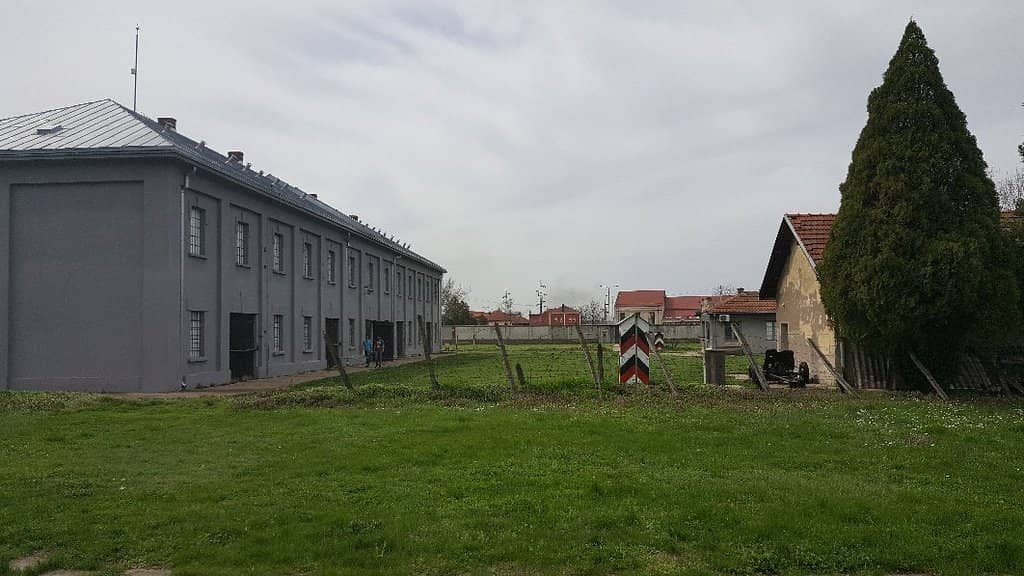
The camp is exceptionally well-preserved, allowing visitors to feel the atmosphere and understand the historical context.
Yes, the exhibition includes explanations and artifacts in both Serbian and English, making it accessible to international visitors.
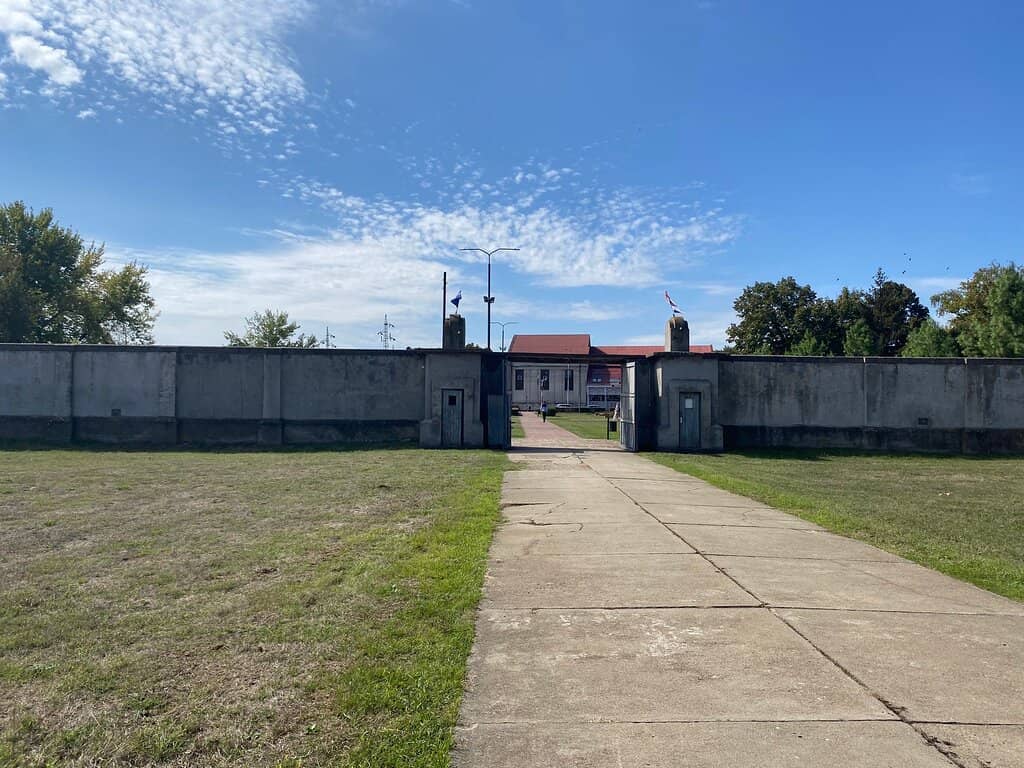
The faded writing is a subtle historical detail that adds to the atmosphere and hints at the camp's past. It's worth noticing as you enter.
📸 📸 Photography
Photography policies can vary. It's always best to check for signage or ask staff upon arrival. Out of respect for the solemn nature of the site, many visitors choose to focus on absorbing the experience rather than extensive photography.
While the entire site holds historical significance, the preserved camp cells and the exhibition displays with artifacts are often highlighted for their visual impact.

Social
from TikTok, Instagram & Reddit