Aldabra Atoll
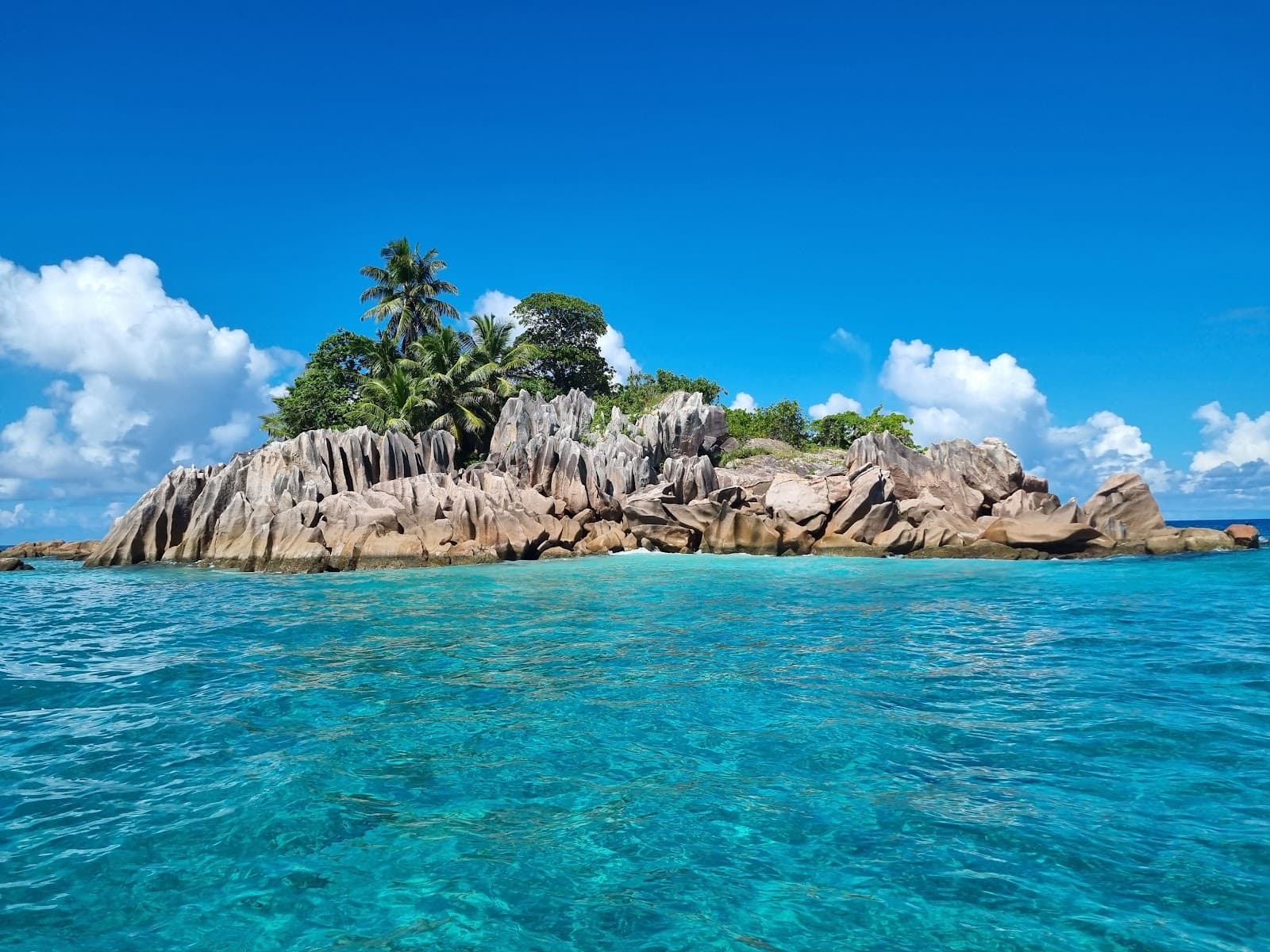
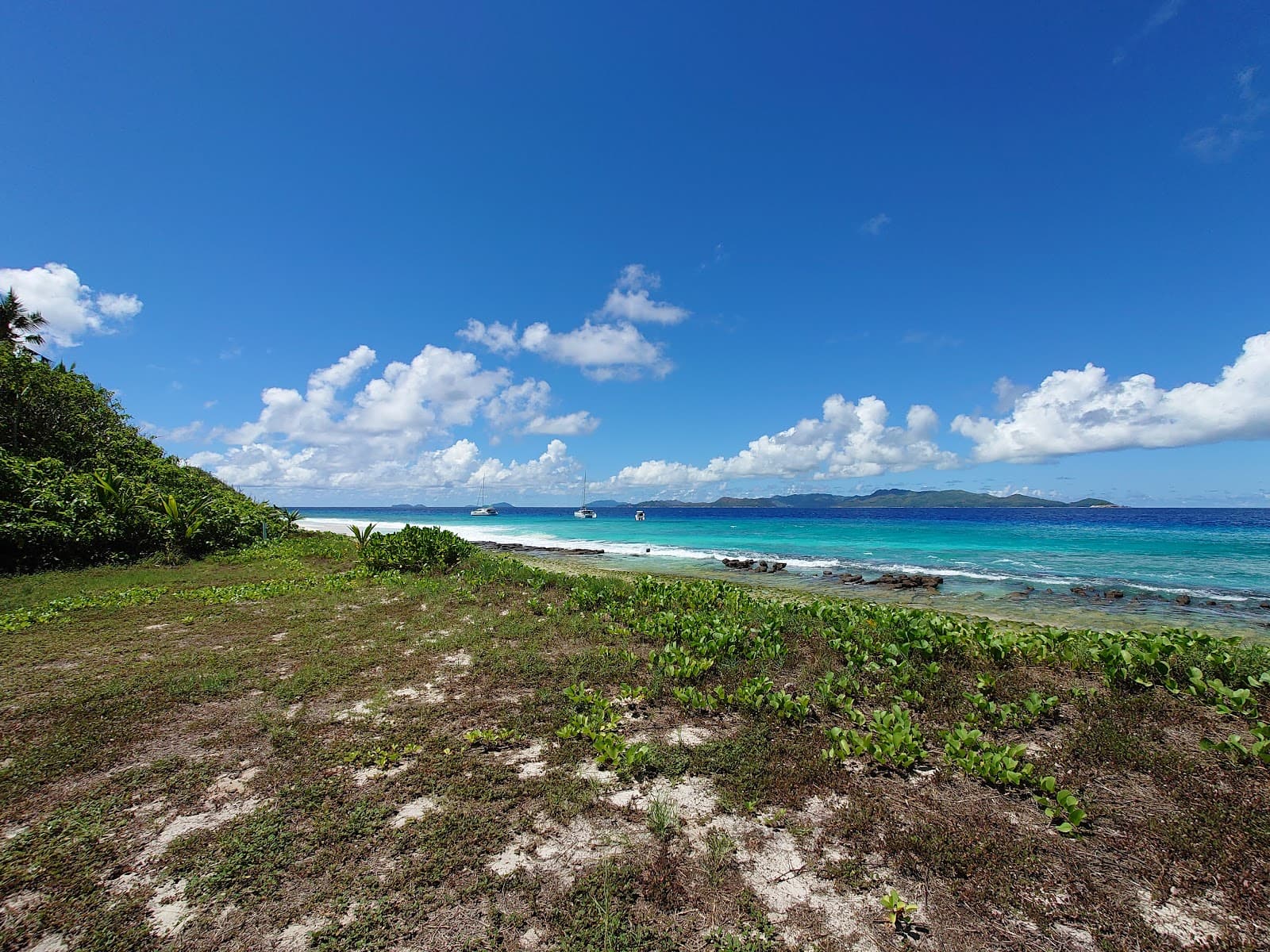
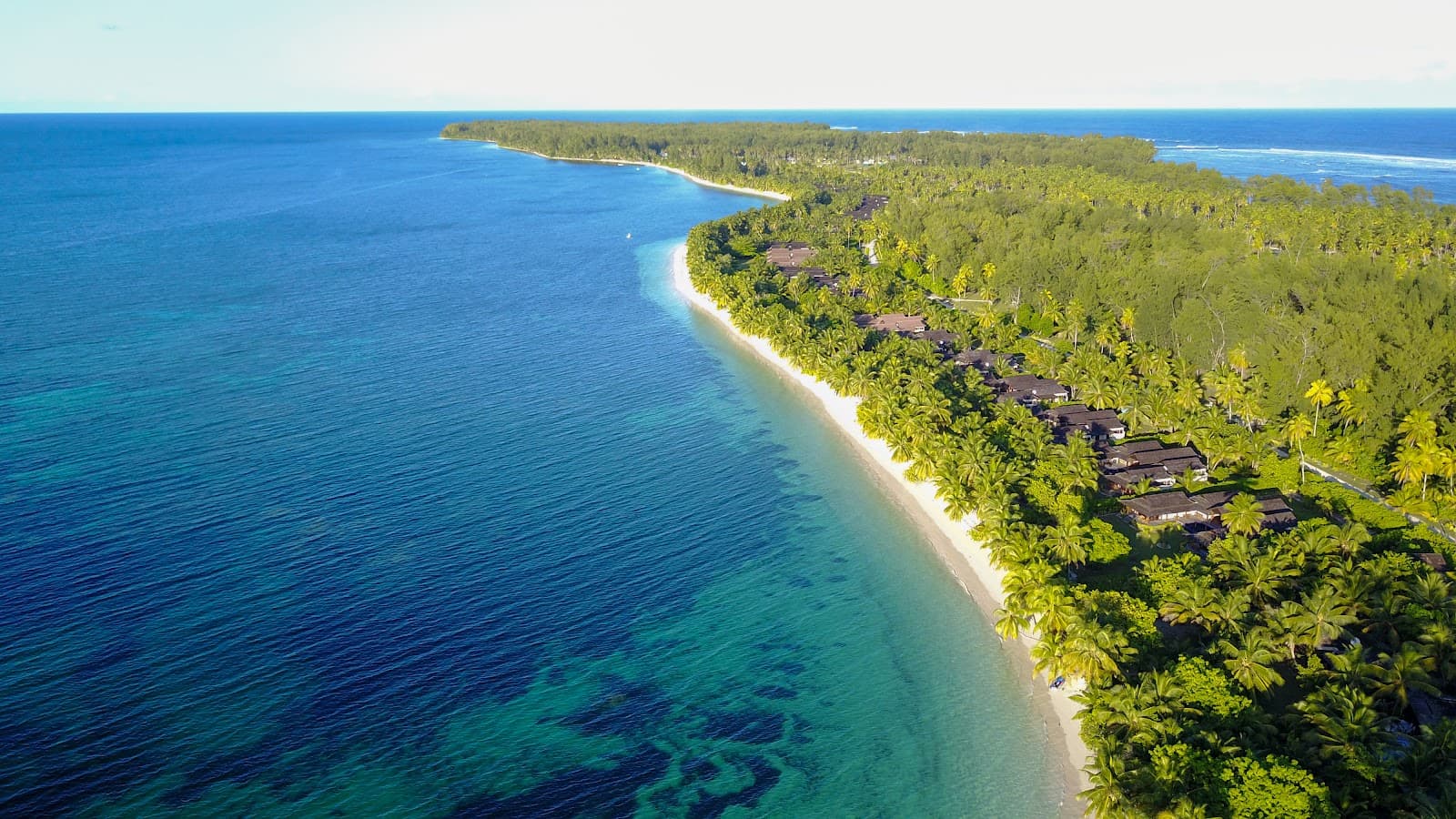
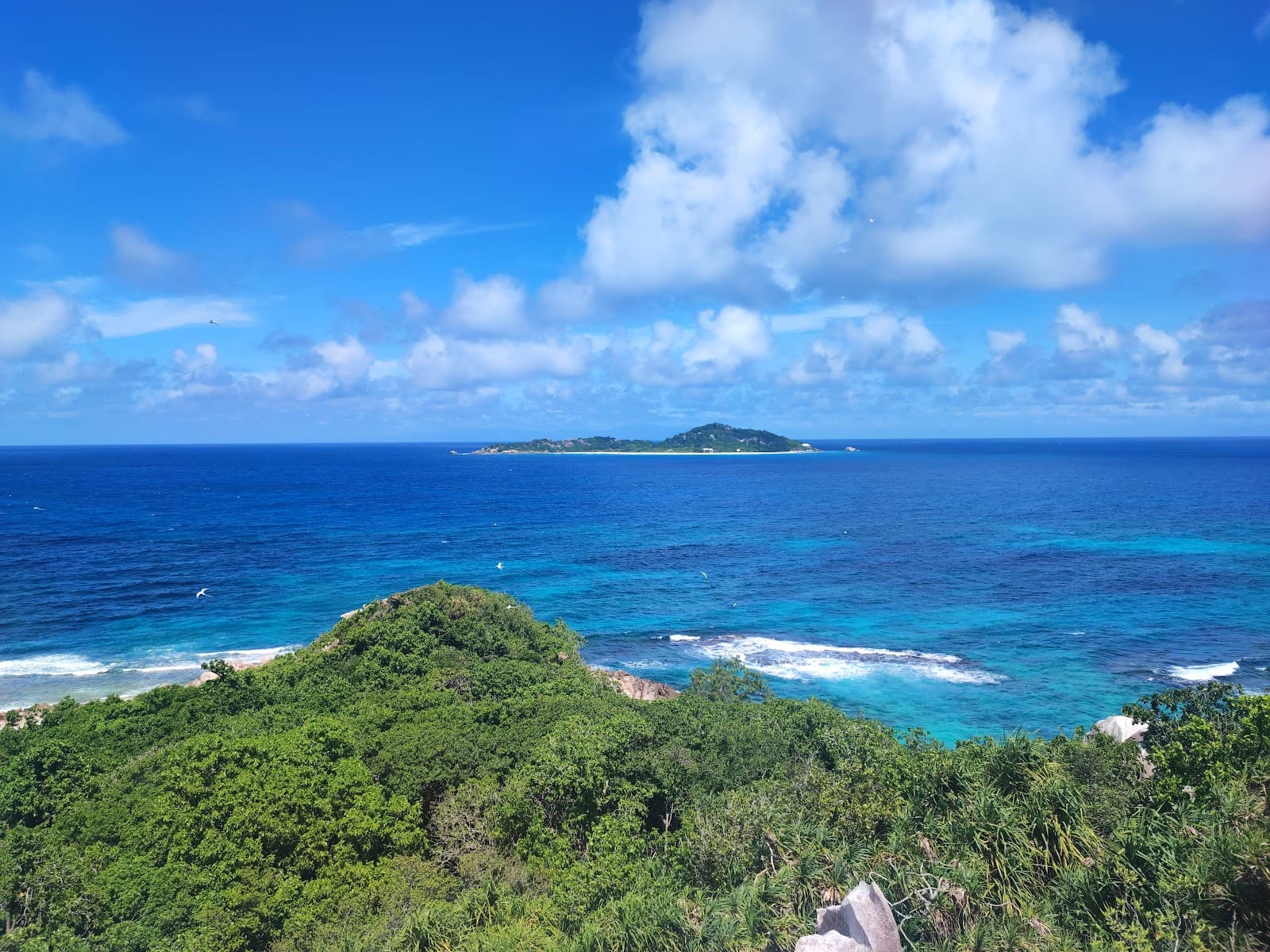
A remote UNESCO World Heritage site, Aldabra Atoll is the world's second-largest coral atoll, famed for its giant tortoises and pristine ecosystems.
Highlights
Must-see attractions

Social
From TikTok & Reddit
Best Time
Clear skies, calm seas
Aldabra Atoll
Best Time
Clear skies, calm seas
Highlights
Must-see attractions
A remote UNESCO World Heritage site, Aldabra Atoll is the world's second-largest coral atoll, famed for its giant tortoises and pristine ecosystems.
"A real pleasure to have seen such a wonderful thing so few ever will. I'm glad it's protected."
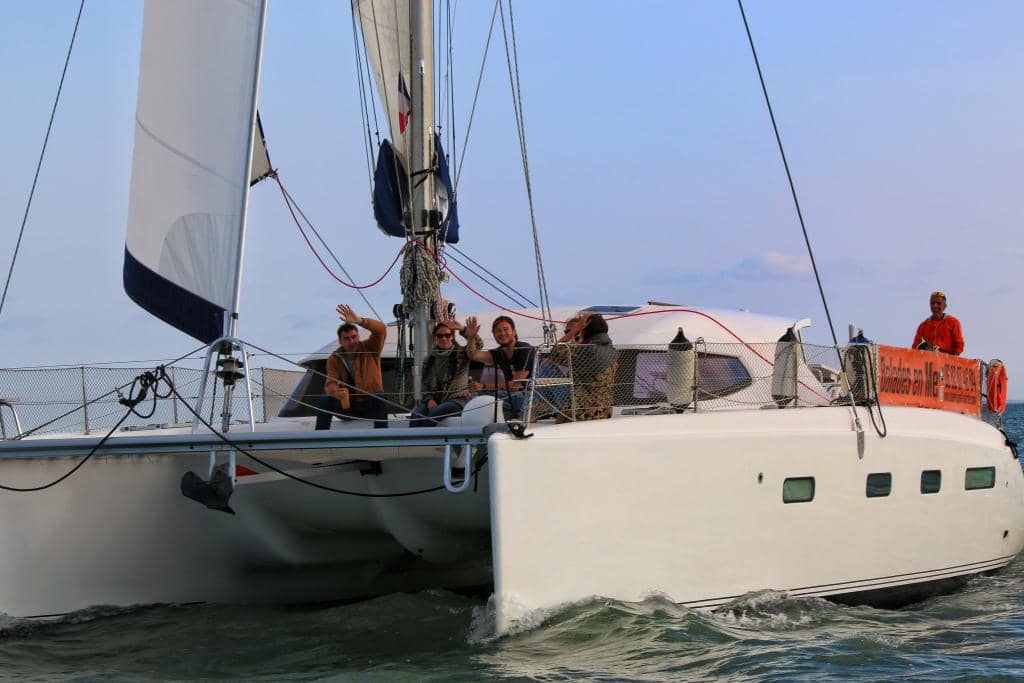
Book Expedition Cruises
Access is limited; book well in advance with reputable expedition cruise operators.
Respect Biosecurity Rules
Strict checks prevent contamination. Clean your gear and shoes thoroughly before arrival.
Quick Facts
Rating
4.5 · 82 reviews
Type
Island
Address
Highlights
Discover the most iconic attractions and experiences
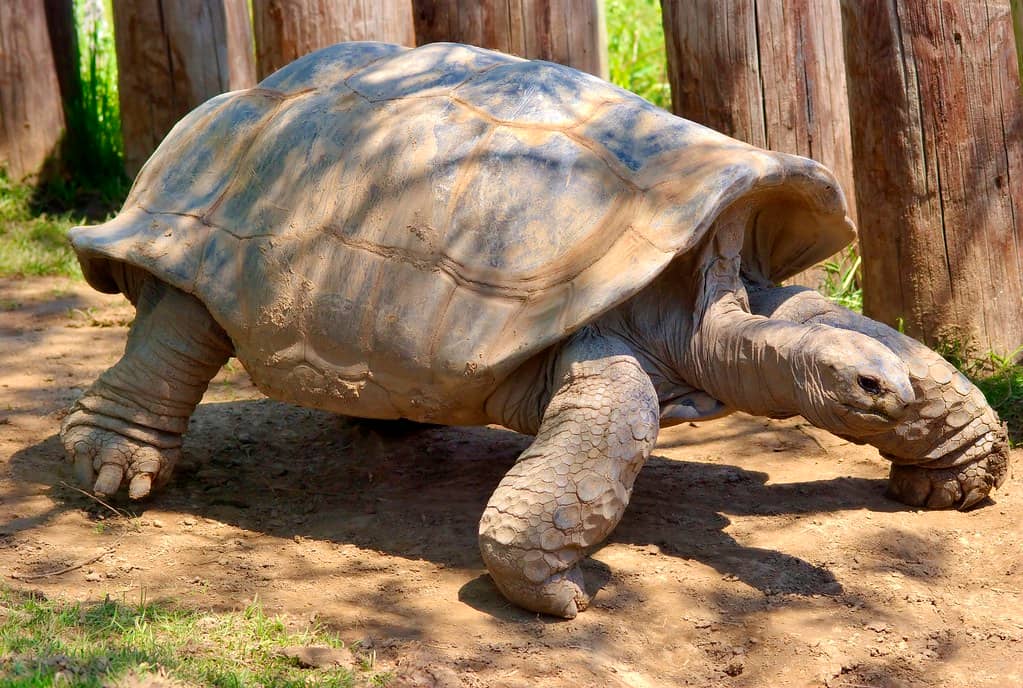
Aldabra Giant Tortoises
Encounter these ancient, massive reptiles roaming freely. Some can live over 100 years and weigh hundreds of pounds!
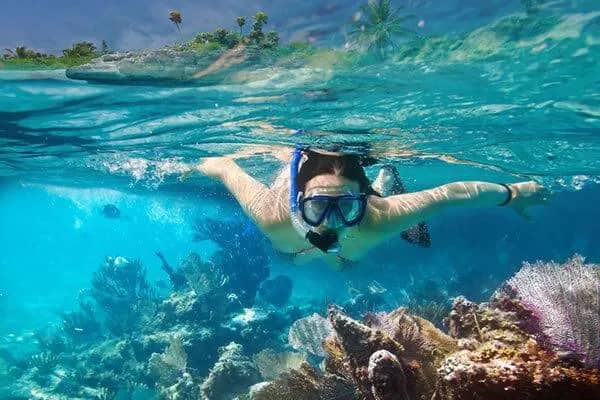
Pristine Coral Reefs
Snorkel or dive in crystal-clear waters teeming with vibrant marine life on some of the healthiest coral reefs.
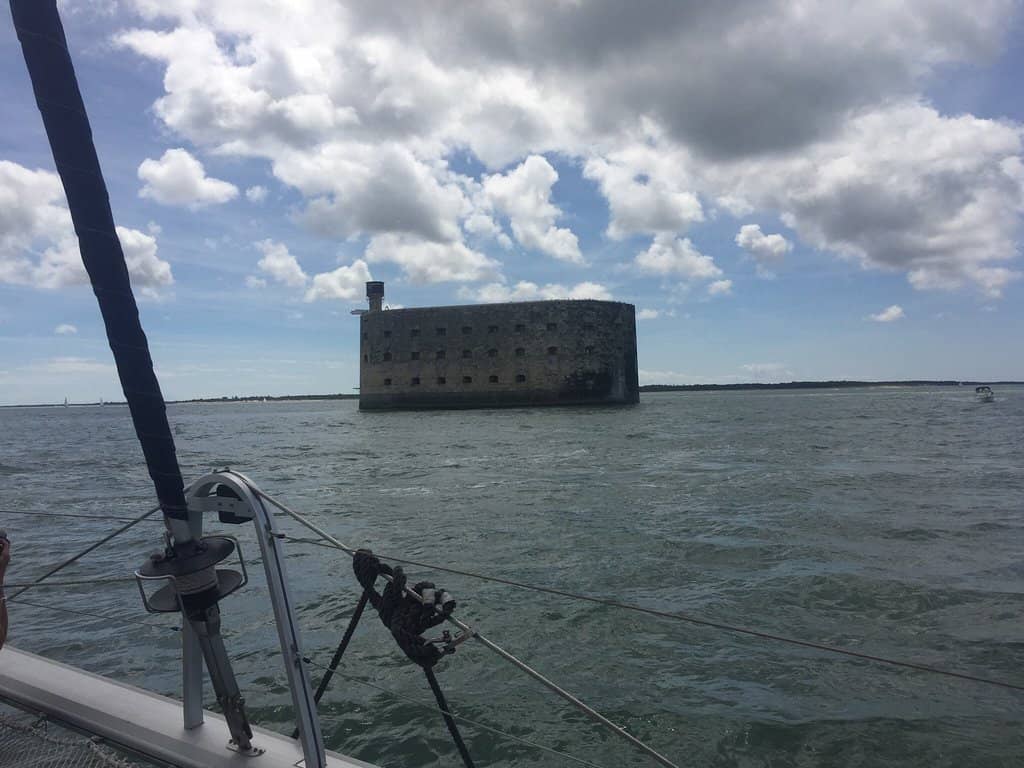
Unique Birdlife
Spot rare and endemic bird species, including the Aldabra Rail, in their natural, undisturbed habitat.
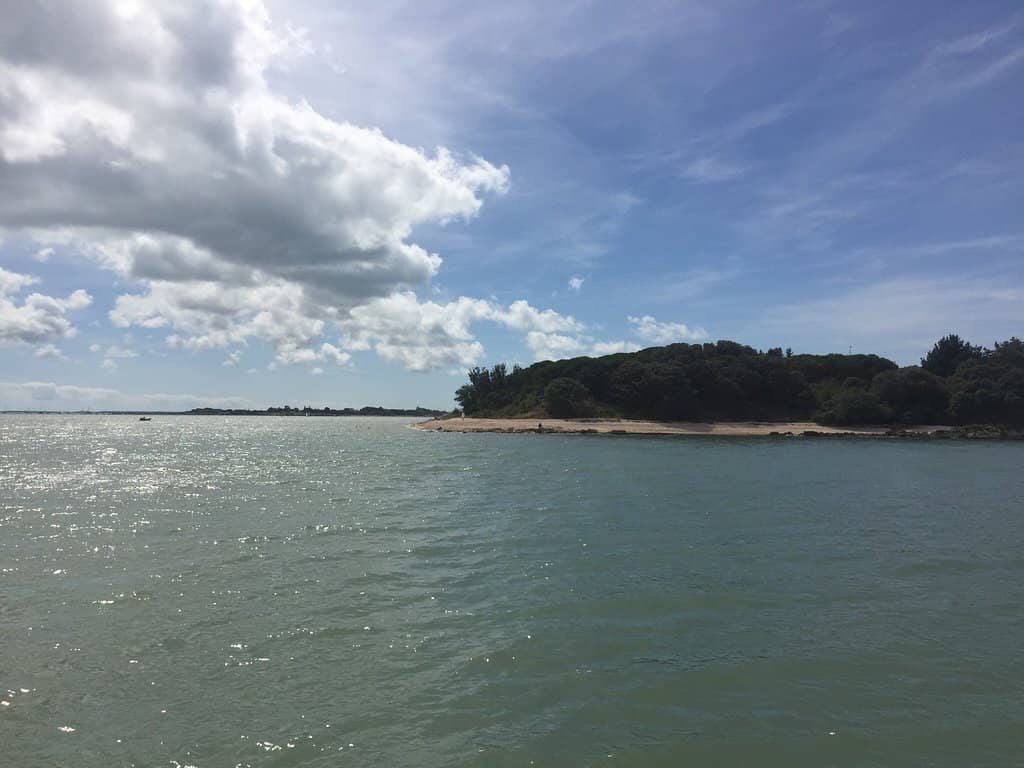
Remote Atoll Landscape
Marvel at the sheer scale and beauty of the world's second-largest coral atoll, a true natural wonder.
Plans like a pro.
Thinks like you
Planning Your Visit
Permit and Access
Biosecurity Measures
Best Times
Insider Tips
from TikTok, Instagram & Reddit
Book Expedition Cruises
Access is limited; book well in advance with reputable expedition cruise operators.
Respect Biosecurity Rules
Strict checks prevent contamination. Clean your gear and shoes thoroughly before arrival.
Pack for Remote Travel
Bring essentials; facilities are minimal. Sun protection and insect repellent are key.
Observe Tortoises from Afar
These gentle giants are best viewed without disturbance. Never feed or touch them.
Tips
from all over the internet
Book Expedition Cruises
Access is limited; book well in advance with reputable expedition cruise operators.
Respect Biosecurity Rules
Strict checks prevent contamination. Clean your gear and shoes thoroughly before arrival.
Pack for Remote Travel
Bring essentials; facilities are minimal. Sun protection and insect repellent are key.
Observe Tortoises from Afar
These gentle giants are best viewed without disturbance. Never feed or touch them.
Capture the Scenery
Bring your best camera gear for stunning aerial shots and wildlife encounters.
What Travellers Say
Reviews Summary
Aldabra Atoll is overwhelmingly praised as a pristine, remote paradise and a vital conservation success story. Visitors are awestruck by the giant tortoises, abundant wildlife, and untouched natural beauty. The strict biosecurity and limited access are seen as essential for its preservation, though they also make it a challenging destination to reach.
"I was lucky enough to visit this beautiful remote and protected island last month on an expedition cruise with Zegrahm. There are only about 1000 individuals who are approved by special permit to visit this Atoll annually.
There is a small, dedicated research staff assigned to this Atoll, the world's second largest.
There are countless things you can do here, we spent two full days snorkeling the pristine and healthy coral reefs, cruising around the champignons (mushrooms) for bird watching, and coming ashore at the research center to meet the giant coconut crabs (super rare) and the Aldabra Giant Tortoise (only two giant tortoise remain, here and Galapagos).
It's stunning with crystal blue waters, white sand beaches, and friendly researchers happy to answer questions and lead you on a nature walk.
They take protecting this UNESCO World Heritage site very seriously so we had to submit to a bio security inspection of the items and our shoes we planned to bring on the island before we were able to make land to ensure we didn't bring outside seeds, soil and other contamination to the protected eco system here.
A real pleasure to have seen such a wonderful thing so few ever will. I'm glad it's protected."
Alison M
"Beautiful place but you must arrange permission in advance to visit there. Only facilities are a research station under the auspices of Seychelles Island Foundation."
CH Day
"Aldabra, Seychelles has a thriving ecosystem. It’s great to see marine ecosystem doing se well, despite all the plastic floating about in the Indian Ocean."
Zayn Dean Iqbal
What People Like
What People Dislike
Frequently Asked Questions
🚇 🗺️ Getting There
Aldabra Atoll is extremely remote and not accessible by commercial flights. The primary way to visit is by booking an expedition cruise or chartering a private vessel. The journey typically takes about two days by boat from Mahé, the main island of Seychelles.
Access to Aldabra Atoll is highly restricted and managed by the Seychelles Islands Foundation. Visitors must obtain special permits, and numbers are limited annually to protect the environment.
Within Aldabra, travel is usually by small boats for exploring channels and lagoons, and on foot for guided nature walks. Expedition cruises will have their own onboard transport arrangements.
The journey by boat from Mahé, Seychelles, to Aldabra Atoll typically takes approximately two days.
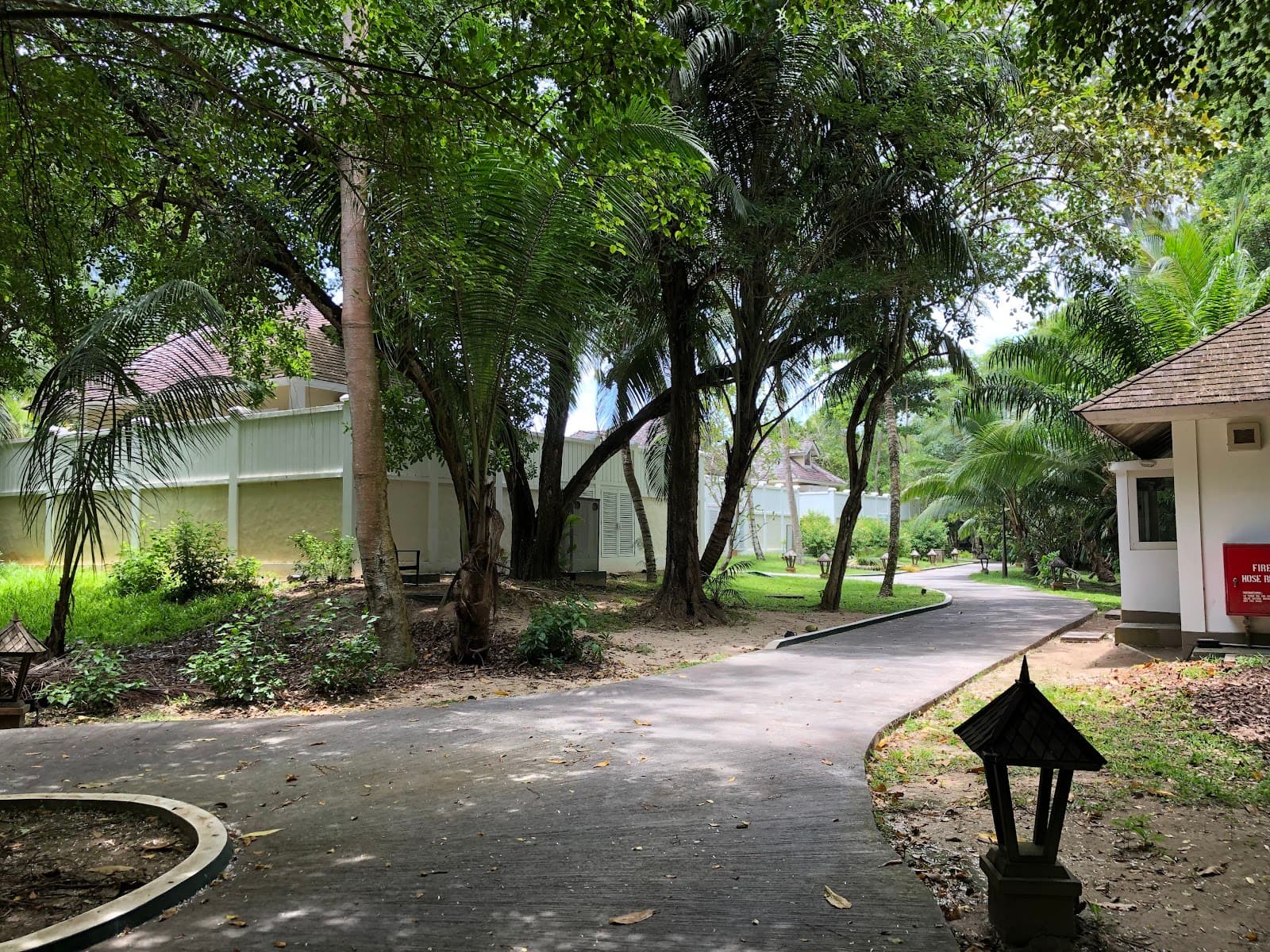
There are no hotels or tourist accommodations on Aldabra Atoll. The only facilities are a small research station managed by the Seychelles Islands Foundation. Visitors usually stay on their expedition cruise ships.
🎫 🎫 Tickets & Entry
Yes, a special permit is mandatory for all visitors to Aldabra Atoll. These permits are managed by the Seychelles Islands Foundation and are often included in expedition cruise packages.
The cost of visiting Aldabra Atoll is primarily determined by the expedition cruise or charter you book, as permit fees are usually integrated into the overall package. Expect expedition cruises to be a significant investment.
Aldabra Atoll is a protected nature reserve, not a typical tourist attraction with set opening hours. Access is controlled by permits and expedition schedules, usually during daylight hours for exploration.
Independent visits are extremely difficult and rare. Most visitors arrive via organized expedition cruises or research-related charters due to the remoteness and strict conservation regulations.
Before landing, all visitors undergo a strict biosecurity inspection of their belongings, including shoes, to prevent the introduction of foreign seeds, soil, or organisms that could harm the unique ecosystem.
🎫 🧭 Onsite Experience
Aldabra is famous for its Aldabra giant tortoises, rare birds like the Aldabra Rail, and abundant marine life including sharks, rays, and colorful fish. You might also spot giant coconut crabs. +1
Activities include snorkeling and diving in healthy coral reefs, bird watching, guided nature walks to see tortoises and other wildlife, and exploring the unique mangrove ecosystems.
Yes, Aldabra Atoll is a paradise for birdwatchers, home to several endemic species such as the Aldabra Rail and various seabirds.
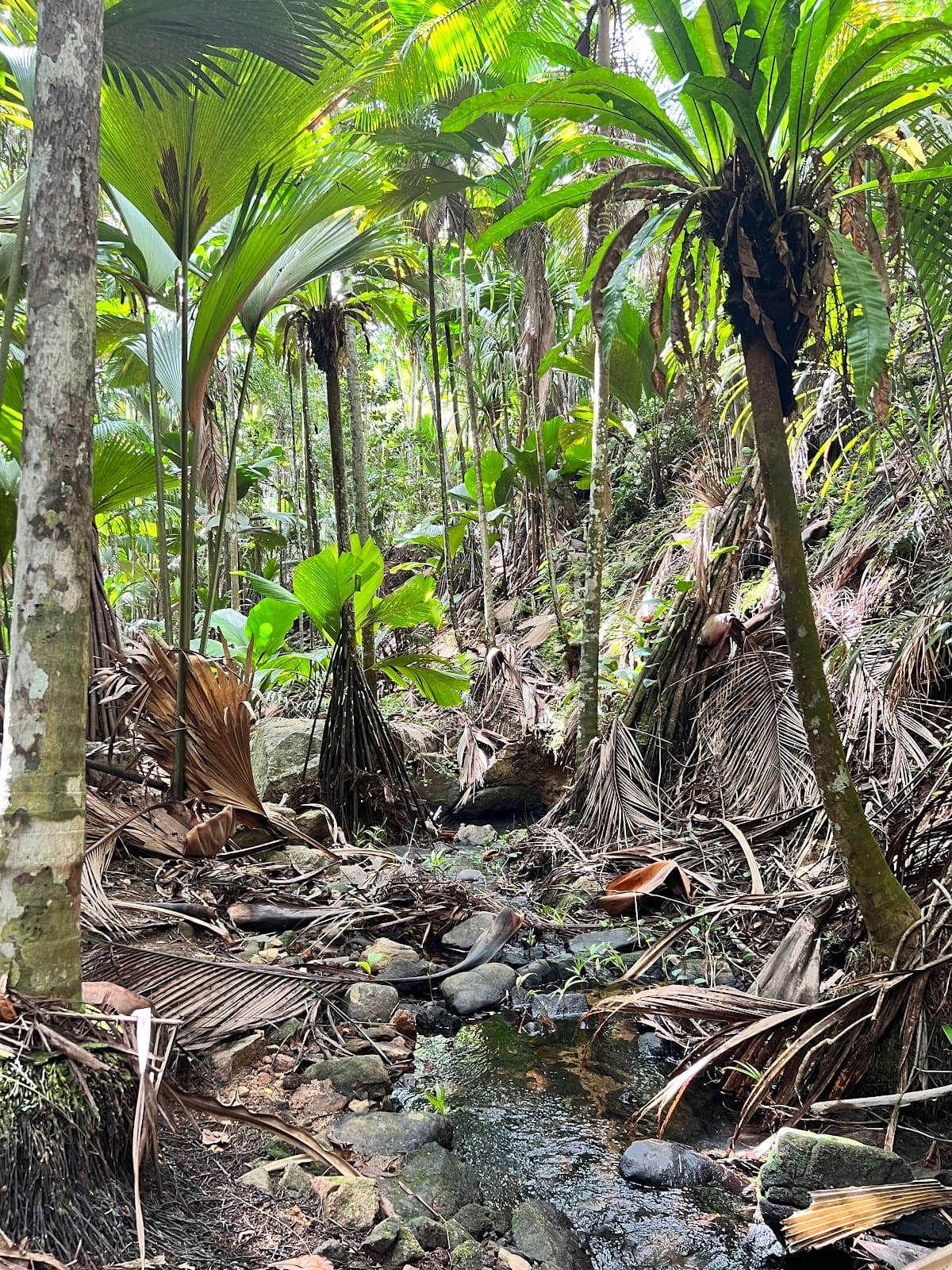
The terrain consists of coral limestone, sandy beaches, and mangrove areas. It's generally flat but can be uneven, requiring sturdy footwear for walks.
Yes, swimming and snorkeling are popular activities in the clear, pristine waters, offering incredible opportunities to see marine life.
📸 📸 Photography
Aldabra offers unparalleled photography opportunities, from the majestic giant tortoises and diverse birdlife to the stunning aerial views of the atoll and vibrant underwater scenes. 
A versatile camera setup is recommended, including a wide-angle lens for landscapes, a telephoto lens for wildlife, and an underwater camera for marine exploration. Drone photography may be restricted.
While generally permitted, always be mindful of wildlife and avoid disturbing them for a photo. Drone usage might be restricted due to conservation efforts.
Early mornings and late afternoons offer the best light for photography, with softer shadows and warmer tones. Midday can be harsh, but excellent for underwater shots.
Photography of the research station and its personnel should be done respectfully and with permission, especially if it involves individuals.





Social
from TikTok, Instagram & Reddit