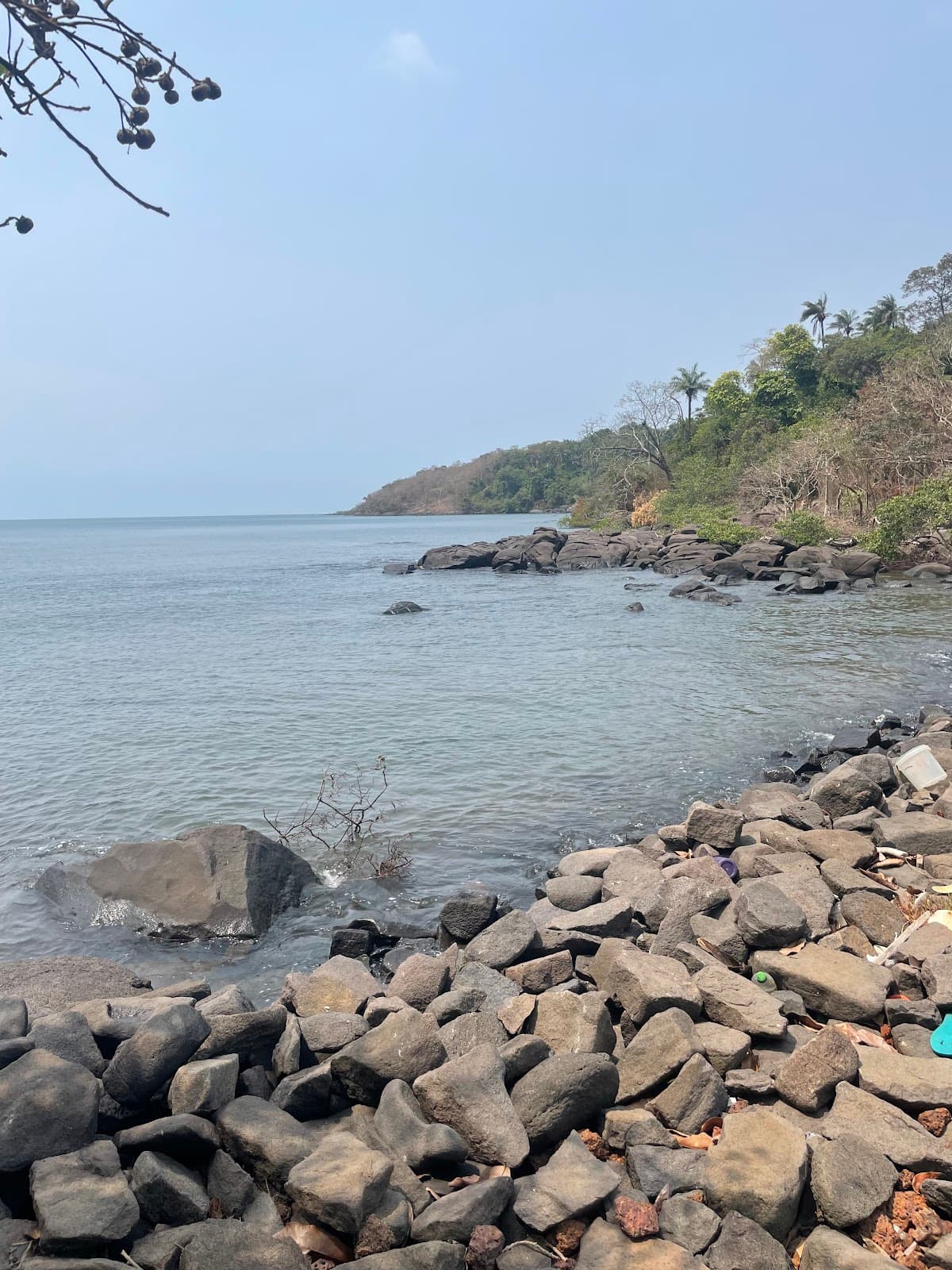
Banana Islands Sierra Leone
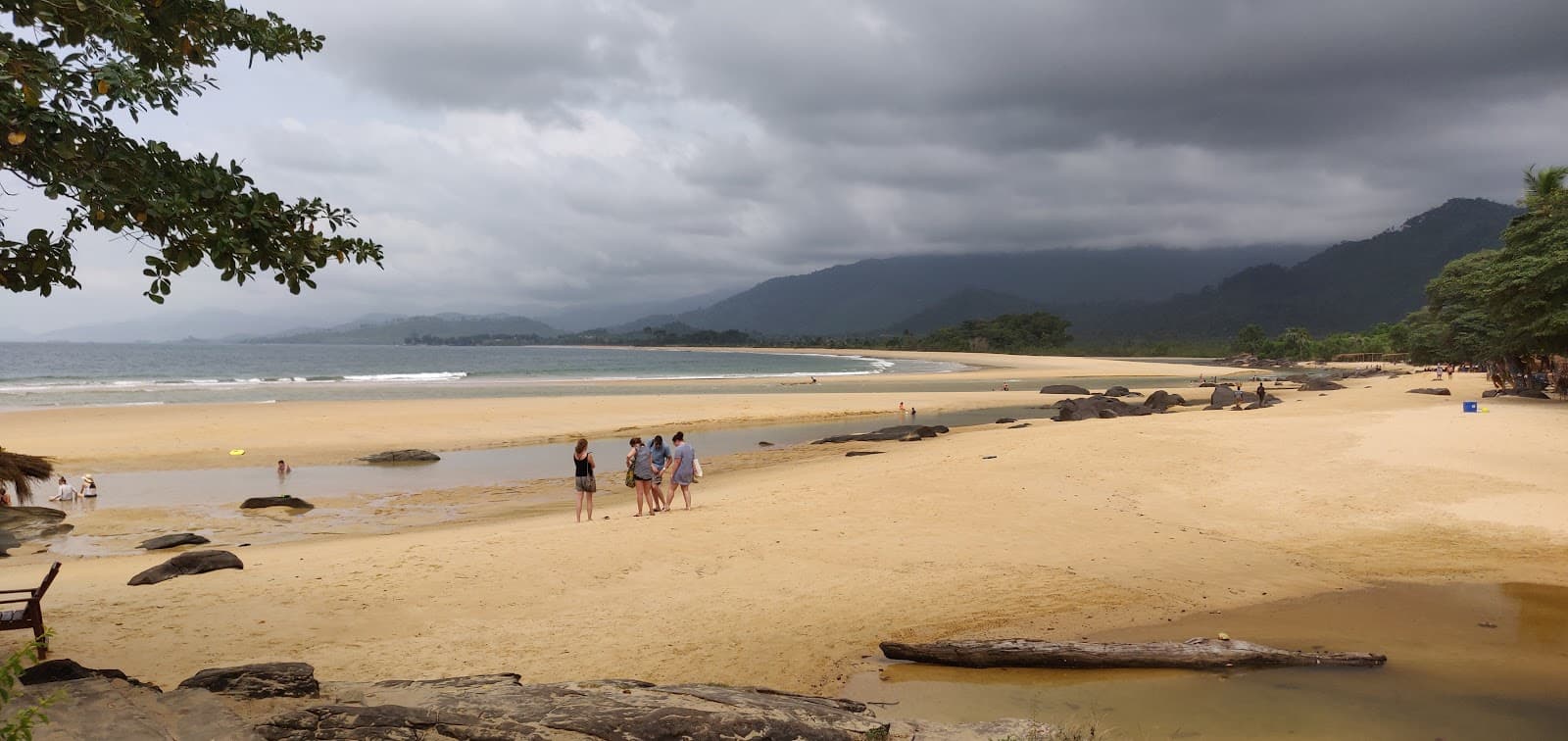
A pristine archipelago offering serene beaches, vibrant marine life, and a deep historical connection. Your perfect island escape.
Highlights
Must-see attractions

Social
From TikTok & Reddit
Best Time
Sunny days, calm seas
Banana Islands Sierra Leone
Best Time
Sunny days, calm seas
Highlights
Must-see attractions
A pristine archipelago offering serene beaches, vibrant marine life, and a deep historical connection. Your perfect island escape.
Pack Light & Smart
Bring essentials like sunscreen, insect repellent, and a hat. Cash is king as ATMs are scarce. :moneybag:
Book Boat Transfers Early
Secure your boat trip from Freetown in advance, especially during peak season. ⛵
Quick Facts
Type
Natural Feature
Highlights
Discover the most iconic attractions and experiences
Tranquil Beaches
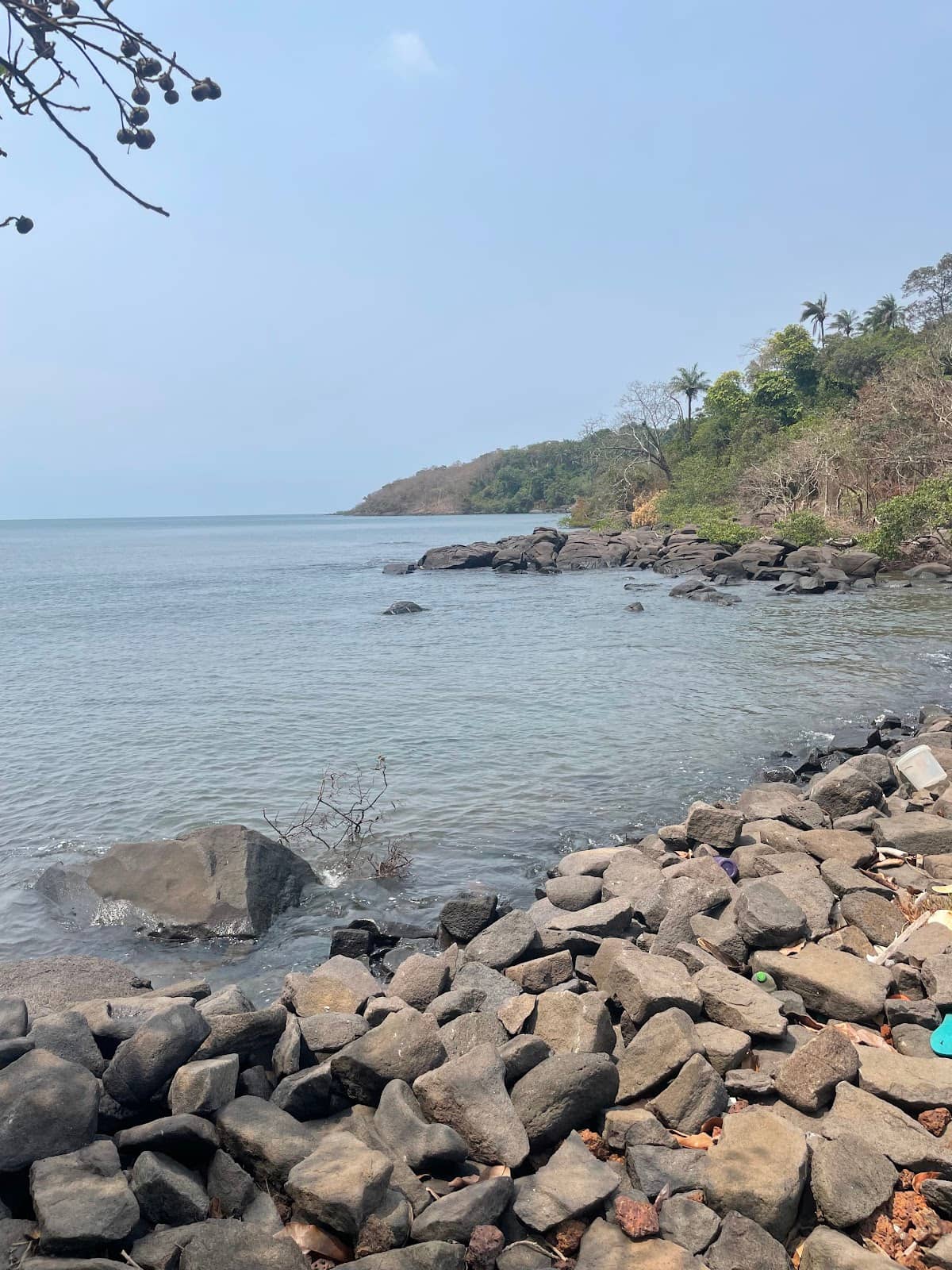
Various coves and shorelines
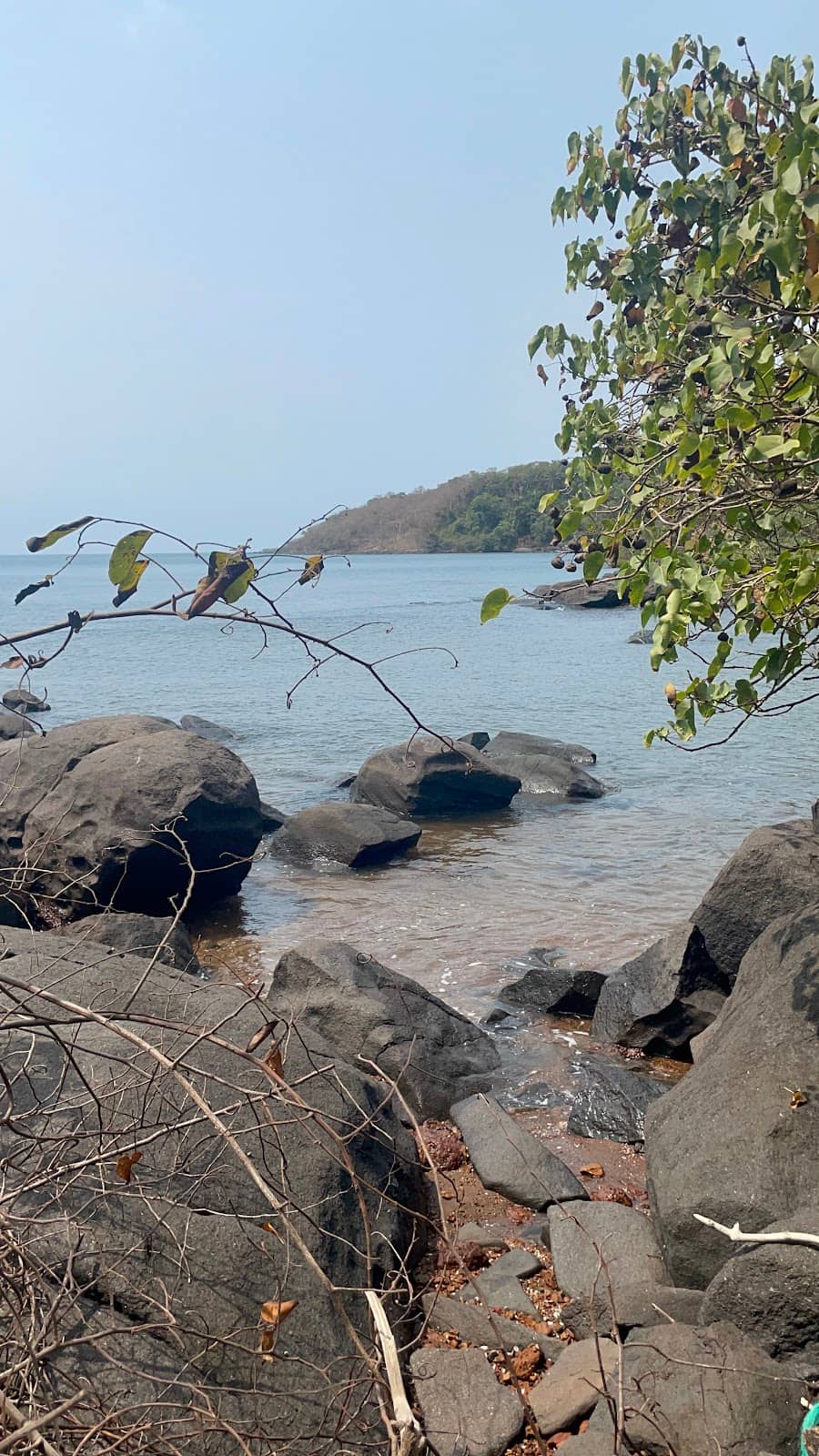
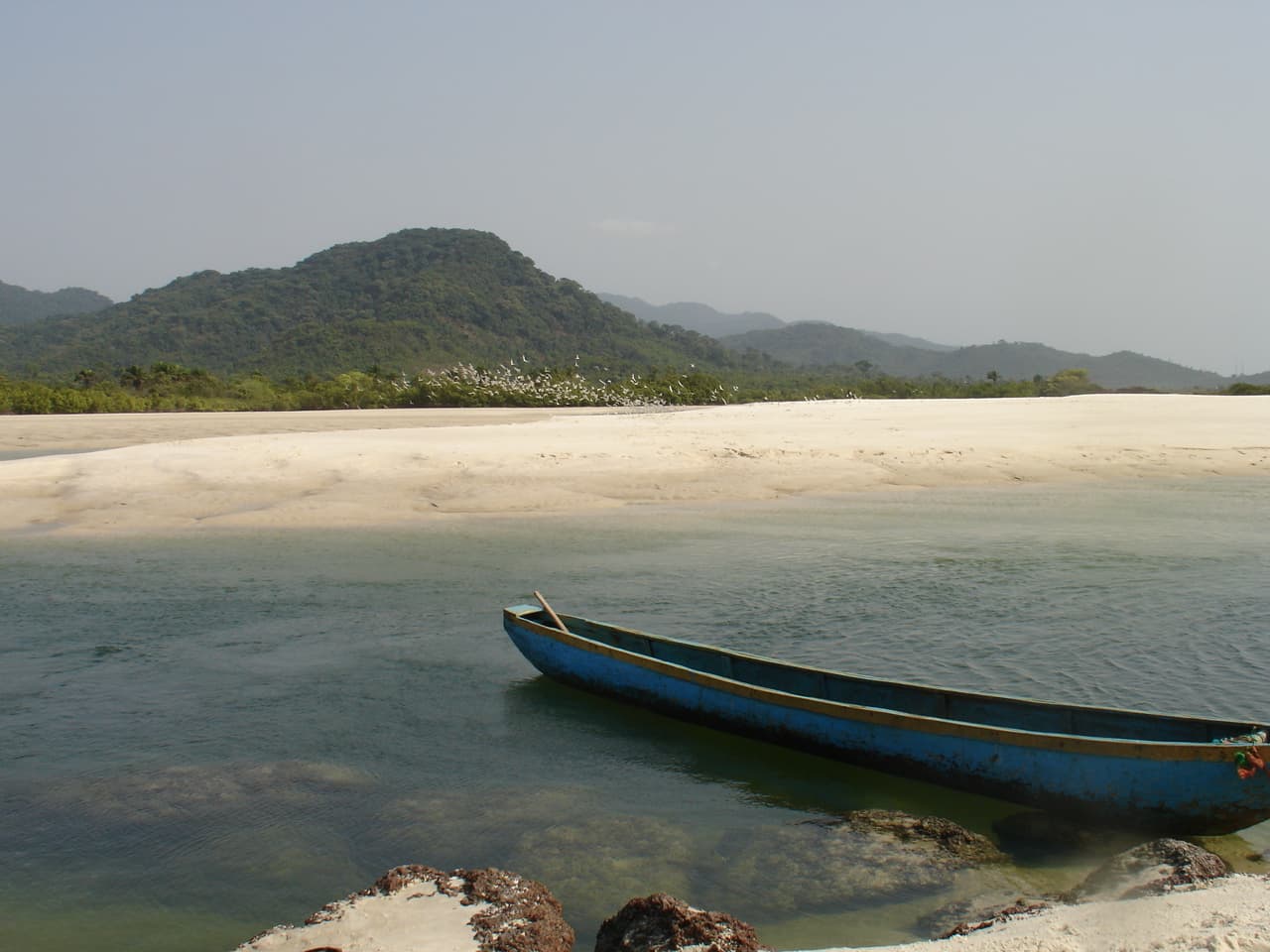
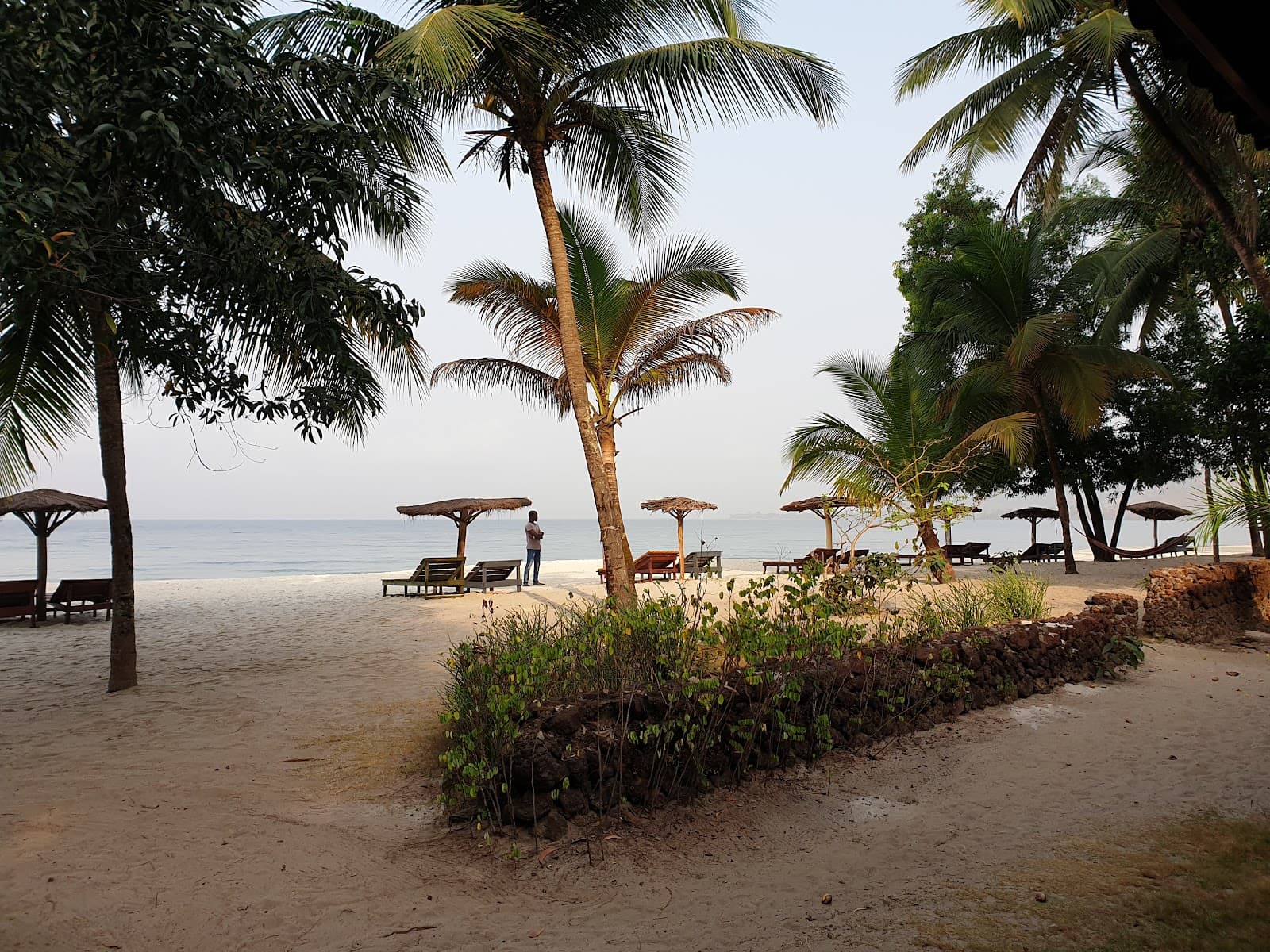
Pristine, uncrowded beaches with soft sand and clear turquoise waters. Perfect for relaxation and swimming.
Snorkeling and Diving
Coral reefs surrounding the islands
Explore vibrant underwater ecosystems teeming with marine life. A must-do for ocean lovers.
Local Fishing Villages
Settlements like Dublin
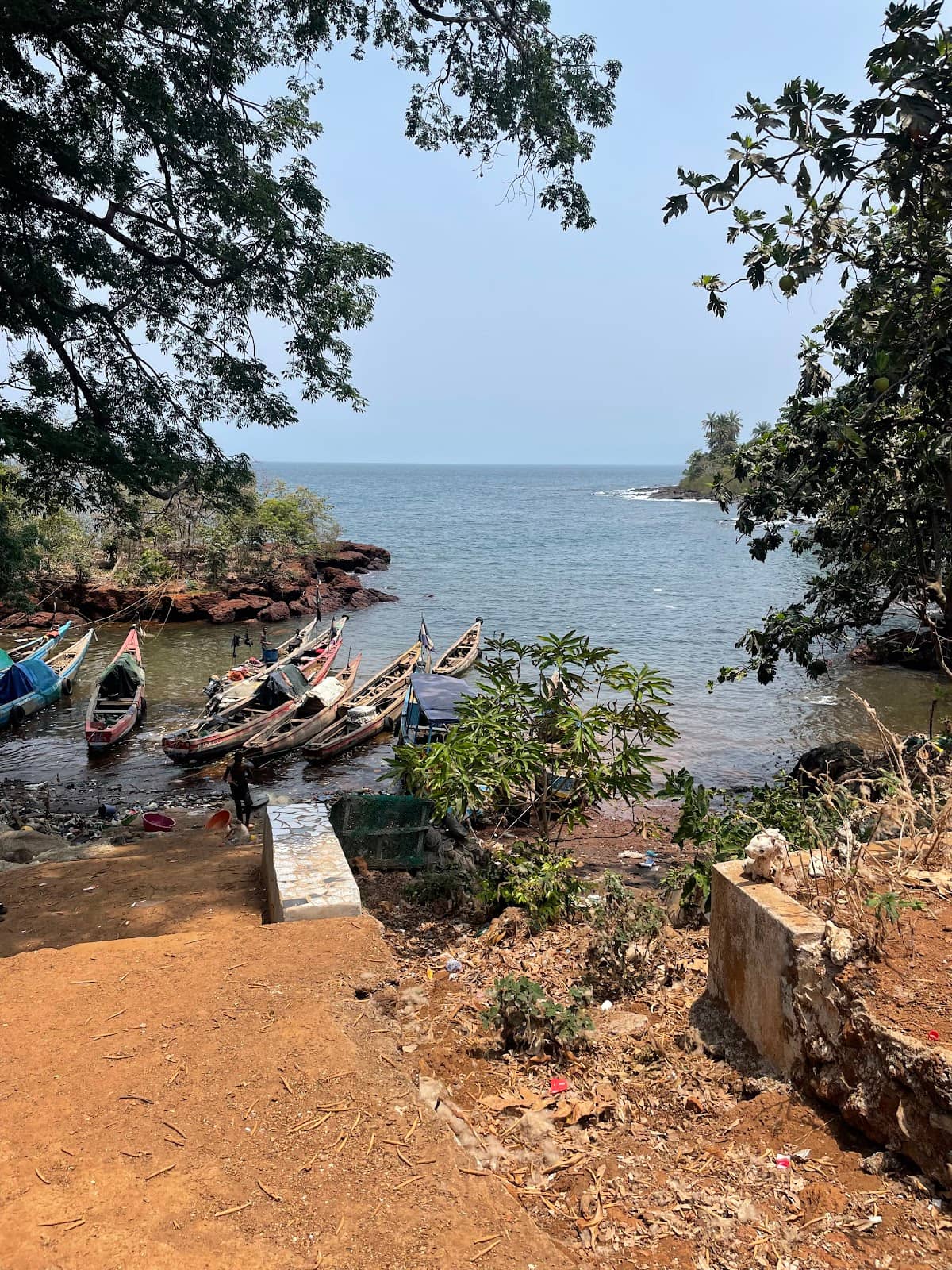
Experience authentic island life, observe traditional fishing practices, and interact with friendly locals.
Plans like a pro.
Thinks like you
Planning Your Visit
Getting to Banana Islands
Best Time to Visit
Best Times
Insider Tips
from TikTok, Instagram & Reddit
Pack Light & Smart
Bring essentials like sunscreen, insect repellent, and a hat. Cash is king as ATMs are scarce. :moneybag:
Book Boat Transfers Early
Secure your boat trip from Freetown in advance, especially during peak season. ⛵
Stay Hydrated
Carry plenty of water, as fresh water can be limited on the islands. :droplet:
Respect Local Culture
Dress modestly when visiting villages and ask permission before taking photos. 🙏
Tips
from all over the internet
Pack Light & Smart
Bring essentials like sunscreen, insect repellent, and a hat. Cash is king as ATMs are scarce. :moneybag:
Book Boat Transfers Early
Secure your boat trip from Freetown in advance, especially during peak season. ⛵
Stay Hydrated
Carry plenty of water, as fresh water can be limited on the islands. :droplet:
Respect Local Culture
Dress modestly when visiting villages and ask permission before taking photos. 🙏
What Travellers Say
Reviews Summary
Visitors rave about the stunning natural beauty of Banana Islands, particularly their pristine beaches and clear waters, offering a tranquil escape. The rich history and opportunities for snorkeling are frequently highlighted as major draws. However, some find the limited infrastructure and the cost of boat transfers to be drawbacks.
What People Like
What People Dislike
Frequently Asked Questions
🚇 🗺️ Getting There
The primary way to reach Banana Islands is by boat from Freetown. You can arrange private boat hire or inquire about shared services. The journey typically takes about 1-2 hours and offers beautiful coastal views. It's advisable to book your boat transfer in advance, especially during peak tourist seasons, to ensure availability and a smooth trip.
Banana Islands are small and best explored on foot. Walking allows you to fully appreciate the natural beauty and discover hidden coves. For longer distances or to visit different parts of the islands, you might be able to arrange local boat taxis.
While there isn't a regular public ferry service like you might find in other destinations, you can arrange boat transfers. These are often private hires or organized tours. It's best to coordinate this through your accommodation or a local tour operator in Freetown.
The boat journey from Freetown to Banana Islands typically takes between 1 to 2 hours, depending on sea conditions and the type of boat used. Planning your departure and return times is crucial for a seamless experience.
No, you cannot drive directly to Banana Islands as they are a group of small islands. Access is exclusively by sea. You will need to arrange boat transportation from the mainland, usually from Freetown or nearby coastal points.
🎫 🎫 Tickets & Entry
There isn't a formal entrance fee to visit Banana Islands themselves. However, you will incur costs for boat transportation to get there. Some local communities or specific attractions on the islands might have small charges for access or services.
Yes, it is highly recommended to book accommodation in advance, especially if you plan to stay overnight. Options are limited, and popular guesthouses and lodges can fill up quickly, particularly during the dry season.
Banana Islands are accessible year-round during daylight hours. There are no specific opening or closing times as it's a natural destination. However, boat services will operate on their own schedules, so plan your travel accordingly.
Yes, guided tours are available and can enhance your experience. Local guides can provide insights into the history, culture, and natural environment of the islands. You can often arrange these through your accommodation or local tour operators in Freetown.
The official currency in Sierra Leone, including Banana Islands, is the Leone (SLL). However, US Dollars are widely accepted, especially for tourist services like boat hire and accommodation. It's advisable to carry both cash and smaller denominations.
🎫 🏝️ Onsite Experience
You can enjoy swimming, sunbathing on the pristine beaches, snorkeling and diving in the clear waters to see marine life, exploring the local fishing villages like Dublin, and learning about the islands' history, including its role in the transatlantic slave trade.
Yes, there are a few guesthouses and lodges on Banana Islands, offering a rustic and authentic island experience. Options range from basic to more comfortable accommodations. Booking in advance is highly recommended due to limited availability.
Banana Islands have a rich history, including being a significant point for the slave trade and later a base for the Sierra Leone Company. The island of Dublin, in particular, has historical ruins and a poignant past.
Absolutely! Banana Islands are known for their clear waters and vibrant coral reefs, making them an excellent spot for snorkeling and diving. You can expect to see a variety of colorful fish and marine life.
Pack light clothing, swimwear, sunscreen, a hat, insect repellent, comfortable walking shoes, and any personal medications. Bringing cash (Leones and USD) is essential as ATMs are not available. A waterproof bag for electronics is also a good idea.
🍽️ 🍽️ Food & Dining
Expect fresh seafood, including grilled fish and lobster, often served with local staples like rice and vegetables. Some accommodations may offer full board options. Dining is typically in a relaxed, island setting.
Dining options are primarily linked to the guesthouses and lodges on the islands. While there might not be standalone restaurants in the traditional sense, your accommodation will likely offer meals. Some local eateries might also be available in the villages.
Options might be limited, but it's worth inquiring with your accommodation in advance. They may be able to prepare vegetarian or vegan dishes using local produce if notified beforehand.
Yes, small shops or vendors in the villages may sell basic snacks, bottled water, and soft drinks. However, it's wise to bring a good supply of your preferred snacks and drinks, especially if you have specific dietary needs.
Food costs can vary depending on where you eat. Meals at guesthouses might be included in package deals or charged separately. Eating at local spots or purchasing snacks will generally be more affordable.
📸 📸 Photography
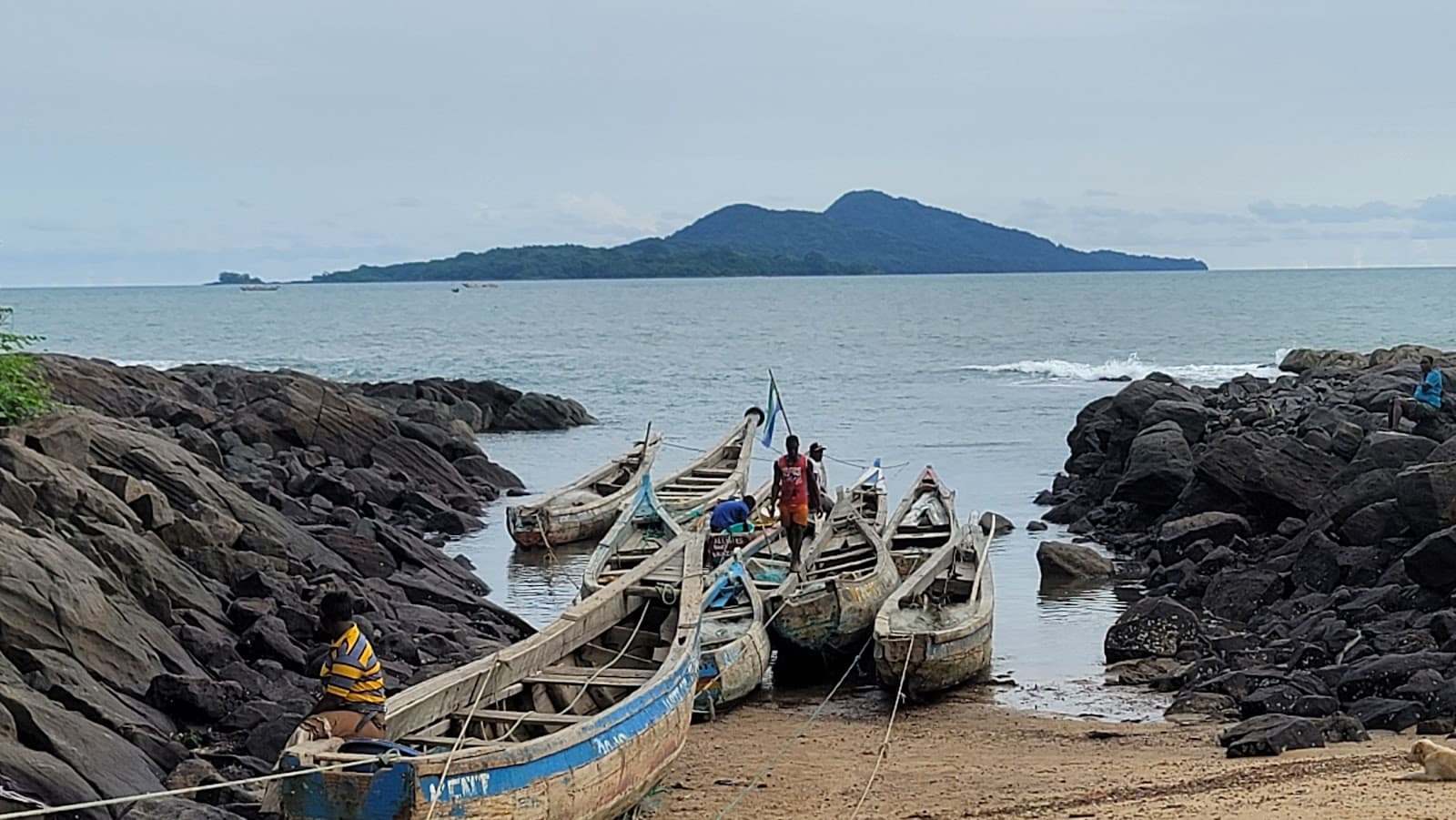
Capture stunning shots of the pristine beaches, crystal-clear turquoise waters, lush green hillsides, traditional fishing boats, and the charming local villages. Sunrises and sunsets over the ocean are particularly breathtaking.
It's always best to ask for permission before taking photos of individuals, especially in the local villages. Showing respect for the local culture will lead to more positive interactions and better photographic opportunities.
A versatile camera that can handle both landscape and close-up shots is ideal. Consider a waterproof camera or a protective case for water activities. A wide-angle lens is great for landscapes, while a zoom lens can be useful for wildlife or village scenes.
Generally, there are no strict restrictions on photography for tourists. However, be mindful of privacy and cultural sensitivities, especially when photographing people or religious sites.
The 'golden hours' – shortly after sunrise and before sunset – offer the most beautiful, soft light for photography. Midday can be harsh, but it's still great for capturing the vibrant blues of the water.

Social
from TikTok, Instagram & Reddit