Bo-Kaap Cape Town
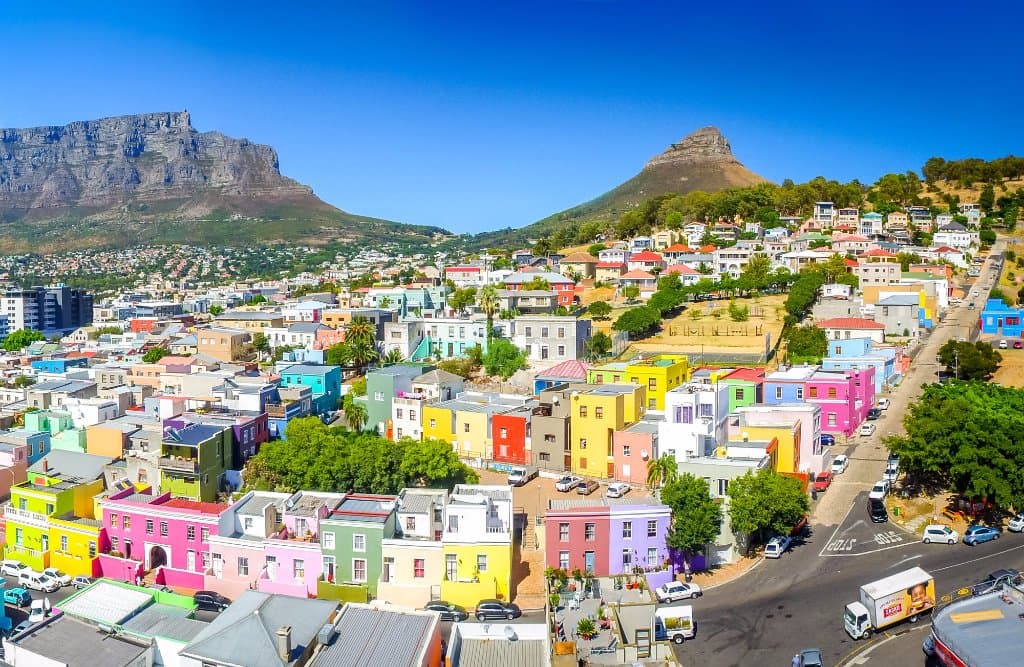
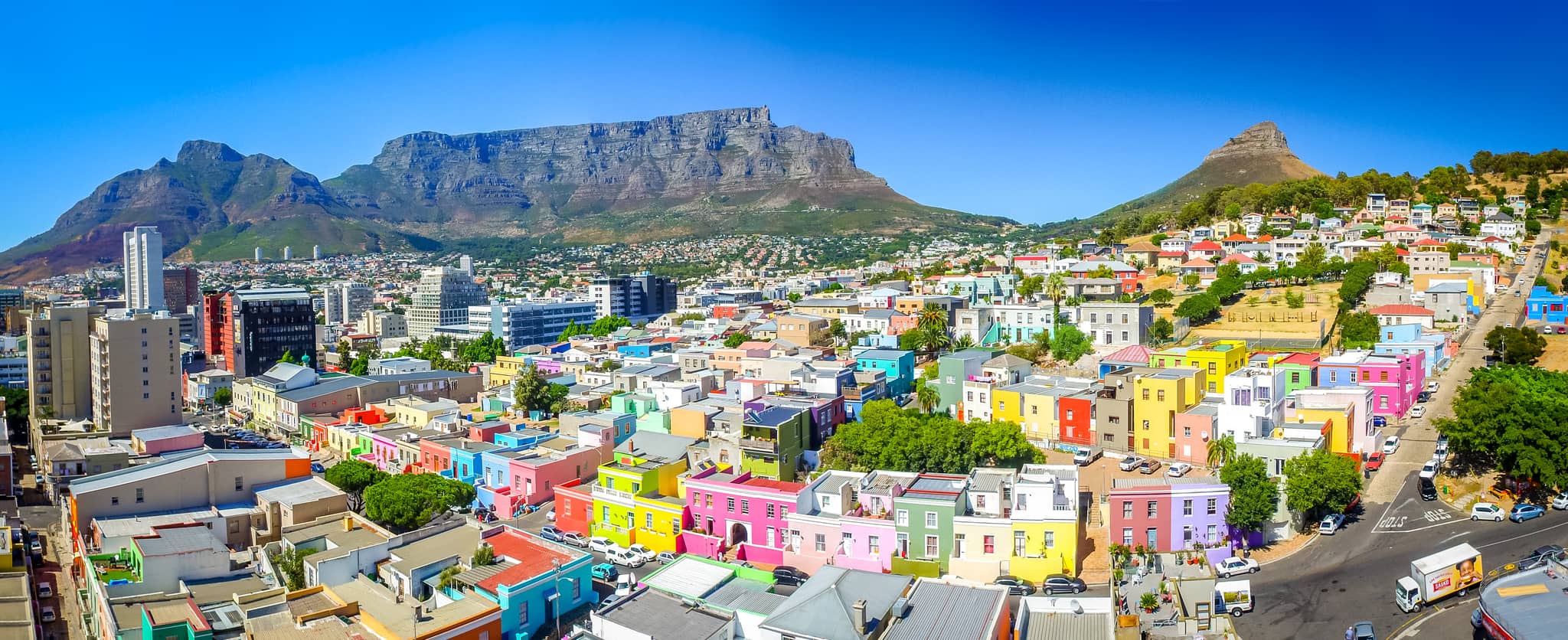
Bo-Kaap, Cape Town's vibrant historic neighborhood, enchants with its brightly colored houses and rich Cape Malay heritage.
Highlights
Must-see attractions

Social
From TikTok & Reddit
Best Time
Fewer crowds, better light
Bo-Kaap Cape Town
Best Time
Fewer crowds, better light
Highlights
Must-see attractions
Bo-Kaap, Cape Town's vibrant historic neighborhood, enchants with its brightly colored houses and rich Cape Malay heritage.
🚶♀️ Guided Walking Tours Recommended
Enhance your visit with a guided tour to learn about Bo-Kaap's history and culture.
📸 Capture the Colors
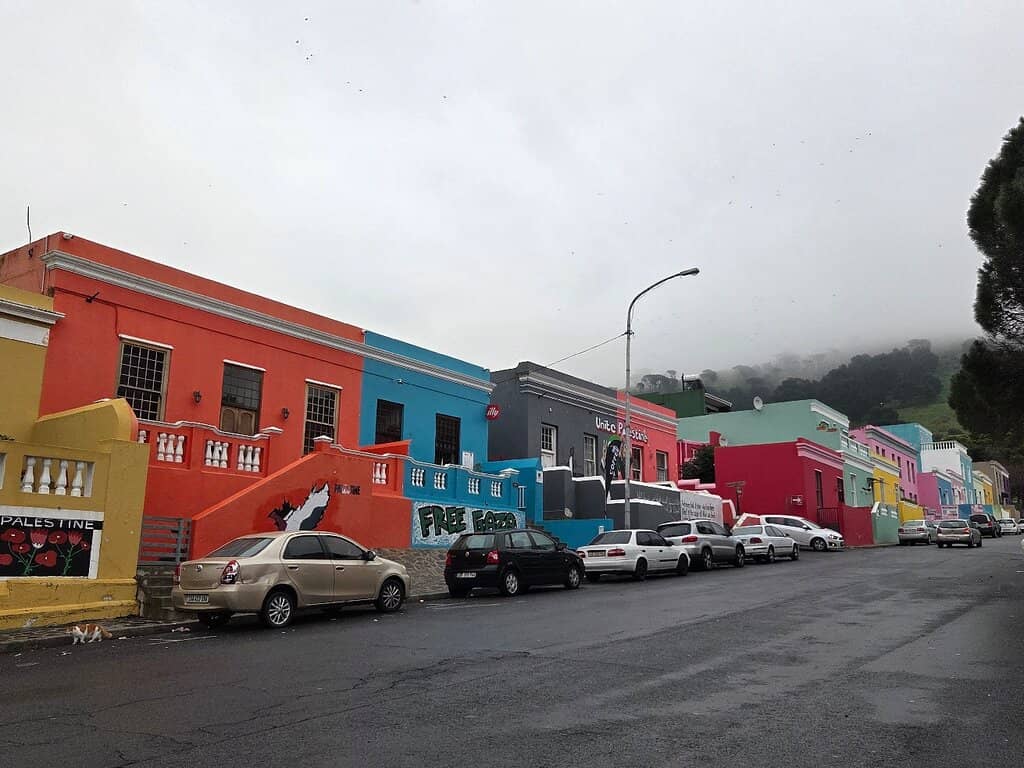
Bo-Kaap's vibrant houses are a photographer's paradise. Don't forget your camera!
Quick Facts
Highlights
Discover the most iconic attractions and experiences
The Iconic Colorful Houses
Throughout the neighborhood
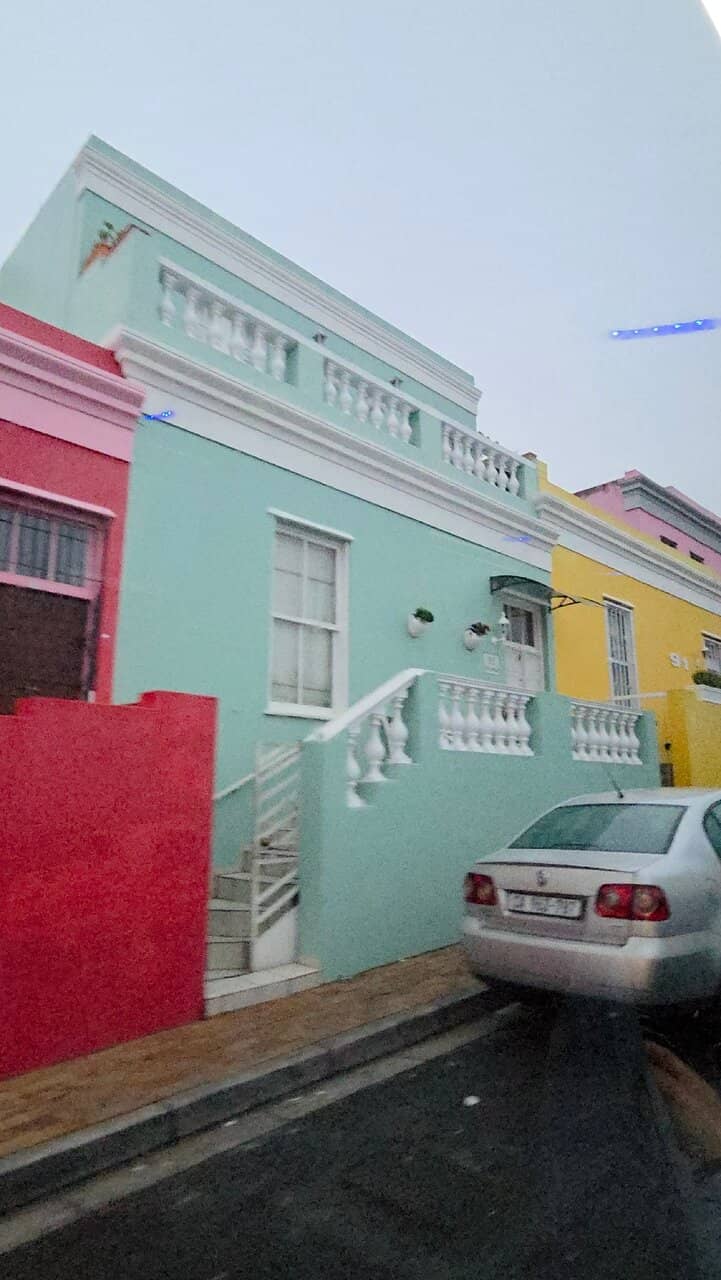
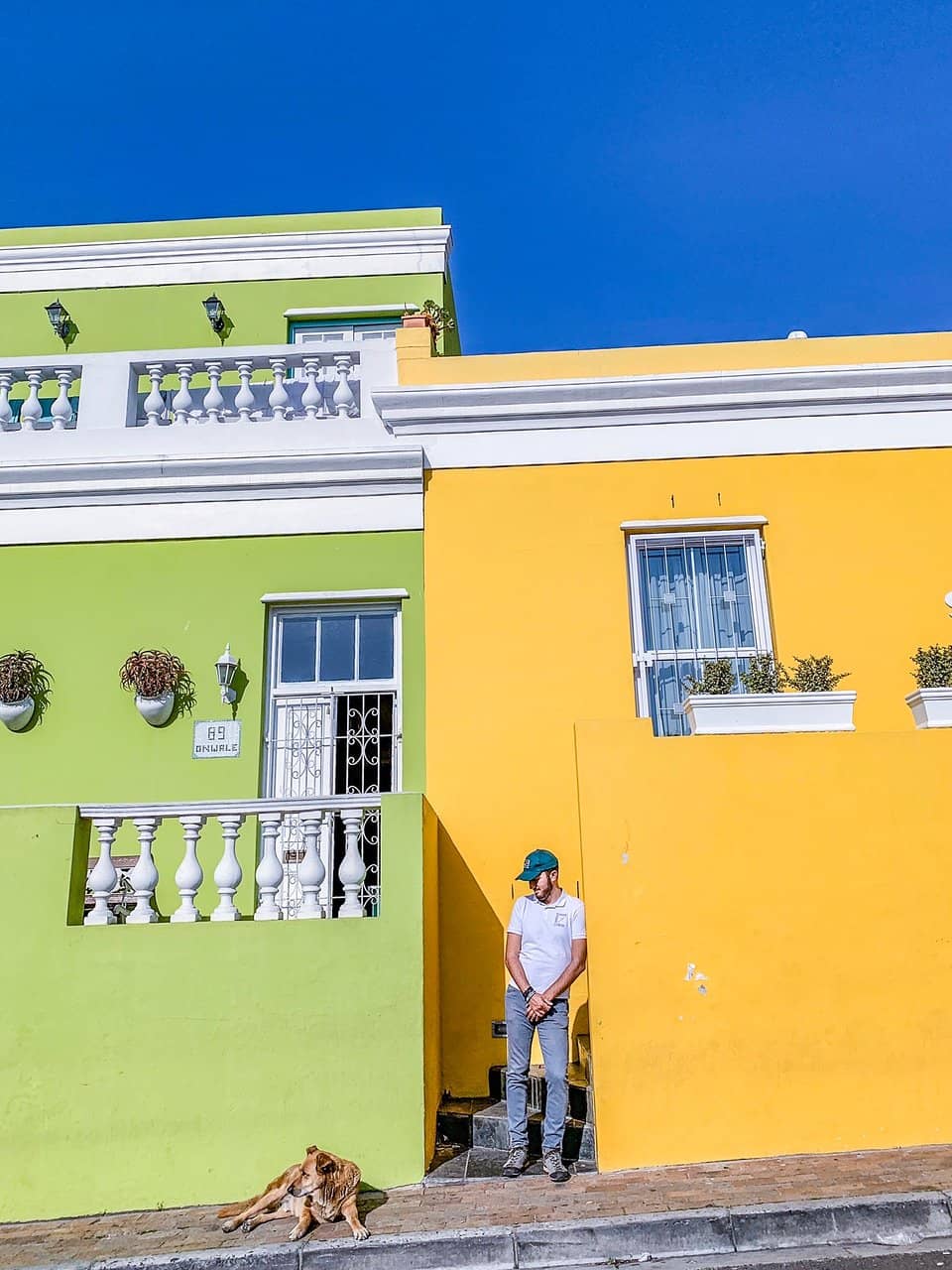
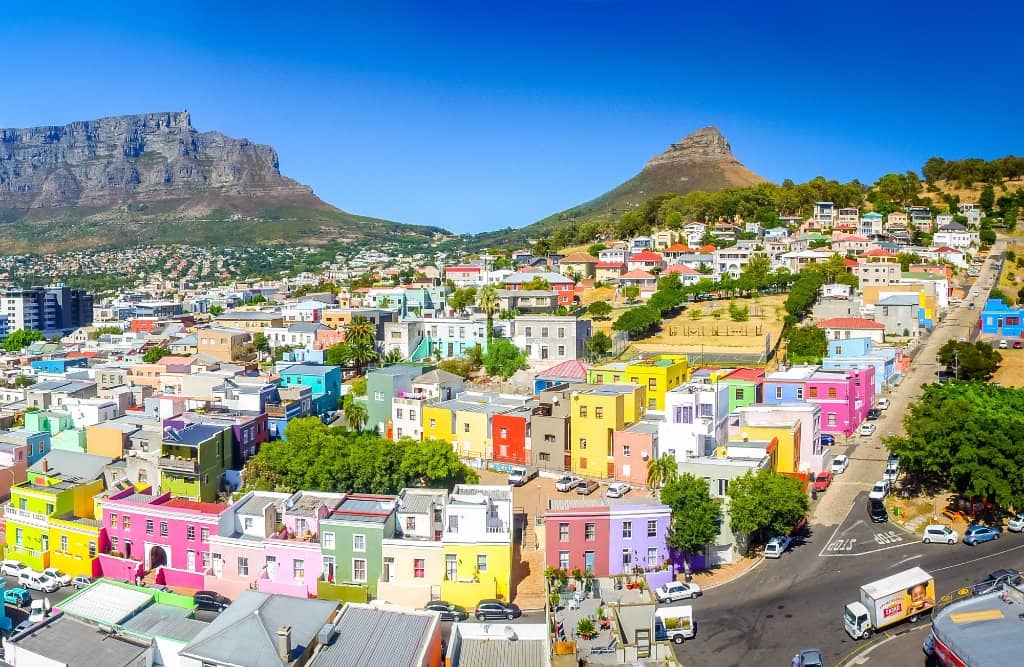
Wander through streets lined with brightly painted houses, a vibrant testament to Cape Malay culture and history.
Bo-Kaap Museum
71 Wale Street
Delve into the rich history and heritage of the Cape Malay community in this historic house museum.
Cape Malay Cooking Class
Various kitchens in Bo-Kaap
Immerse yourself in local flavors by learning to cook traditional dishes like roti and curry.
Plans like a pro.
Thinks like you
Planning Your Visit
Embrace the Colors: When to Visit Bo-Kaap
Navigating Bo-Kaap: Safety and Exploration
Best Times
Insider Tips
from TikTok, Instagram & Reddit
🚶♀️ Guided Walking Tours Recommended
Enhance your visit with a guided tour to learn about Bo-Kaap's history and culture. +1
📸 Capture the Colors
Bo-Kaap's vibrant houses are a photographer's paradise. Don't forget your camera! 
👟 Wear Comfortable Shoes
Cobblestone streets and hills make comfortable footwear essential for exploring.
☀️ Sun Protection is Key
Cape Town's sun can be intense. Wear sunscreen, a hat, and sunglasses.
Tips
from all over the internet
🚶♀️ Guided Walking Tours Recommended
Enhance your visit with a guided tour to learn about Bo-Kaap's history and culture. +1
📸 Capture the Colors
Bo-Kaap's vibrant houses are a photographer's paradise. Don't forget your camera!
👟 Wear Comfortable Shoes
Cobblestone streets and hills make comfortable footwear essential for exploring.
☀️ Sun Protection is Key
Cape Town's sun can be intense. Wear sunscreen, a hat, and sunglasses.
🍲 Taste the Local Flavors
Try authentic Cape Malay cuisine at local eateries or street food stalls.
What Travellers Say
Reviews Summary
Visitors rave about Bo-Kaap's stunningly colorful houses and rich Cape Malay culture, calling it a must-see in Cape Town. The vibrant streets offer fantastic photo opportunities and a glimpse into a unique heritage. Some travelers mention safety concerns when walking alone, recommending guided tours for a more informed and secure experience.
What People Like
What People Dislike
Frequently Asked Questions
🚇 🗺️ Getting There
You can walk from the V&A Waterfront to Bo-Kaap, which takes about 20-30 minutes. It's considered relatively safe by South African standards, but it's always good to be aware of your surroundings. Alternatively, a short Uber or taxi ride is also a convenient option. +1
While many visitors walk to Bo-Kaap without issue, some Reddit users suggest that it's safer to take an Uber or join a guided tour, especially if you're unsure about the area. Stick to well-trafficked streets during the day. +2
Exploring Bo-Kaap on foot is the best way to soak in its atmosphere. Consider a guided walking tour to gain deeper insights into its history and culture. +1
Driving to Bo-Kaap is possible, but parking can be challenging due to narrow streets and limited spaces. Many visitors prefer to walk or use ride-sharing services.
While there isn't a direct train or bus line into Bo-Kaap itself, it's easily accessible by Uber or taxi from various parts of Cape Town. The city center is also within walking distance.
🎫 🎫 Tickets & Entry
There are no entrance fees to wander through the streets of Bo-Kaap. However, if you plan to visit the Bo-Kaap Museum or take a cooking class, separate tickets or bookings will be required.
Bo-Kaap is a residential neighborhood and is accessible at all times. However, individual attractions like the Bo-Kaap Museum have specific opening hours, typically from Monday to Saturday.
Yes, there are free walking tours available that include Bo-Kaap. These tours are highly recommended by visitors for their historical insights and value. +1
While some tours are 'free' (tip-based), it's customary to tip your guide. The amount is up to you, but a common range is R100-R200 per person. Paid tours may offer more in-depth experiences. +1
The Auwul Mosque is the oldest mosque in South Africa and is located in the Bo-Kaap area. While it's a place of worship, you might be able to visit during non-prayer times, but it's best to inquire respectfully.
📸 📸 Photography & Sightseeing
Every street in Bo-Kaap offers a colorful backdrop! Focus on the brightly painted houses, intricate doorways, and cobblestone streets. The intersection of Wale and Chiappini Streets is particularly photogenic.
Early mornings offer softer light and fewer crowds, making it ideal for photography. Late afternoons can also provide beautiful golden hour light.
The vibrant colors are said to have originated from the Cape Malay community, who were historically enslaved people from Southeast Asia. The bright hues symbolize joy, freedom, and cultural pride.
The Bo-Kaap Museum, housed in a historic Cape Dutch house, showcases the history, culture, and lifestyle of the Cape Malay community. It provides valuable context to the neighborhood.
Beyond the colorful houses, look out for the historic mosques, the Bo-Kaap Museum, and the unique architecture that reflects its rich heritage.
🍽️ 🍲 Food & Dining
Bo-Kaap is renowned for its delicious Cape Malay cuisine, featuring dishes like bobotie, samoosas, curries, and roti.
Bo-Kaap Kombuis and Biesmiellah are highly recommended restaurants for authentic Cape Malay dishes. You can also find delicious street food from local vendors.
Many Cape Malay dishes can be made vegetarian, especially curries and vegetable-filled samoosas. It's always best to ask your server for options.
Yes, several places in Bo-Kaap offer immersive cooking classes where you can learn to prepare traditional Cape Malay meals.
Koeksisters are a popular South African sweet treat, often found in Bo-Kaap. They are typically a braided dough, deep-fried and then soaked in syrup.





Social
from TikTok, Instagram & Reddit