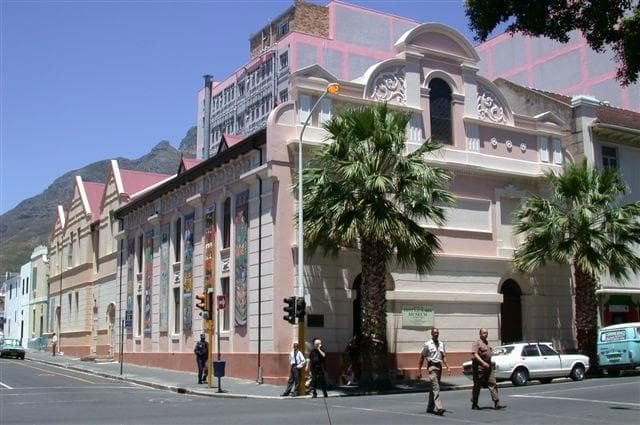
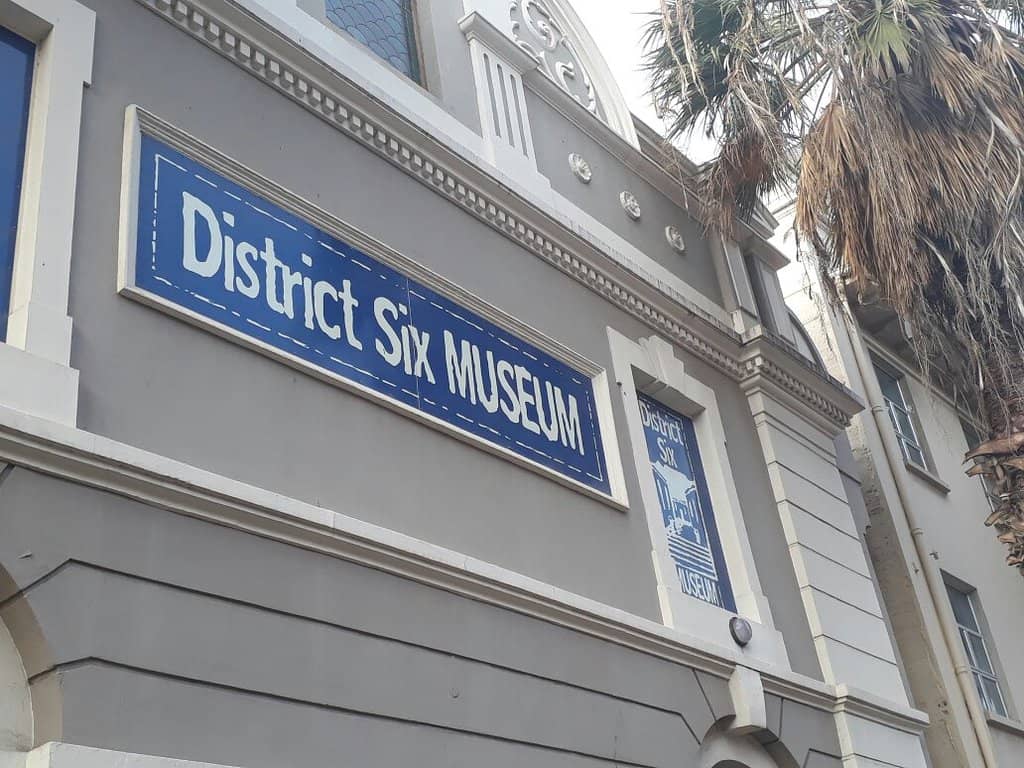
District Six Museum Cape Town
A poignant museum preserving the memory of District Six, a vibrant community destroyed by apartheid's forced removals.

Highlights
Must-see attractions

Social
From TikTok & Reddit
Best Time
Fewer school groups
District Six Museum Cape Town
Best Time
Fewer school groups
Highlights
Must-see attractions
A poignant museum preserving the memory of District Six, a vibrant community destroyed by apartheid's forced removals.
"A must for every visitor to Cape Town; extremely informative and a very important historical experience."
🎯 Book a Guided Tour
Highly recommended! Guides, often former residents, share powerful personal stories.
⏰ Allow 1-2 Hours
Plenty of history to absorb; don't rush your visit.
Quick Facts
Hours
Rating
4.4 · 2,601 reviews
Type
Museum
Highlights
Discover the most iconic attractions and experiences
Guided Tours by Former Residents
Throughout the museum
Hear firsthand accounts of life in District Six and the pain of forced removals from those who lived it. Truly unforgettable.
Recreated Homes and Streetscapes
Exhibition halls
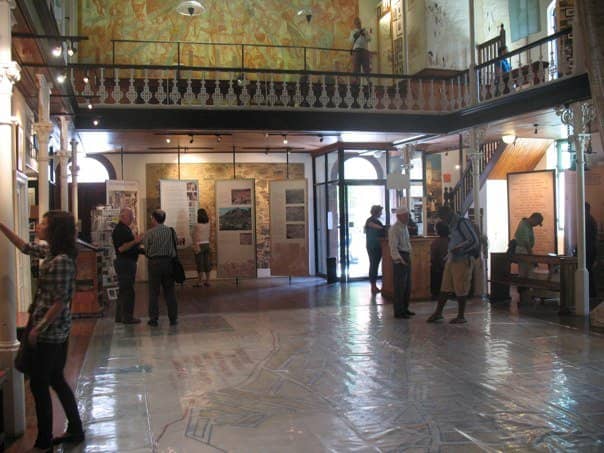
Step back in time with meticulously recreated rooms and street scenes, evoking the vibrant community that was lost.

The Wall of Names
Main exhibition area
A poignant tribute listing thousands of names of residents forcibly removed from their homes.
Plans like a pro.
Thinks like you
Planning Your Visit
Book a Guided Tour
Allocate Enough Time
Best Times
Insider Tips
from TikTok, Instagram & Reddit
🎯 Book a Guided Tour
Highly recommended! Guides, often former residents, share powerful personal stories.

⏰ Allow 1-2 Hours
Plenty of history to absorb; don't rush your visit.
🚗 Parking Options
Parking available on Buitenkant Street, near the museum.
♿ Accessibility Info
A free online guide is available for autistic visitors.
Tips
from all over the internet
🎯 Book a Guided Tour
Highly recommended! Guides, often former residents, share powerful personal stories.
⏰ Allow 1-2 Hours
Plenty of history to absorb; don't rush your visit.
🚗 Parking Options
Parking available on Buitenkant Street, near the museum.
♿ Accessibility Info
A free online guide is available for autistic visitors.
📸 Photography Allowed
Capture the powerful exhibits, but be respectful.
What Travellers Say
Reviews Summary
Visitors consistently praise the District Six Museum for its profound historical significance and the deeply moving guided tours, often led by former residents. While the subject matter is somber, the museum is lauded for its educational value and the powerful storytelling that brings the community's past to life. Some note the soft-spoken nature of guides and the need for close listening, but overall, it's considered an essential Cape Town experience.
"Located in main area. Uber and bolt taxis can be booked here. It is a good museum to know and feel history of South Africa. It will be 1 to 2 hours to look. Camera and camcorders can be used inside. Not much crowd here. Will be closed by 5 PM. History lovers will love this place."
Aranganathan S
"Went with a school group. Very educational. Thanks to Brent who took us around and gave the learners great insight into the history of District Six."
Erin Rhoda
"Extremely informative and very important historical experience with details about the extent of injustice that took place during the apartheid in South Africa. A must for every visitor to Cape Town. I paid for the tour guide who narrated the exhibitions so well and I felt that without his insights i would have missed alot of the key information wondering around by myself"
Bupe Fathi
What People Like
What People Dislike
Frequently Asked Questions
🚇 🗺️ Getting There
The museum is centrally located in Cape Town. You can easily reach it by Uber or Bolt taxis, which are readily available. If driving, there is a parking structure on Buitenkant Street, which is on the same road as the museum.
Yes, there is a parking structure on Buitenkant Street, conveniently located near the museum. Ample parking is generally available around the CBD precinct, with charges typically around R19 per hour.
The museum is in the CBD, so it's walkable from places like Greenmarket Square and Long Street, though it's a good idea to check distances. Consider the heat and your comfort level for walking.
Uber and Bolt taxis are very convenient for reaching the museum. Public transport options are also available within the city center, but taxis offer direct access and ease.
While public transport operates within Cape Town's CBD, specific routes directly to the museum might require some walking. Taxis like Uber and Bolt are generally the most straightforward option for direct access.
🎫 🎫 Tickets & Entry
Ticket prices can vary, and it's best to check the official website for the most current information. Many visitors opt for a guided tour, which often includes admission and provides a richer experience.
While walk-ins are often welcome, booking tickets in advance, especially for guided tours, is recommended to secure your spot, particularly during peak times or for specific tour slots.
The museum typically closes around 5 PM. It's advisable to check their official website for the most up-to-date opening hours, as these can change.
While not explicitly stated in all sources, it's common for museums to offer concessions. Some Reddit users have suggested fares should be lower for non-whites and tourists, indicating a discussion around pricing equity.
Yes, tickets are generally available for purchase at the museum. However, for guided tours, booking ahead is often a good idea to ensure availability.
🎫 🧭 Onsite Experience
The most impactful way to experience the museum is by taking a guided tour led by former residents. Their personal narratives bring the history to life in a way that wandering alone cannot.
Most visitors spend between 1 to 2 hours at the museum to fully appreciate the exhibits and any guided tour. This allows for reflection on the powerful stories shared.
Yes, cameras and camcorders can be used inside the museum. Visitors are encouraged to capture the exhibits, but always with respect for the sensitive nature of the history.
Generally, the museum does not experience overwhelming crowds, making it a more intimate and reflective experience for visitors.
Expect powerful displays of photographs, documents, oral histories, and recreated living spaces that tell the story of the forced clearance of 60,000 residents during apartheid.
🍽️ 🍽️ Food & Dining
Yes, the museum is located in the CBD, which has numerous cafes and restaurants. Truth Coffee, a popular spot, is mentioned in conjunction with a visit to the museum.
While specific recommendations aren't detailed, the CBD area offers a wide range of dining options. You might find traditional recipes displayed within the museum itself, inspiring culinary exploration.
While not explicitly stated as a cafe, the museum does feature wonderful recipes on the wall, suggesting a connection to food and community heritage.
📸 📸 Photography
Yes, photography is permitted inside the museum. Visitors are encouraged to document their experience, but it's important to do so respectfully, given the sensitive historical context.
The recreated homes and streetscapes offer visually striking opportunities. The Wall of Names is also a powerful and poignant subject for photography.
While generally allowed, it's always good practice to be mindful of other visitors and the solemn nature of some exhibits. Avoid flash photography if it might disturb others or damage artifacts.





Social
from TikTok, Instagram & Reddit