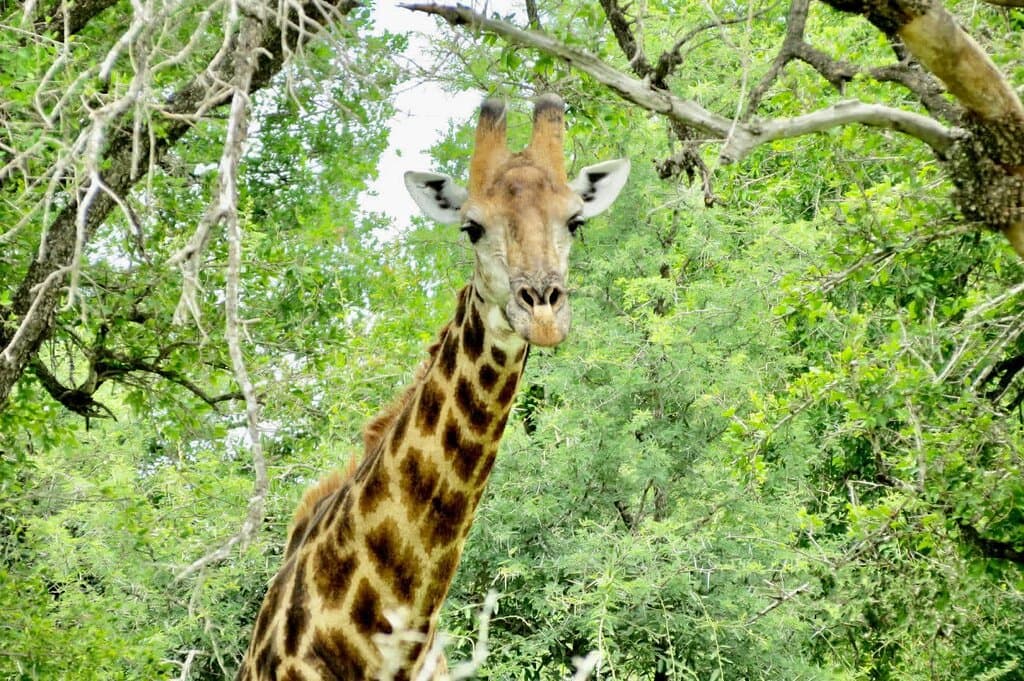
Kruger National Park
South Africa's premier wildlife sanctuary, Kruger National Park offers unparalleled Big Five encounters and diverse landscapes.
Highlights
Must-see attractions

Social
From TikTok & Reddit
Best Time
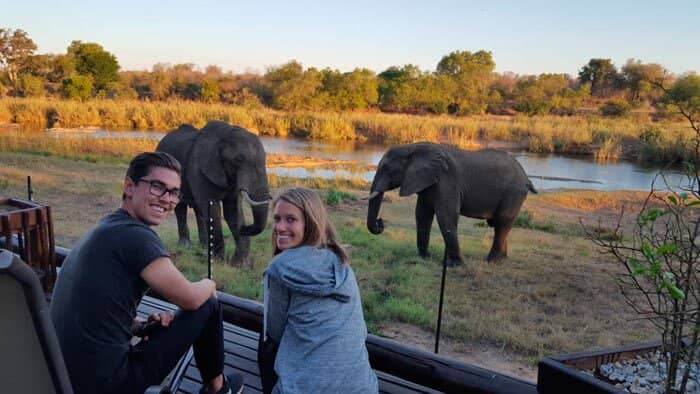
Animals gather at waterholes
Kruger National Park
Best Time
Animals gather at waterholes
Highlights
Must-see attractions
South Africa's premier wildlife sanctuary, Kruger National Park offers unparalleled Big Five encounters and diverse landscapes.
"Hands down, the most incredible national park in South Africa. It NEVER disappoints."
Book Guided Safaris
Local guides share sightings & know animal habits. Essential for spotting elusive wildlife! :camerawithflash:
Self-Drive Freedom
Explore at your own pace! Roads are good, but allow ample time. 🚗
Quick Facts
Hours
Rating
4.7 · 21,247 reviews
Type
National Park
Address
Highlights
Discover the most iconic attractions and experiences
The Big Five
Spot lions, leopards, elephants, rhinos, and buffalo in their natural habitat. An unforgettable wildlife encounter!
 +1
+1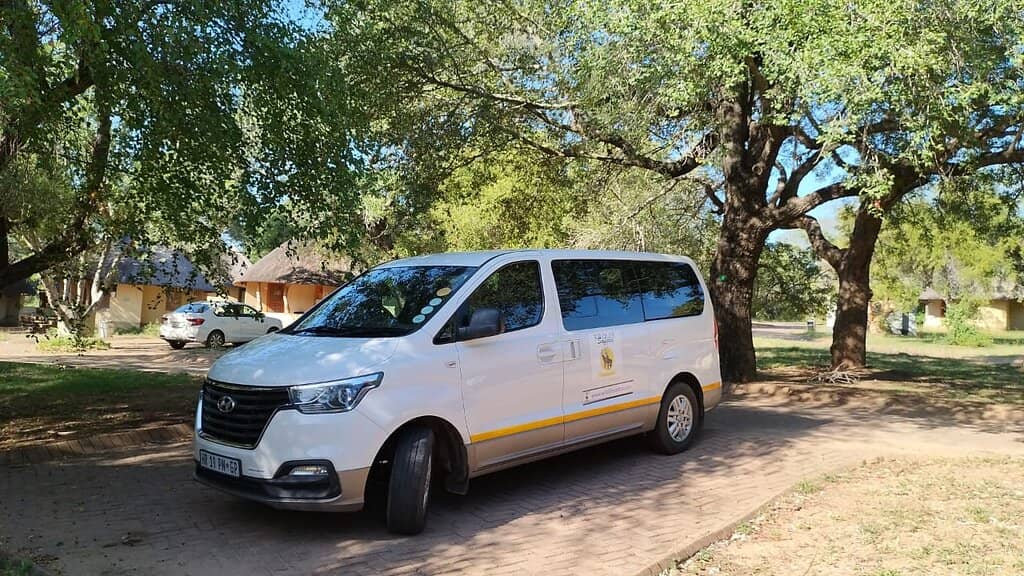
Predator Action
Witness thrilling moments of lions hunting or defending territory. Pure, raw nature unfolding before your eyes.
+1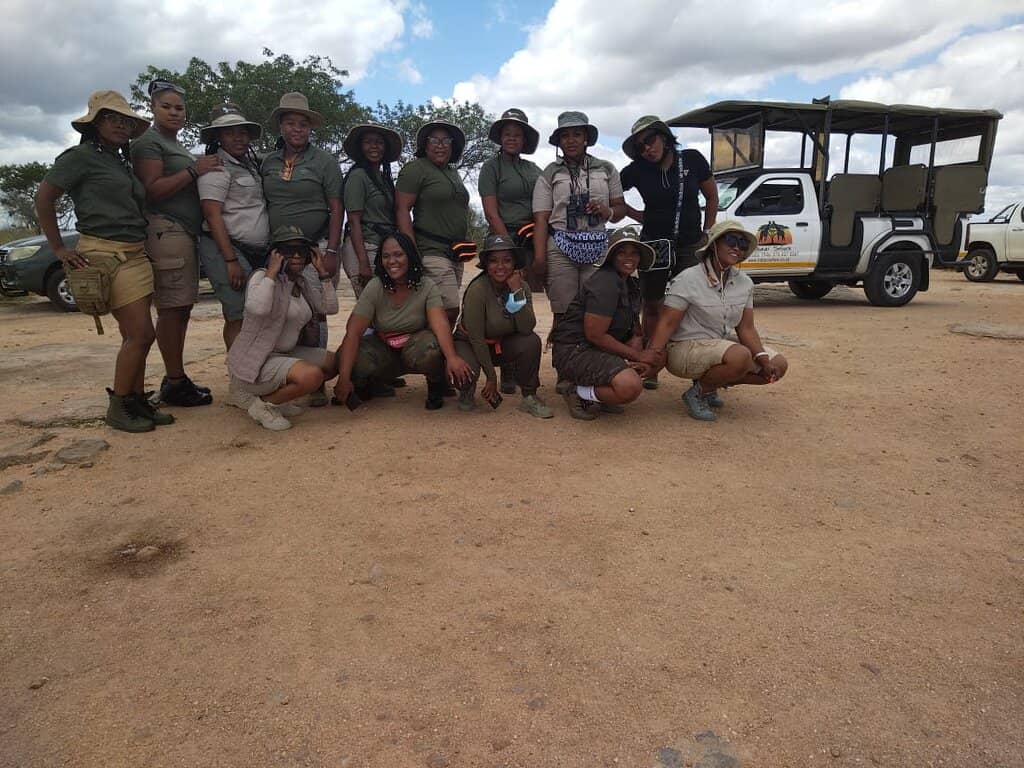
Leopard Cubs
Marvel at the elusive leopards and their adorable cubs. A truly special sighting for lucky visitors.
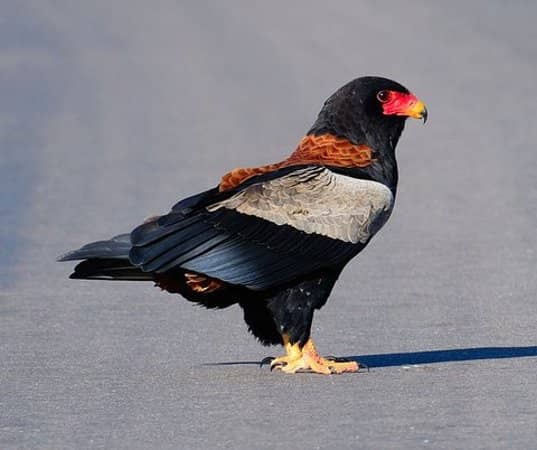
Scenic Drives
Explore diverse landscapes from riverine forests to open savannas. Every turn offers a new wildlife surprise.
Plans like a pro.
Thinks like you
Planning Your Visit
Plan Your Kruger Safari
Respect the Wildlife
Best Times
Insider Tips
from TikTok, Instagram & Reddit
Book Guided Safaris
Local guides share sightings & know animal habits. Essential for spotting elusive wildlife! :camerawithflash:
Self-Drive Freedom
Explore at your own pace! Roads are good, but allow ample time. 🚗
Stay at Rest Camps
Comfortable accommodation & good food options. Skukuza & Manyeleti are popular choices. 🛏️
Pack Binoculars
Essential for spotting distant animals and enjoying detailed views. :binoculars:
Tips
from all over the internet
Book Guided Safaris
Local guides share sightings & know animal habits. Essential for spotting elusive wildlife! :camerawithflash:
Self-Drive Freedom
Explore at your own pace! Roads are good, but allow ample time. 🚗
Stay at Rest Camps
Comfortable accommodation & good food options. Skukuza & Manyeleti are popular choices. 🛏️
Pack Binoculars
Essential for spotting distant animals and enjoying detailed views. :binoculars:
Respect Animal Space
Never approach or feed wildlife. Maintain a safe distance for everyone's safety.
What Travellers Say
Reviews Summary
Kruger National Park is overwhelmingly praised for its incredible wildlife viewing opportunities, with many visitors calling it an unforgettable experience. The park's vastness and diverse habitats ensure constant excitement, and the well-maintained roads and facilities contribute to a positive visitor experience. Some find the park can get crowded, and the cost of guided tours can add up.
"Spent two nights in one of the bungalows by the river which was clean and well equipped for our stay. We booked three drives including a sunset and sunrise drive. The guides were all excellent and very knowledgeable about the animals. Missed out on seeing the Big Five, didn't see buffalo. The park had a well stocked shop and two restaurants. We only ate in the one closest to us and the food was great. The granola and yoghurt breakfast was delicious. Helpful staff and definitely worth going. We flew to Mpumbalanga Airport where we picked up a car for a two hour drive into the Kruger. Stayed in Shukuza. Glad I got to experience Kruger. It was wonderful."
Julie Griffith
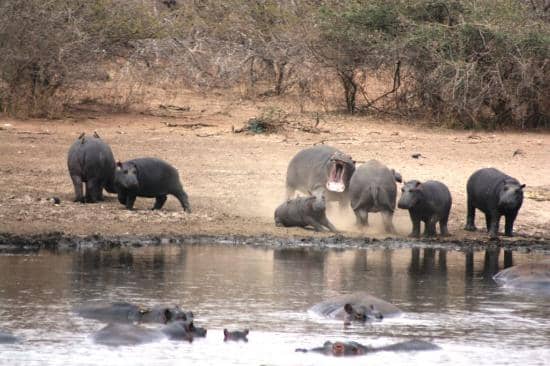
"We went for a day visit into the park and managed to see 4 out of the 5 Big Five. Its such a peaceful park with many roads to travel. Updated sightings board at every stop/rest point. News of watering holes, dams and rivers populated with hippo and crocodile. Lovely restaurants inside the park too. Highly recommend. The day visit pass is very reasonably priced aswell."
Caitlin Pieterse
"Brilliant! A vast park where you are guaranteed to see the Big Five up close, in their own habitat. I recommend using a local guide as they share sightings with each other and respect the animals. We saw an unbelievably diverse range of wildlife. We stayed at Buffelshoek in Manyeleti. A very welcoming camp and close to the action. Fully catered and offering two safari drives a day."
Natalie Weller-Cliff
What People Like
What People Dislike
Frequently Asked Questions
🚇 🗺️ Getting There
Kruger National Park is accessible via several gates. The most common entry points are from the west, such as the Phabeni Gate near Hazyview or the Paul Kruger Gate. You can fly into Kruger Mpumalanga International Airport (MQP) and rent a car, or drive from major South African cities like Johannesburg. The drive from Johannesburg is approximately 4-5 hours.
You can self-drive using your own vehicle or a rental car, which offers flexibility. Alternatively, the park offers guided game drives led by experienced rangers, which are highly recommended for spotting wildlife you might otherwise miss.
Yes, the main roads within Kruger National Park are generally well-maintained tar roads, making self-driving accessible. Smaller gravel roads also exist for more adventurous exploration, but a 4x4 is not typically required for most areas.
While GPS devices and navigation apps can be helpful, mobile signal can be patchy within the park. It's advisable to download offline maps or carry a physical map of Kruger National Park.
The main gates include Paul Kruger Gate, Phabeni Gate, Numbi Gate, and Malelane Gate on the southern side, and Punda Maria Gate in the north. Each gate offers access to different regions of the park.
🎫 🎫 Tickets & Entry
There is a daily conservation fee for entering Kruger National Park. Fees vary for South African citizens and international visitors. It's best to check the official SANParks website for the most current pricing.
While not always mandatory for self-drive day visitors, booking accommodation and guided activities in advance is highly recommended, especially during peak seasons, as camps and drives can fill up quickly.
Gate opening and closing times vary seasonally, generally aligning with sunrise and sunset. Always check the official SANParks website for the specific hours applicable to your visit to avoid being locked out or in.
Yes, you can typically purchase daily conservation fees at the park gates. However, pre-booking online through the SANParks website is often more convenient and can save time.
The primary permit is the daily conservation fee. For overnight stays, you'll need to book accommodation within the park's rest camps or private lodges.
🎫 🧭 Onsite Experience
Early mornings and late afternoons are generally the best times for game viewing as animals are most active during these cooler parts of the day.
The Big Five are the lion, leopard, elephant, rhinoceros, and buffalo. Spotting all five is a major highlight for many visitors.
You are generally only permitted to leave your vehicle at designated rest camps, picnic sites, and viewpoints for safety reasons. Always stay in your car when viewing wildlife on the roads.
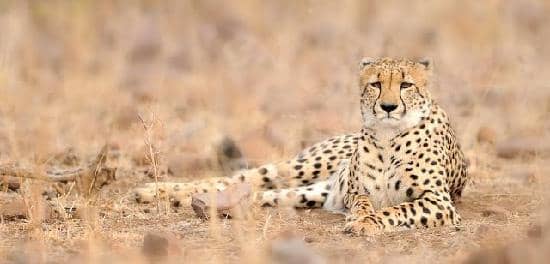
Kruger is home to an incredible diversity of wildlife, including giraffes, zebras, hippos, crocodiles, cheetahs, wild dogs, and hundreds of bird species.
Most visitors recommend at least three days to experience Kruger National Park adequately, allowing time for both self-drive safaris and potentially guided drives.
🍽️ 🍽️ Food & Dining
Yes, most rest camps within Kruger National Park have restaurants, cafes, and small shops selling basic groceries, snacks, and souvenirs.
Absolutely! Bringing your own food and drinks is a great way to save money and enjoy picnics at designated spots. Many visitors pack coolers.
Restaurants typically offer a range of meals, from traditional South African dishes to more international fare. Options can vary between camps.
Yes, many rest camps and picnic sites have braai facilities, allowing you to cook your own meals outdoors.
Alcohol is generally available for purchase at the restaurants and shops within the rest camps.
📸 📸 Photography
Telephoto lenses (300mm and above) are highly recommended for capturing wildlife from a distance. A versatile zoom lens is also useful.
The 'golden hours' around sunrise and sunset offer beautiful soft light for photography. Midday sun can be harsh, but animals are often still active.
Some lodges and private operators offer specialized photography tours and workshops led by experienced wildlife photographers.
Settings will vary, but generally, a fast shutter speed to freeze motion, a wide aperture for background blur, and a higher ISO for low light are key. Practice is essential!
While you must maintain a safe distance, using a telephoto lens with a good zoom is the best way to achieve close-up shots without disturbing the animals.
Social
from TikTok, Instagram & Reddit