Nsemani Dam
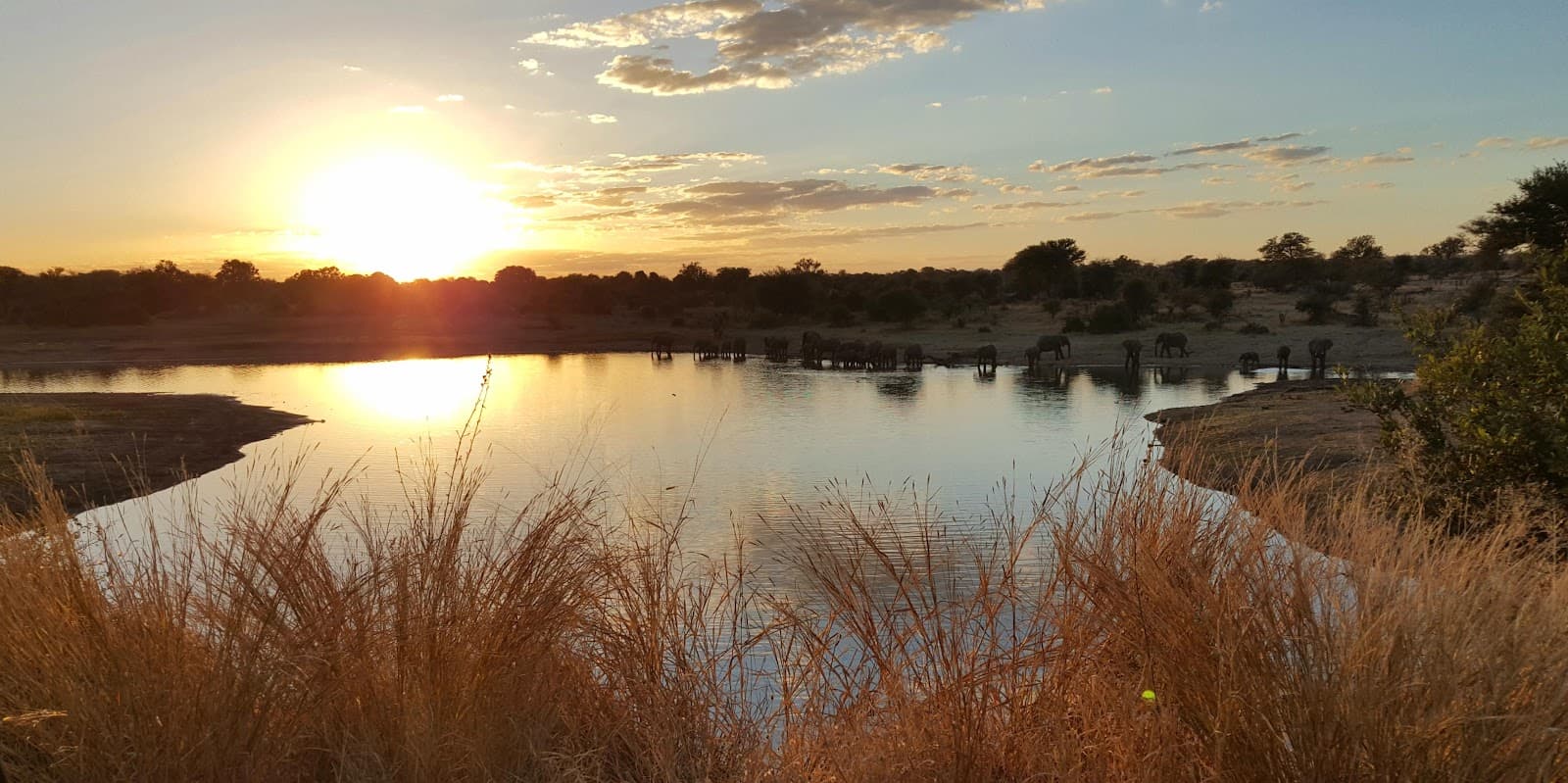
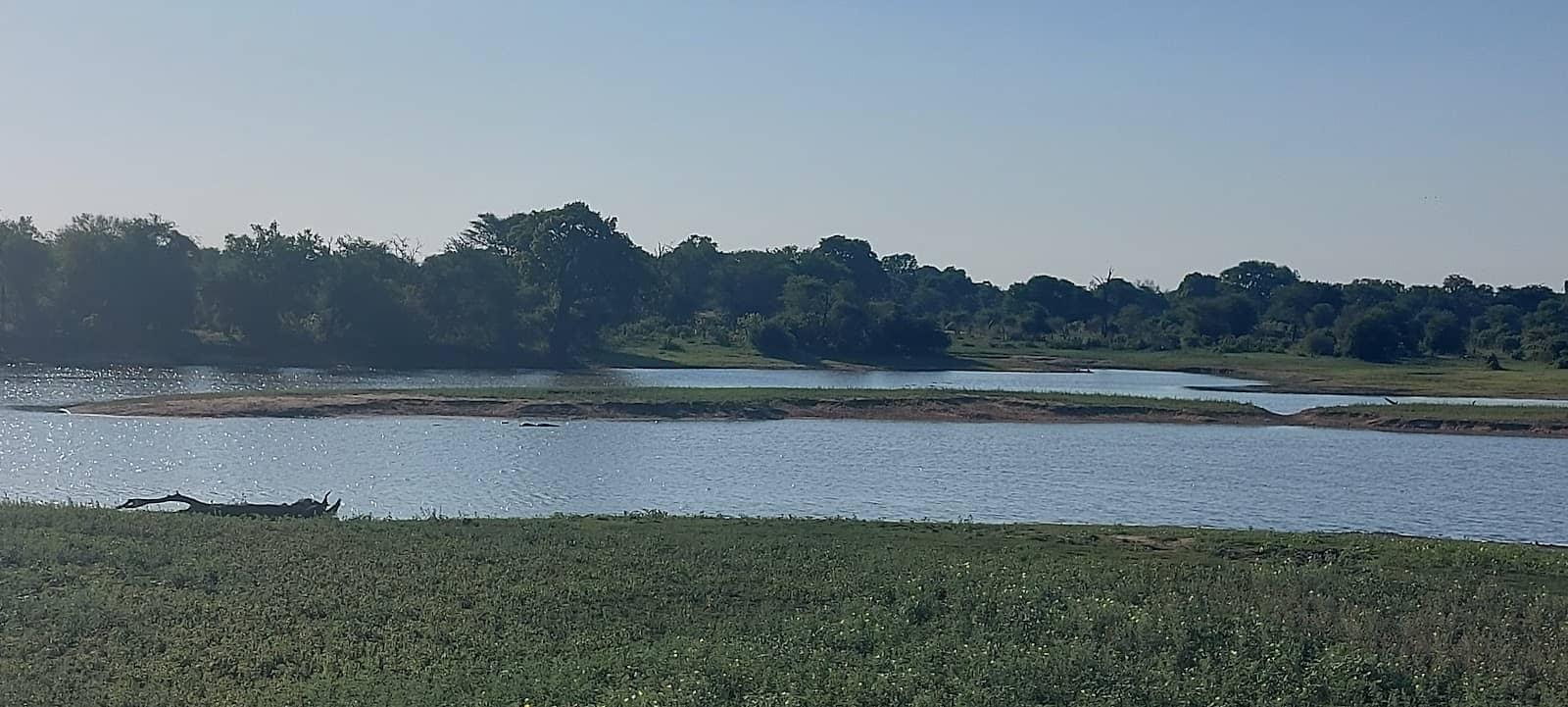
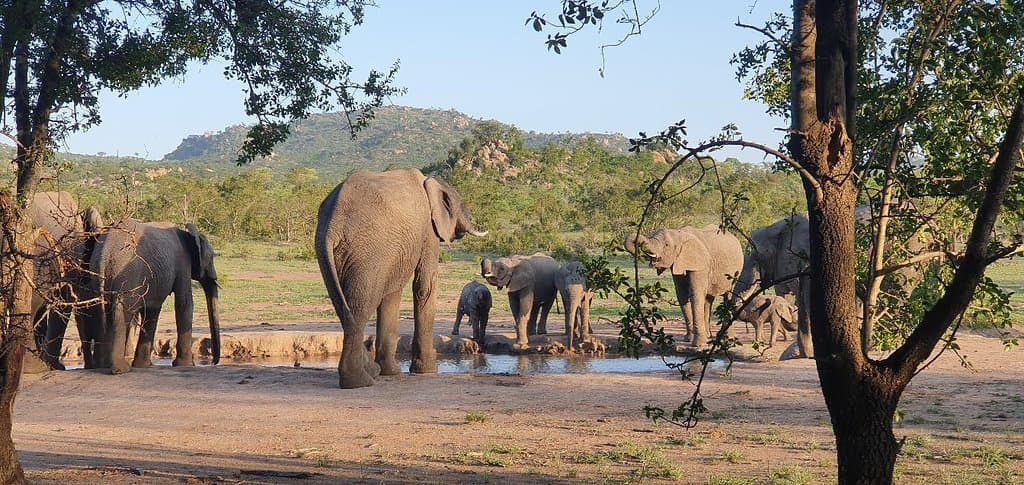
A vital watering hole in Kruger National Park, Nsemani Dam is a prime location for spotting elephants, predators, and a wide array of wildlife.
Highlights
Must-see attractions

Social
From TikTok & Reddit
Best Time
Prime time for animal activity
Nsemani Dam
Best Time
Prime time for animal activity
Highlights
Must-see attractions
A vital watering hole in Kruger National Park, Nsemani Dam is a prime location for spotting elephants, predators, and a wide array of wildlife.
"This little spot has truly been a hot spot in the past few days. "
⏳ Patience Pays Off
Spend at least 40 minutes here; you never know what might pop up! :camerawithflash:
📍 Strategic Location
Located on H7, near Satara Rest Camp, it's a perfect stop during your game drive. :world_map:
Quick Facts
Rating
4.6 · 56 reviews
Type
Natural Feature
Address
Highlights
Discover the most iconic attractions and experiences
Elephant Gatherings
Nsemani Dam
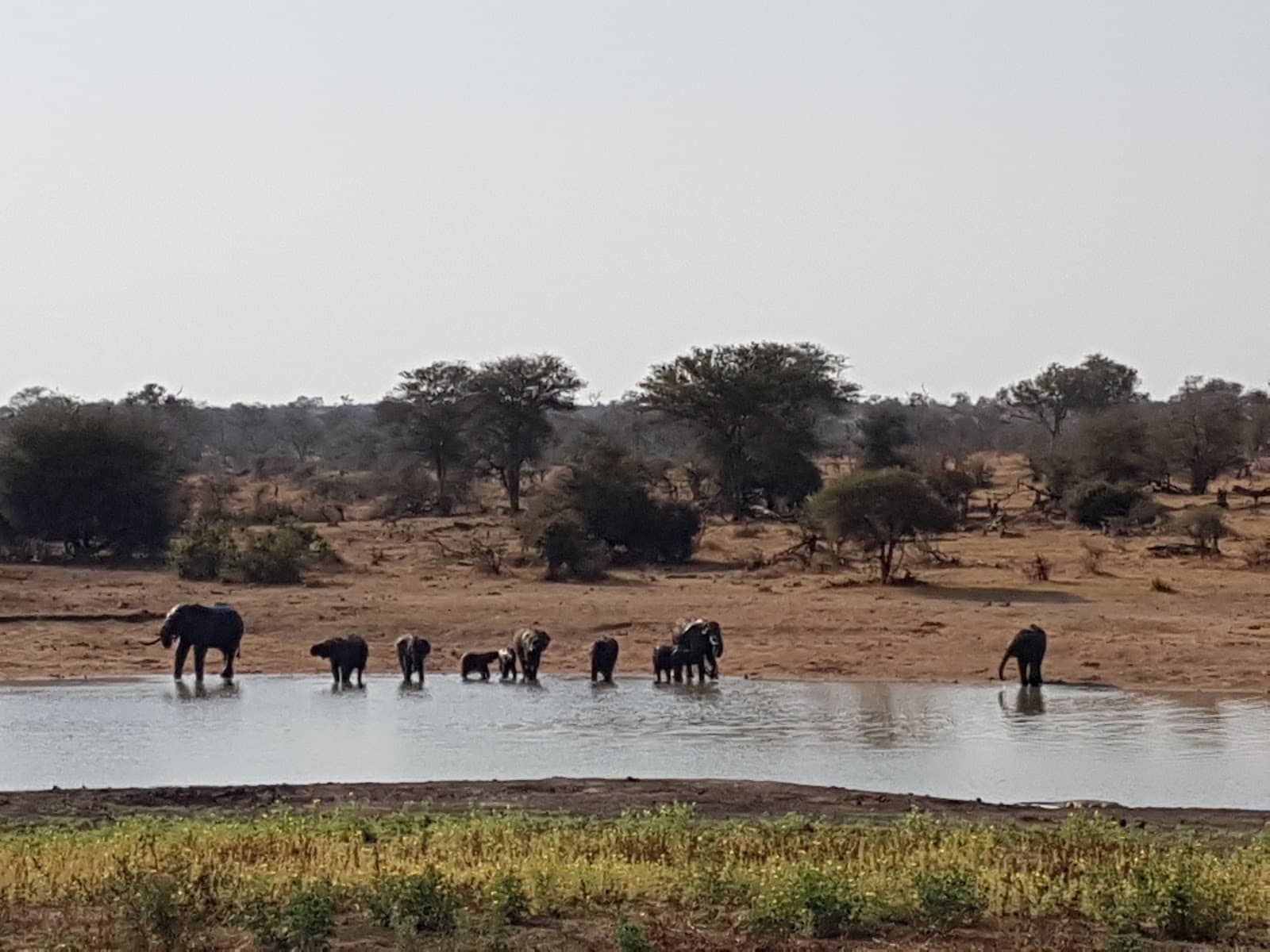
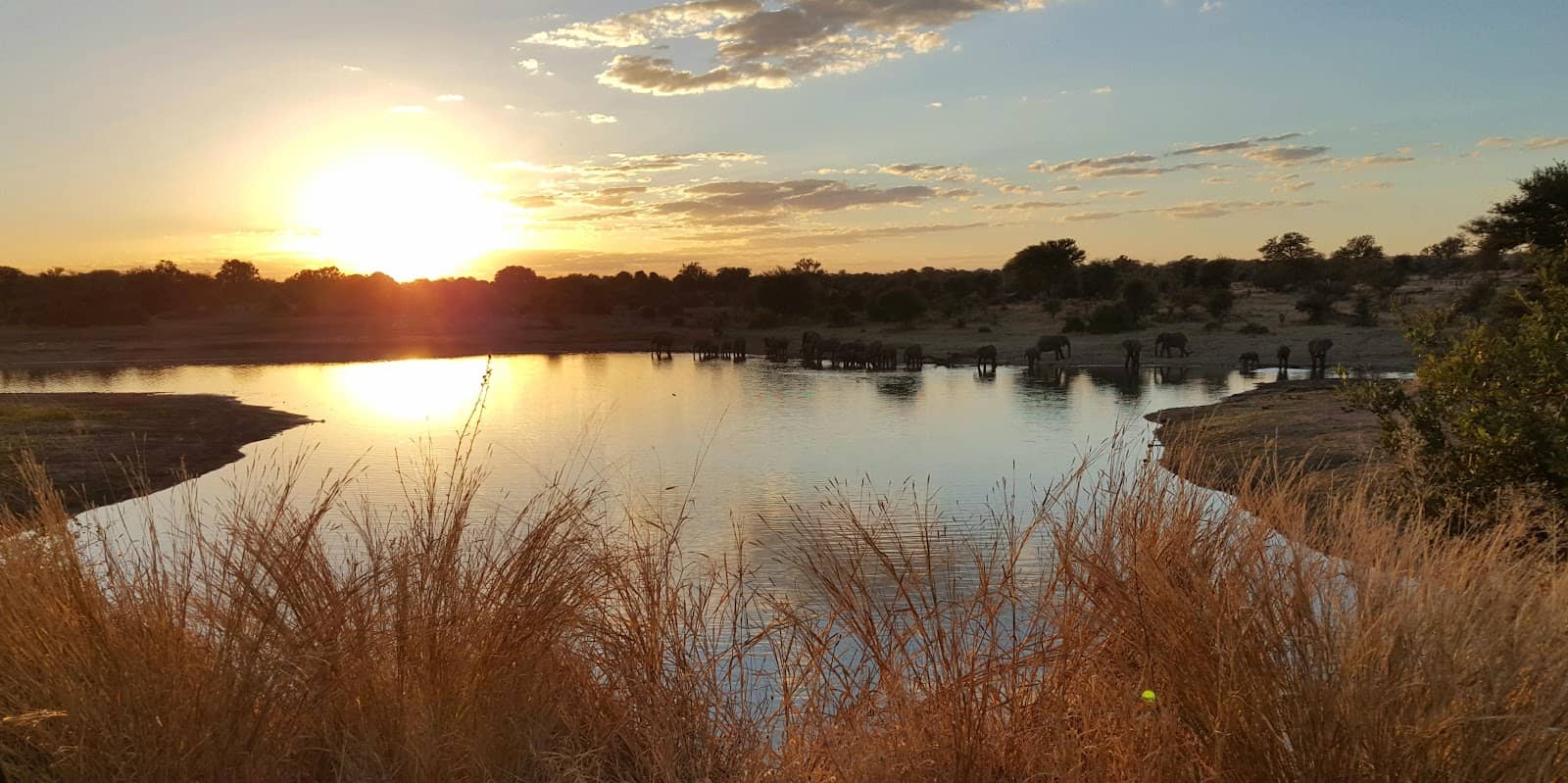
Witness large herds of elephants swimming and playing in the water – a truly unforgettable sight.
Predator Hotspot
Nsemani Dam
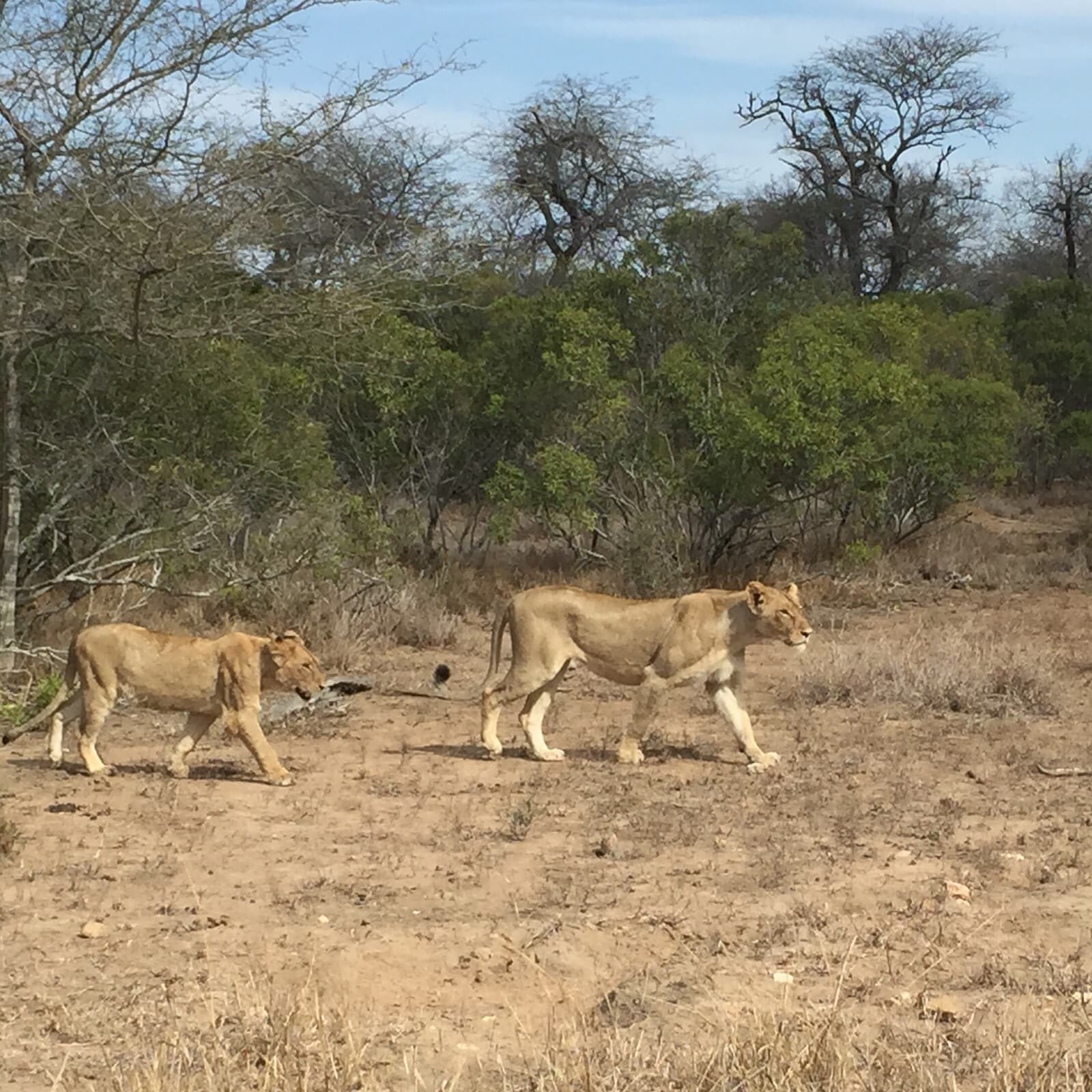
This dam is a magnet for predators like lions, drawn to the abundant water and prey.
Diverse Wildlife Viewing
Nsemani Dam
Spot a wide array of animals including hippos, crocodiles, buffalo, and various antelope species.
Plans like a pro.
Thinks like you
Planning Your Visit
Best Time for Wildlife Sightings
Strategic Location for Game Drives
Best Times
Insider Tips
from TikTok, Instagram & Reddit
⏳ Patience Pays Off
Spend at least 40 minutes here; you never know what might pop up! :camerawithflash:
📍 Strategic Location
Located on H7, near Satara Rest Camp, it's a perfect stop during your game drive. :world_map:
🐘 Elephant Encounters
You might be lucky enough to see elephants swimming and playing in the water. 🐘
🦁 Predator Attraction
This dam is a known hotspot for predators seeking water and prey. 🦁
Tips
from all over the internet
⏳ Patience Pays Off
Spend at least 40 minutes here; you never know what might pop up! :camerawithflash:
📍 Strategic Location
Located on H7, near Satara Rest Camp, it's a perfect stop during your game drive. :world_map:
🐘 Elephant Encounters
You might be lucky enough to see elephants swimming and playing in the water. 🐘
🦁 Predator Attraction
This dam is a known hotspot for predators seeking water and prey. 🦁
What Travellers Say
Reviews Summary
Nsemani Dam is a highly recommended stop within Kruger National Park, celebrated for its consistent and diverse wildlife sightings, particularly elephants and predators. Visitors appreciate its strategic location and the potential for unforgettable encounters. While it can get busy, the rewards of patience are often immense, offering a true taste of the wild.
"One of my absolute favourite stops when staying at Satara Rest Camp. This little spot has truly been a hot spot in the past few days. The following was sighted at the surrounding = lions, elephants, buffalo, impala, waterbuck, blou wildebeest, crocodile, fish eagles, giraffes, waterhogs"
JJ Du Toit
"It's a relaxing stop just before you go back to Satara camp."
Andre Welthagen
"Nsamani dam is based on the H7, a couple of kilometers before the H1-3 near Satara. This dam is a very good place to view General game & on its special day the predators loves this spot as its 1⃣ of the only water sources in the area ☺️. If you are in the area make sure to visit... You never know what might pop up 👆"
Nico Harding
What People Like
What People Dislike
Frequently Asked Questions
🚇 🗺️ Getting There
To reach Nsemani Dam from Malelane Gate, you'll typically drive towards Satara Rest Camp. Nsemani Dam is located on the H7 road, a few kilometers before the H1-3 junction, which leads to Satara. Self-drive is the most common method for accessing this area within Kruger National Park.
Yes, Nsemani Dam is situated along the H7 road, which is a well-maintained gravel road within Kruger National Park, making it easily accessible for self-drive visitors.
If you are staying at Satara Rest Camp, Nsemani Dam is just a short drive away on the H7 road, heading towards the H1-3 junction. It's a convenient stop before or after returning to the camp.
Many guided safari tours operating in Kruger National Park, especially those focusing on the central areas around Satara, will include Nsemani Dam as a potential viewing spot due to its high wildlife activity.
The roads around Nsemani Dam are typically gravel. While generally well-maintained, it's always advisable to drive cautiously, especially during or after rain, and be aware of wildlife on the road.
🎫 🎫 Tickets & Entry
Nsemani Dam is located within Kruger National Park, so you will need a valid Kruger National Park entrance permit or conservation fee to enter the park and access the dam.
Nsemani Dam is accessible during Kruger National Park's general operating hours, which typically align with sunrise and sunset. Always check the official SANParks website for the most current gate times.
No, there is no additional fee specifically for stopping at Nsemani Dam. Your Kruger National Park entrance fee covers access to all public viewing areas within the park.
You cannot book a visit to Nsemani Dam itself, as it's a natural viewing spot. However, you will need to ensure you have your Kruger National Park entry permit, which can sometimes be booked in advance, especially during peak seasons.
While Nsemani Dam can be popular, it's a natural area. If it's crowded, consider visiting during off-peak hours or being patient. The wildlife sightings are often worth the wait.
🎫 🧭 Onsite Experience
Nsemani Dam is renowned for attracting a wide variety of animals. You can often see elephants, hippos, crocodiles, lions, buffalo, impala, waterbuck, wildebeest, and various bird species like fish eagles.
It's recommended to spend at least 40 minutes at Nsemani Dam to maximize your chances of seeing a diverse range of wildlife, as animals can be unpredictable.
Nsemani Dam is a natural viewing spot and typically does not have extensive facilities like restrooms or shops. It's advisable to use facilities at nearby rest camps like Satara before or after your visit.
Absolutely! Nsemani Dam is a fantastic location for wildlife photography, offering opportunities to capture animals at the water's edge, including action shots of elephants playing or predators. +1
The chances of seeing predators like lions at Nsemani Dam are good, especially during drier periods when it's one of the few reliable water sources in the area. However, sightings are never guaranteed.
📸 📸 Photography
The golden hours, early morning and late afternoon, offer the best light for photography at Nsemani Dam, enhancing colors and creating dramatic scenes. This is also when animals are most active.
A telephoto lens (e.g., 300mm or more) is highly recommended for capturing wildlife details from a safe distance. A wider lens can be useful for landscape shots of the dam and surrounding area.
Be patient and observe animal behavior. Look for interactions, such as elephants playing or predators stalking. Consider shooting from a slightly lower angle to make animals appear more imposing.
No, it is crucial to maintain a safe and respectful distance from all wildlife. Never exit your vehicle. The viewing points at Nsemani Dam are designed for safe observation.
Popular shots include elephants bathing, hippos emerging from the water, crocodiles basking, and any predator sightings. Birdlife, especially fish eagles, also makes for great photos.

Social
from TikTok, Instagram & Reddit