Dyer Island Nature Reserve South Africa - Horizon
1 / 10

Dyer Island Nature Reserve South Africa

4.6
·491k reviews·Overberg DC, South Africa

A premier marine sanctuary renowned for Great White Sharks, whales, penguins, and seals. Experience thrilling cage diving and breathtaking wildlife en...

Highlights

Highlights

Must-see attractions

Social content

Social

From TikTok & Reddit

Best Time

June - November

Whale migration season

CrowdMedium
Loading map...
Dyer Island Nature Reserve South Africa - Horizon

Dyer Island Nature Reserve South Africa

Best Time

June - November

Whale migration season

CrowdMedium
Highlights

Highlights

Must-see attractions

A premier marine sanctuary renowned for Great White Sharks, whales, penguins, and seals. Experience thrilling cage diving and breathtaking wildlife encounters.

4.6
(491k reviews)

"The ultimate destination for marine megafauna, offering unforgettable encounters with sharks, whales, and penguins."

Vertical photo
TIP

Book Boat Tours Early

Secure your spot on a reputable boat tour, especially for shark cage diving. Book in advance! :ticket:

Dress for the Elements

It's often cold and windy at sea. Wear layers, a windbreaker, and non-slip shoes. :athletic_shoe:

Third hero image

Highlights

Discover the most iconic attractions and experiences

Great White Sharks

Great White Sharks

Shark Alley

Witness the apex predator in its natural habitat. Cage diving tours offer an unparalleled, thrilling encounter.

African Penguins

African Penguins

Boulders Beach (nearby, often included in tours)

See charming colonies of these endemic penguins waddling on shore and swimming in the ocean.

Cape Fur Seals

Cape Fur Seals

Geyser Rock

Observe thousands of seals basking on the rocks, a noisy and active spectacle.

Whale Watching

Whale Watching

Offshore waters

During migration season, spot majestic Southern Right Whales breaching and playing.

Your AI travel agent

Plans like a pro.
Thinks like you

Start Chatting

Planning Your Visit

Plan Your Visit to Dyer Island

Dyer Island is a protected marine area, not a typical tourist destination with facilities. Access is primarily via boat tours focused on marine life. Book tours in advance, especially during peak season, to secure your spot and ensure a memorable experience observing the rich biodiversity.

Marine Life Focus

This reserve is renowned for its marine megafauna, including the 'Marine Big Five'. Tours are weather-dependent, so flexibility is key. Respect the wildlife and follow guidelines to minimize disturbance. The best viewing opportunities are often early morning or late afternoon.

Best Times

When
June - November
Why
Whale migration season
Crowd
Medium
When
Year-round
Why
Penguins & seals always present
Crowd
Low

Insider Tips

from TikTok, Instagram & Reddit

GAMEDAY🙌🏻🧡🤍 #dyercounty #dc #gochoctaws #gameday #basketball #dcpride
@dctribalmedia
16K likes • 207.4K views

Book Boat Tours Early

Secure your spot on a reputable boat tour, especially for shark cage diving. Book in advance! :ticket:

Dress for the Elements

It's often cold and windy at sea. Wear layers, a windbreaker, and non-slip shoes. :athletic_shoe:

DYER COUNTY VOLLEYBALL 👏🏼👏🏼 #dyercounty #volleyball #dcvb
@dctribalmedia
15.4K likes • 86.5K views
DYER COUNTY HIGH SCHOOL’S YEARBOOK THEME THIS YEAR IS… #2026yearbooktheme #dchs #dchs26 #thisyearwrapped #walsworth
@dctribalmedia
3.8K likes • 41K views

Seasickness Preparedness

If prone to seasickness, take medication beforehand. The waters can be choppy. :pill:

Respect Wildlife

Maintain a safe distance and never feed the animals. Follow your guide's instructions. :dove:

Tips

from all over the internet

Book Boat Tours Early

Secure your spot on a reputable boat tour, especially for shark cage diving. Book in advance! :ticket:

Dress for the Elements

It's often cold and windy at sea. Wear layers, a windbreaker, and non-slip shoes. :athletic_shoe:

Seasickness Preparedness

If prone to seasickness, take medication beforehand. The waters can be choppy. :pill:

Respect Wildlife

Maintain a safe distance and never feed the animals. Follow your guide's instructions. :dove:

Camera Ready!

Bring a good camera with zoom for incredible wildlife shots. Waterproof cases are a plus! :camerawithflash:

What Travellers Say

4.6
(491k reviews)

Reviews Summary

Visitors consistently praise Dyer Island for its unparalleled marine wildlife encounters, especially the thrilling shark cage diving and seasonal whale watching. The abundance of African Penguins and Cape Fur Seals adds to the charm. However, some find the tours can be expensive and weather-dependent, leading to cancellations.

What People Like

Incredible shark encounters
Abundant marine life
Whale watching opportunities

What People Dislike

Expensive tours
Weather cancellations

Frequently Asked Questions

🚇 🗺️ Getting There

Dyer Island is an island and not accessible by land. You'll need to book a boat tour from Gansbaai or Kleinbaai. These towns are about a 2.5-hour drive from Cape Town. Many tour operators offer transfers from Cape Town.

Renting a car is the most flexible option. Alternatively, look for shuttle services or organized tours that include transport from major cities like Cape Town. Check with your tour operator about pick-up points.

Public transport is limited and can be time-consuming. It's generally recommended to arrange private transport or join a tour that includes transfers for a smoother experience.

🎫 🎫 Tickets & Entry

You don't buy tickets for the island itself, but rather for boat tours that visit the surrounding waters and islands. Book your chosen marine tour in advance, especially during peak seasons.

Prices vary significantly depending on the tour operator and what's included (e.g., shark cage diving vs. general marine viewing). Expect to pay anywhere from R1500 to R3000+ per person.

Tours typically run in the morning and early afternoon, depending on weather conditions. It's best to confirm the schedule directly with your chosen tour operator.

No, Dyer Island is a protected nature reserve and is not accessible to the public without a licensed boat tour operator. This ensures the safety of visitors and the protection of the wildlife.

🎫 🧭 Onsite Experience

Dyer Island is famous for the 'Marine Big Five': Great White Sharks, Southern Right Whales (seasonal), African Penguins, Cape Fur Seals, and dolphins. You might also spot various seabirds.

Yes, Dyer Island is a prime location for shark cage diving, particularly in the area known as Shark Alley. Numerous reputable operators offer this thrilling experience.

Bring warm, windproof clothing, a hat, sunglasses, sunscreen, and a camera. Seasickness medication is advisable if you're prone to it. A waterproof bag for your belongings is also useful.

Reputable tour operators adhere to strict safety protocols. Always choose operators with good reviews and experienced crews. The boats are designed for marine viewing and safety.

Tours usually last between 2 to 4 hours, depending on the operator and wildlife sightings. Shark cage diving tours might be slightly longer.

🍽️ 🍽️ Food & Dining

No, Dyer Island is a nature reserve and has no facilities, including restaurants. You'll need to eat before or after your boat tour in Gansbaai or Kleinbaai.

Gansbaai and Kleinbaai have several seafood restaurants and cafes. Many tour operators also offer light refreshments or lunch as part of their package.

📸 📸 Photography

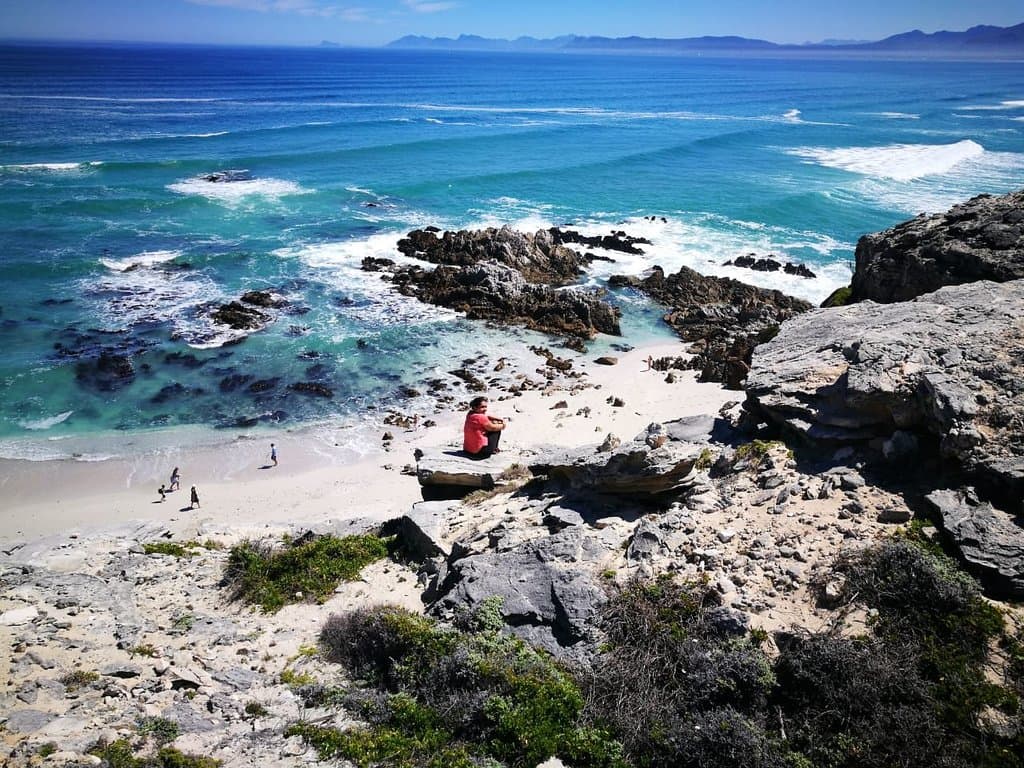
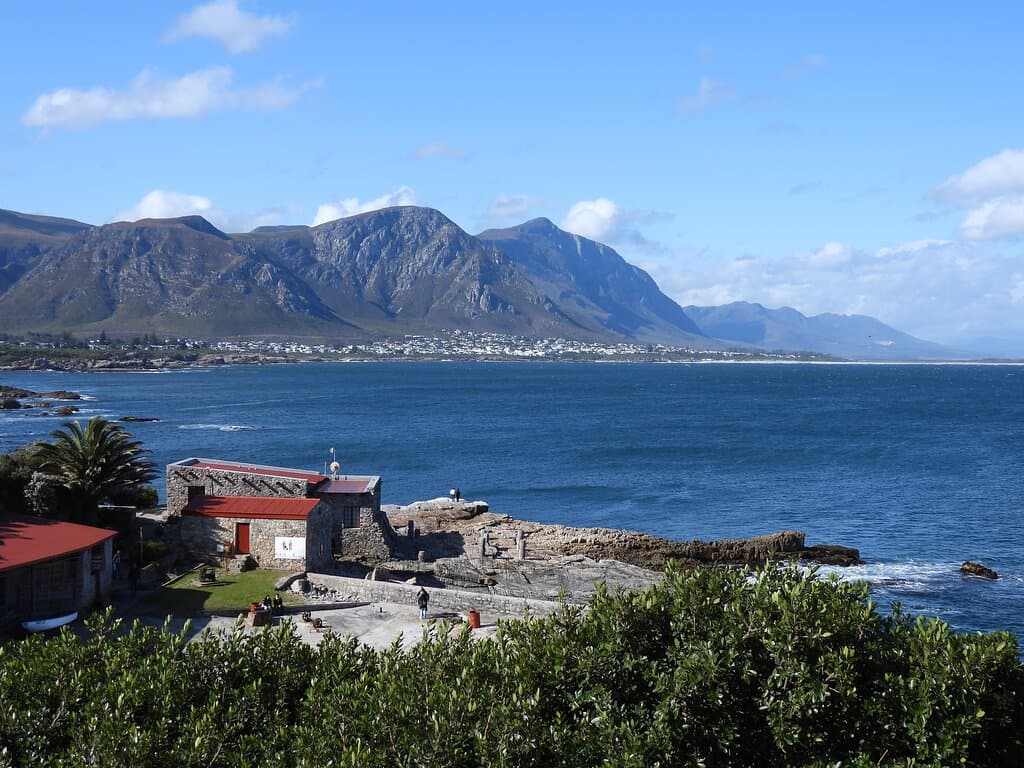
The best photography opportunities are from the boat during your tour. Focus on capturing wildlife in action. The coastline near Gansbaai also offers scenic views.

A telephoto lens (200mm or more) is highly recommended for wildlife. A wide-angle lens can be useful for scenic shots. Consider a waterproof camera or protective casing for your gear.

Yes, most operators allow you to take photos from the boat. If you are in the cage, you'll need a waterproof camera or a camera with a very secure grip.
For Different Travelers

Tailored advice for your travel style

Marine Life Enthusiasts

Dyer Island is a paradise for anyone passionate about marine life. The sheer density and variety of species make it a top destination. Shark cage diving is a must-do for thrill-seekers, while whale watching tours offer a more serene but equally awe-inspiring experience. Don't miss the chance to see African Penguins and Cape Fur Seals up close. Consider booking a tour that focuses on general marine viewing to maximize your chances of spotting dolphins and various seabirds alongside the 'Big Five'.

Adventure Seekers

If you're looking for an adrenaline rush, shark cage diving at Dyer Island is unparalleled. The close encounters with Great White Sharks are an intense and unforgettable experience. Beyond sharks, the boat trips themselves can be exhilarating, especially in choppier seas. For a different kind of adventure, consider combining your visit with other activities in the Overberg region, such as hiking or exploring coastal caves.

Photographers

Dyer Island offers incredible opportunities for wildlife photography. Bring your longest lens for sharks, whales, and seals. The African Penguins are also a joy to photograph, especially when they're waddling on shore or diving into the water. Remember to pack a waterproof camera or protective casing, as sea spray is common. Early morning and late afternoon light often provide the most dramatic shots.

Deep Dives

In-depth insights and expert knowledge

Understanding the Marine Ecosystem

Dyer Island Nature Reserve is a crucial part of the UNESCO Cape Floral Kingdom and a vital marine protected area. Its waters are incredibly rich due to the convergence of two major ocean currents: the warm Agulhas Current and the cold Benguela Current. This creates a nutrient-upwelling zone that supports a vast array of marine life.

The island itself is a breeding ground for African Penguins and a resting spot for Cape Fur Seals. The surrounding waters, particularly the channel between Dyer Island and Geyser Rock, known as Shark Alley, are a prime feeding ground for Great White Sharks. This unique ecosystem makes it one of the best places in the world for marine megafauna viewing.

Conservation efforts are paramount here. The reserve is managed to protect these species from overfishing, pollution, and habitat destruction. Visitors play a role by choosing responsible tour operators who prioritize ethical wildlife viewing and contribute to conservation initiatives.

The Thrill of Shark Cage Diving

For many, the main draw to Dyer Island is the opportunity for shark cage diving. This experience allows visitors to come face-to-face with the magnificent Great White Shark in a controlled and safe environment. Tours depart from nearby Gansbaai, a town globally recognized as the 'Great White Shark Capital of the World'.

Operators use a baited cage that is anchored in Shark Alley. Sharks are attracted to the boat by bait, and then they naturally investigate the cage. Divers enter the cage, which is partially submerged, and observe the sharks as they swim by. It's an adrenaline-pumping experience that offers incredible photographic opportunities and a profound respect for these apex predators.

It's important to choose a reputable operator that prioritizes the welfare of the sharks and adheres to strict safety standards. Many tours also include educational talks about shark behavior and conservation, making it an informative as well as thrilling adventure.

Seasonal Wildlife Spectacles

While Dyer Island offers incredible marine life viewing year-round, certain seasons bring unique spectacles. The most anticipated event is the whale migration, which typically occurs from June to November. During this period, Southern Right Whales travel from their feeding grounds in the Antarctic to the warmer waters of South Africa to breed and calve. Seeing these gentle giants breach and play is an unforgettable sight.

Beyond whales, African Penguins are present year-round, though their breeding season is generally from March to August. Cape Fur Seals are also a constant presence on Geyser Rock, with pups born from late October to December. The presence of Great White Sharks is consistent, but sightings can be more frequent during certain times of the year, often correlating with seal pupping seasons.

Flexibility is key when planning a visit, as marine wildlife sightings are never guaranteed and are heavily dependent on weather and ocean conditions. Booking tours with experienced operators who understand the local marine patterns will significantly increase your chances of a successful and rewarding wildlife encounter.

You may also like