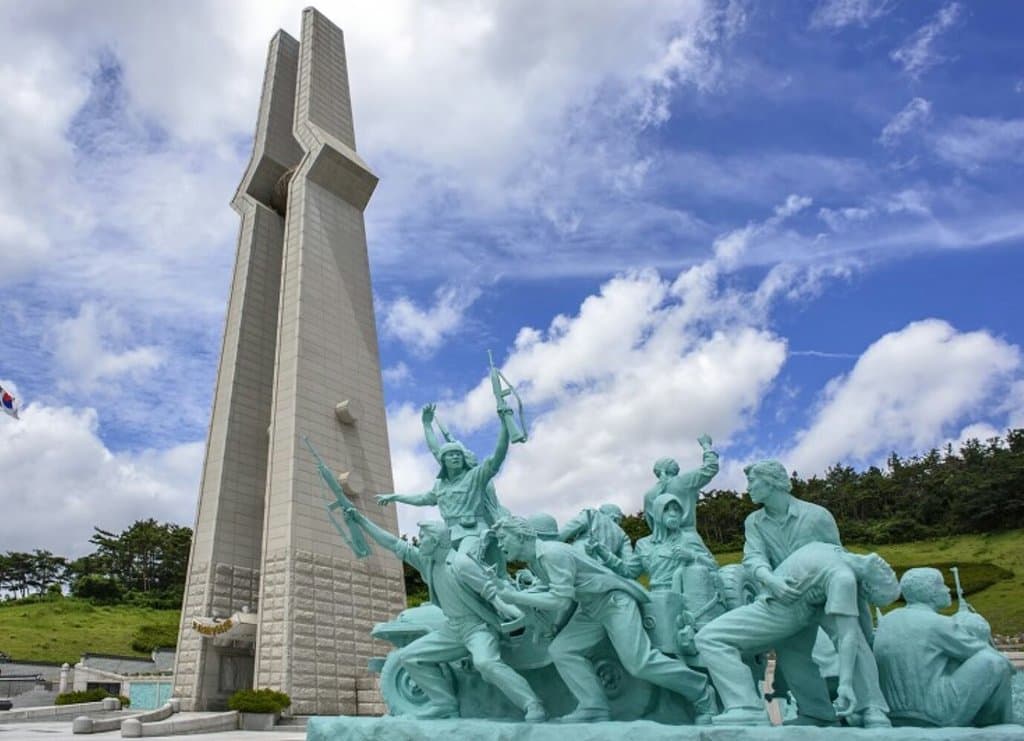
Gwangju Student Independence Movement Memorial Museum
A poignant museum dedicated to the Gwangju Student Independence Movement, a cornerstone of South Korea's fight for democracy.
Highlights
Must-see attractions

Social
From TikTok & Reddit
Best Time
Fewer crowds, more reflection.
Gwangju Student Independence Movement Memorial Museum
Best Time
Fewer crowds, more reflection.
Highlights
Must-see attractions
A poignant museum dedicated to the Gwangju Student Independence Movement, a cornerstone of South Korea's fight for democracy.
"A place where we commemorate and reflect on the sacrifices made for democracy."
Allow Ample Time
The museum is spread across multiple floors; give yourself at least 2-3 hours to explore fully.
Check for Special Events
The venue often hosts performances and activities. Check their schedule before visiting.
Quick Facts
Highlights
Discover the most iconic attractions and experiences
The Main Exhibition Hall
Immerse yourself in the stories and artifacts of the student-led independence movement. A powerful journey through Korean history.
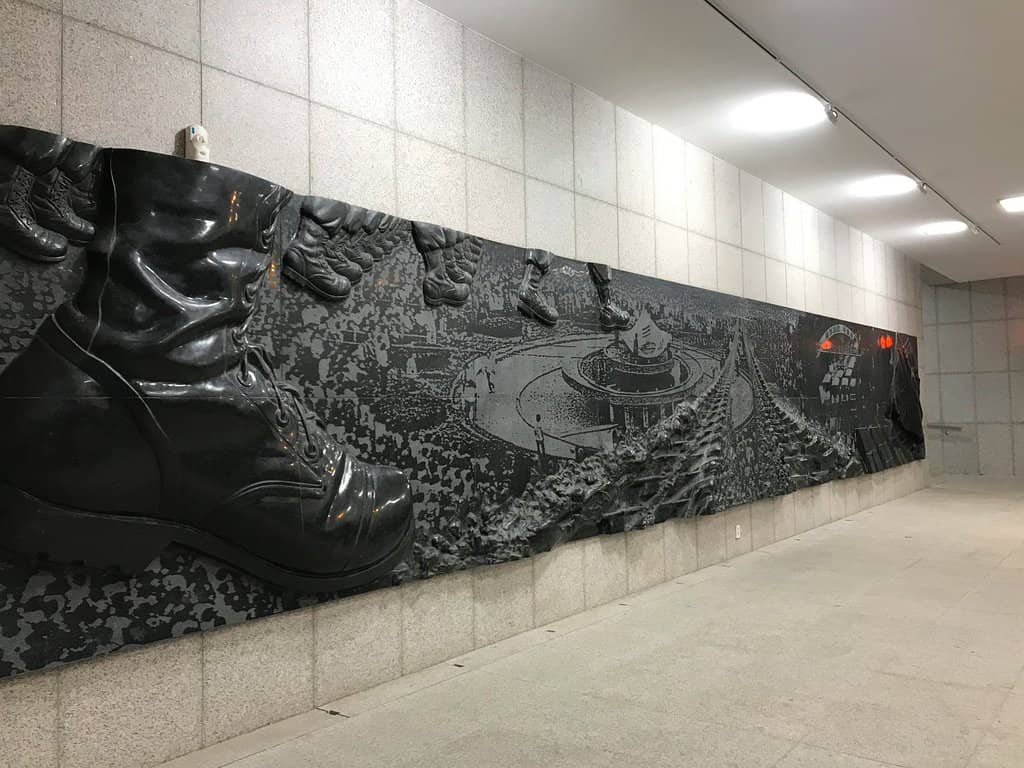
Interactive Displays
Engage with the past through hands-on exhibits that bring the historical events to life for all ages.
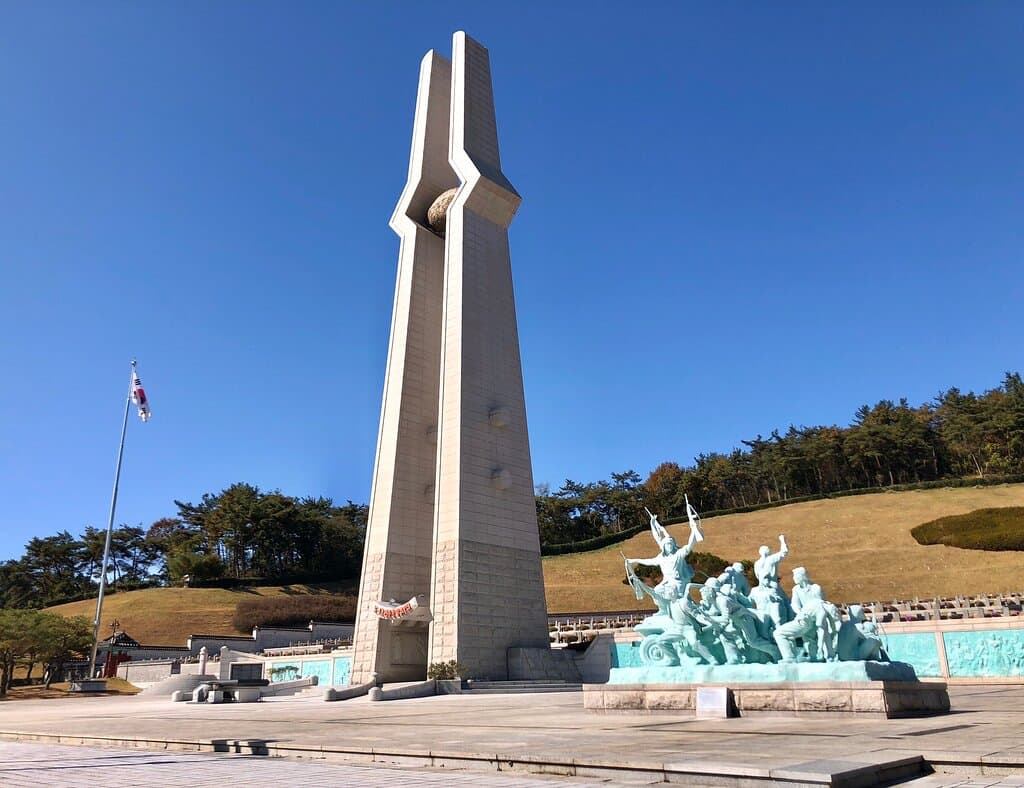
Memorial Park Grounds
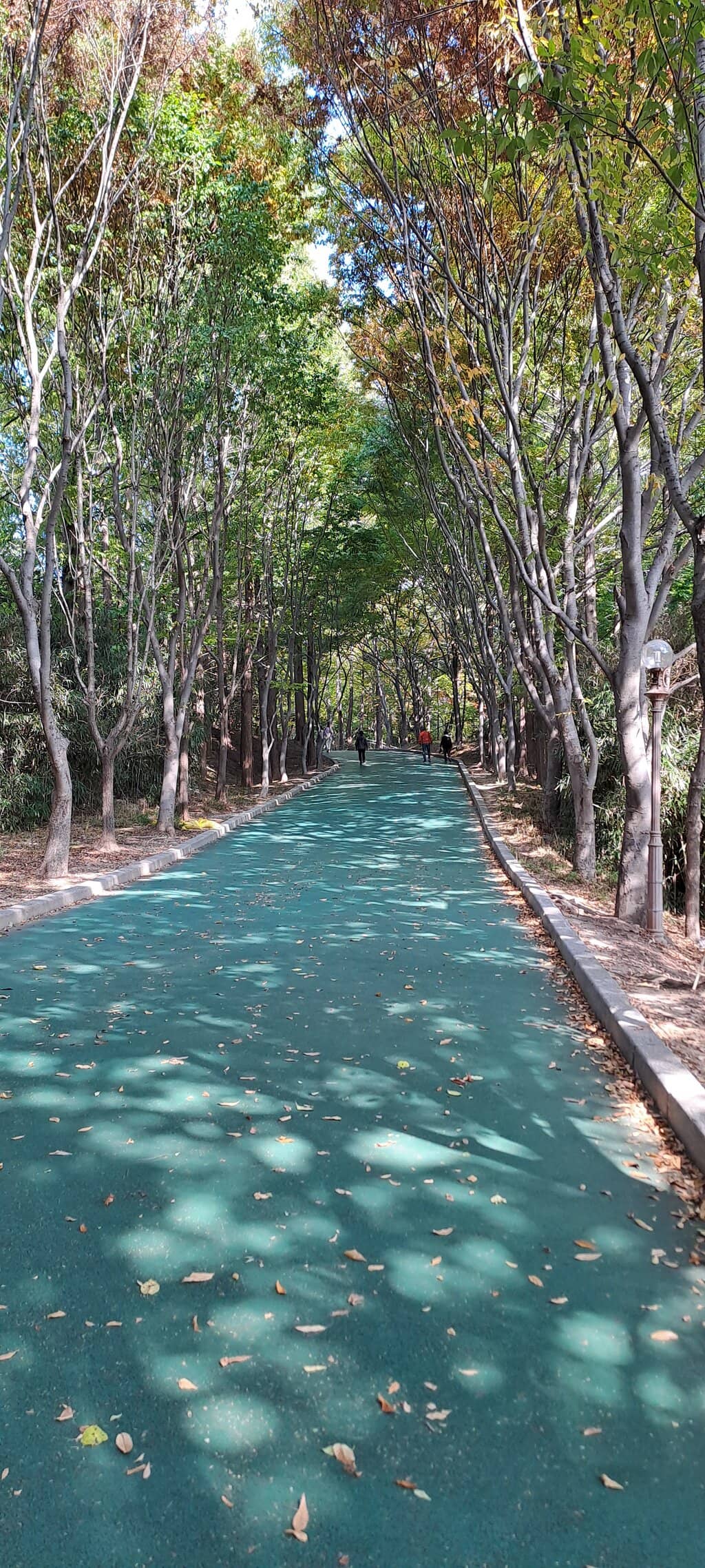
Reflect in the serene outdoor spaces dedicated to remembrance and peace, often connected to other city parks.
Plans like a pro.
Thinks like you
Planning Your Visit
Understand the Historical Context
Plan Your Visit Around Gwangju's Charm
Best Times
Insider Tips
from TikTok, Instagram & Reddit
Allow Ample Time
The museum is spread across multiple floors; give yourself at least 2-3 hours to explore fully.
Check for Special Events
The venue often hosts performances and activities. Check their schedule before visiting.
Combine with Park Visits
The museum grounds connect to walking trails and libraries, perfect for a combined outing.
Consider Gwangju's Pace
Gwangju is known for its slower pace compared to Seoul. Embrace it!
Tips
from all over the internet
Allow Ample Time
The museum is spread across multiple floors; give yourself at least 2-3 hours to explore fully.
Check for Special Events
The venue often hosts performances and activities. Check their schedule before visiting.
Combine with Park Visits
The museum grounds connect to walking trails and libraries, perfect for a combined outing.
Consider Gwangju's Pace
Gwangju is known for its slower pace compared to Seoul. Embrace it!
What Travellers Say
Reviews Summary
Visitors find the museum a comfortable and quiet place, often appreciating the convenient parking and the connection to study areas. It's recognized as a significant memorial space that prompts reflection on historical events and societal progress. While some find the exhibits spread out, the overall experience is considered valuable for understanding Korean history.
"Good place"
db n person
"The library is comfortable inside! Parking is convenient! The surroundings are quiet! It's great for studying."
김현주
"The venue is large and often hosts performances and various activities. This year, there's a Chinese language competition here on November 24th! We hope all Chinese language enthusiasts will come and participate!"
霍艳
What People Like
What People Dislike
Frequently Asked Questions
🚇 🗺️ Getting There
The museum is accessible via public transport. While Gwangju has only one subway line, it's quite straightforward. Many visitors find it a pleasant 2.5-hour journey from Seoul. Parking is also noted as convenient.
The museum is located at 14-10 Jiho-ro 164beon-gil, Dong-gu, Gwangju, South Korea. It's a significant landmark within the city.
Gwangju has a single subway line, making navigation simpler than in larger cities. Taxis and buses are also available for reaching various attractions.
🎫 🎫 Tickets & Entry
Information regarding admission fees is not explicitly detailed in the provided sources. However, many memorial museums in South Korea offer free or very low-cost entry. It's advisable to check the official website or contact the museum directly for the most current pricing.
Specific opening hours are not detailed in the provided content. It's recommended to check the museum's official website or local listings for the most up-to-date information on operating hours and any potential closures.
Advance booking information is not available in the provided sources. Given the nature of the museum, it's likely that tickets can be purchased on-site. For group visits or special events, contacting the museum in advance might be beneficial.
While not explicitly stated, many modern South Korean museums strive for accessibility. The museum's multi-floor layout might present challenges, but it's worth inquiring directly about specific facilities like elevators or ramps.
🎫 🏛️ Onsite Experience
The museum features exhibits detailing the Gwangju Student Independence Movement, a significant event in South Korea's democratic struggle. You can expect artifacts, historical accounts, and potentially interactive displays.
Visitors recommend allocating at least 2-3 hours to fully explore the museum, as it is spread across multiple floors and offers a comprehensive look at the historical events.
Yes, the museum grounds are often connected to memorial parks and libraries, offering opportunities for reflection and further exploration. Gwangju National Museum is also a nearby cultural attraction.
The museum's content is historical and deals with significant events. While educational, parents should consider the maturity level of their children. Interactive displays may engage younger visitors.
The museum is a place of remembrance and historical significance. While some areas might be quiet and contemplative, the interactive elements can also be engaging.
📸 📸 Photography
Photography policies can vary. Typically, non-flash photography is allowed in general exhibition areas, but specific restrictions may apply to certain artifacts or special exhibits. It's best to look for signage or ask museum staff.
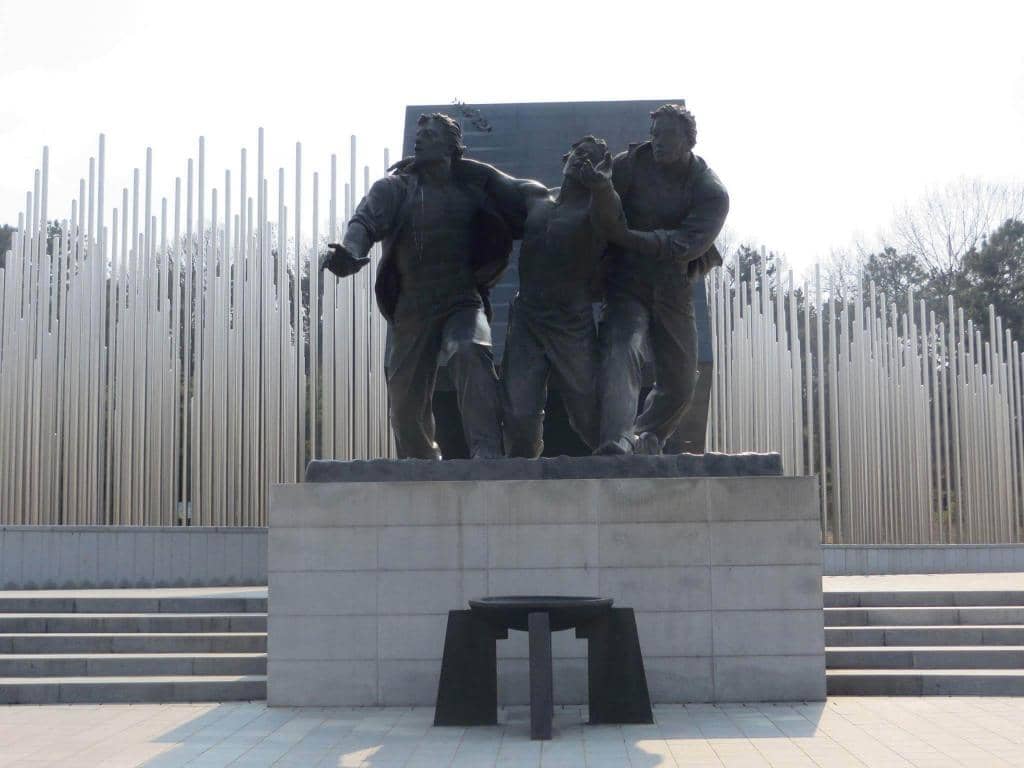
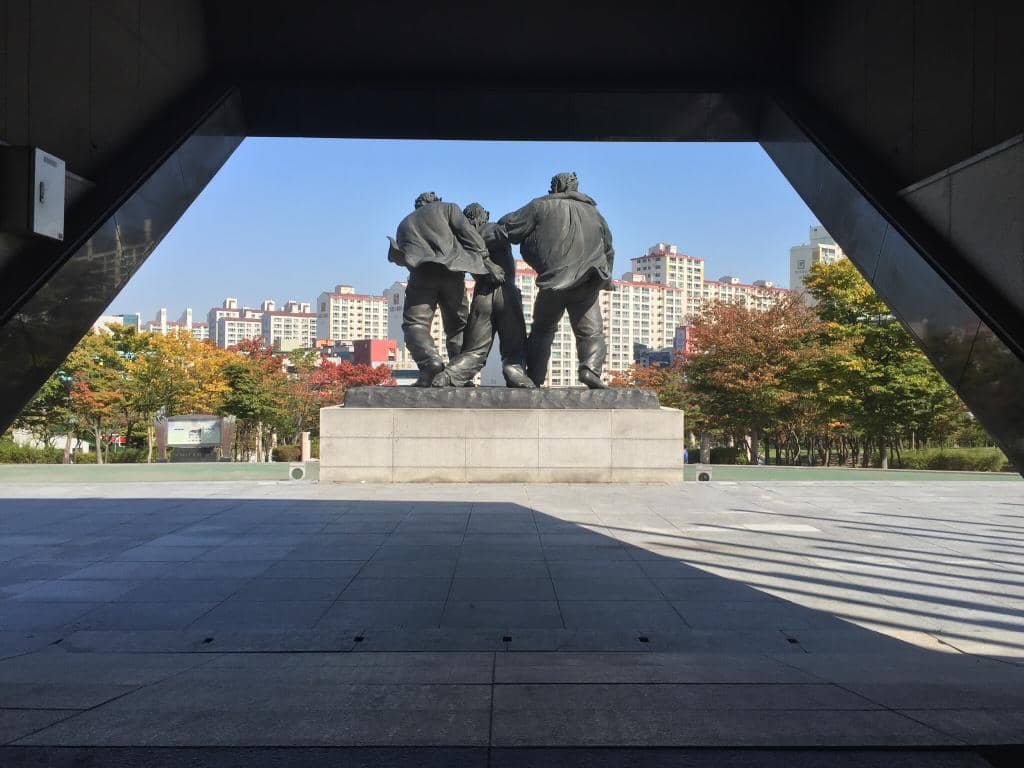
The memorial park grounds offer scenic opportunities for photography, especially during pleasant weather. The architecture of the museum itself might also be photogenic.
The museum and its surrounding parks are dedicated to commemorating the Gwangju Uprising. Capturing the solemnity of the memorial sites can be a powerful photographic subject.



Social
from TikTok, Instagram & Reddit