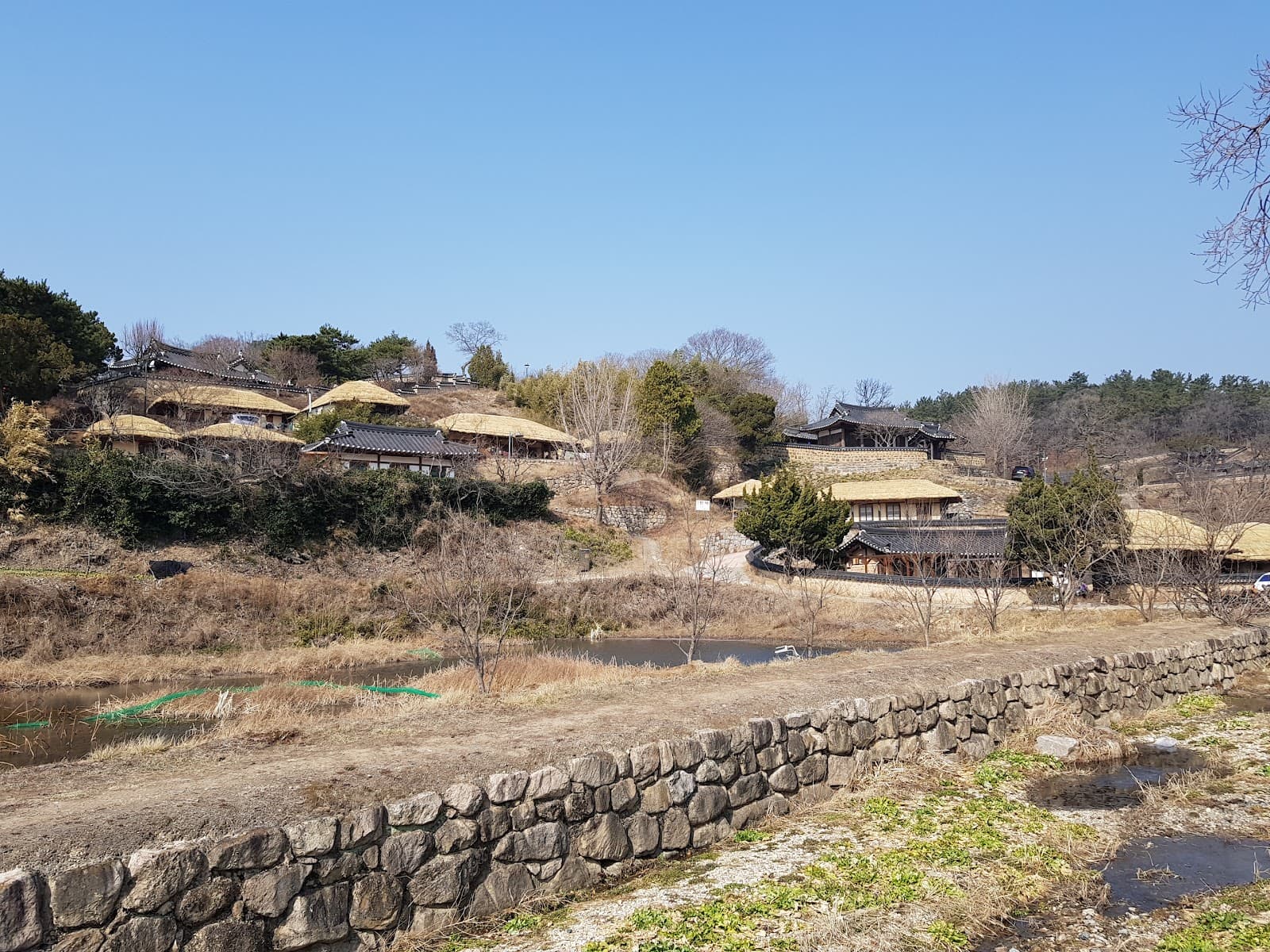
Yangdong Folk Village
Step back in time at Yangdong Folk Village, a UNESCO World Heritage site preserving Joseon Dynasty life and architecture.
Highlights
Must-see attractions

Social
From TikTok & Reddit
Best Time
Fewer crowds, peaceful atmosphere
Yangdong Folk Village
Best Time
Fewer crowds, peaceful atmosphere
Highlights
Must-see attractions
Step back in time at Yangdong Folk Village, a UNESCO World Heritage site preserving Joseon Dynasty life and architecture.
👟 Wear Comfortable Shoes
You'll be walking a lot on uneven paths. Prioritize comfort for exploring this historic village.
⏰ Visit on Weekdays
Avoid weekend crowds for a more serene and authentic experience.
Quick Facts
Highlights
Discover the most iconic attractions and experiences
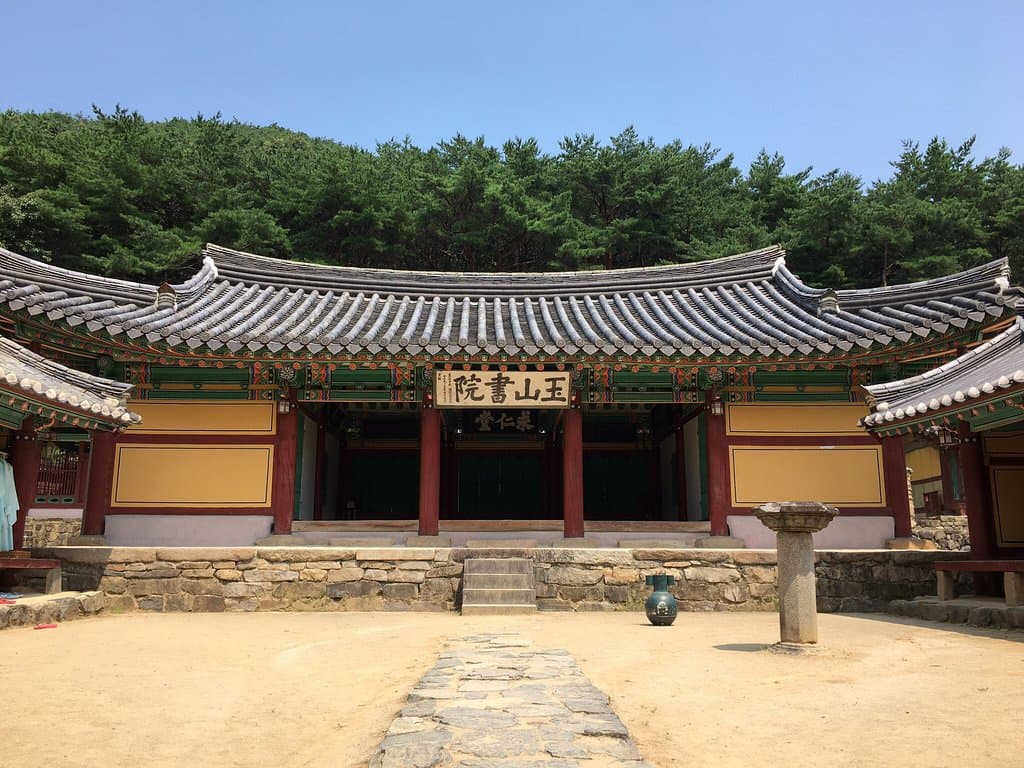
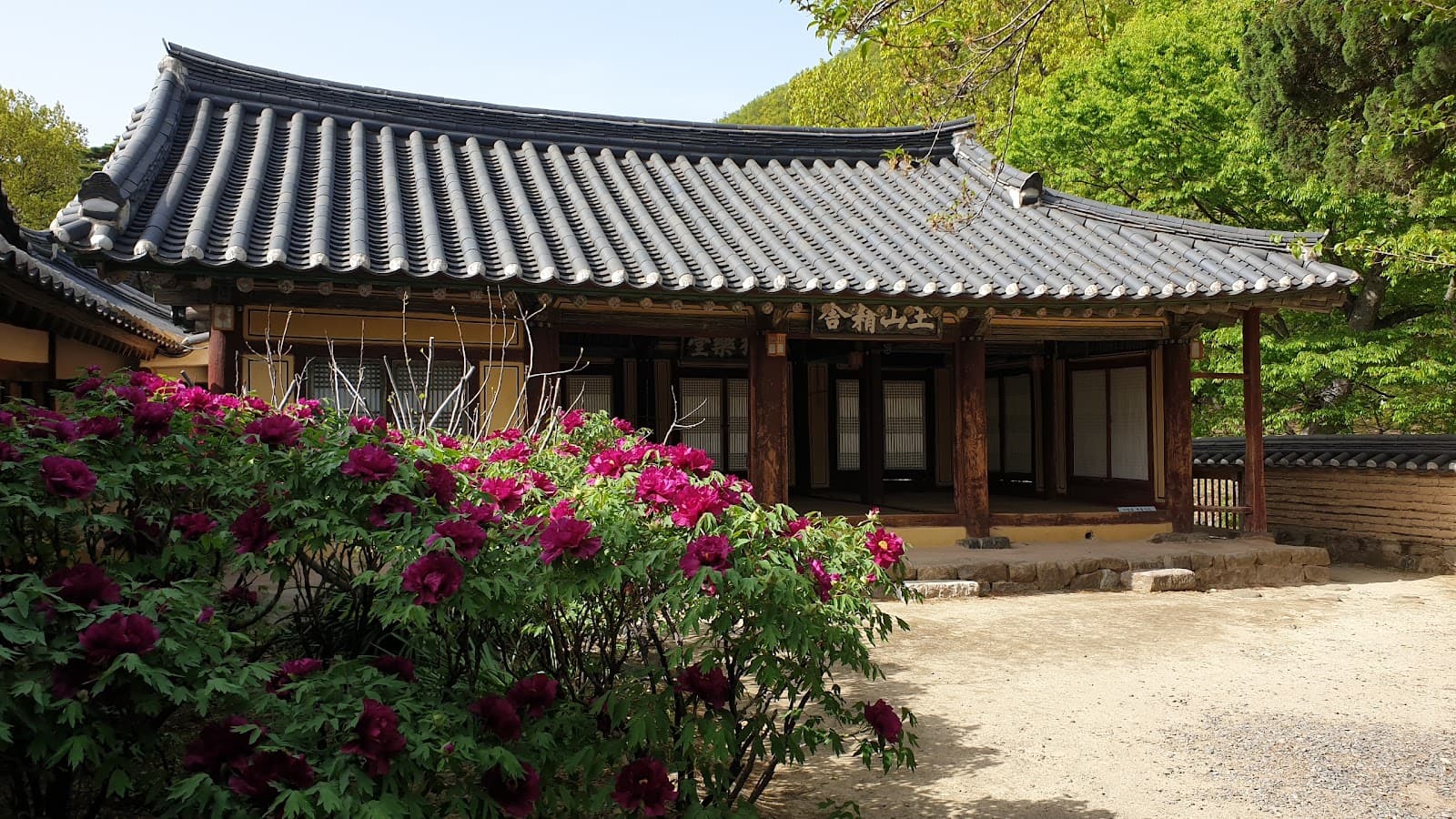
Joseon Dynasty Architecture
Throughout the village
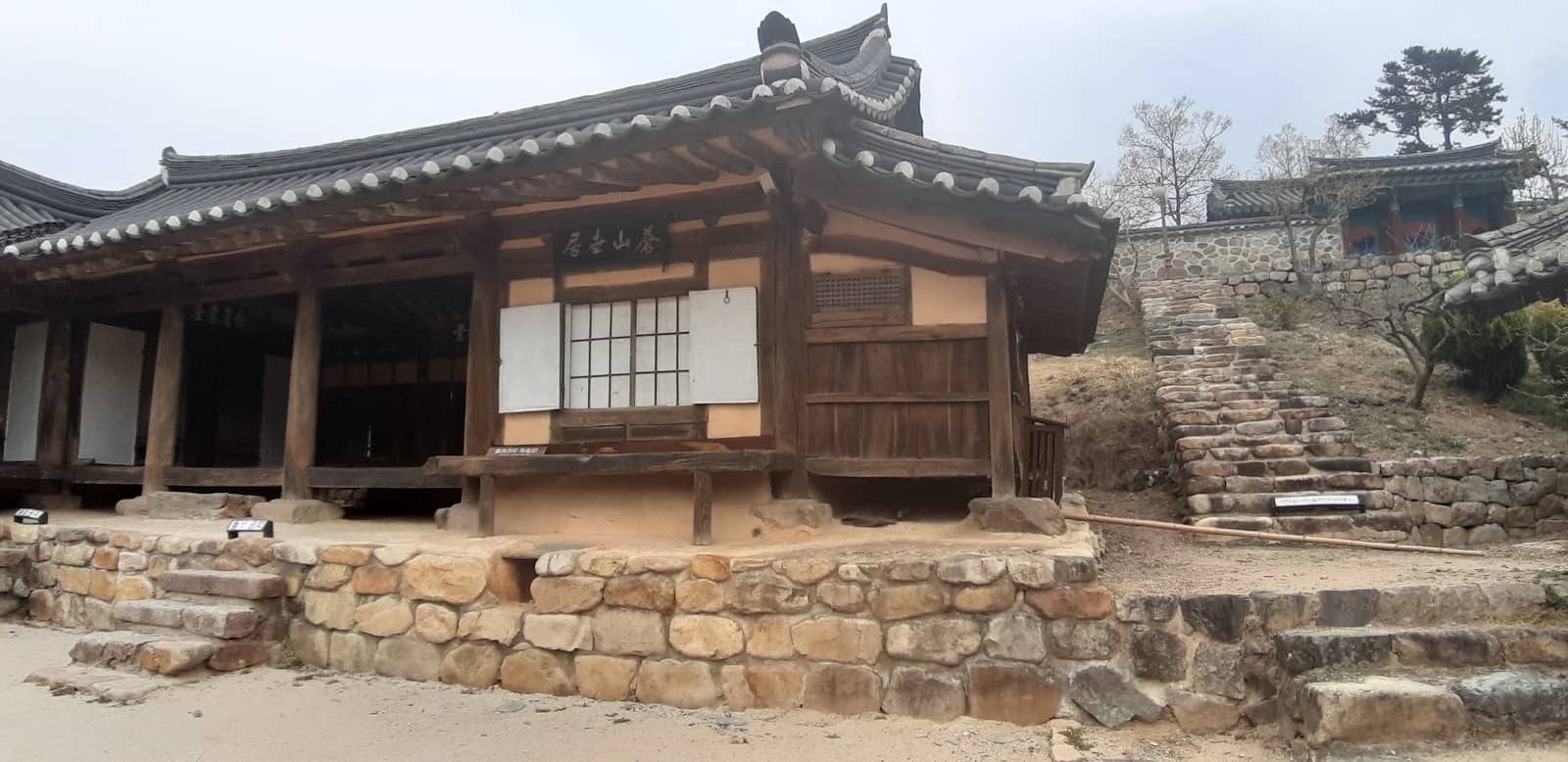
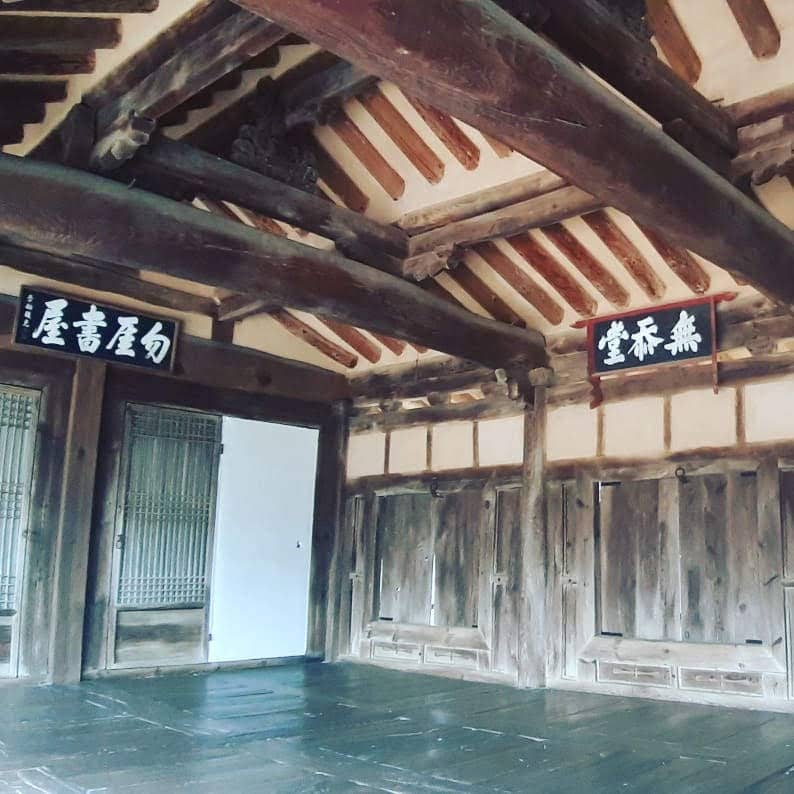
Wander through centuries-old homes and experience the grandeur of traditional Korean architecture.
Seongseol-dang House
Central village area
Admire the elegant beauty of this well-preserved noble house, a prime example of aristocratic life.
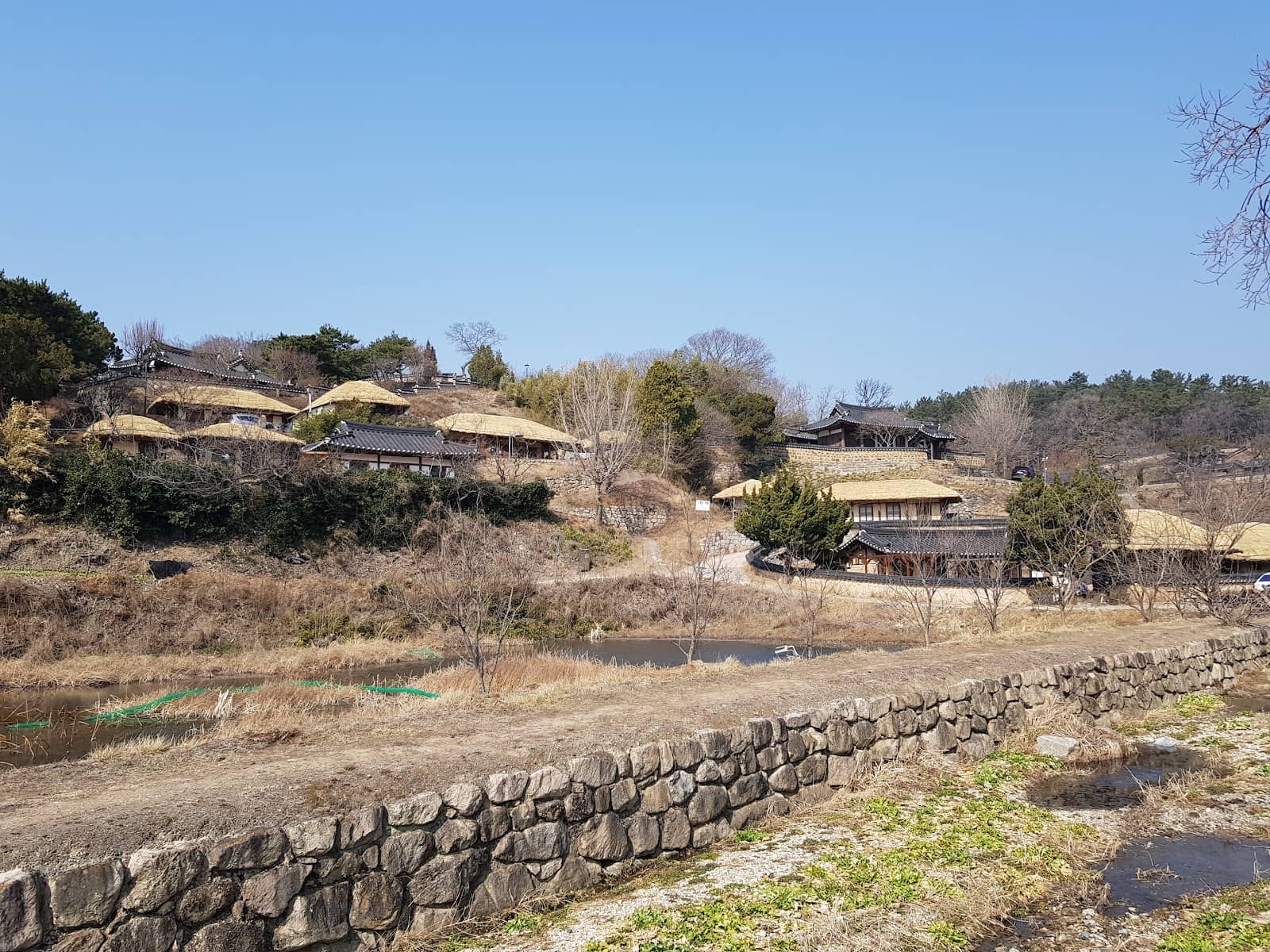
Scenic River and Mountain Views
Village outskirts
Enjoy the picturesque setting of the village nestled amidst rolling hills and a tranquil river.
Plans like a pro.
Thinks like you
Planning Your Visit
Timing is Key for a Peaceful Visit
Embrace the Living History
Best Times
Insider Tips
from TikTok, Instagram & Reddit
👟 Wear Comfortable Shoes
You'll be walking a lot on uneven paths. Prioritize comfort for exploring this historic village.
⏰ Visit on Weekdays
Avoid weekend crowds for a more serene and authentic experience.
📸 Capture the Charm
The village offers stunning photo opportunities, especially during golden hour.
🚶♀️ Respect Residents
Remember this is a living village. Be mindful of privacy and quiet.
Tips
from all over the internet
👟 Wear Comfortable Shoes
You'll be walking a lot on uneven paths. Prioritize comfort for exploring this historic village.
⏰ Visit on Weekdays
Avoid weekend crowds for a more serene and authentic experience.
📸 Capture the Charm
The village offers stunning photo opportunities, especially during golden hour.
🚶♀️ Respect Residents
Remember this is a living village. Be mindful of privacy and quiet.
What Travellers Say
Reviews Summary
Visitors consistently praise Yangdong Folk Village for its authentic preservation of Joseon Dynasty architecture and its serene, living atmosphere. Many appreciate the opportunity to step back in time and experience traditional Korean culture firsthand. Some note that the village can be quite spread out and requires comfortable footwear for exploration.
What People Like
What People Dislike
Frequently Asked Questions
🚇 🗺️ Getting There
The most common way to reach Yangdong Folk Village from Gyeongju is by bus. Take bus number 203 from Gyeongju Bus Terminal or Gyeongju Station. The journey takes approximately 40-50 minutes. Some travelers also opt for taxis for convenience, though this will be more expensive.
Yes, Yangdong Folk Village is accessible by public transport via local buses from Gyeongju city. Bus number 203 is the primary route. Ensure you check the latest bus schedules as they can vary.
Yes, driving is an option, and there is parking available at the village. This can be a convenient choice if you are traveling by car or have rented one.
The village is best explored on foot. Wear comfortable shoes as you'll be walking on traditional paths. Consider renting a bike if available for a different perspective, though walking allows for a more immersive experience.
Yes, guided tours are often available, especially for international visitors. Some local tour operators in Gyeongju offer private tours that include Yangdong Folk Village.
🎫 🎫 Tickets & Entry
Yes, there is an admission fee to enter Yangdong Folk Village. The fee is relatively modest and contributes to the preservation of this UNESCO World Heritage site. It's advisable to check the official website for the most current ticket prices and operating hours.
Yangdong Folk Village typically opens in the morning and closes in the late afternoon or early evening. Hours can vary seasonally, so it's best to confirm the exact times before your visit.
Yes, Yangdong Folk Village is generally open year-round. However, operating hours might be adjusted during public holidays or for specific events.
Discounts may be available for certain groups such as children, seniors, or individuals with disabilities. It's recommended to inquire about potential discounts when purchasing your ticket or check the official website.
No, an entrance fee is required to access the main areas of Yangdong Folk Village as it is a protected heritage site. This fee helps in maintaining the historical integrity of the village.
📸 📸 Photography
The entire village is incredibly photogenic! Key spots include the traditional tiled-roof houses (giwajip), thatched-roof houses (chogajip), the scenic riverbanks, and the winding alleyways. The Seongseol-dang house and its surroundings are particularly picturesque.
Photography is generally allowed in the outdoor areas and courtyards of the traditional houses. However, inside the residential areas, it's best to be discreet and respectful, as people still live there. Always look for signage or ask permission if unsure.
Early morning or late afternoon, especially during the 'golden hour,' offers the most beautiful light for photography. The soft light enhances the textures of the traditional buildings and creates a magical atmosphere.
Drone usage is typically restricted in heritage sites and residential areas to protect the privacy of residents and preserve the historical environment. It's advisable to check with the village administration or local authorities before attempting to fly a drone.
A versatile lens like a 24-70mm is great for capturing both wide shots of the village and details of the architecture. A prime lens (e.g., 50mm) can also be useful for portraits and isolating architectural elements. Don't forget a wide-angle lens for sweeping landscapes.
🎫 🚶♀️ Onsite Experience
To fully appreciate the village, allocate at least 2-3 hours. This allows time for leisurely walking, exploring different areas, and taking photos. If you plan to visit other nearby attractions in Gyeongju, you might need to adjust your schedule.
There are usually a few small eateries or tea houses within or near the village offering traditional Korean snacks and drinks. However, options can be limited, so it's a good idea to bring some water and snacks, especially during warmer months.
Yangdong Folk Village has many uneven paths, dirt trails, and some inclines, which can be challenging for visitors with mobility issues. While some areas are more accessible, a full exploration might be difficult. Consider a shorter visit focusing on the flatter sections.
Yangdong Folk Village is a UNESCO World Heritage site recognized for its exceptional preservation of Joseon Dynasty-era architecture and its unique clan-based village structure. It offers a glimpse into the traditional Confucian way of life in Korea. 
While it's a living village, direct interaction with residents is generally limited to polite greetings. It's important to respect their privacy and not intrude on their daily lives. Some residents might offer insights if approached respectfully.






Social
from TikTok, Instagram & Reddit