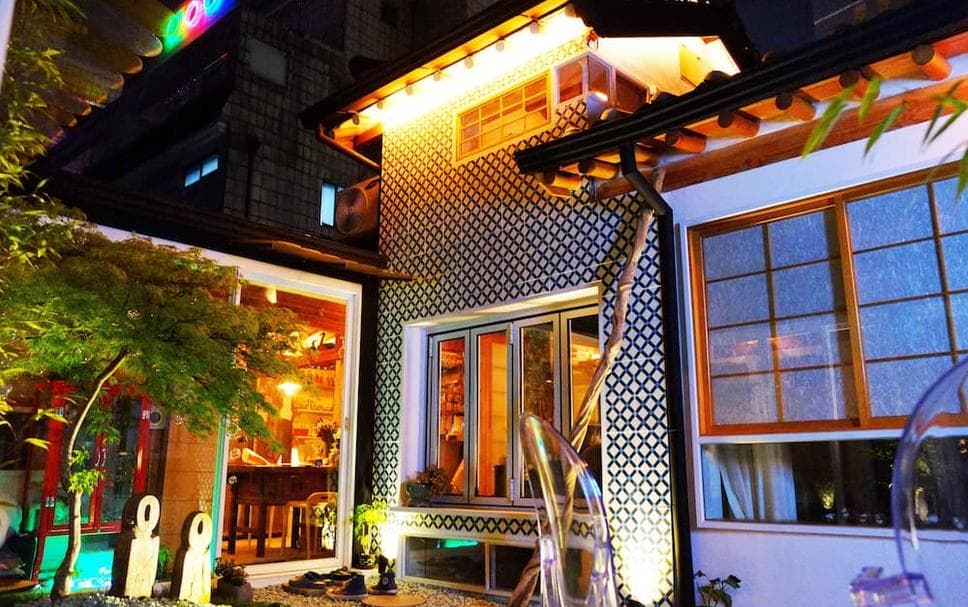
Hanok Stays Korea
Experience authentic Korean living in a traditional hanok, blending historic charm with modern comfort for a unique cultural stay.
Highlights
Must-see attractions

Social
From TikTok & Reddit
Best Time
Pleasant weather, beautiful scenery
Hanok Stays Korea
Best Time
Pleasant weather, beautiful scenery
Highlights
Must-see attractions
Experience authentic Korean living in a traditional hanok, blending historic charm with modern comfort for a unique cultural stay.
"By far the most beautiful place I’ve ever stayed at in Seoul."
Book in Advance! 📅
Popular hanok stays, especially unique ones, get booked quickly. Reserve your spot early!
Embrace the Culture 🎑
Many hanoks offer traditional experiences like tea ceremonies. Ask your host!
Quick Facts
Rating
5 · 2 reviews
Type
Bed & Breakfast
Highlights
Discover the most iconic attractions and experiences
Bukchon Hanok Village Charm
Seoul
Wander through picturesque alleys lined with beautifully preserved traditional Korean houses.
Eunpyeong Hanok Village Views
Seoul
Experience a serene hanok stay with stunning city and mountain vistas.
Gyeongju's Historic Hanoks
Gyeongju
Immerse yourself in the ancient Silla capital by staying in a traditional hanok.
Jeonju's Hanok Immersion
Jeonju
Step back in time in one of Korea's most well-preserved traditional villages.
Plans like a pro.
Thinks like you
Planning Your Visit
Embrace Tradition: Hanok Stays
Location, Location, Location
Best Times
Insider Tips
from TikTok, Instagram & Reddit
Book in Advance! 📅
Popular hanok stays, especially unique ones, get booked quickly. Reserve your spot early!
Embrace the Culture 🎑
Many hanoks offer traditional experiences like tea ceremonies. Ask your host!
Check Amenities 🛁
While traditional, most hanoks have modern AC and heating for comfort.
Respect Quiet Hours 💁
Some hanok villages are residential. Be mindful of noise, especially at night.
Tips
from all over the internet
Book in Advance! 📅
Popular hanok stays, especially unique ones, get booked quickly. Reserve your spot early!
Embrace the Culture 🎑
Many hanoks offer traditional experiences like tea ceremonies. Ask your host!
Check Amenities 🛁
While traditional, most hanoks have modern AC and heating for comfort.
Respect Quiet Hours 💁
Some hanok villages are residential. Be mindful of noise, especially at night.
Location is Key 📍
Choose a hanok near attractions or subway stations for easy exploration.
What Travellers Say
Reviews Summary
Travelers rave about the unique cultural immersion and cozy atmosphere of hanok stays, often describing them as beautiful and transporting. The blend of traditional architecture with modern comforts is a major highlight, offering a peaceful escape. However, some visitors note that certain popular hanok villages can be crowded, and respecting residential quiet hours is important.
"Awesome place to relax and drink coffee. You have a private room to stay in, very cozy with AC, and the macadamia coffee is amazing, and the Korean nachos are very tasty.
Excellent place to have macadamia coffee and bread. You have a private room to enjoy your drinks and food. My wife loved the Jeju Ale."
luis wero
""
Kivanc Gungor
What People Like
What People Dislike
Frequently Asked Questions
🚇 🗺️ Getting There
Seoul's hanok villages like Bukchon and Eunpyeong are easily accessible by subway. Bukchon is near Anguk Station (Line 3), and Eunpyeong is accessible via Yeonsinnae Station (Lines 3 & 6). Many hanok stays are also conveniently located near subway lines and bus stops, making travel around Seoul straightforward. +1
Yes, South Korea has an excellent high-speed rail network (KTX) connecting major cities like Seoul, Gyeongju, and Jeonju. This makes it convenient to experience hanok stays in different regions during one trip. +1
From Seoul, you can take the KTX to Singyeongju Station and then a local bus or taxi to the Gyeongju Hanok Village area. Many hanok accommodations in Gyeongju are centrally located near main attractions.
Generally, yes. Most popular hanok stay locations are well-served by public transport, including subways and buses, making it easy to reach them from airports and city centers.
Hanok villages are best explored on foot due to their narrow alleys and preserved nature. Some may have limited vehicle access, so walking is the most immersive way to experience them.
🎫 🎫 Tickets & Entry
Generally, entering popular hanok villages like Bukchon and Eunpyeong is free. However, if you choose to stay in a hanok accommodation, you will need to book your stay. Some specific attractions within or near these villages might have separate entrance fees. +1
Prices vary widely. Budget-friendly options can be found for around $90 per night, while more luxurious or unique hanok stays can range from $150 to $300 or more. Prices depend on location, amenities, and season. +1
If you book through platforms like Airbnb, standard booking fees may apply. Direct bookings with some hanok guesthouses might avoid these fees, but always check their policies. +1
Check-in and check-out times are similar to hotels, usually around 3 PM for check-in and 11 AM for check-out. It's always best to confirm with your specific accommodation provider.
Absolutely! Many visitors explore hanok villages during the day as a cultural experience, even if they are staying in a modern hotel. This allows you to see the architecture and soak in the atmosphere.
🎫 🧭 Onsite Experience
Staying in a hanok offers a unique blend of tradition and comfort. You'll sleep on ondol (heated floors) with traditional bedding, enjoy the minimalist aesthetic, and experience a peaceful atmosphere. Many modern hanoks are beautifully renovated with contemporary amenities. +2
Yes, many hanok stays are family-friendly. The unique environment can be exciting for children, and some accommodations offer spacious rooms. It's a great way to introduce kids to Korean culture.
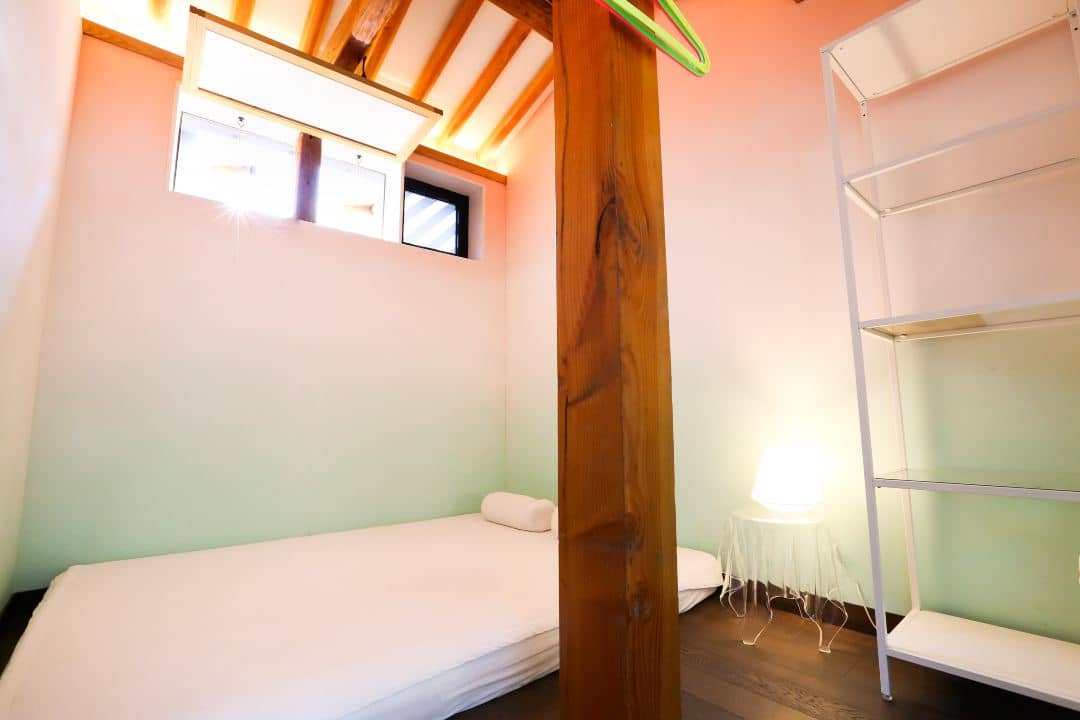
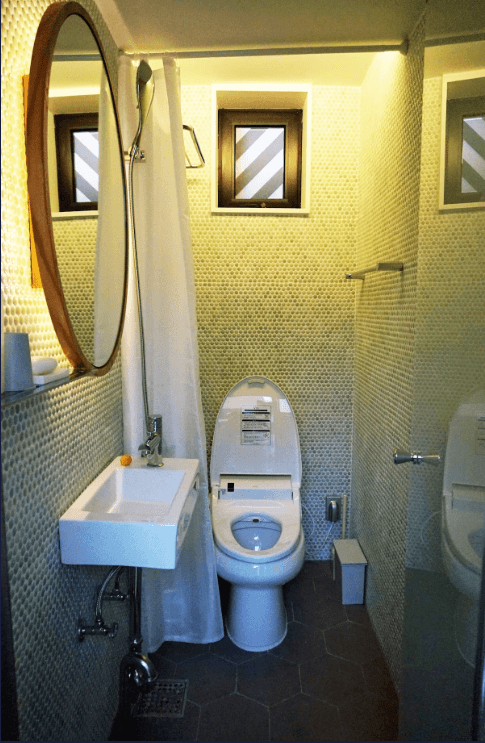
Expect traditional features like ondol heating, wooden beams, and paper doors. Modern amenities often include air conditioning, Wi-Fi, private bathrooms, and sometimes kitchenettes. +1
While some hanok villages can be busy during the day, especially popular ones like Bukchon, they tend to become quieter in the evenings. Staying in a well-insulated hanok can minimize noise disturbances.
Comfortable walking shoes are essential as you'll be doing a lot of walking. Dress in layers as the weather can change. Respectful attire is appreciated, especially when visiting residential areas.
📸 📸 Photography
Wander through the alleys, capture the unique architecture, traditional rooflines, and courtyards. Early mornings or late afternoons offer softer light and fewer crowds for stunning shots. +1
You can take photos of your own hanok accommodation to document your stay. However, always be respectful of the property and any private spaces. If you're visiting a village, be mindful of residents' privacy.
While generally allowed, be discreet and respectful. Avoid intrusive photography, especially of residents. Some areas might have specific signage regarding photography.
Golden hour (early morning and late afternoon) provides beautiful, soft light that enhances the traditional atmosphere. Weekdays also tend to be less crowded, offering better photo opportunities.
A versatile lens (like a 24-70mm) is great for capturing both wide architectural shots and details. A smartphone with good low-light capabilities can also capture excellent images.
Social
from TikTok, Instagram & Reddit