
Haeinsa Temple
Home to the Tripitaka Koreana, a UNESCO World Heritage site, Haeinsa Temple offers profound spiritual depth amidst stunning mountain scenery.

Highlights
Must-see attractions

Social
From TikTok & Reddit
Best Time
Peaceful atmosphere, fewer crowds
Haeinsa Temple
Best Time
Peaceful atmosphere, fewer crowds
Highlights
Must-see attractions
Home to the Tripitaka Koreana, a UNESCO World Heritage site, Haeinsa Temple offers profound spiritual depth amidst stunning mountain scenery.
"A wonderful, must-see experience! The mountain scenery is idyllic, and the temple complex is very beautiful."
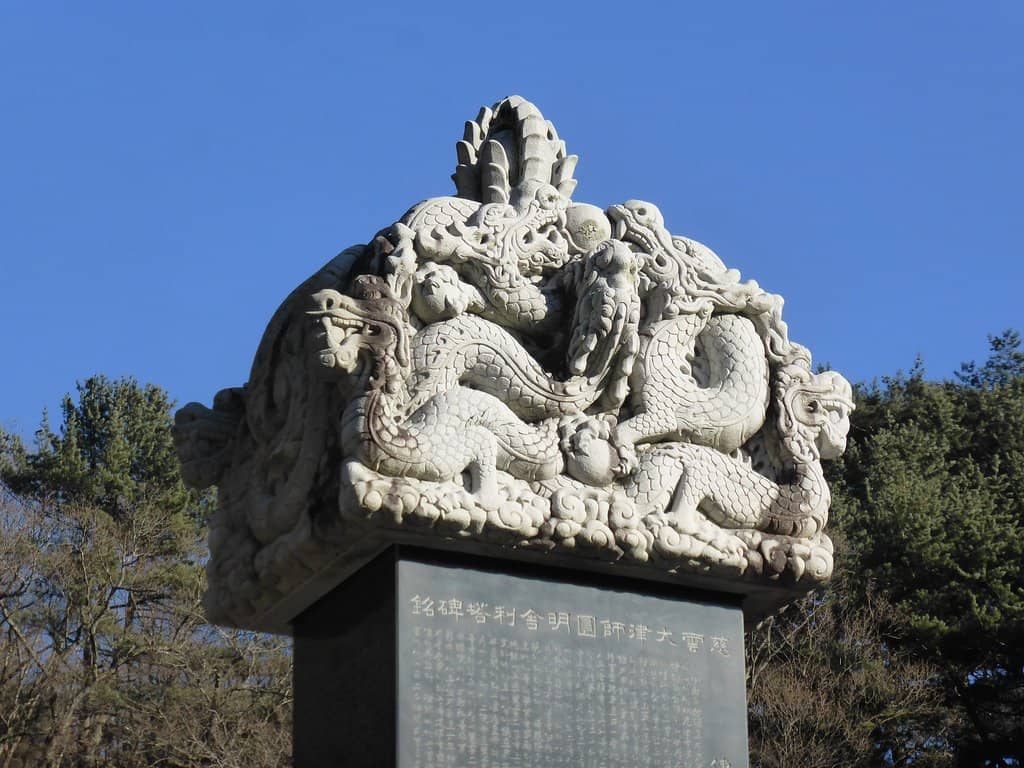
🚶♀️ Walk to the Temple
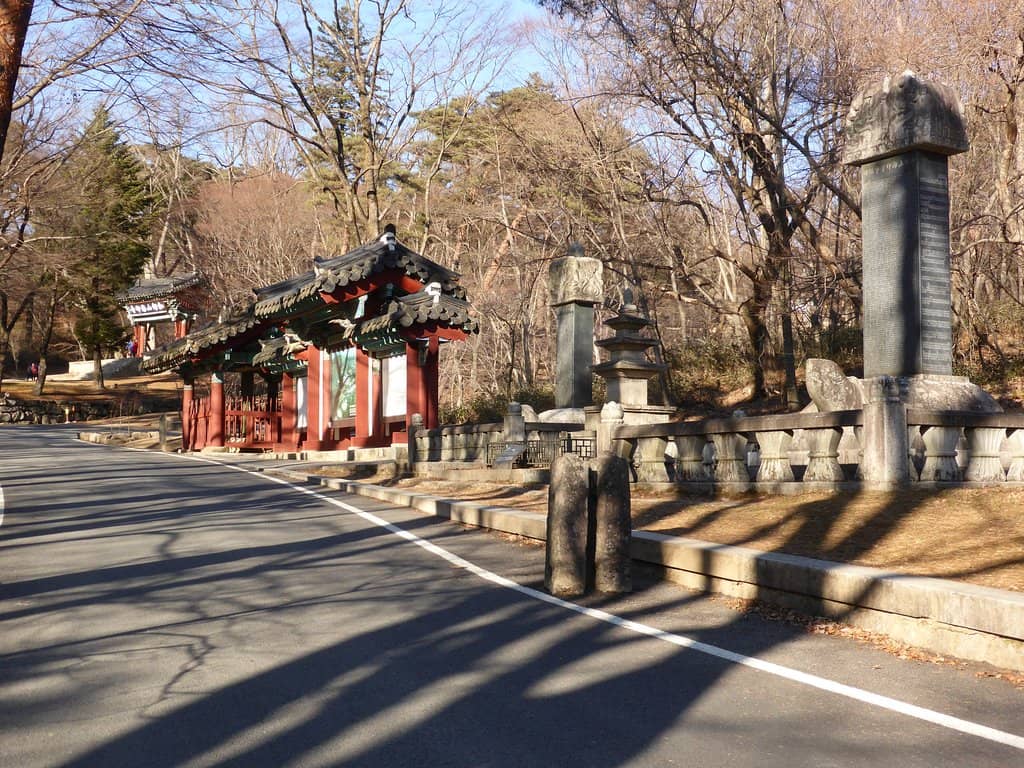
Enjoy a scenic 20-minute walk through pine trees and along a rocky river to reach the temple. :athletic_shoe:
💧 Drink the Well Water
The potable well water on temple grounds is clean, refreshing, and tastes great! :droplet:
Quick Facts
Hours
Rating
4.3 · 1,175 reviews
Type
Museum
Highlights
Discover the most iconic attractions and experiences
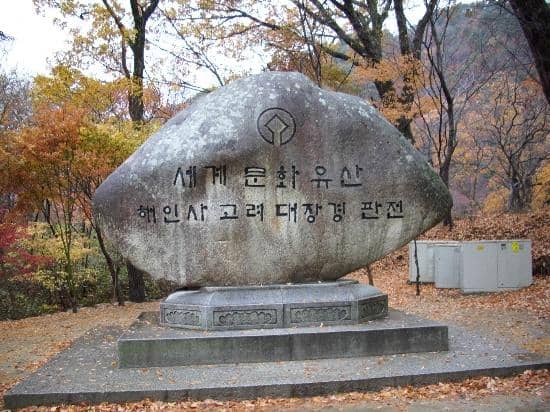
Tripitaka Koreana
Janggyeong Panjeon
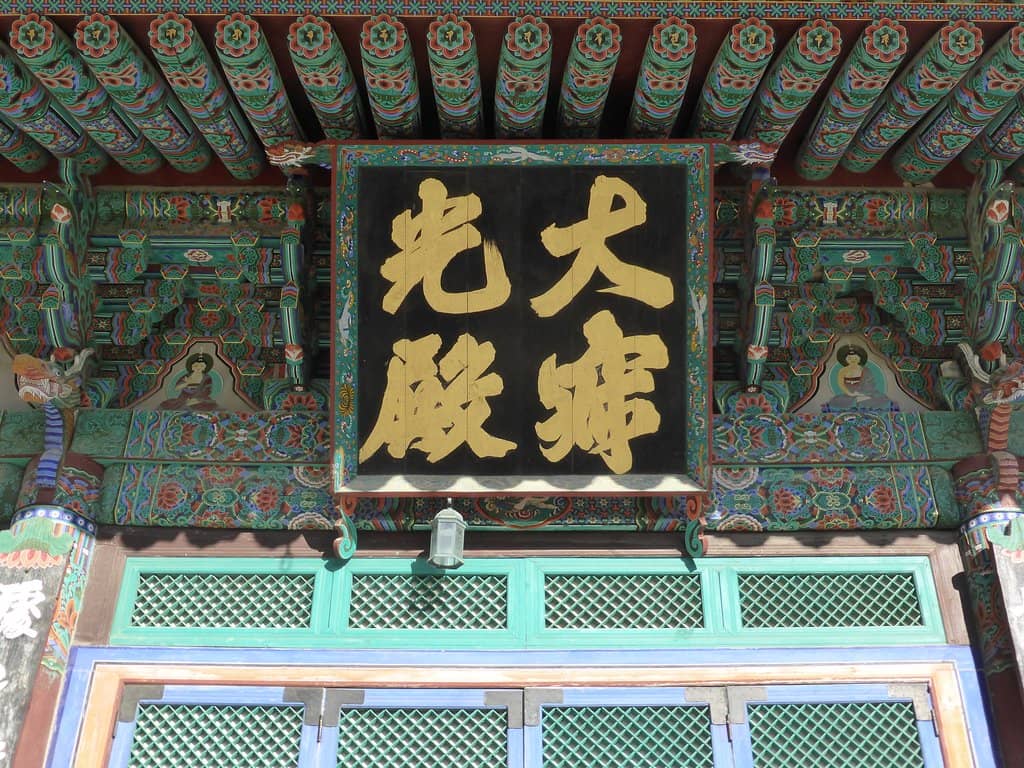
Marvel at the 81,000 wooden printing blocks of Buddhist scriptures, a UNESCO World Heritage site.
Main Temple Complex
Haeinsa Temple Grounds
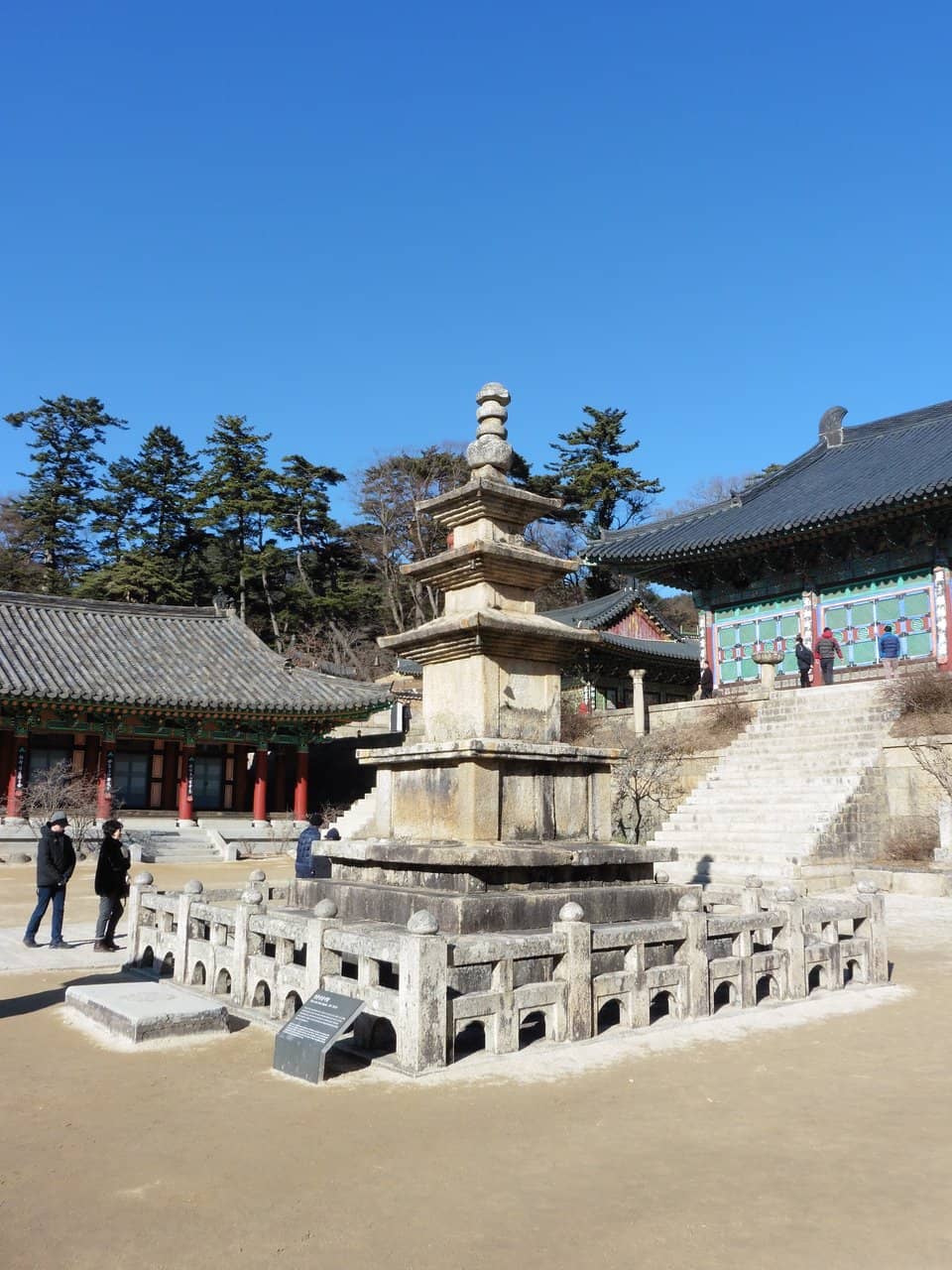
Explore the sprawling temple grounds, admire the traditional architecture, and feel the spiritual ambiance.
Gayasan National Park
Surrounding Mountains
Hike through stunning mountain scenery with pine-covered trails and rocky river views.
Plans like a pro.
Thinks like you
Planning Your Visit
Timing Your Visit for Serenity
Embrace the Temple Stay Experience
Best Times
Insider Tips
from TikTok, Instagram & Reddit
🚶♀️ Walk to the Temple
Enjoy a scenic 20-minute walk through pine trees and along a rocky river to reach the temple. :athletic_shoe:
💧 Drink the Well Water
The potable well water on temple grounds is clean, refreshing, and tastes great! :droplet:
🙏 Consider a Temple Stay
Immerse yourself fully by staying 2+ nights to experience ceremonies and tranquility. :zzz:
⛰️ Hike Gayasan Peak
For the adventurous, tackle the challenging hike to Gayasan peak for amazing views. :hiking_boot:
How to get to and from Haeinsa
Hi everyone! I figured since I had such a hard time finding out information on how to get to & from Haeinsa(even on the day of), this will hopefully be helpful to someone(especially other anxiety ridden people)! First, I took KTX to Dongdaegu station, and I arrived at…
Tips
from all over the internet
🚶♀️ Walk to the Temple
Enjoy a scenic 20-minute walk through pine trees and along a rocky river to reach the temple. :athletic_shoe:
💧 Drink the Well Water
The potable well water on temple grounds is clean, refreshing, and tastes great! :droplet:
🙏 Consider a Temple Stay
Immerse yourself fully by staying 2+ nights to experience ceremonies and tranquility. :zzz:
⛰️ Hike Gayasan Peak
For the adventurous, tackle the challenging hike to Gayasan peak for amazing views. :hiking_boot:
📖 Learn about Tripitaka
Read the signs about the Tripitaka Koreana to fully appreciate its historical and engineering marvel. 📚
What Travellers Say
Reviews Summary
Visitors consistently praise Haeinsa Temple for its profound historical significance, particularly the Tripitaka Koreana, and its stunning natural setting within Gayasan National Park. Many highly recommend the temple stay experience for a deeper immersion into Buddhist culture and tranquility. While the journey can be long, the serene atmosphere and cultural richness make it a highly rewarding visit.
"A wonderful, must-see experience! The mountain scenery is idyllic, and the temple complex is very beautiful. The engineering of the Tripitaka Koreana building is incredible too - make sure to read the signs to fully appreciate it!
If you want to make a fully day of it, I recommend the tough hike up to Gayasan peak which starts at the temple (bring plenty of food/water though!). If that sounds like too much, there are several smaller temples in the valley which are a pleasant stroll away."
Jack Pinder
"This is a historic temple that is housing the Tripitaka Koreana, a collection of Buddhist scriptures. The scriptures were written in wooden blocks in the 1300s and remained in great condition to this day. It has survived different kinds of weather, seasons and temperatures.
The temple complex is several acres. Driving up, you get beautiful views of the mountains. After parking, we walked for about 20mins passing by a rocky river and trails covered with pine trees. It was a wonderful walk, relaxing and envigorating.
The wells in the temple ground has clean, potable water. It was refreshing and tasted way better than bottled water."
Belle
"I stayed two nights here and I highly advise you to do so as well. This really allows you to see, hear and enjoy the temple. It is very interesting, beautiful, and interesting to be present during all the ceremonies. We took some long hikes and the views are amazing!"
Max Stolk
What People Like
What People Dislike
Frequently Asked Questions
🚇 🗺️ Getting There
The most common route is to take the KTX high-speed train to Dongdaegu Station. From Dongdaegu, you'll need to transfer to a local bus (typically bus #2 or #12) that goes directly to Haeinsa Temple. The journey can take several hours, so plan accordingly.
While doable, it requires transfers. Taking the KTX to Dongdaegu and then a bus is the standard public transport method. Some travelers find it challenging to navigate, especially with luggage.
From Busan, you can take a bus directly to Haeinsa Temple. This is often more straightforward than coming from Seoul. Check local bus schedules for the most up-to-date information.
Yes, there are direct buses from major cities like Daegu and Busan to Haeinsa Temple. It's advisable to check schedules in advance, as they can vary.
The travel time can vary significantly depending on your starting point and mode of transport. From Seoul via KTX to Dongdaegu and then bus, expect at least 3-4 hours one way.
🎫 🎫 Tickets & Entry
Yes, there is an admission fee to enter the Haeinsa Temple complex. The fee is generally modest and covers access to the main temple grounds.
Haeinsa Temple is generally open from early morning until late afternoon or early evening. Specific hours can vary seasonally, so it's best to check the official website or local information closer to your visit.
Access to the Janggyeong Panjeon, where the Tripitaka Koreana is housed, is typically included with the general admission ticket to the temple complex.
Yes, Haeinsa Temple is open on public holidays. However, expect larger crowds on these days.
Information on discounts for seniors, students, or groups is usually available at the ticket office. It's worth inquiring when you purchase your tickets.
🎫 🧭 Onsite Experience
You can explore the main temple buildings, admire the architecture, visit the Janggyeong Panjeon to see the Tripitaka Koreana, and enjoy the surrounding natural beauty of Gayasan National Park.
Yes, Haeinsa Temple makes for an excellent day trip, especially if you're coming from a nearby city like Daegu or Busan. You can see the main highlights within a few hours.
A temple stay is an immersive program where visitors can experience monastic life, participate in meditation and chanting, and stay overnight at the temple. It's a popular way to connect with Korean Buddhism.
Absolutely! Haeinsa Temple is located within Gayasan National Park, and there are numerous hiking trails, including a challenging route to Gayasan peak.
Cell service is generally available, but Wi-Fi might be limited to specific areas like the temple stay facilities or visitor centers.
📸 📸 Photography
Photography is generally allowed in most outdoor areas of the temple complex. However, there may be restrictions inside certain buildings, especially where sacred artifacts are displayed. Always look for signage.
The main temple courtyards, the entrance to the Janggyeong Panjeon, and the scenic mountain views surrounding the temple offer excellent photo opportunities. The walk up to the temple also provides beautiful shots.
Drone usage is typically restricted in national parks and around religious sites to maintain peace and prevent disturbance. It's best to assume drones are not permitted unless explicitly stated otherwise.
Early morning or late afternoon often provide the best light for photography, with softer shadows and a more serene atmosphere. Golden hour can be particularly beautiful.
While observing ceremonies, be discreet and respectful. Avoid flash photography and be mindful of the monks and other visitors. Some areas might prohibit photography during services.




Social
from TikTok, Instagram & Reddit