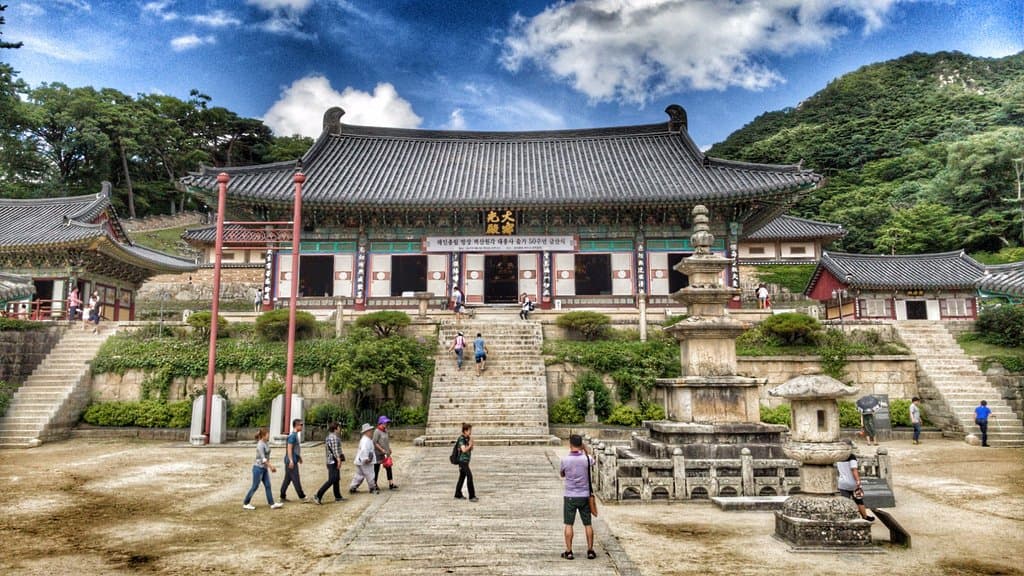
Haeinsa Temple
A 9th-century UNESCO World Heritage temple in the Gaya Mountains, home to the priceless Tripitaka Koreana woodblocks.
Highlights
Must-see attractions

Social
From TikTok & Reddit
Best Time
Fewer crowds, more peaceful
Haeinsa Temple
Best Time
Fewer crowds, more peaceful
Highlights
Must-see attractions
A 9th-century UNESCO World Heritage temple in the Gaya Mountains, home to the priceless Tripitaka Koreana woodblocks.
"A beautiful and calming place, meaningful both as a religious site and as an attraction."
🚗 Parking Tips
Arrive early on peak days to secure parking; it can fill up fast.
💰 Return Bus Fare
Carry cash for the return bus trip from Haeinsa, as card payment isn't always available.
Highlights
Discover the most iconic attractions and experiences
Tripitaka Koreana
Janggyeong Panjeon
Home to over 80,000 Buddhist scriptures carved on woodblocks, a UNESCO World Heritage treasure.
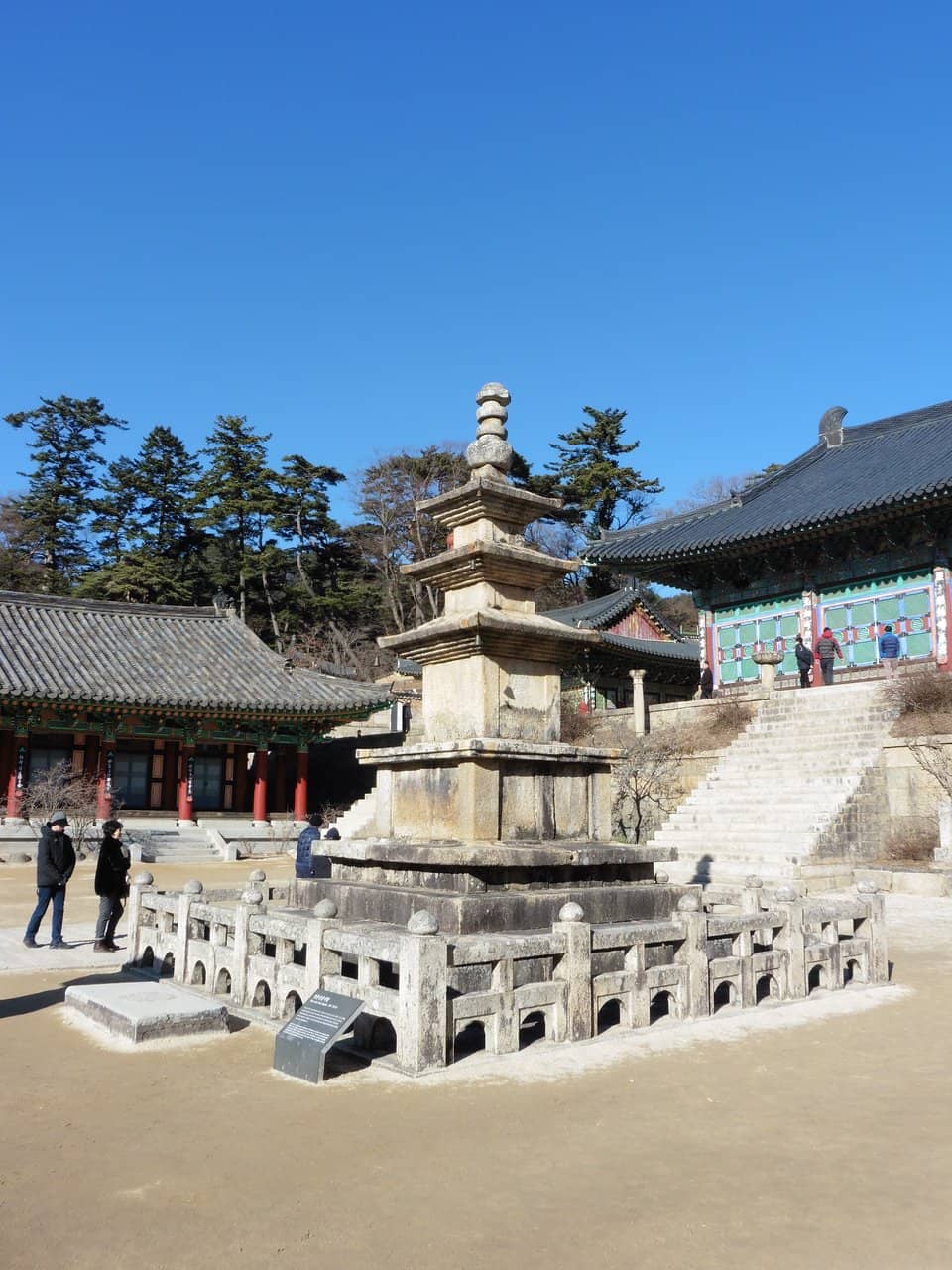
Janggyeong Panjeon
Main Library
The iconic repository for the Tripitaka Koreana, a stunning architectural feat and spiritual heart.
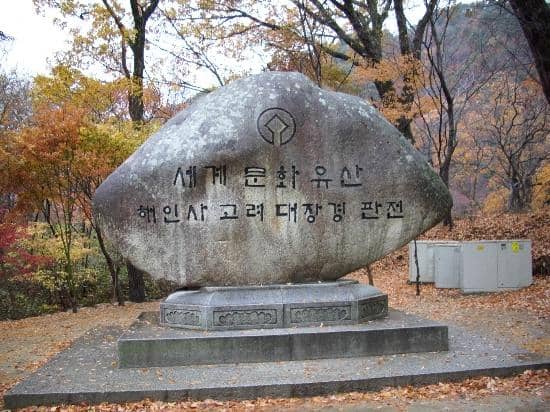
Gaya Mountains Scenery
Surrounding Temple Grounds
Breathtaking natural beauty, especially vibrant in autumn, offering a peaceful backdrop for reflection.
Plans like a pro.
Thinks like you
Planning Your Visit
Beat the Crowds for a Serene Experience
Embrace the Temple Stay
Best Times
Insider Tips
from TikTok, Instagram & Reddit
🚗 Parking Tips
Arrive early on peak days to secure parking; it can fill up fast.
💰 Return Bus Fare
Carry cash for the return bus trip from Haeinsa, as card payment isn't always available.
🚶 Uphill Trek
Be prepared for a short uphill walk to reach the temple complex.
🧘 Temple Stay Experience
Book a temple stay for an immersive cultural and spiritual experience.
Tips
from all over the internet
🚗 Parking Tips
Arrive early on peak days to secure parking; it can fill up fast.
💰 Return Bus Fare
Carry cash for the return bus trip from Haeinsa, as card payment isn't always available.
🚶 Uphill Trek
Be prepared for a short uphill walk to reach the temple complex.
🧘 Temple Stay Experience
Book a temple stay for an immersive cultural and spiritual experience.
📸 Drone Photography
Drone shots offer unique perspectives of the temple and its mountain setting.
What Travellers Say
Reviews Summary
Visitors consistently praise Haeinsa Temple for its profound spiritual atmosphere, stunning architecture, and the historical significance of the Tripitaka Koreana. The natural beauty of the Gaya Mountains, especially in autumn, is a major draw. However, the temple can become very crowded on weekends, particularly during peak seasons, leading to parking and traffic issues.
"This pagoda is always crowded in autumn, especially on weekends when it’s hard to find a parking spot and the road leading to the pagoda is full of traffic. I recommend coming as early as possible on those peak days. I really enjoyed my time here—it’s such a beautiful and calming place, meaningful both as a religious site and as an attraction."
Trân
"This is a beautiful Buddhist temple. It is a very important temple in Korea. It was thankfully not bombed during the Korean War. Orders were given to a North Korean pilot to bomb the temple as it was believed UN troops were using the area, but fortunately the pilot knew the importance of this sacred temple and he only machine gunned along an outer perimeter and did not cause significant damage to the temple, but reported that he had bombed it. There is a river that runs along one side of the temple grounds. The tripitaka library is on the temple grounds. It is best to see the Tripitaka Library for information about the very famous library."
Hayes Weggeman
"Visited this wonderful temple during our recent trip to South Korea.
It is a very scenic 1 hour bus ride from the Seobu bus station (not from the Dongdaegu bus terminal) in the town of Daegu.
There is a short uphill treck to this temple complex. Lucky for us, there were morning ceremonies taking place when we went, chanting, drum beating by a group of monks, and an aerial display of dogfight practice (with flares) by two sets of fighter jets up above our heads.
This temple is a UNESCO World Heritage site.
There is extensive online writeup - that is a must read - regarding the storage of the Buddhist Tripitaka. Buddhist religious scrolls on wooden boards.
Very impressive!!
There is also a temple stay provision for those so inclined to immerse themselves in the natural serenity for a longer time.
A full day trip (longer if possible) will do justice.
Note - while one can pay for the bus trip to Haeinsa Temple by card at the Seobu Bus Station - the return trip has no such flexibility. The return trip is only payable by cash on the bus.
Lucky for me, there is an ATM that accepts global cards on the temple premises - where i had withdrawn some cash, prior to our return."
Pranay Gandhi
What People Like
What People Dislike
Frequently Asked Questions
🚇 🗺️ Getting There
Take a scenic 1-hour bus ride from Daegu's Seobu Bus Station directly to Haeinsa Temple. Ensure you have cash for the return bus fare, as card payments may not be accepted.
Yes, public buses are available from major cities like Daegu. The journey offers beautiful views of the surrounding mountains.
Yes, there is parking available near the temple gate. However, it can fill up quickly on busy days, especially during autumn weekends.
A day trip is feasible, with a bus from Daegu being a popular option. Allow ample time for travel and exploration.
The temple complex is walkable, with a short uphill trek from the entrance. No internal transport is typically needed.
🎫 🎫 Tickets & Entry
Haeinsa Temple is generally open from 6:00 AM to 11:00 PM on weekdays and until 11:30 PM on weekends, offering ample time for visits.
While specific fee information can vary, most visitors report a nominal entrance fee for the temple grounds. It's advisable to check the latest information upon arrival.
Advance booking is generally not required for general admission. However, if you plan to participate in a temple stay, booking well in advance is essential.
Yes, Haeinsa Temple, particularly the Janggyeong Panjeon housing the Tripitaka Koreana, is a UNESCO World Heritage site.
Yes, the Janggyeong Panjeon, which houses the Tripitaka Koreana, is a key attraction and accessible to visitors.
🎫 🧭 Onsite Experience
Autumn is highly recommended for its stunning foliage, though it can be crowded. Weekdays offer a more serene experience.
The Tripitaka Koreana housed in Janggyeong Panjeon is the main highlight. The temple's architecture and the surrounding Gaya Mountains are also significant.
Absolutely. Many visitors find Haeinsa to be a very calming and spiritual place, ideal for meditation and quiet contemplation.
Information on official guided tours can be limited. However, exploring the grounds and reading up on its history beforehand can enhance your visit.
Dress respectfully, covering shoulders and knees, as it is a religious site. Comfortable walking shoes are recommended for exploring the grounds.
🍽️ 🍽️ Food & Dining
Yes, there are usually restaurants and food stalls on the temple grounds or nearby, offering Korean cuisine.
Monastic meals are typically part of the temple stay program. For day visitors, standard dining options are available.
Expect traditional Korean dishes. Some visitors have mentioned ATMs on the premises for cash withdrawal if needed for local eateries.
While not explicitly prohibited, it's best to check local guidelines. Respectful behavior is expected in the temple grounds.
Korean temple cuisine is often vegetarian-friendly. Inquire at local restaurants for specific options.
📸 📸 Photography
The Janggyeong Panjeon, the temple architecture, and the surrounding natural landscapes, especially during autumn, offer stunning photo opportunities. +1
Photography is generally allowed in most outdoor areas. However, always be respectful and check for any signs indicating restricted areas, especially inside sacred buildings.
Some TikTok videos showcase drone footage, suggesting it might be allowed in certain areas. However, always check local regulations before flying a drone.
Early morning or late afternoon light can create beautiful atmospheric shots. Golden hour during autumn is particularly magical.
Be discreet and respectful if photographing ceremonies. Avoid flash photography and disrupting the monks or participants.
For Different Travelers
Tailored advice for your travel style
👨👩👧 Families with Kids
For a more engaging visit, look for opportunities to learn about Korean Buddhism in an accessible way. While a full temple stay might be intense for younger children, a day visit allows for a taste of the serene environment. Pack snacks and water, and be mindful of respectful behavior within the temple grounds.
🧘 Solo Travelers & Spiritual Seekers
The serene mountain setting and the profound history of the Tripitaka Koreana provide a powerful backdrop for personal growth. Solo visitors can explore the grounds at their own pace, engage in quiet contemplation, and potentially connect with monks or other participants during a temple stay for meaningful conversations.
📸 Photographers & Content Creators
Drone photography can provide unique aerial perspectives of the temple complex nestled within the mountains, as seen in some TikTok videos.
Deep Dives
In-depth insights and expert knowledge
The Significance of the Tripitaka Koreana
The preservation of the Tripitaka Koreana is a remarkable feat. The wooden blocks have been remarkably well-maintained over centuries, thanks to the innovative design of the storage buildings, which feature excellent ventilation and temperature control. This has ensured the longevity of the wood and the integrity of the carved inscriptions. Visiting the Janggyeong Panjeon offers a profound glimpse into the spiritual and cultural heritage of Korea.
During the Korean War, the Tripitaka Koreana was miraculously spared from bombing. A North Korean pilot was ordered to destroy the temple, but he reportedly recognized its immense cultural and religious importance and only machine-gunned the perimeter, reporting the mission as complete. This act of preservation underscores the global significance attributed to this sacred collection.
Experiencing a Temple Stay at Haeinsa
The temple stay routine typically begins before dawn, around 3:30 AM, with the tolling of a bell. Participants join monks for morning rituals, engage in 108 prostrations, and practice meditation. Meals are simple and communal, adhering to monastic dietary practices. The rest of the day can be spent exploring the temple grounds, hiking in the surrounding Gaya Mountains, or engaging in quiet contemplation.
Many participants describe the temple stay as a transformative experience, offering a chance for self-reflection and a deeper understanding of oneself. Conversations with monks, like the one mentioned about gaining wisdom and life skills, are often highlighted as particularly insightful. It's a chance to disconnect from the digital world and reconnect with inner peace.
Haeinsa in Autumn: A Visual Spectacle
The crisp autumn air and the colorful leaves enhance the serene atmosphere of the temple, making it an ideal location for photography and quiet contemplation. Many visitors share their awe-inspiring photos and videos of the temple bathed in the warm hues of fall, capturing the magical ambiance.
However, the popularity of autumn means that weekends can become quite crowded, with parking lots filling up early. To fully appreciate the temple's tranquility amidst this natural splendor, it's advisable to visit on a weekday or arrive very early in the morning.

Social
from TikTok, Instagram & Reddit