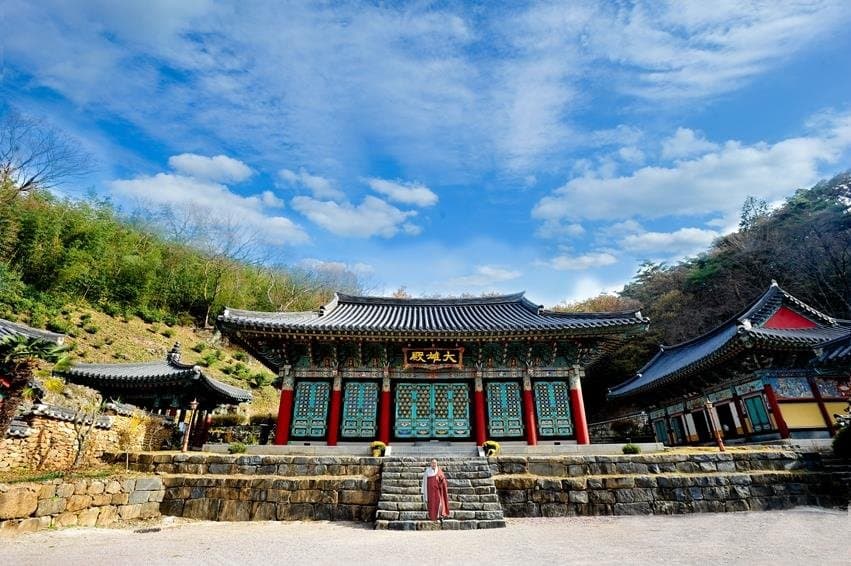
Jeungsimsa Temple
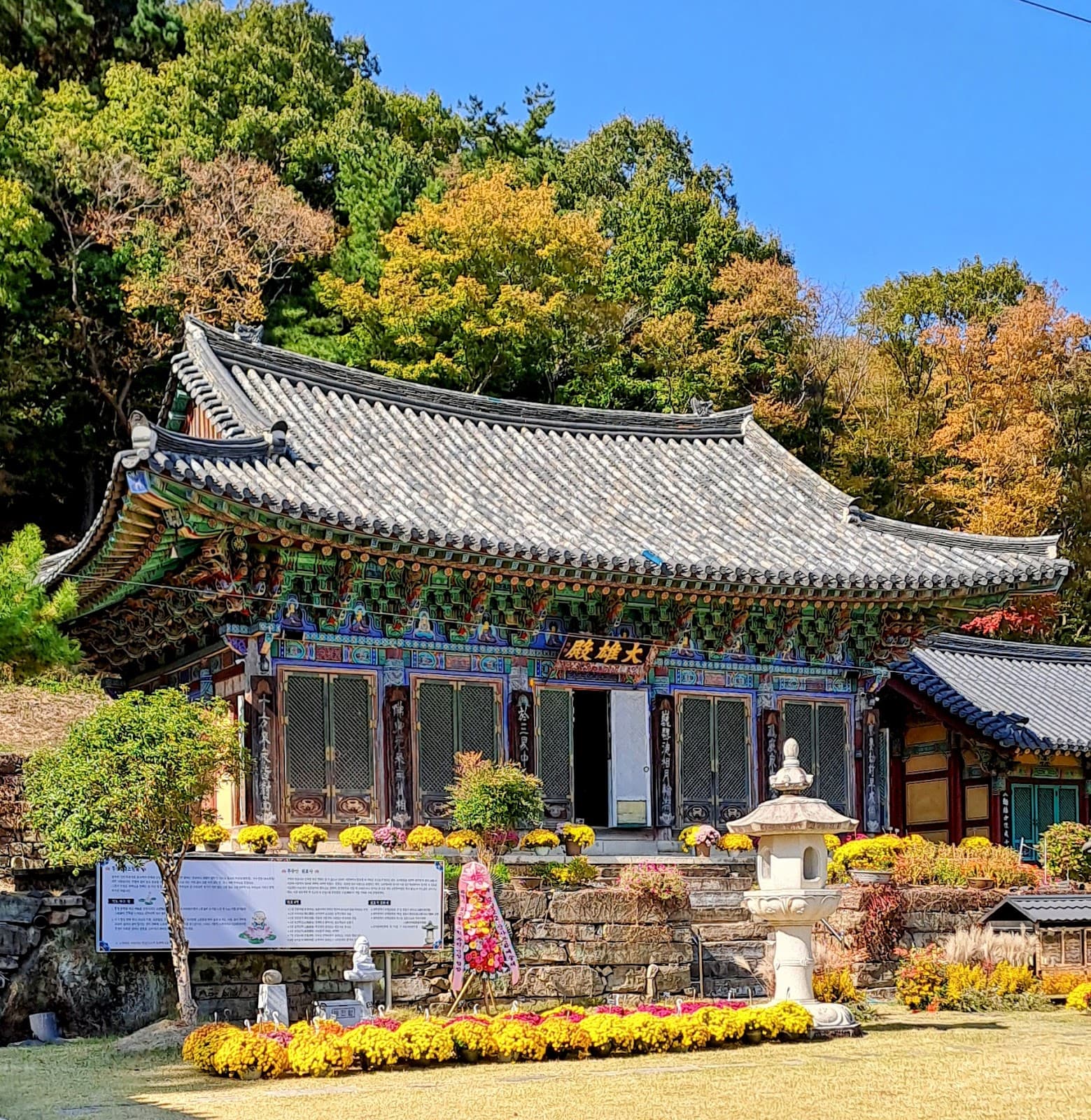
Historic Buddhist temple in Mudeungsan National Park, offering serene walks and stunning autumn colors.
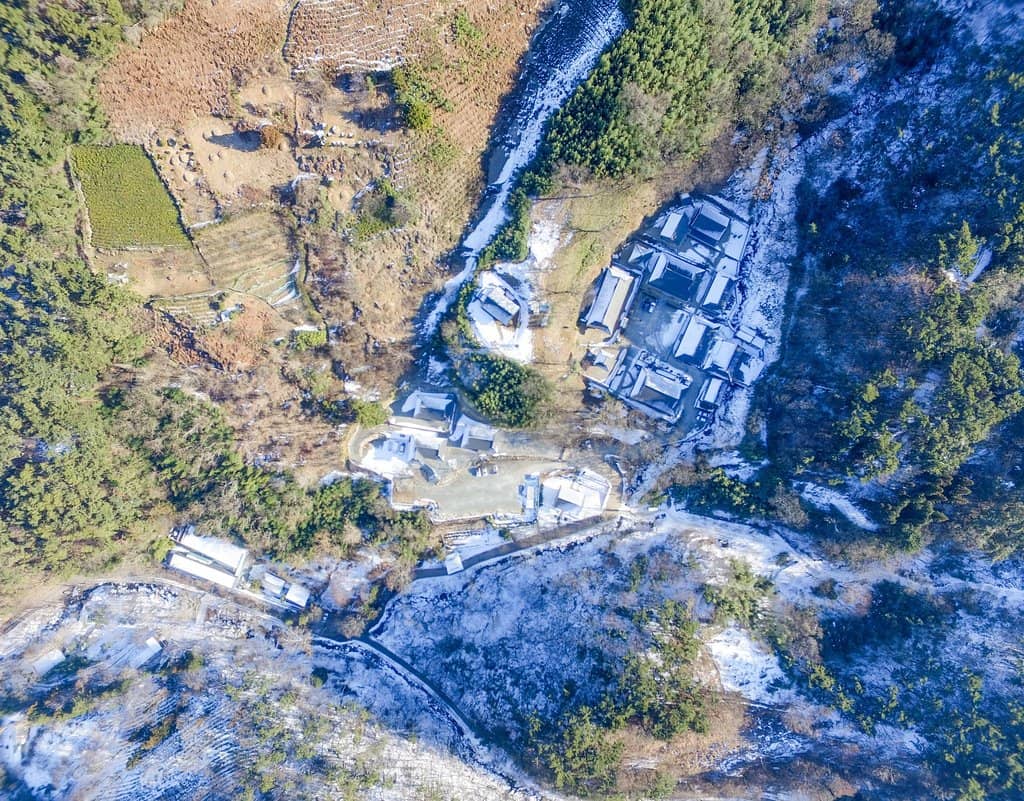
Highlights
Must-see attractions

Social
From TikTok & Reddit
Best Time
Fewer crowds, peaceful atmosphere
Jeungsimsa Temple
Best Time
Fewer crowds, peaceful atmosphere
Highlights
Must-see attractions
Historic Buddhist temple in Mudeungsan National Park, offering serene walks and stunning autumn colors.
"A lovely serene area with a gentle hike, perfect for enjoying nature's beauty."
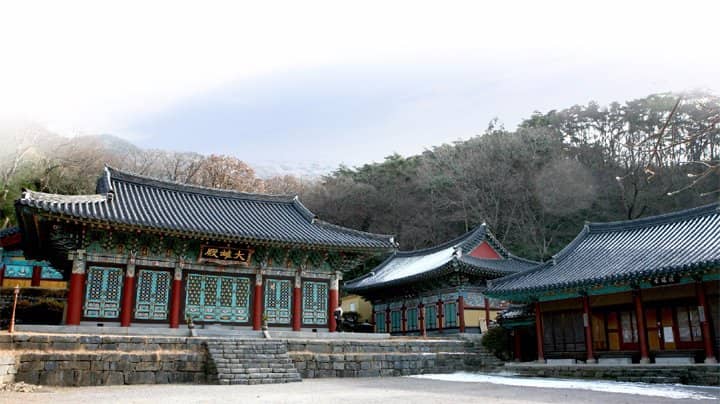
🎯 Beat the Bugs!
Summer visits can be overrun with biting insects. Bring bug spray to fully enjoy the serene atmosphere .
🚶 Gentle Walk to Temple
The walk from the bus stop is mostly flat and paved, taking about 30 minutes. Enjoy the shade along the way .
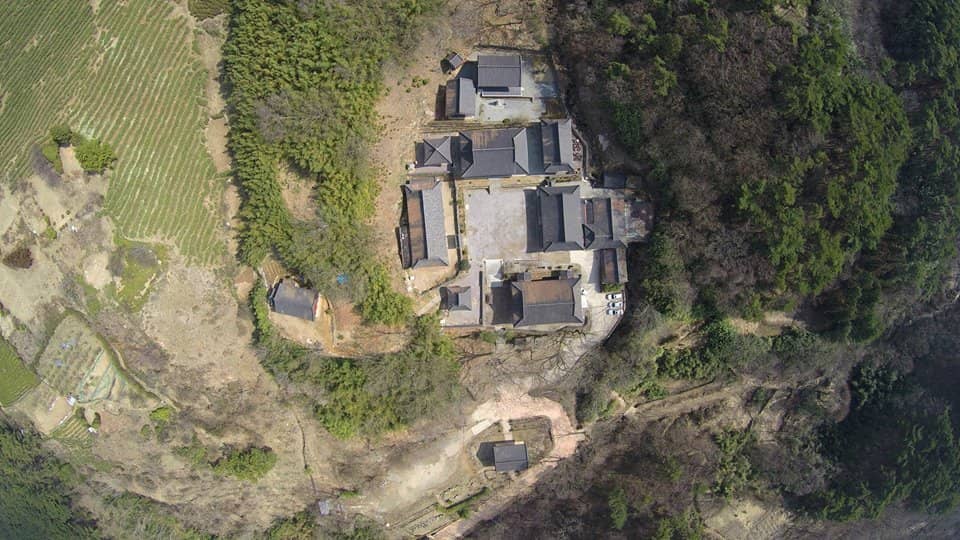
Quick Facts
Hours
Rating
4.3 · 561 reviews
Type
Place of Worship
Highlights
Discover the most iconic attractions and experiences
Jeungsimsa Temple Grounds
Mudeungsan National Park
Experience the tranquility of this historic Buddhist temple nestled within the scenic Mudeungsan National Park.
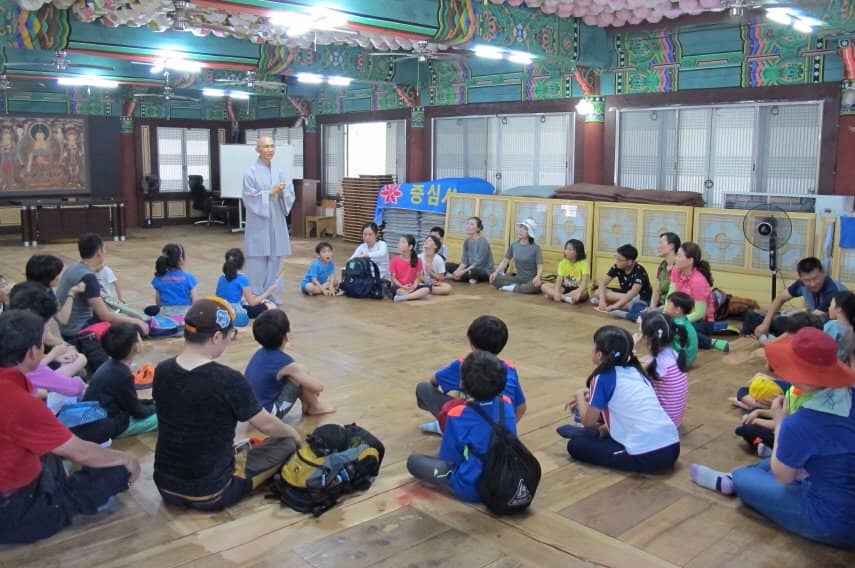
Autumn Colors
Surrounding Mudeungsan National Park
Witness breathtaking autumn foliage that transforms the temple and its surroundings into a vibrant spectacle.
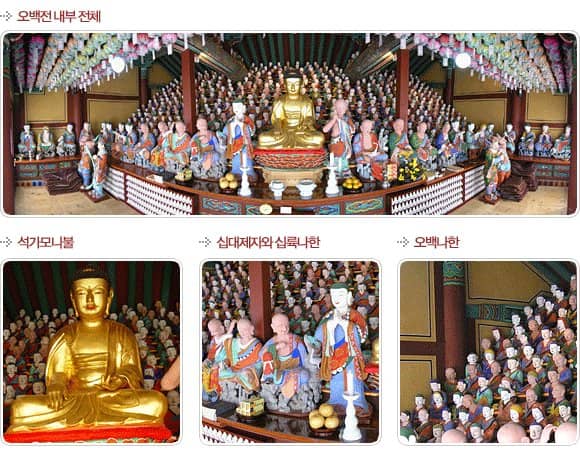
Mudeungsan National Park Hike
Mudeungsan National Park
Enjoy a gentle hike through the park, with paved paths leading to the temple, offering pleasant views.
Plans like a pro.
Thinks like you
Planning Your Visit
Timing Your Visit to Jeungsimsa
Getting to Jeungsimsa Temple
Best Times
Insider Tips
from TikTok, Instagram & Reddit
🎯 Beat the Bugs!
Summer visits can be overrun with biting insects. Bring bug spray to fully enjoy the serene atmosphere.
🚶 Gentle Walk to Temple
The walk from the bus stop is mostly flat and paved, taking about 30 minutes. Enjoy the shade along the way.
🚗 Taxi Option Available
While public transport is common, taxis might also be an option to reach the temple area.
🖼️ Small Art Museum
A small museum featuring Korean art is located on the way up to the temple.
Tips
from all over the internet
🎯 Beat the Bugs!
Summer visits can be overrun with biting insects. Bring bug spray to fully enjoy the serene atmosphere.
🚶 Gentle Walk to Temple
The walk from the bus stop is mostly flat and paved, taking about 30 minutes. Enjoy the shade along the way.
🚗 Taxi Option Available
While public transport is common, taxis might also be an option to reach the temple area.
🖼️ Small Art Museum
A small museum featuring Korean art is located on the way up to the temple.
🍜 Fried Pork Lunch
Enjoy a tasty fried pork lunch near the temple entrance before or after your visit.
What Travellers Say
Reviews Summary
Visitors find Jeungsimsa Temple a pleasant destination within Mudeungsan National Park, appreciating the gentle walk and serene atmosphere. While some found the temple itself less remarkable than other sites, the natural beauty, especially in autumn, and the option for a local fried pork lunch are highlights. Be prepared for potential construction and biting insects in summer.
"Temple doors were not open so didnt see much. Just walked to the temple about half hour and back for lunch at the entrance(fried pork) - pretty good. Then a bit of window shopping before walking to the bus stop. Bus took us to Hakdong train station stop then off to other places."
Antony Ng
"Steep entrance, but otherwise a nice gentle hike to the temple. Parts were under construction when we visited but otherwise a lovely serene area."
H B
"It is kind of blur right now. I've been to so many temples lately. I was here less than 12 hours ago and nothing stands out right now. It is 2:30 am and I've been up an hour already. Started drinking coffee. Maybe I got 4 hours sleep. I should write about the day before yesterday. Now that was intense. By the way..."
無名
What People Like
What People Dislike
Frequently Asked Questions
🚇 🗺️ Getting There
Jeungsimsa Temple is accessible via public transportation, with buses frequently stopping near the Mudeungsan National Park entrance. From the bus stop, it's a pleasant, mostly flat walk along paved roads to the temple, taking approximately 30 minutes.
Some visitors have noted that taxis may also be an option to reach the temple area.
Yes, Mudeungsan National Park, where Jeungsimsa Temple is located, is accessible via public transport. Buses are a common way to reach the park entrance, making it convenient for visitors.
The walk from the bus stop to Jeungsimsa Temple is about a kilometer, taking roughly 30 minutes. The path is paved and mostly flat, offering a gentle introduction to the park.
While public transportation is frequently mentioned, some sources suggest that driving or taking a taxi might be possible to get closer to the temple area.
From Gwangju, you can take public buses to Mudeungsan National Park, which is the gateway to Jeungsimsa Temple. This is a popular and recommended method for reaching the site.
🎫 🎫 Tickets & Entry
Information regarding specific entrance fees for Jeungsimsa Temple is not widely detailed in the provided sources. However, as it's located within Mudeungsan National Park, there might be park entrance fees or specific temple donation practices.
Specific opening hours for Jeungsimsa Temple are not explicitly mentioned. However, temples in Korea are generally open to visitors during daylight hours, though temple buildings themselves might have restricted access.
Advance booking for Jeungsimsa Temple is generally not required. It's a place of worship and a tourist attraction within a national park, typically accessible on a walk-in basis.
While no specific restrictions are highlighted, it's advisable to dress respectfully when visiting any temple in Korea. Be mindful of ongoing construction if mentioned.
Parts of the temple area may be under construction at times. While this might affect the experience, visitors can still access the grounds and enjoy the surrounding park.
🎫 🏞️ Onsite Experience
Jeungsimsa Temple offers a serene atmosphere within Mudeungsan National Park. While some visitors found the temple itself less striking than others,
the surrounding natural beauty, especially during autumn, is a major draw.
There's also a small museum with Korean art on the way up.
Yes, Jeungsimsa Temple is located within Mudeungsan National Park, which is popular for hiking. The path to the temple from the bus stop is a gentle, paved walk, and the park offers more extensive hiking trails for those interested.
Autumn is highly recommended for its stunning fall colors that enhance the beauty of the temple and its surroundings. However, be aware that summer can be plagued by biting insects.
The temple can get crowded, especially during peak seasons or weekends. Visiting on weekdays or during off-peak hours can provide a more secluded and peaceful experience.
While the views directly from the temple might not be as dramatic as some other locations, the temple is situated within the scenic Mudeungsan National Park, offering pleasant natural vistas.
🍽️ 🍜 Food & Dining
Yes, there are dining options near the entrance of Jeungsimsa Temple. Visitors have mentioned enjoying fried pork (donkatsu) at a restaurant near the entrance, which is a popular local dish.
Local Korean cuisine is available. Fried pork is specifically mentioned as a good option. You might also find other traditional Korean dishes in the vicinity.
While the temple itself is a place of worship, there are restaurants and eateries located near the entrance or the base of the park where you can have lunch.
Information on specific snack options is limited, but given the proximity to a national park and tourist area, it's likely that some vendors or small eateries might offer snacks.
Bringing your own food for a picnic is generally acceptable in national parks, but it's always good practice to check park regulations and ensure you clean up after yourself.
📸 📸 Photography
The temple architecture itself, especially its traditional Korean design, makes for beautiful shots. The surrounding natural landscape, particularly during autumn with its vibrant colors, offers stunning photographic opportunities.
Absolutely! Autumn is highlighted as a prime time for photography at Jeungsimsa Temple due to the spectacular fall foliage that blankets the area.
A standard camera or smartphone is sufficient for capturing the beauty of Jeungsimsa Temple. Consider a wide-angle lens for landscape shots and a telephoto lens if you want to capture details from a distance.
Generally, photography is allowed in most public areas of temples and national parks. However, always be respectful of the sacred nature of the temple and avoid intrusive photography, especially during prayer times.
Early morning or late afternoon often provides the best natural light for photography, creating softer shadows and a more atmospheric feel. This also coincides with fewer crowds.



Social
from TikTok, Instagram & Reddit