
Jungang Market South Korea
Vibrant traditional markets across South Korea, offering delicious street food, local crafts, and a glimpse into daily Korean life.
Highlights
Must-see attractions

Social
From TikTok & Reddit
Best Time
Freshest produce, fewer crowds
Jungang Market South Korea
Best Time
Freshest produce, fewer crowds
Highlights
Must-see attractions
Vibrant traditional markets across South Korea, offering delicious street food, local crafts, and a glimpse into daily Korean life.
"A culinary adventure awaits at these bustling hubs, packed with flavor and local charm."

🎯 Confirm Your Jungang Market
South Korea has multiple Jungang Markets! Double-check your destination (e.g., Daejeon, Gangneung, Ulsan) before you go.
💰 Use Onnuri Vouchers
Many traditional markets accept 'Onnuri' vouchers for discounted street food. Ask vendors if they participate!
Quick Facts
Hours
Rating
4 · 795 reviews
Type
Market
Highlights
Discover the most iconic attractions and experiences
Sindang-dong Tteokbokki
Sindang-dong, Seoul
Indulge in the legendary tteokbokki, a spicy rice cake dish, in its most famous culinary district.
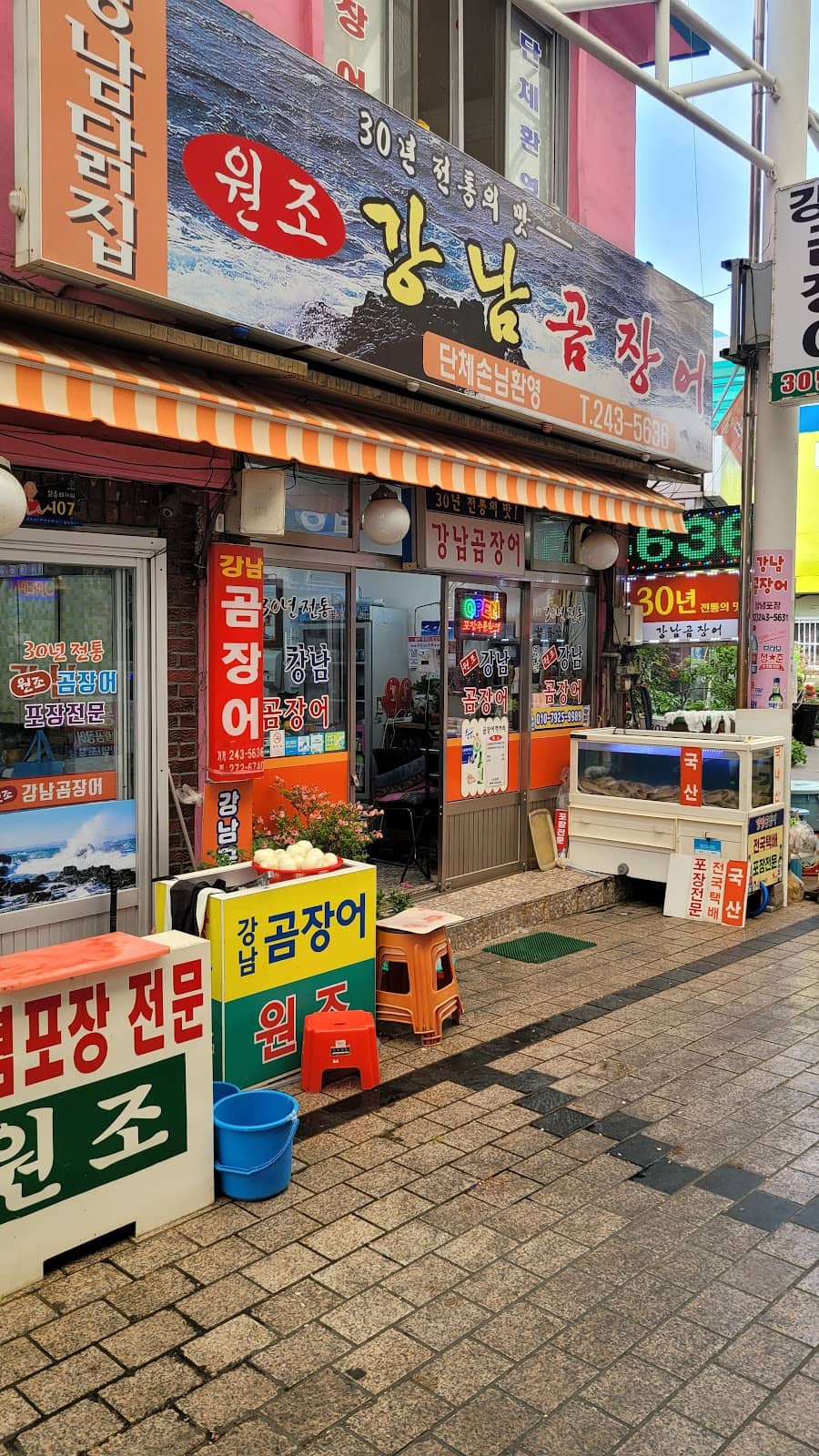
Street Food Delights
Various Jungang Markets
Savor a wide array of delicious and affordable street food, from savory pancakes to sweet treats.
Local Crafts and Goods
Various Jungang Markets
Discover unique souvenirs, clothing, and household items, often at great bargain prices.
Plans like a pro.
Thinks like you
Planning Your Visit
Navigating the Market Maze
Embrace the Local Vibe
Best Times
Insider Tips
from TikTok, Instagram & Reddit
🎯 Confirm Your Jungang Market
South Korea has multiple Jungang Markets! Double-check your destination (e.g., Daejeon, Gangneung, Ulsan) before you go. 
💰 Use Onnuri Vouchers
Many traditional markets accept 'Onnuri' vouchers for discounted street food. Ask vendors if they participate!
👟 Wear Comfortable Shoes
You'll be doing a lot of walking and exploring, so comfortable footwear is a must.
⏰ Check Market Hours
Some markets close earlier than advertised, especially on weekdays. Plan accordingly to avoid disappointment.
Tips
from all over the internet
🎯 Confirm Your Jungang Market
South Korea has multiple Jungang Markets! Double-check your destination (e.g., Daejeon, Gangneung, Ulsan) before you go.
💰 Use Onnuri Vouchers
Many traditional markets accept 'Onnuri' vouchers for discounted street food. Ask vendors if they participate!
👟 Wear Comfortable Shoes
You'll be doing a lot of walking and exploring, so comfortable footwear is a must.
⏰ Check Market Hours
Some markets close earlier than advertised, especially on weekdays. Plan accordingly to avoid disappointment.
📱 Learn Basic Korean Phrases
While some vendors may speak English, knowing a few basic phrases can enhance your experience.
What Travellers Say
Reviews Summary
Visitors often praise Jungang Markets for their vibrant atmosphere, delicious and affordable street food, and the opportunity to find unique local goods. However, some find certain markets less lively than expected or note issues with vehicle presence in pedestrian areas. The variety of food is a consistent highlight, though some wish for more drink options or clearer operating hours.
"We visited 울산 중앙전통시장 on a weekend and were surprised by how quiet it was, even though many of the stalls were open. The market has a good variety of shops selling clothing, household items, and local products, with some great bargains to be found if you take your time to look around.
There are too many vehicles in what would seem to be a pedestrian only arcade.
There are also plenty of small restaurants and cosy cafes in and around the market, making it a nice spot to explore slowly and take a break with a meal or coffee."
Karen Graham
"Was expecting more food stalls but was quite disappointed with the vibrancy of the market. Market was mostly closed when I arrived past 6pm though it says to be opened till 8:30pm."
Yi Ning
"A night market. A popular place in ulsan. There are all kinds of delicious food here. Not expensive. There are all kinds of vendor type foods here. You can shop and eat while strolling around late at night. The food are slight variations from the traditional vendor type foods."
Bong Kim
What People Like
What People Dislike
Frequently Asked Questions
🚇 🗺️ Getting There
Jungang Markets are generally well-connected by public transportation. Most are accessible via subway or bus. For specific directions, use local navigation apps like Naver Maps or Kakao Maps. For example, the Sindang-dong Jungang Market in Seoul is easily reached by subway.
Parking availability varies greatly. Some markets, like the one in Jinju, have limited parking, while others might be in areas with paid public parking. It's often easier to use public transport.
For a classic street food experience, the Sindang-dong Jungang Market in Seoul is highly recommended for its tteokbokki. Gangneung Jungang Market is also popular for its diverse food offerings.
Accessibility can be challenging as many are traditional markets with uneven surfaces. Some areas might be pedestrian-only arcades, but vehicle presence can still be an issue.
Yes, ride-sharing services like Kakao T are available in most cities and can be a convenient way to reach the markets, especially if you're traveling with a group.
🎫 🎫 Tickets & Entry
No, Jungang Markets are generally free to enter. You only pay for the food, goods, or services you purchase inside.
Hours vary significantly. Many daytime markets operate from morning until early evening (around 6-7 PM), while some transform into night markets that stay open late. Always check specific market hours online or upon arrival.
Some stalls might close on certain days, often Mondays or Tuesdays, but the market itself usually remains open. It's best to check for specific closures if you're visiting on a weekday.
While larger shops might accept credit cards, many smaller street food vendors and stalls prefer cash. It's advisable to carry some Korean Won.
Generally, no. Entrance to the market itself is free. Special festivals or events held within the market might have separate admission fees, but this is uncommon.
🍽️ 🛍️ Shopping & Dining
You'll find an incredible variety of Korean street food, including tteokbokki, odeng (fish cakes), hotteok (sweet pancakes), bindaetteok (mung bean pancakes), and fresh seafood. Some markets also have small restaurants.
Options can be limited, as many popular dishes contain meat or seafood. However, you can often find vegetable pancakes (bindaetteok) or fruit stalls. It's best to ask vendors about ingredients.
You can find clothing, accessories, household goods, local produce, and unique souvenirs. Bargaining is sometimes possible, especially for clothing and non-food items.
Generally, yes. Popular stalls with high turnover are usually safe. Look for vendors who are busy and maintain good hygiene.
Absolutely! Jungang Markets are excellent places to try traditional snacks like yakgwa (honey cookies), songpyeon (rice cakes), and various types of jeon (savory pancakes).
📸 📸 Photography Tips
Capture the vibrant colors of the food stalls, the bustling crowds, and the unique architecture of the market. Close-ups of delicious street food are always a hit!
It's generally acceptable, but it's always polite to ask for permission before taking close-up photos of vendors, especially if they are busy.
Early morning offers softer light and fewer crowds, ideal for capturing the market's atmosphere. Evenings can be dramatic with neon lights and food stalls illuminated.
Look for unique signage, traditional market structures, and any local art installations. Some markets might have specific photo zones or iconic food stalls.
Use a wider aperture (lower f-number) to let in more light, increase your ISO cautiously to avoid excessive noise, and consider using a tripod or image stabilization if available.






Social
from TikTok, Instagram & Reddit