Kimchikan Museum
Discover the rich history and diverse flavors of Korea's iconic fermented dish at the Kimchikan Museum.
Highlights
Must-see attractions

Social
From TikTok & Reddit
Best Time
Fewer crowds, more immersive
Kimchikan Museum
Best Time
Fewer crowds, more immersive
Highlights
Must-see attractions
Discover the rich history and diverse flavors of Korea's iconic fermented dish at the Kimchikan Museum.
"A fascinating journey into the world of kimchi, offering interactive exhibits and delicious tastings."

🎯 Book Kimchi Classes Early
Kimchi making classes are popular and often require advance reservations. Book ahead to avoid disappointment!
📍 Find the Hidden Entrance
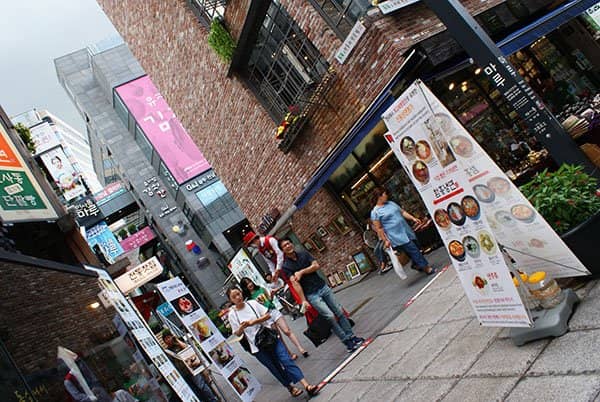
The museum is on the 3rd-6th floors down an alley in Insadong. Look carefully for the entrance!
Quick Facts
Hours
Rating
4.3 · 646 reviews
Type
Museum
Highlights
Discover the most iconic attractions and experiences
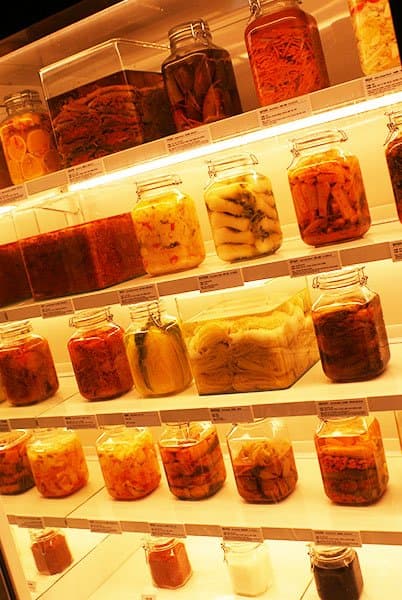
Kimchi Tasting Room
Tasting Room
Sample a variety of traditional kimchi flavors, a delicious and educational experience for your palate.
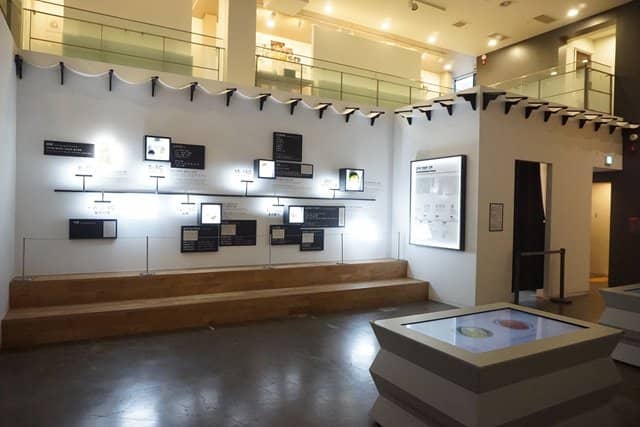
Interactive Exhibits
Museum Floors
Engage with the history, culture, and science behind kimchi through fun, hands-on displays.
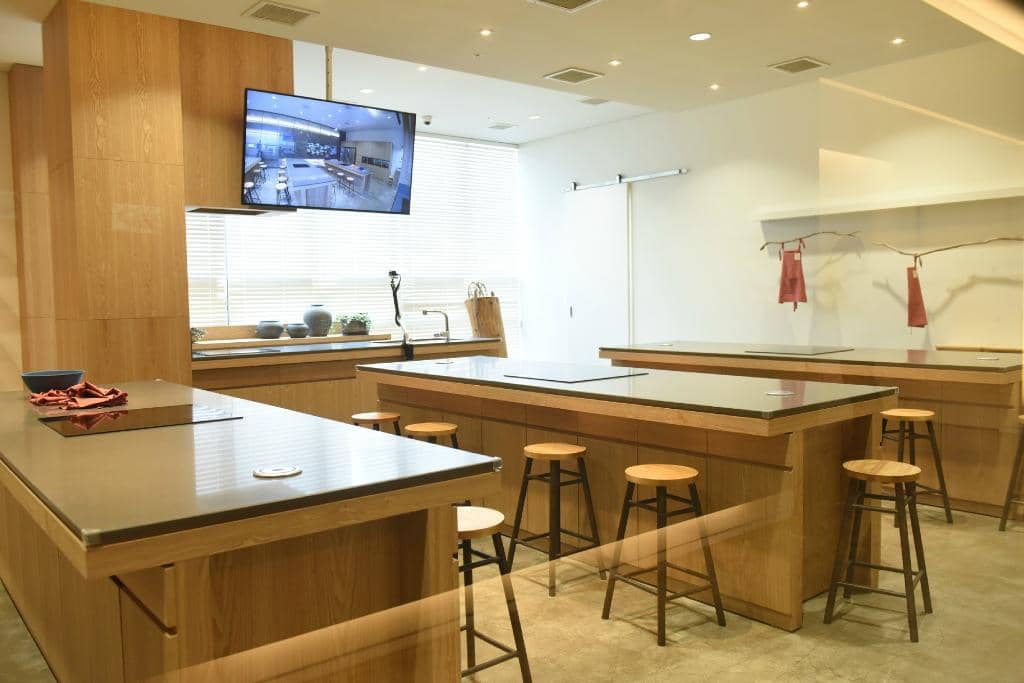
Kimchi Making Classes
Classroom
Learn the art of making authentic Korean kimchi in a hands-on workshop, a truly immersive cultural activity.
Plans like a pro.
Thinks like you
Planning Your Visit
Timing is Key for Kimchi Exploration
Navigating Insadong's Charm
Best Times
Insider Tips
from TikTok, Instagram & Reddit
🎯 Book Kimchi Classes Early
Kimchi making classes are popular and often require advance reservations. Book ahead to avoid disappointment!
📍 Find the Hidden Entrance
The museum is on the 3rd-6th floors down an alley in Insadong. Look carefully for the entrance!
😋 Don't Miss the Tasting
The kimchi tasting room is a highlight, offering a chance to sample various types.
📱 Use the Discover Seoul Pass
If you have the Discover Seoul Pass, you might get free entry. Check the app!
Tips
from all over the internet
🎯 Book Kimchi Classes Early
Kimchi making classes are popular and often require advance reservations. Book ahead to avoid disappointment!
📍 Find the Hidden Entrance
The museum is on the 3rd-6th floors down an alley in Insadong. Look carefully for the entrance!
😋 Don't Miss the Tasting
The kimchi tasting room is a highlight, offering a chance to sample various types.
📱 Use the Discover Seoul Pass
If you have the Discover Seoul Pass, you might get free entry. Check the app!
🚶♀️ Explore Insadong Too
Combine your museum visit with exploring the charming streets of Insadong.
What Travellers Say
Reviews Summary
Visitors praise the Kimchikan Museum as an informative and fun rainy-day activity, highlighting its engaging exhibits and the unique kimchi tasting experience. While some wish for more extensive dining options on-site, the museum is celebrated for its reasonable admission and the opportunity to learn about a vital part of Korean culture.
"Great rainy day activity for us. A multilevel, compact museum that covers historical, cultural, seasonal, technical, and educational aspects of kimchi. There is so much to learn. Classroom also available for kimchi-making; we observed a scheduled children’s class with parents looking in, too. Don’t miss the tasting room! And a rooftop terrace, too. Admission price was reasonable, and the staff was very helpful. Check it out!"
Jennifer Man
"The kimchi museum was informative and fun. They teach classes to children on the art of making kimchi. There was also a refrigerated room to try different types of kimchi. If you are in Seoul, make sure you check it out!"
Peggy Robinson
"The Kimchi Museum in Seoul is a fascinating journey into the world of kimchi. You’ll learn everything about its origins, evolution, and cultural significance. The interactive stations are especially engaging, allowing visitors to try different pickling methods and even take home a recipe. At the end, you are treated to three small samples of kimchi made right in the museum.
A wonderful experience and an absolute must for anyone who wants to truly understand Korean culture."
Jan Von Appen
What People Like
What People Dislike
Frequently Asked Questions
🚇 🗺️ Getting There
The Kimchikan Museum is located at 35-4 Insadong-gil, Jongno District, Seoul. It's accessible via public transportation, with the nearest subway stations typically being Anguk Station (Line 3) or Jonggak Station (Line 1). From the stations, it's a short walk into the Insadong area. The museum is situated on the 4th-6th floors of a building, often described as being down an alleyway, so keep an eye out for signage.
While Insadong can be a busy area, the museum is generally considered easy to access once you know where to look. It's located on the upper floors (4th-6th) of a building within the district. Some visitors mention it's down an alley, so paying attention to street signs and building numbers is helpful.
Yes, the Discover Seoul Pass often includes free admission to the Kimchikan Museum. It's a great way to save money if you plan on visiting multiple attractions in Seoul. Always check the latest inclusions on the Discover Seoul Pass app or website before your visit.
The most convenient way to reach Insadong is by Seoul's efficient subway system. Anguk Station (Line 3) is very close, and Jonggak Station (Line 1) is also within walking distance. Buses are another option, with many routes serving the Insadong area. Taxis are readily available but can be more expensive and subject to traffic delays.
Parking in the Insadong area can be challenging and expensive. It's highly recommended to use public transportation to reach the museum. If you must drive, look for public parking garages in the vicinity, but be prepared for potential costs and limited availability.
🎫 🎫 Tickets & Entry
Admission to the Kimchikan Museum is reasonably priced, with a typical fee around ₩5,000. Prices can vary, so it's always a good idea to check the official website or inquire upon arrival. The Discover Seoul Pass may offer free entry as well.
The museum is generally open from 10:00 AM to 6:00 PM, with the last admission typically at 5:30 PM. It's important to note that the museum is closed every Monday.
Always verify the current hours before your visit, as they can sometimes change.
For general museum entry, advance booking is usually not required, and you can purchase tickets at the door. However, if you wish to participate in a kimchi-making class, advance reservations are highly recommended, as these sessions are very popular and can sell out.
Discounts may be available for certain groups, such as students or seniors, though this is not always advertised. The Discover Seoul Pass is a significant way to get value if you're visiting multiple attractions. Check with the museum staff upon arrival for any potential offers.
Your admission ticket typically grants you access to all the museum's floors, including the interactive exhibits and the kimchi tasting room. While some kimchi-making classes may have a separate fee, observing them is usually part of the general admission experience.
🎫 🧭 Onsite Experience
The Kimchikan Museum offers a multi-level exploration of kimchi, covering its history, cultural significance, seasonal variations, and preparation methods. You'll find interactive displays, historical artifacts, and a unique kimchi tasting room where you can sample different varieties.
Some visitors also enjoy observing kimchi-making classes, especially those for children.
Yes, the Kimchikan Museum is often recommended as a fun and educational experience for children. The interactive exhibits are engaging, and there are often scheduled kimchi-making classes specifically designed for younger visitors.
It's a great way to introduce kids to Korean culture and food in a hands-on way.
Absolutely! A major highlight of the Kimchikan Museum is its tasting room, where you can sample various types of kimchi. This is a fantastic opportunity to discover new flavors and learn about the diverse world of this Korean staple.
Yes, the museum offers kimchi-making classes, which are a very popular activity. These classes provide a hands-on experience in preparing authentic Korean kimchi. It's important to note that advance reservations are usually required for these classes.
While the surrounding Insadong streets can be busy, the museum itself is often described as a quieter, more intimate experience, especially on weekdays. Weekends and holidays might see more visitors, particularly if there are scheduled classes or events.
🍽️ 🍽️ Food & Dining
While the museum's primary focus is on kimchi, the tasting room offers samples of various kimchi types. There isn't a full-service restaurant within the museum itself. However, the Insadong area surrounding the museum is packed with diverse dining options, from traditional Korean restaurants to cafes.
You can expect to taste a range of kimchi, showcasing different ingredients, fermentation periods, and regional variations. This allows visitors to appreciate the diversity and complexity of this iconic Korean dish.
The museum primarily focuses on education and experience. While they offer tastings, purchasing kimchi to take home is not typically a feature. However, you can find plenty of shops in Insadong selling various types of kimchi if you wish to buy some.
Traditional kimchi is typically vegan, made with vegetables like napa cabbage, radish, and seasonings. However, some variations might include seafood-based ingredients like fish sauce or shrimp paste. It's always best to inquire at the tasting counter if you have specific dietary restrictions.
Insadong offers a plethora of dining choices. You can find traditional Korean restaurants serving bibimbap, bulgogi, and stews. Explore the side streets for hidden gems offering authentic local cuisine. Many cafes also provide light snacks and beverages.
📸 📸 Photography
Photography is generally allowed in most areas of the Kimchikan Museum for personal use. However, it's always a good practice to be mindful of other visitors and avoid using flash in areas where it might be disruptive. Some exhibits might have specific restrictions, so look for signage.
The interactive exhibits often make for visually interesting photos. The kimchi tasting room, with its array of colorful kimchi, can also be a great photo opportunity. The rooftop terrace, if accessible, might offer some nice views of the surrounding area.
The museum showcases the process and ingredients of kimchi, which can lead to unique shots. Capturing the vibrant colors of different kimchi varieties or the tools used in its preparation can make for memorable photos that tell a story.
Typically, you can take photos during the kimchi-making classes, especially if you are participating or observing. However, be respectful of the instructor and other participants. Capturing the process of making kimchi can be a great way to document your experience.
A smartphone with good low-light capabilities is usually sufficient for capturing the exhibits. If you have a DSLR or mirrorless camera, you can experiment with different settings to get creative shots, especially if you plan to focus on details or textures.
Social
from TikTok, Instagram & Reddit