Sokcho City Museum and Displaced Civilians Folk Village
Explore Sokcho's past, from its fishing heritage to the lives of displaced civilians, through engaging exhibits and a recreated folk village.
Highlights
Must-see attractions

Social
From TikTok & Reddit
Best Time
Fewer crowds, more peaceful exploration.
Sokcho City Museum and Displaced Civilians Folk Village
Best Time
Fewer crowds, more peaceful exploration.
Highlights
Must-see attractions
Explore Sokcho's past, from its fishing heritage to the lives of displaced civilians, through engaging exhibits and a recreated folk village.
"Excellent history of the area and the people who helped create the city it is now."
Translate Key Info
Use a translation app for Korean-only text to enhance your understanding. :iphone:
Explore the Village
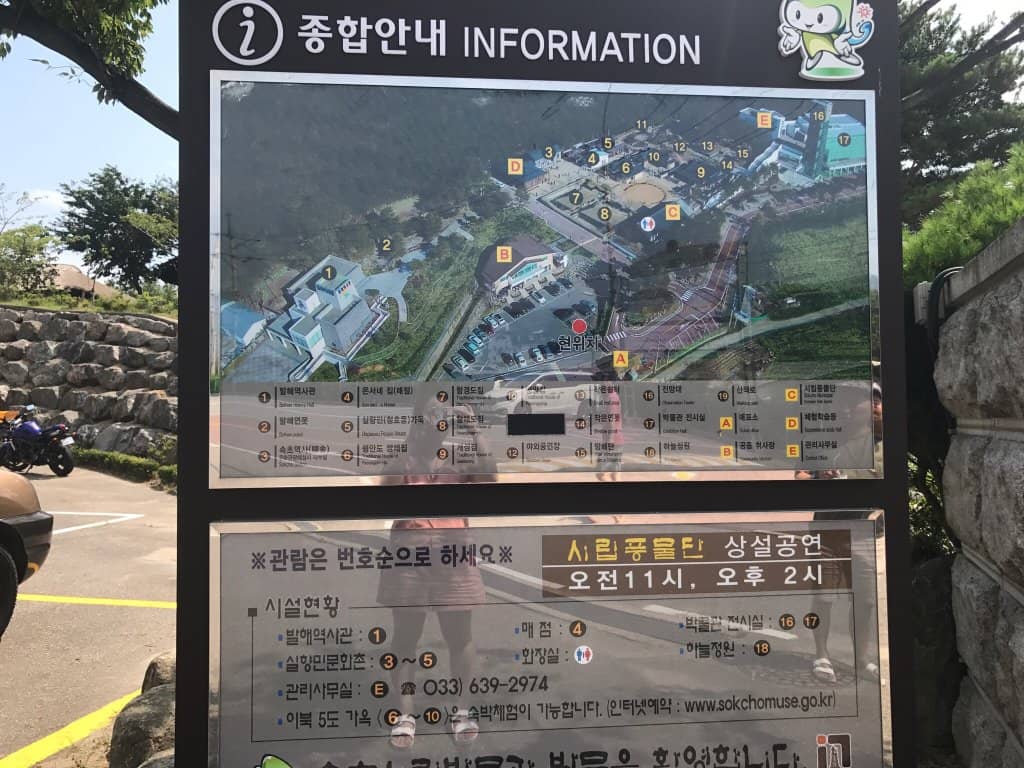
Don't miss the recreated homes outside the main museum for a tangible feel of the past. :housewithgarden:
Quick Facts
Hours
Rating
4.3 · 1,159 reviews
Type
Museum
Address
Highlights
Discover the most iconic attractions and experiences
Recreated Homes
Folk Village Area
Step into the past by exploring recreated homes of different social classes, from farmers to the elite.
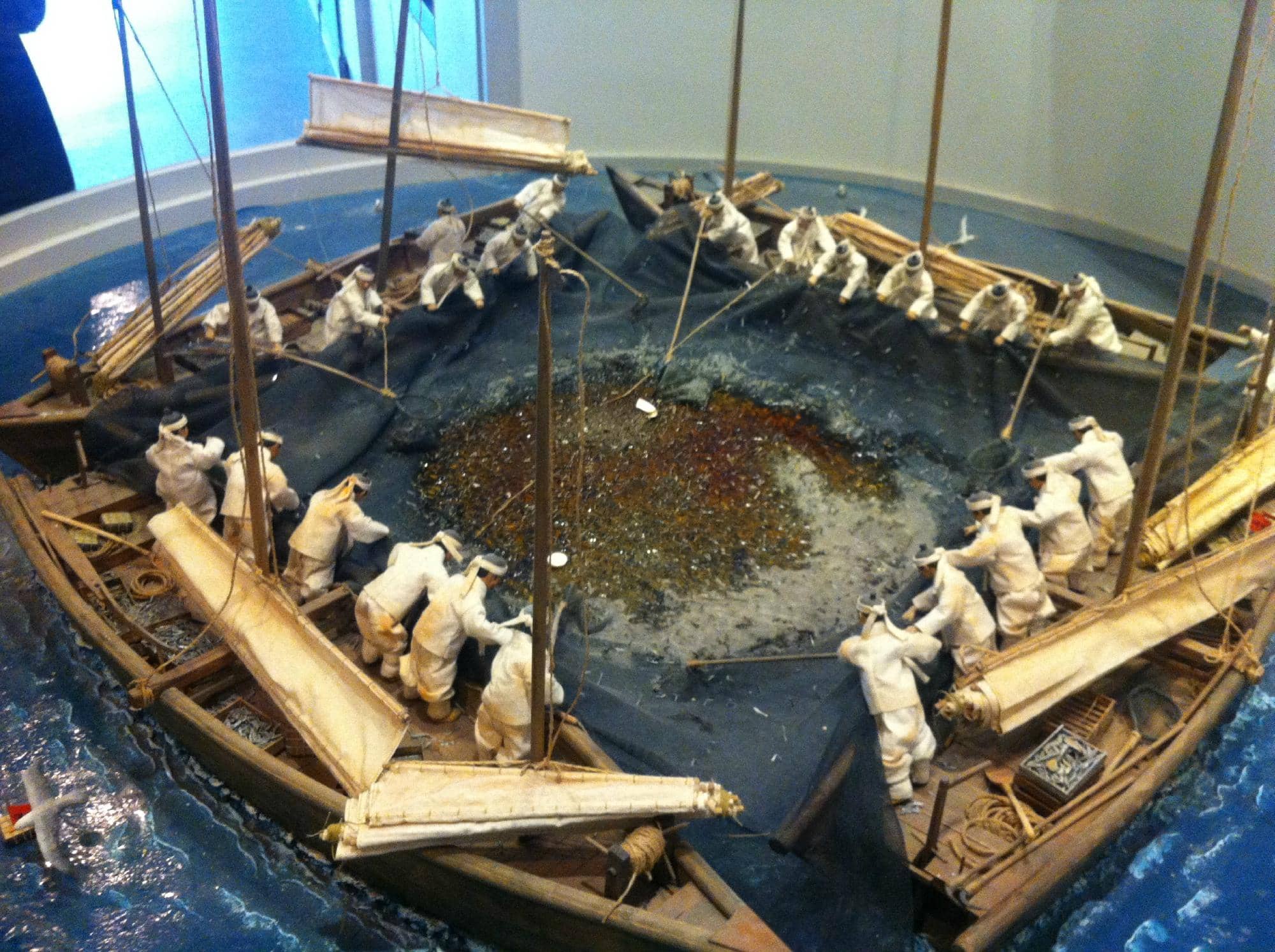
Fishing Industry History
Main Museum Exhibits
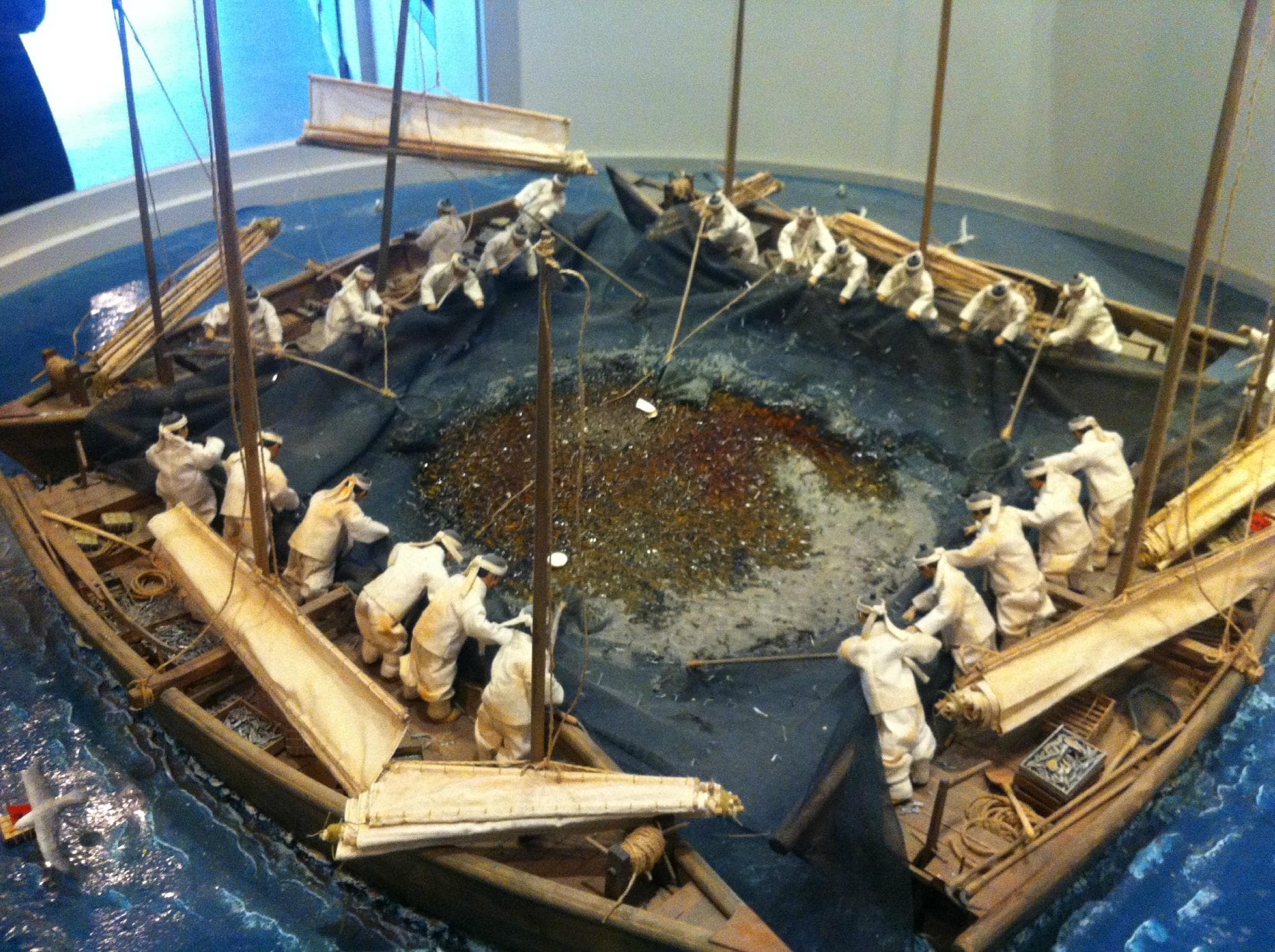
Discover the rich history of Sokcho's booming fishing industry from the 1930s to the present.
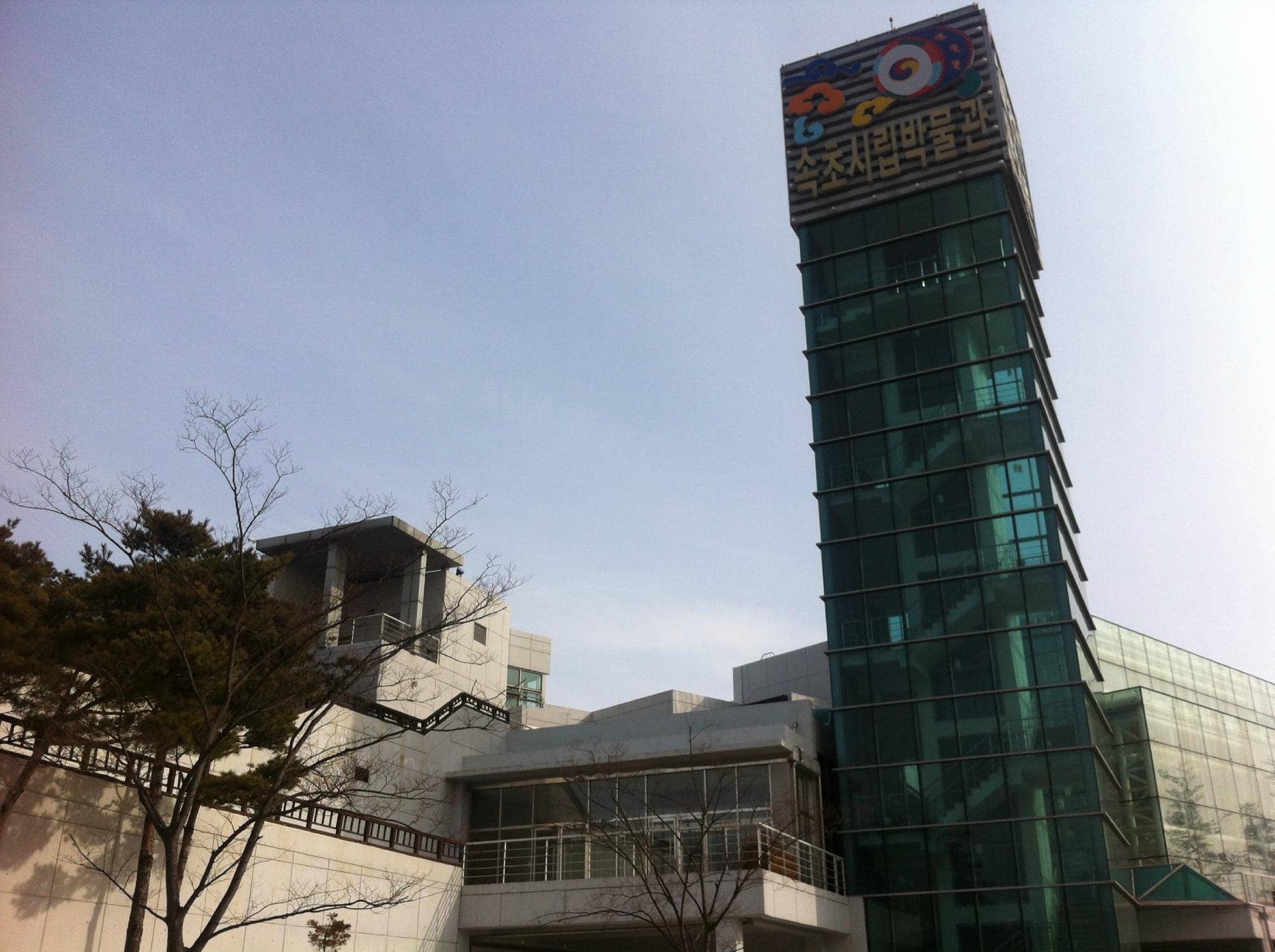
US Military Occupation Era
Main Museum Exhibits
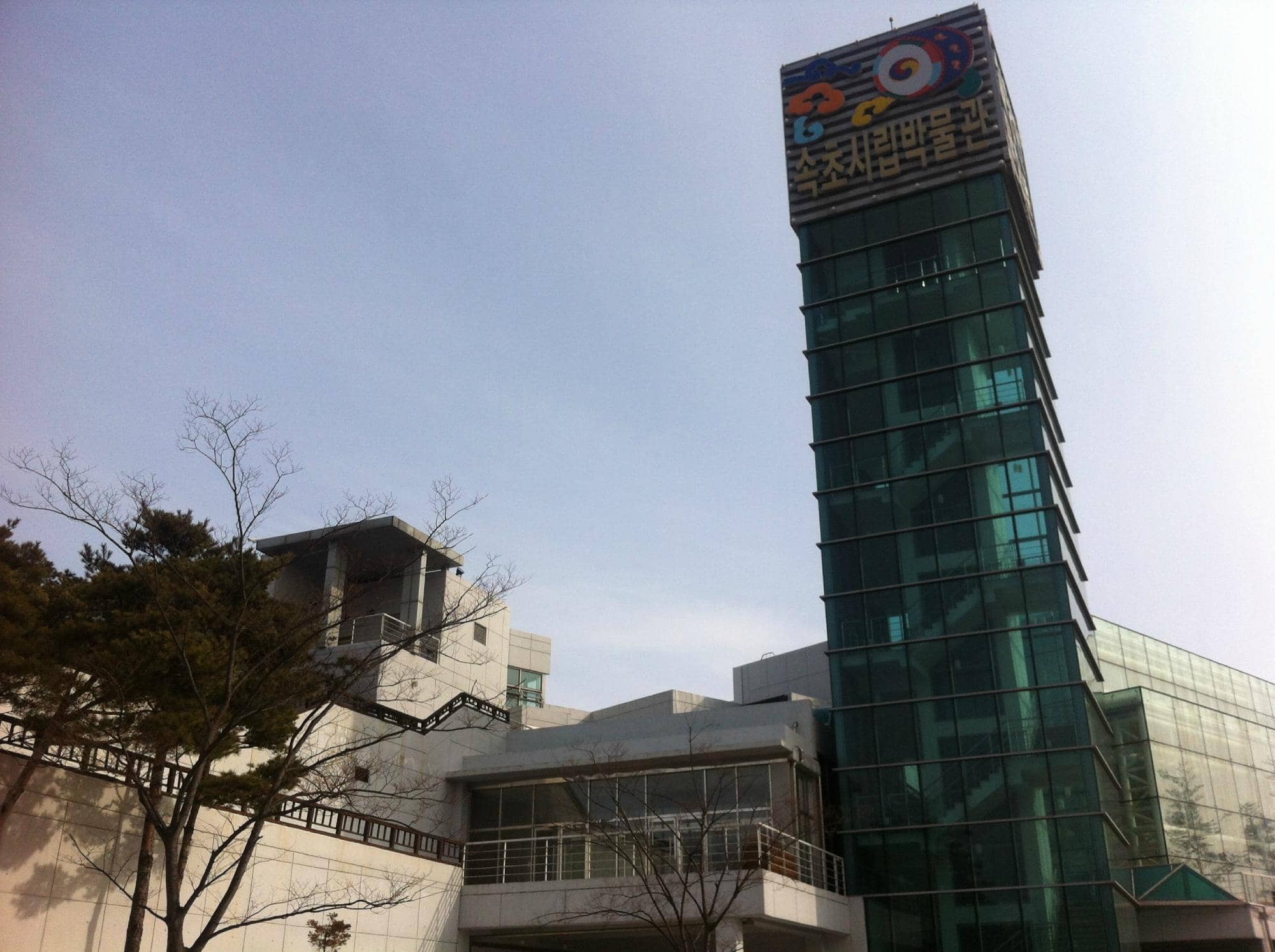
Gain insights into Sokcho's evolution during the US military occupation period.
Plans like a pro.
Thinks like you
Planning Your Visit
Understand the History
Language Barrier Awareness
Best Times
Insider Tips
from TikTok, Instagram & Reddit
Translate Key Info
Use a translation app for Korean-only text to enhance your understanding. :iphone:
Explore the Village
Don't miss the recreated homes outside the main museum for a tangible feel of the past. :housewithgarden:
Kid-Friendly Play Area
There's an educational playground for children, making it a good family stop. :child:
Quiet & Reflective
Enjoy the peaceful atmosphere to learn about Sokcho's development and resilience. :dove:
Tips
from all over the internet
Translate Key Info
Use a translation app for Korean-only text to enhance your understanding. :iphone:
Explore the Village
Don't miss the recreated homes outside the main museum for a tangible feel of the past. :housewithgarden:
Kid-Friendly Play Area
There's an educational playground for children, making it a good family stop. :child:
Quiet & Reflective
Enjoy the peaceful atmosphere to learn about Sokcho's development and resilience. :dove:
What Travellers Say
Reviews Summary
Visitors praise the museum for its comprehensive showcase of Sokcho's history, particularly its fishing industry and the compelling story of displaced civilians. The recreated homes in the folk village are a highlight, offering a tangible connection to the past. While some explanations are only in Korean, the visual exhibits and the educational playground for children make it an engaging and worthwhile visit for many.
"The museum showcases the history of Sokcho along with the history of Korea in general. Walk through the recreated homes of 3 different social classes. From the farmer's home to the upper class. Take a walk back in time during the US military occupation. read and see the history of the booming fishing industry. how rich the ocean provided for the area during the the 1930s to today."
Myra Alcoran
"The museum is quite big. There are also education play ground for kids. However some of explanations are only in Korean so it's quite uninformative for foreigner"
Jessica Hanary Geby
"Just amazing place"
Kristiina Keravuori
What People Like
What People Dislike
Frequently Asked Questions
🚇 🗺️ Getting There
The museum is located a short trip outside Sokcho city center. Public transportation options like local buses are available, though specific routes might require checking local transit apps. Taxis are also a convenient option for reaching the museum directly.
Yes, there is typically parking available for visitors at the Sokcho City Museum and Displaced Civilians Folk Village. It's advisable to check their official website or inquire locally for specific details on parking availability and any associated fees.
🎫 🎫 Tickets & Entry
Opening hours can vary, so it's best to check the official Sokcho City Museum website or local listings before your visit. Generally, museums operate during daytime hours on weekdays and weekends.
Admission fees for the Sokcho City Museum and Displaced Civilians Folk Village are usually quite affordable. Check their official website for the most current pricing information for adults, children, and any potential group discounts.
While advance ticket purchase might not always be necessary for smaller museums, it's a good practice to check if online booking is available. This can sometimes save you time upon arrival, especially during peak seasons.
🎫 🧭 Onsite Experience
The museum covers Sokcho's history, its booming fishing industry, and the lives of displaced civilians. You can explore recreated homes from different social classes and learn about the US military occupation era. +1
Yes, the museum has an educational playground for kids. The recreated village also offers a visual way for children to learn about historical living conditions.
While specific interactive exhibits aren't detailed in reviews, the recreated homes and the visual displays of the fishing industry offer an immersive experience. The children's play area is also interactive.
Given the size of the museum and the folk village area, plan for at least 1.5 to 2 hours to explore thoroughly. If you plan to read all the information, you might need more time.
Information on accessibility is not readily available in the provided reviews. It's recommended to contact the museum directly to inquire about wheelchair access and other mobility assistance options.
🍽️ 🍽️ Food & Dining
Details about on-site dining facilities are not provided in the reviews. It's common for museums to have a small cafe or snack bar, but for a full meal, you might need to explore dining options in nearby Sokcho city.
Since the museum is a short trip from Sokcho city, you'll find numerous dining options in the city center. Sokcho is known for its fresh seafood, so exploring local restaurants for fish dishes is highly recommended.
📸 📸 Photography
Photography policies can vary. Generally, personal photography for non-commercial use is permitted in many museum areas, but flash photography might be restricted to protect artifacts. It's best to look for signage or ask staff.
The recreated homes themselves offer charming photo opportunities, showcasing traditional Korean architecture. The outdoor setting of the folk village provides a picturesque backdrop for capturing historical ambiance.

Social
from TikTok, Instagram & Reddit