Real Monasterio de Santa Inés del Valle
A historic Poor Clare monastery in Écija, renowned for its Baroque architecture, spiritual ambiance, and exquisite handcrafted convent sweets.
Highlights
Must-see attractions

Social
From TikTok & Reddit
Best Time
Fewer crowds, peaceful atmosphere
Real Monasterio de Santa Inés del Valle
Best Time
Fewer crowds, peaceful atmosphere
Highlights
Must-see attractions
A historic Poor Clare monastery in Écija, renowned for its Baroque architecture, spiritual ambiance, and exquisite handcrafted convent sweets.
"A living testament to Andalusian devotion and sacred art, it deserves to be known and preserved."
🤫 Be Respectful
Remember it's an active monastery. Dress modestly and keep noise levels low.
🍬 Taste the Sweets
Don't leave without trying the delicious, handmade convent sweets!
Quick Facts
Hours
Rating
4.1 · 28 reviews
Type
Place of Worship
Highlights
Discover the most iconic attractions and experiences
Convent Sweets
Indulge in exquisite, handcrafted sweets made by the nuns – a centuries-old tradition.
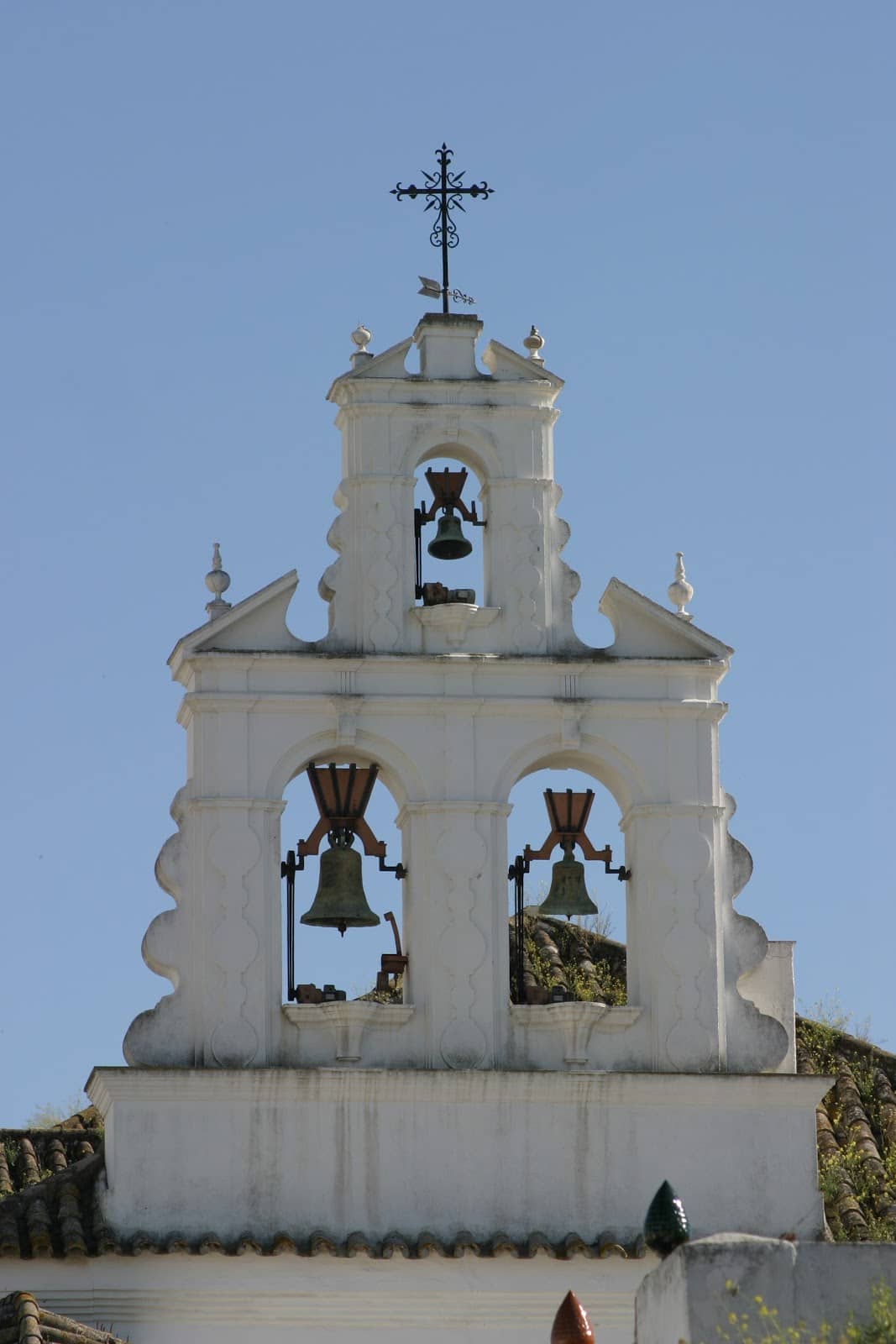
Baroque & Renaissance Architecture
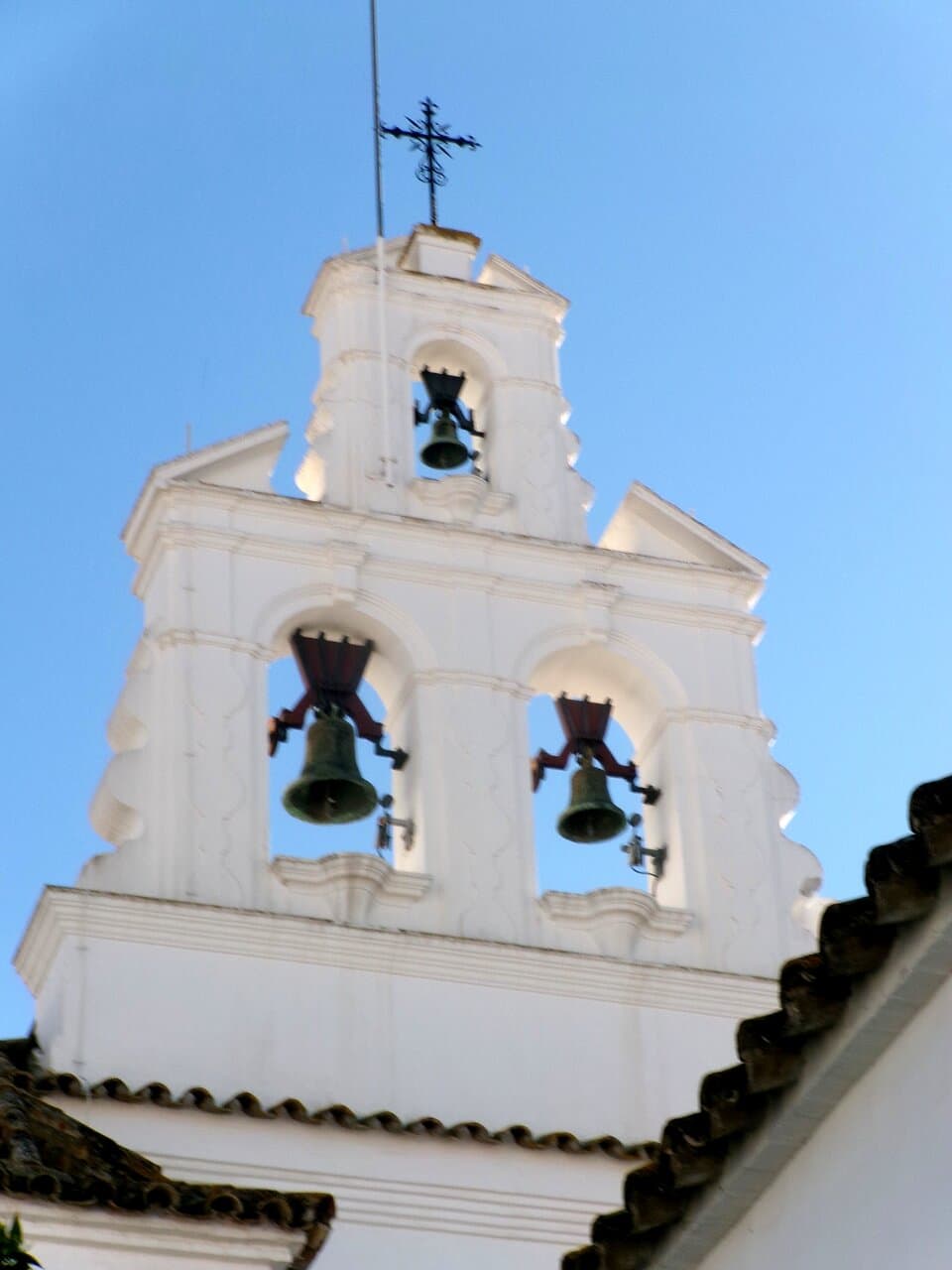
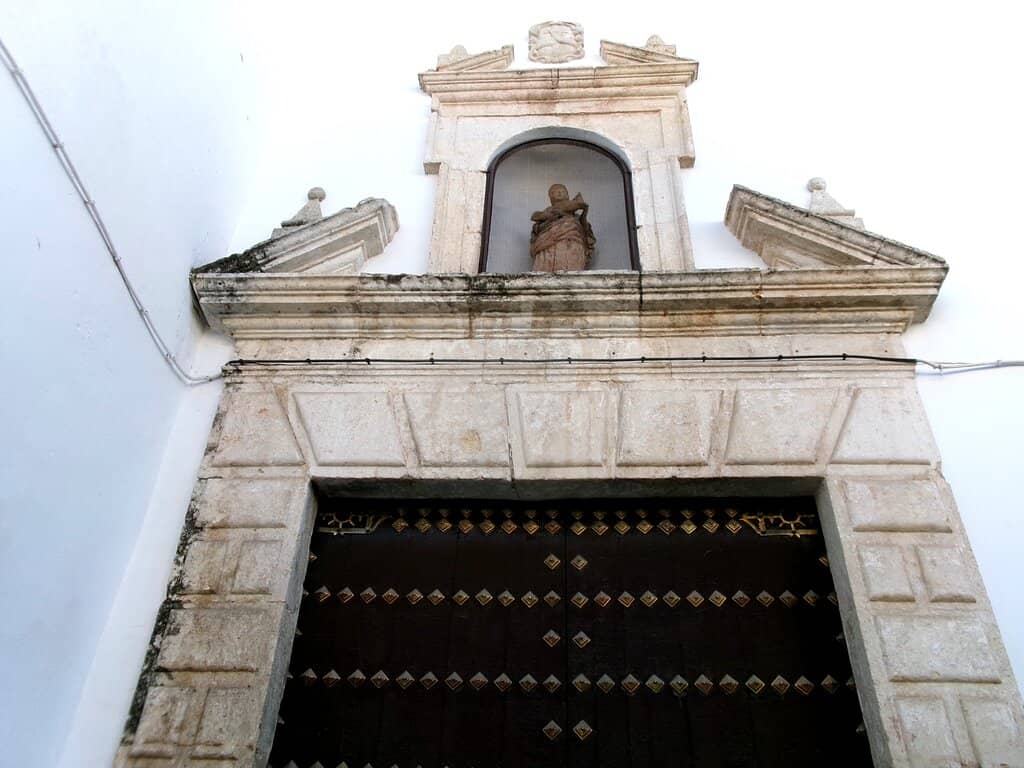
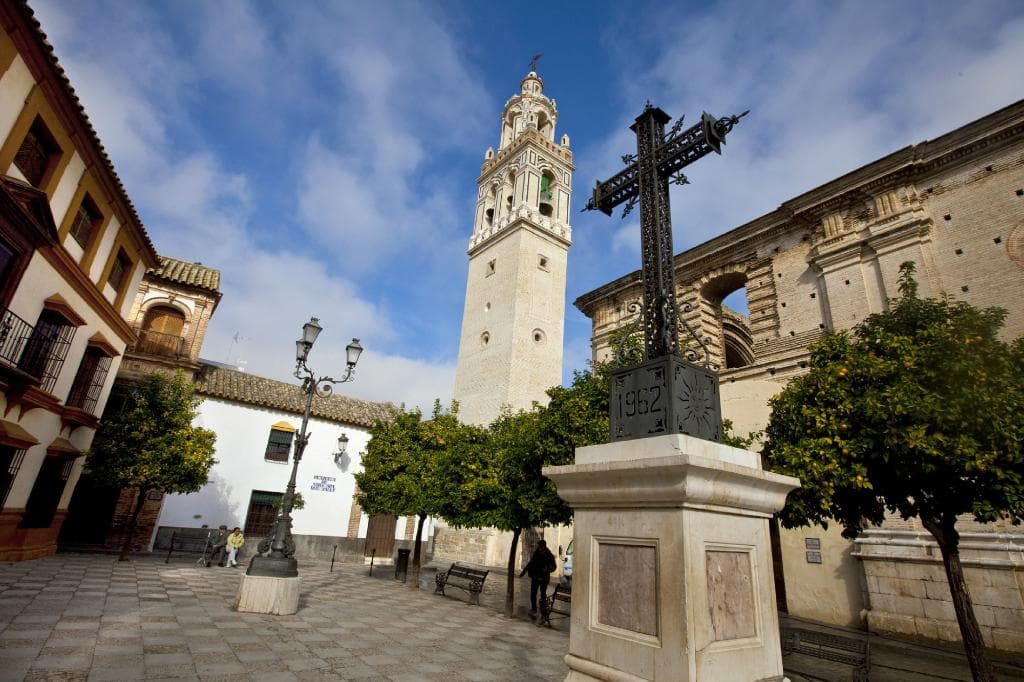
Admire the stunning facade and tower, showcasing rich historical architectural styles.
Intimate Chapel
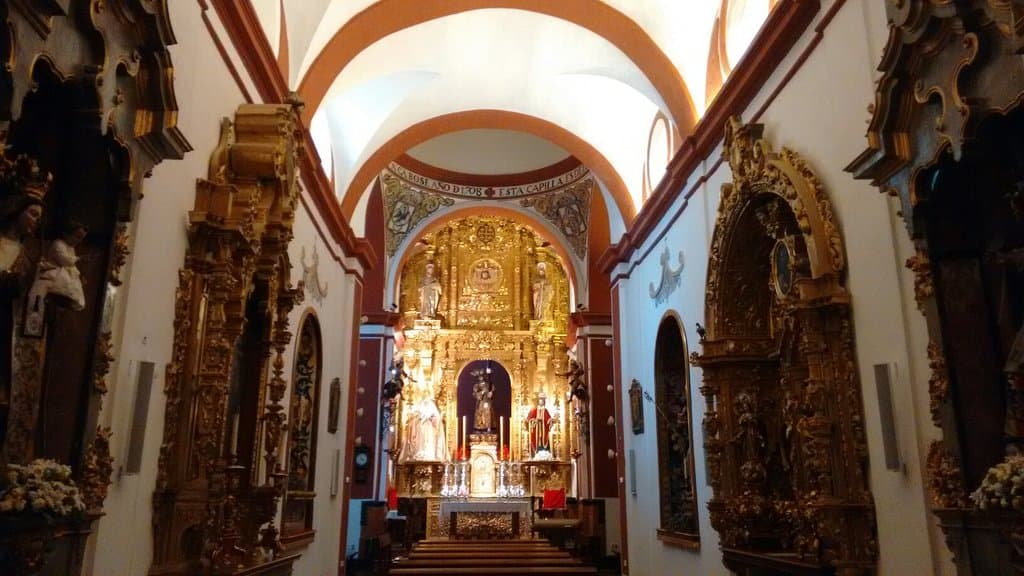
Experience a small, welcoming chapel adorned with intricate ornamentation and religious art.
Plans like a pro.
Thinks like you
Planning Your Visit
Respectful Visits & Sweet Treats
Timing Your Visit
Best Times
Insider Tips
from TikTok, Instagram & Reddit
🤫 Be Respectful
Remember it's an active monastery. Dress modestly and keep noise levels low.
🍬 Taste the Sweets
Don't leave without trying the delicious, handmade convent sweets!
🕰️ Check Hours
Visiting hours can be limited. Confirm times before your visit.
⛪ Admire the Art
Appreciate the Baroque and Renaissance details in the facade and chapel.
Tips
from all over the internet
🤫 Be Respectful
Remember it's an active monastery. Dress modestly and keep noise levels low.
🍬 Taste the Sweets
Don't leave without trying the delicious, handmade convent sweets!
🕰️ Check Hours
Visiting hours can be limited. Confirm times before your visit.
⛪ Admire the Art
Appreciate the Baroque and Renaissance details in the facade and chapel.
What Travellers Say
Reviews Summary
Visitors consistently praise the Real Monasterio de Santa Inés del Valle as a jewel of Écija's religious heritage, highlighting its peaceful atmosphere and beautiful Baroque/Renaissance architecture. The handcrafted convent sweets are a major draw, offering a delicious taste of tradition. While it's an active monastery with limited access, its spiritual ambiance and historical significance make it a highly recommended visit for those seeking a quiet and culturally rich experience.
"This historic Poor Clare monastery is a jewel of Écija's religious heritage. Founded in the 15th century, it maintains the monastic tradition of enclosure and is renowned for its high-quality, handcrafted convent sweets. Its architecture displays beautiful Baroque and Renaissance elements, particularly in its façade and tower. It represents a place of peace and spirituality, forming a fundamental part of Écija's religious history. A living testament to Andalusian devotion and sacred art, it deserves to be known and preserved."
Alicia Fernández
"A truly wonderful place. Besides seeing the history of the convents and their churches—usually barrels here in Écija—the interior is very welcoming. It's a small, intimate chapel that stands out for its ornamentation and is well worth seeing, in addition to visiting one of the churches, or rather, chapels of a convent deeply rooted in the history of Écija.
An excellent place to visit."
yolanda dugo
"Located in the heart of the city of Écija, the Royal Convent of Santa Inés belongs to the Community of Franciscan Poor Clares. The first foundation was made outside the city walls, later moving to its current location, about two hundred steps from the town center, bordering the road that led to the Sanctuary of the Patron Saint, Our Lady of the Valley, from which it takes its name. This definitive foundation dates back to 1487.
According to tradition, the convent received valuable contributions from the beginning of its founding, including those of the Catholic Queen, who stayed at the monastery and provided substantial alms that paid for the choir stalls, produced choir books, brought water to the convent, and so on. Empress Maria of Austria and Infanta Isabella Clara Eugenia were also benefactors of the House, to which they bequeathed valuable relics, including a thorn from the crown of Jesus. The Ecijan nobility and the city council showed their affection for the Franciscan monastery.
The church is a large nave covered with barrel vaults and lunettes in the main nave and half-orange vaults in the presbytery. It is richly decorated with plasterwork, paintings of the Marian mysteries, and Franciscan scenes, of little artistic value but with a keen ornamental sense. The temple was built at the end of the first quarter of the 17th century, and the architects of this curious composition were Ecijan master builders.
The main altarpiece is composed of two parts: the first is a large central group with the Manifestor and side boxes for the images of Saint Joseph and Saint Joachim. In the lower part, a tabernacle with a half-orange vault topped by a lantern containing the sculpture of the Immaculate Conception. The second part of the altarpiece completes the chapel's end wall and features various artistic collections of medium artistic value, including a relief depicting the story of Saint Clare and the Saracens from around 1630."
Javier Gonzalez-Soria
What People Like
What People Dislike
Frequently Asked Questions
🚇 🗺️ Getting There
The monastery is located in the heart of Écija, just a short walk from the town center. If you're arriving by car, there are parking options available nearby, though navigating narrow city streets might require some patience.
Yes, it's centrally located and well-known within Écija. Asking locals for directions to the 'Convento de Santa Inés' will easily guide you there.
🎫 🎫 Tickets & Entry
Entry to the monastery is generally free, as it is a place of worship and a living convent. However, donations are always appreciated to help with its upkeep.
The opening hours can vary as it is an active religious site. It's highly recommended to check the most current visiting times directly with the monastery or local tourist information before your visit to avoid disappointment.
Visitors can typically access the church and certain common areas. Due to the enclosed nature of the Poor Clare nuns' life, access to private monastic quarters is restricted.
🎫 🧭 Onsite Experience
The atmosphere is described as peaceful, welcoming, and spiritual. It's a place of quiet contemplation, offering a serene escape from the bustling city.
The monastery showcases beautiful Baroque and Renaissance elements, particularly evident in its facade and tower. The church interior is richly decorated with plasterwork and paintings.
The church features a main altarpiece with various sculptures and is decorated with paintings of Marian mysteries and Franciscan scenes. It also holds valuable relics, including one from the crown of Jesus.
Photography rules can vary. It's best to observe any posted signs or politely inquire with monastery staff before taking pictures, especially in the church area, to ensure respect for the sacred space.
🍽️ 🍽️ Food & Dining
The monastery is renowned for its high-quality, handcrafted convent sweets. These traditional pastries and cookies are a must-try for visitors.
The sweets are typically sold directly at the monastery, often through a discreet window or reception area. It's a unique opportunity to support the nuns and enjoy a delicious treat.
📸 📸 Photography
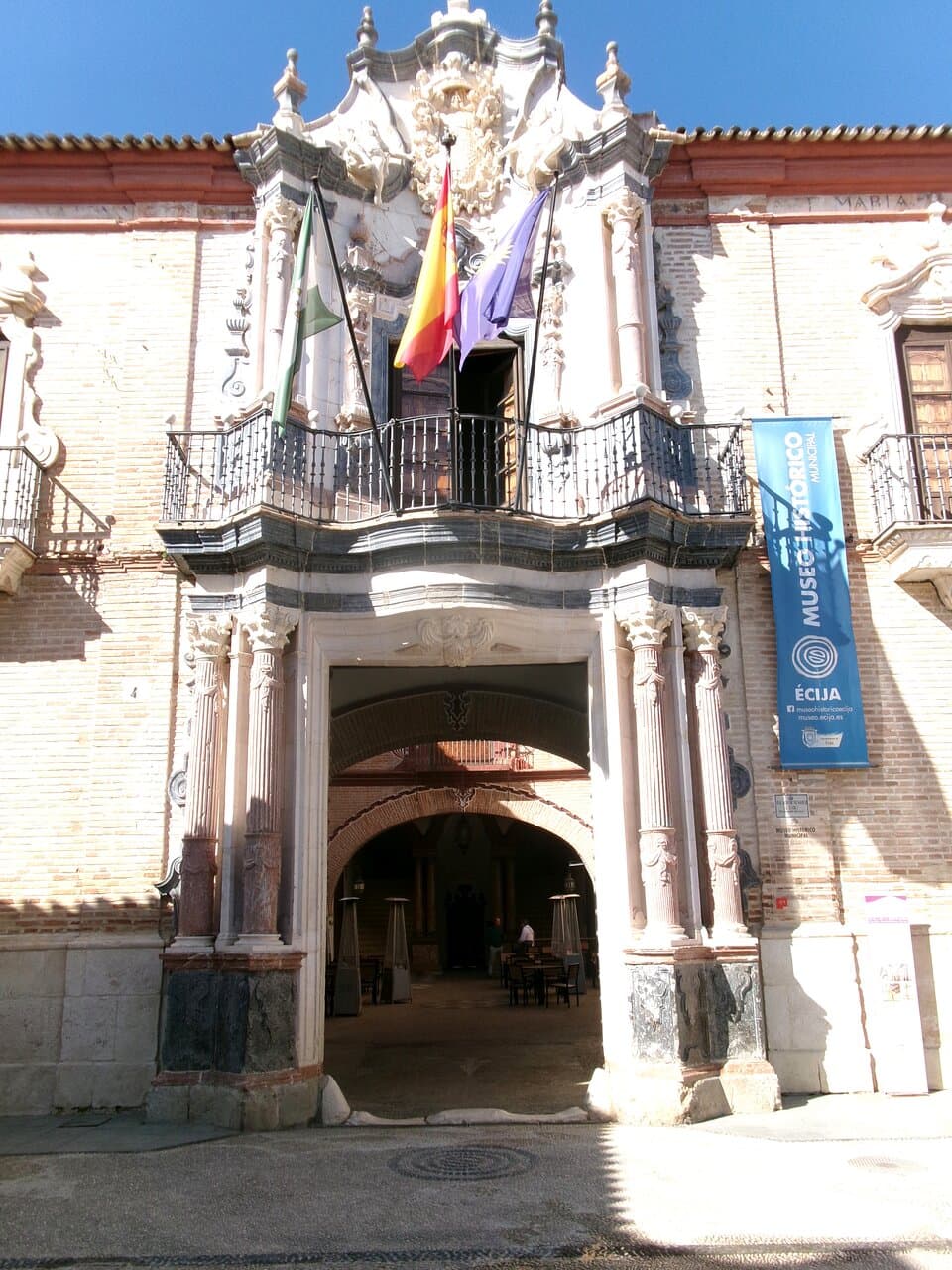
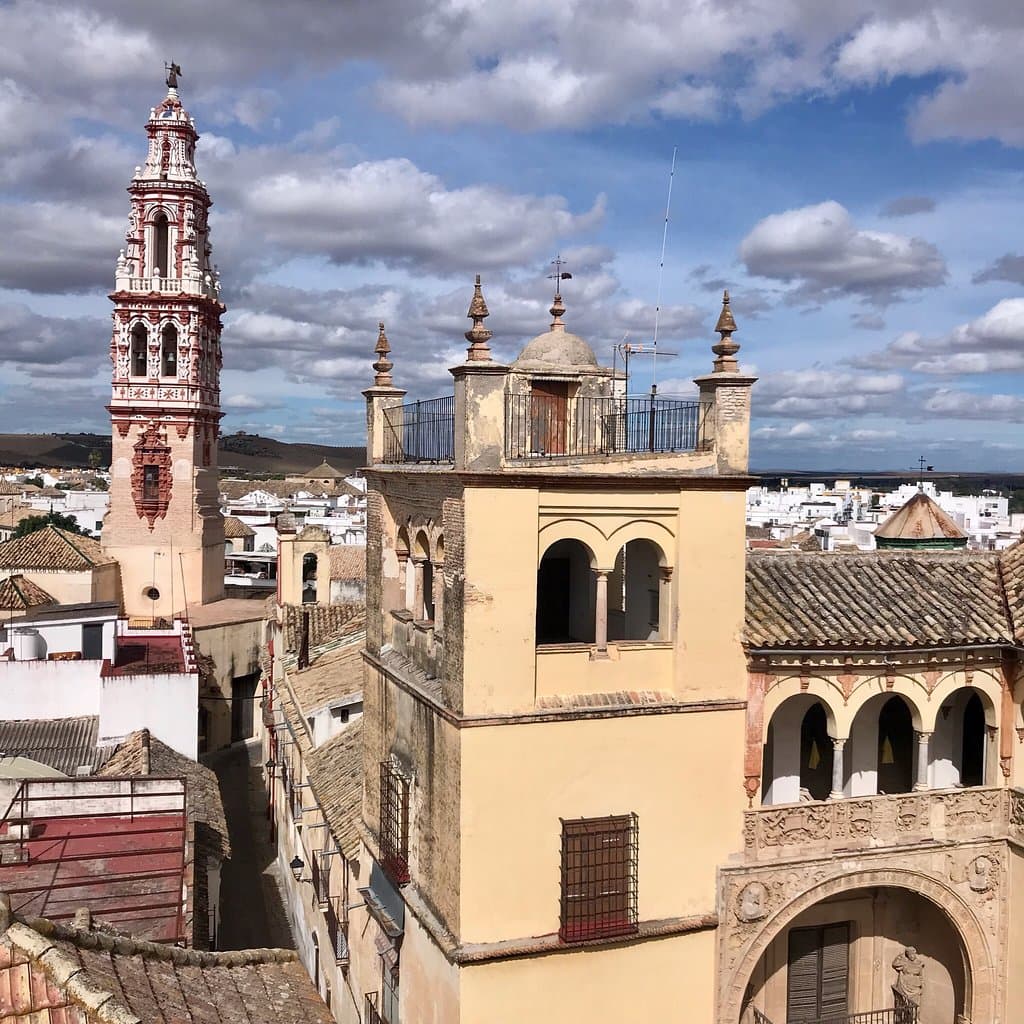
The facade and tower offer great exterior shots. Inside, the chapel's ornamentation and altarpiece are visually striking, but always be mindful of photography restrictions.
Yes, you can usually photograph the sweets before you purchase or enjoy them. They are often beautifully presented, making for appealing shots.
Social
from TikTok, Instagram & Reddit