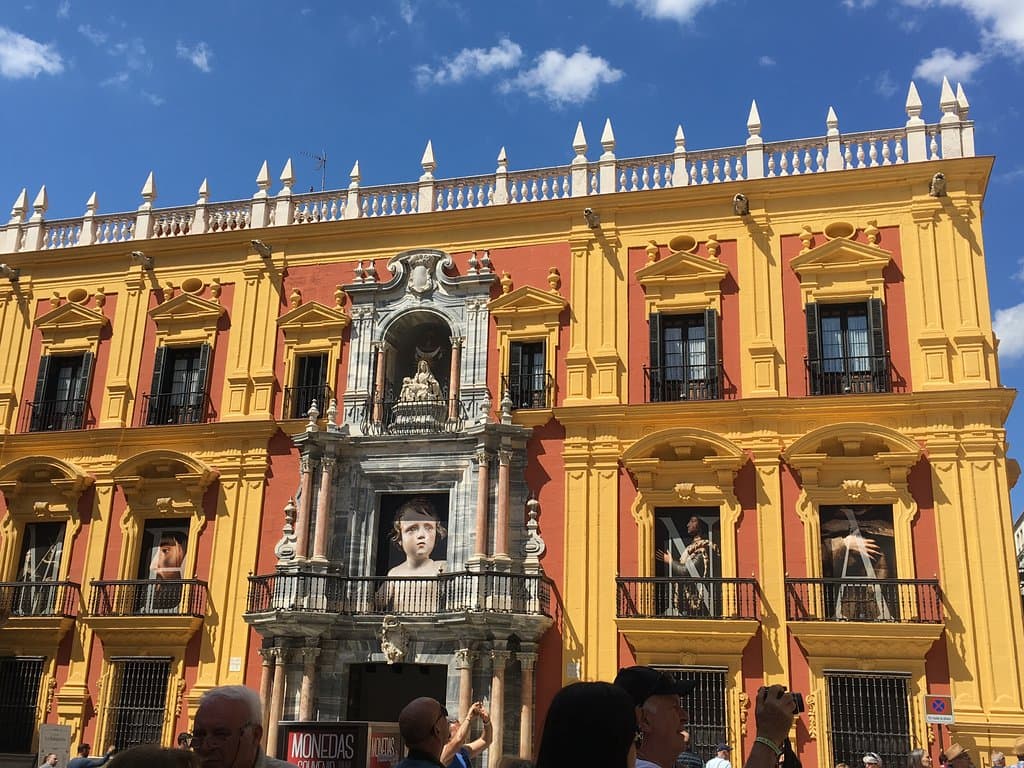
Episcopal Palace and Diocesan Museum
Explore centuries of sacred art and 18th-century architecture at the Episcopal Palace and Diocesan Museum in stunning Albarracín.
Highlights
Must-see attractions

Social
From TikTok & Reddit
Best Time
Pleasant weather, fewer crowds
Episcopal Palace and Diocesan Museum
Best Time
Pleasant weather, fewer crowds
Highlights
Must-see attractions
Explore centuries of sacred art and 18th-century architecture at the Episcopal Palace and Diocesan Museum in stunning Albarracín.
"A visit to this Episcopal Palace is highly recommended, as is a visit to the spectacular and authentic town of Albarracín."
Book Guided Tours
Highly recommended for in-depth history and context. Check schedules in advance! 🎟️
Wear Comfortable Shoes
You'll be exploring historic streets and palace interiors. :athletic_shoe:
Quick Facts
Rating
4.1 · 9 reviews
Type
Tourist Attraction
Highlights
Discover the most iconic attractions and experiences
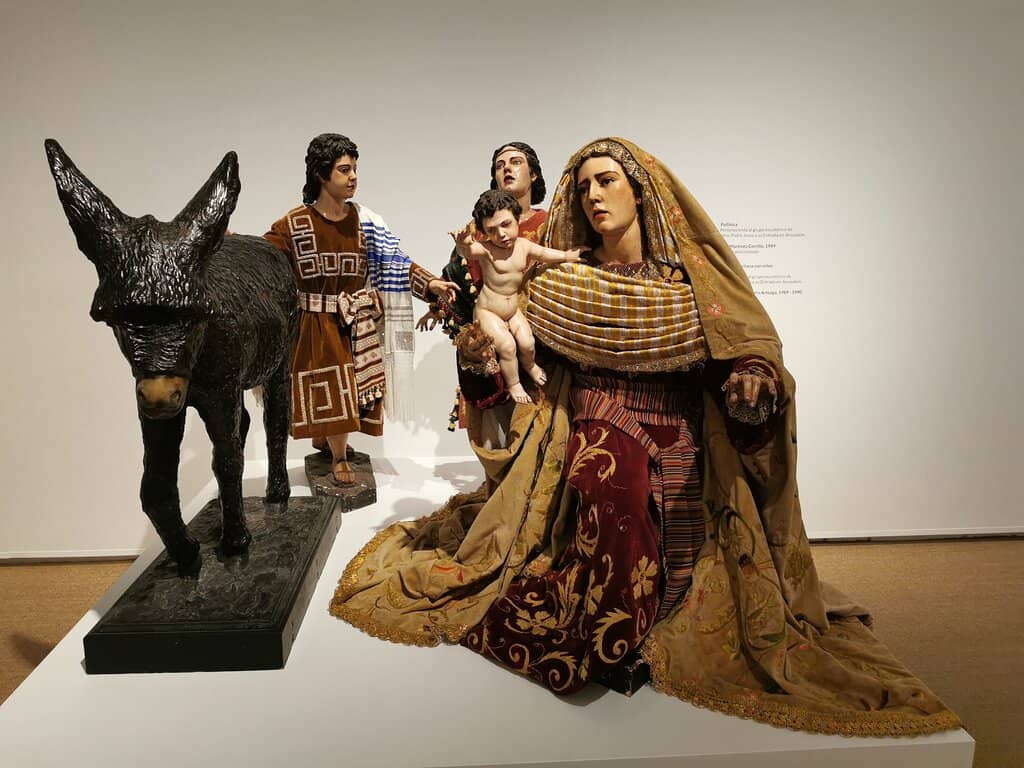
Diocesan Museum Collections
Inside the Episcopal Palace
Explore sacred art, paintings, sculptures, and liturgical objects spanning centuries of religious history.
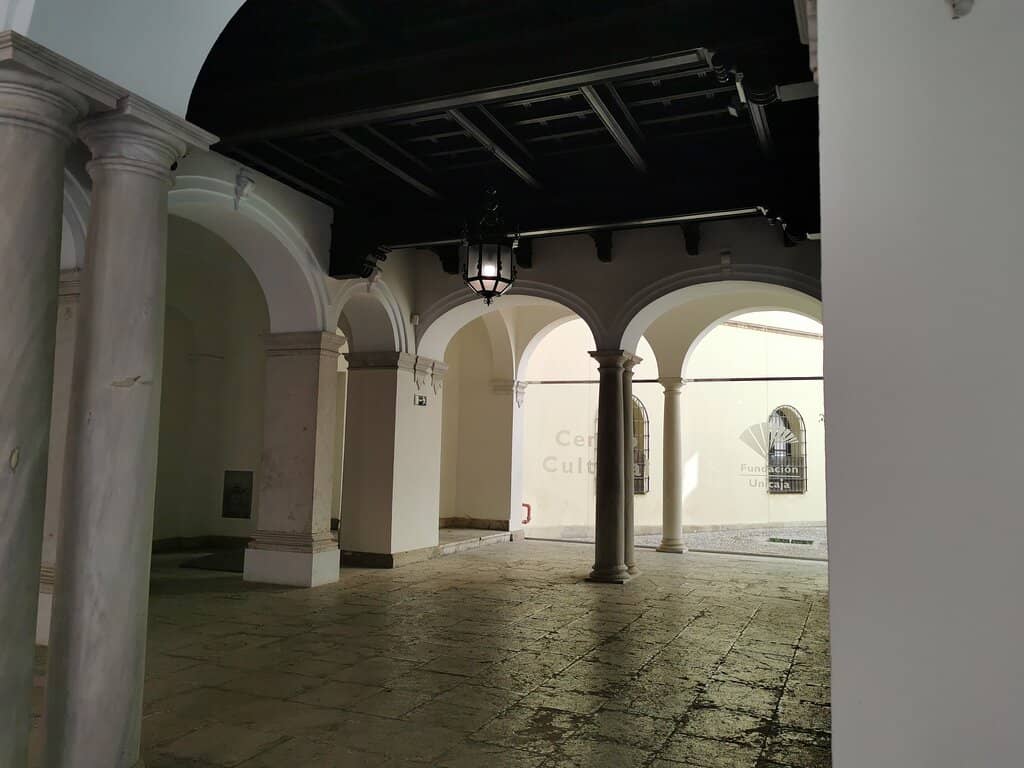
18th-Century Architecture
Episcopal Palace
Admire the sober yet majestic facade and richly decorated halls, a testament to Enlightenment-era domestic architecture.
Panoramic Town Views
From the Palace
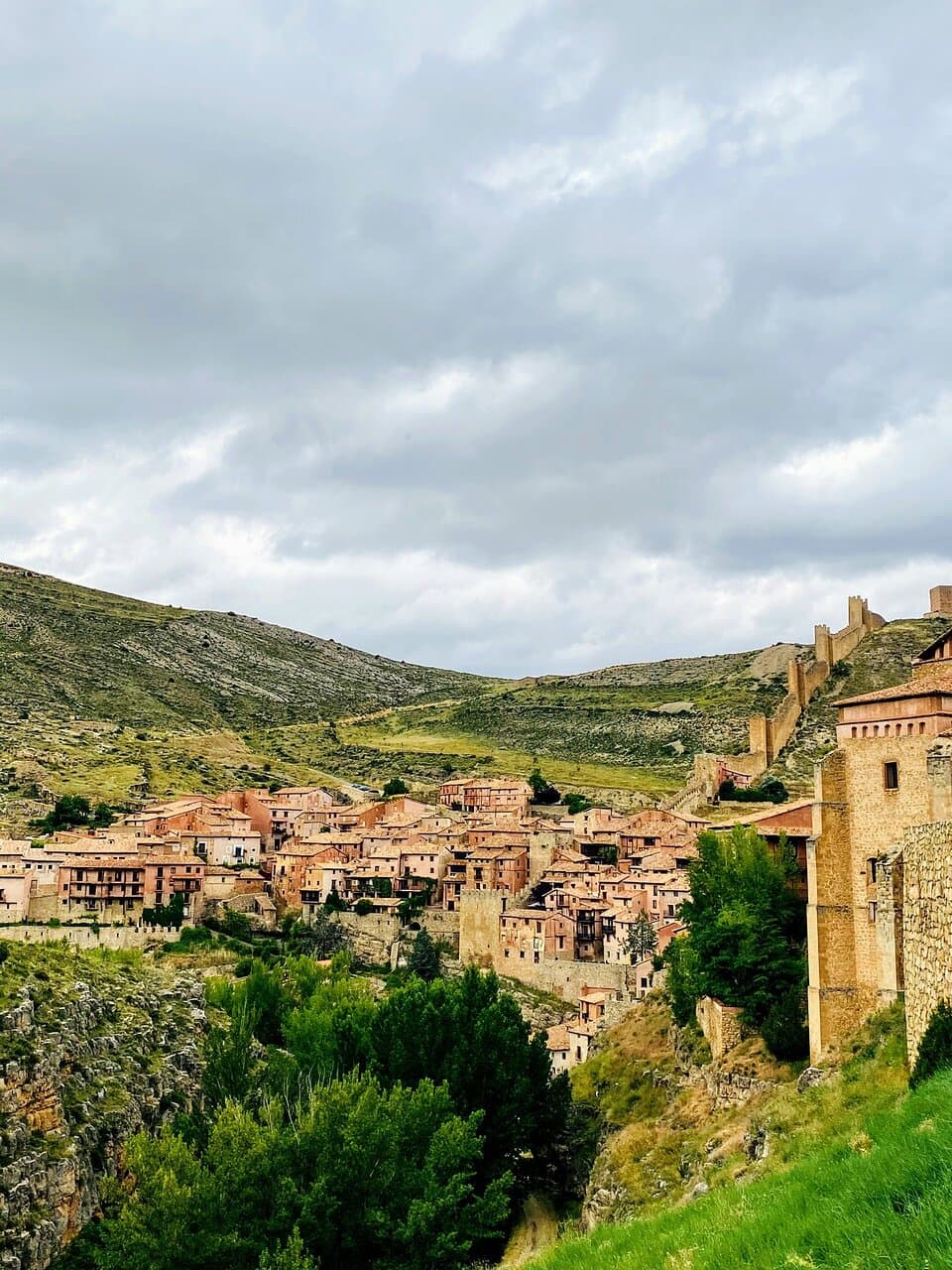
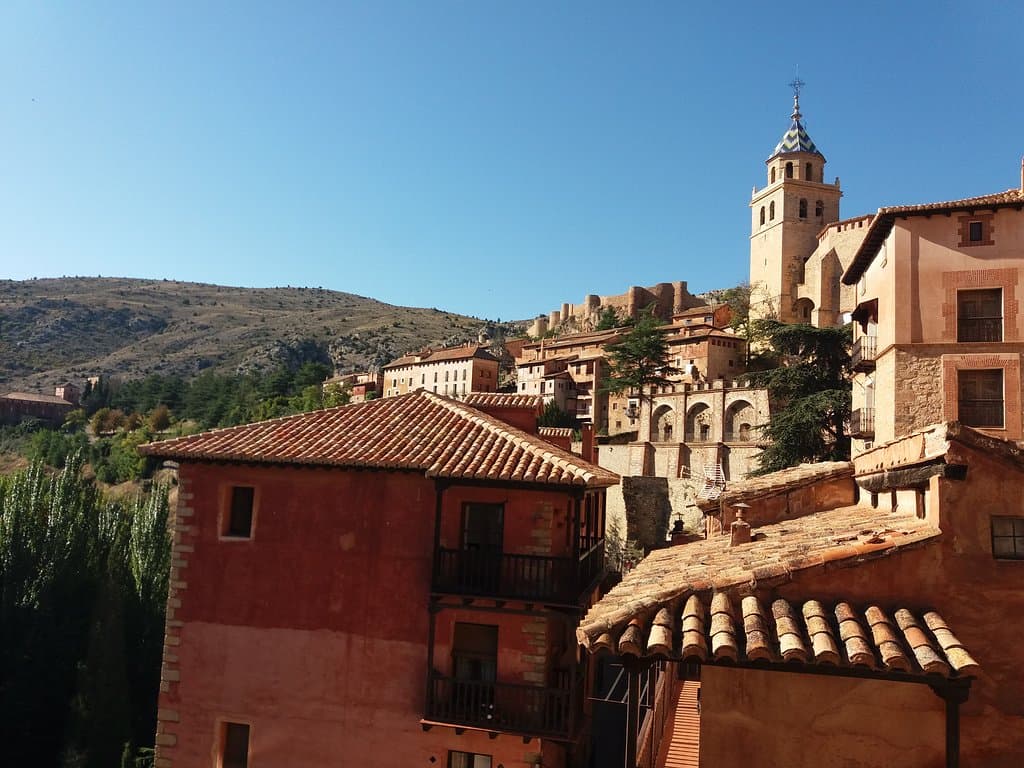
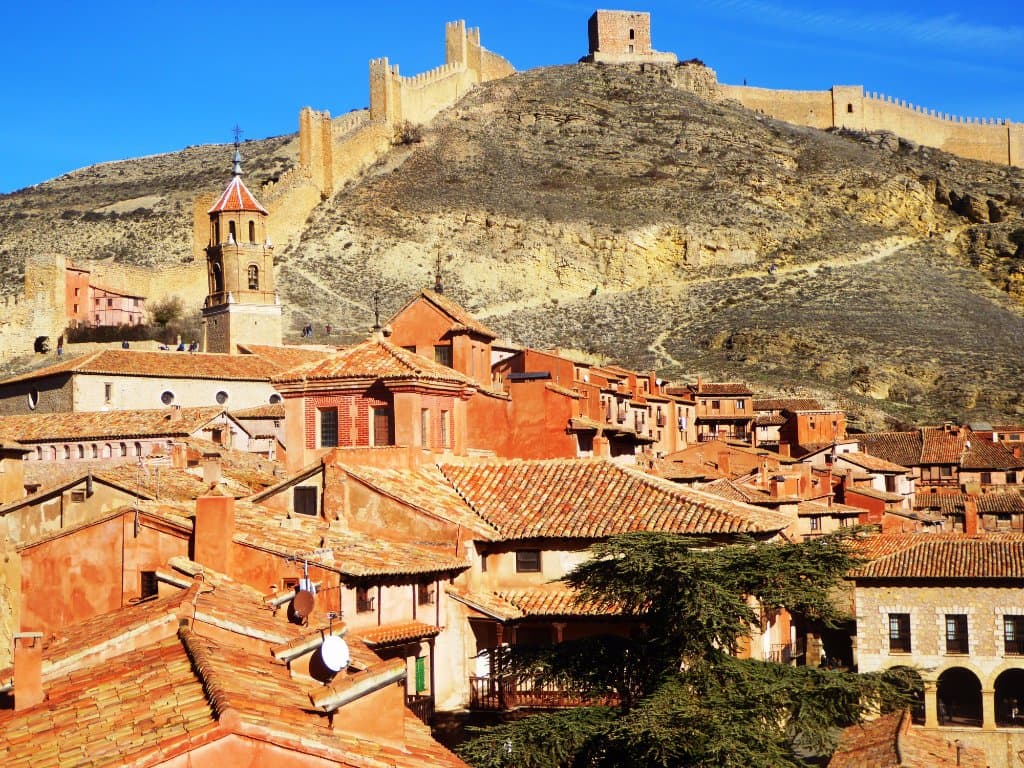
Enjoy breathtaking vistas of Albarracín's historic center and the surrounding picturesque landscape.
Plans like a pro.
Thinks like you
Planning Your Visit
Timing Your Visit
Access and Tours
Best Times
Insider Tips
from TikTok, Instagram & Reddit
Book Guided Tours
Highly recommended for in-depth history and context. Check schedules in advance! 🎟️
Wear Comfortable Shoes
You'll be exploring historic streets and palace interiors. :athletic_shoe:
Check Access Beforehand
Sometimes used for cultural events, so verify availability. 📅
Combine with Town Visit
Albarracín is one of Spain's most beautiful towns! ✨
Tips
from all over the internet
Book Guided Tours
Highly recommended for in-depth history and context. Check schedules in advance! 🎟️
Wear Comfortable Shoes
You'll be exploring historic streets and palace interiors. :athletic_shoe:
Check Access Beforehand
Sometimes used for cultural events, so verify availability. 📅
Combine with Town Visit
Albarracín is one of Spain's most beautiful towns! ✨
What Travellers Say
Reviews Summary
Visitors highly recommend the Episcopal Palace and Diocesan Museum for its rich history, impressive 18th-century architecture, and the valuable sacred art collections within the museum. The panoramic views of Albarracín are a significant highlight, making it a must-visit for those exploring this beautiful town. Some visitors note that access can sometimes be restricted due to cultural events, and guided tours are essential for a full appreciation.
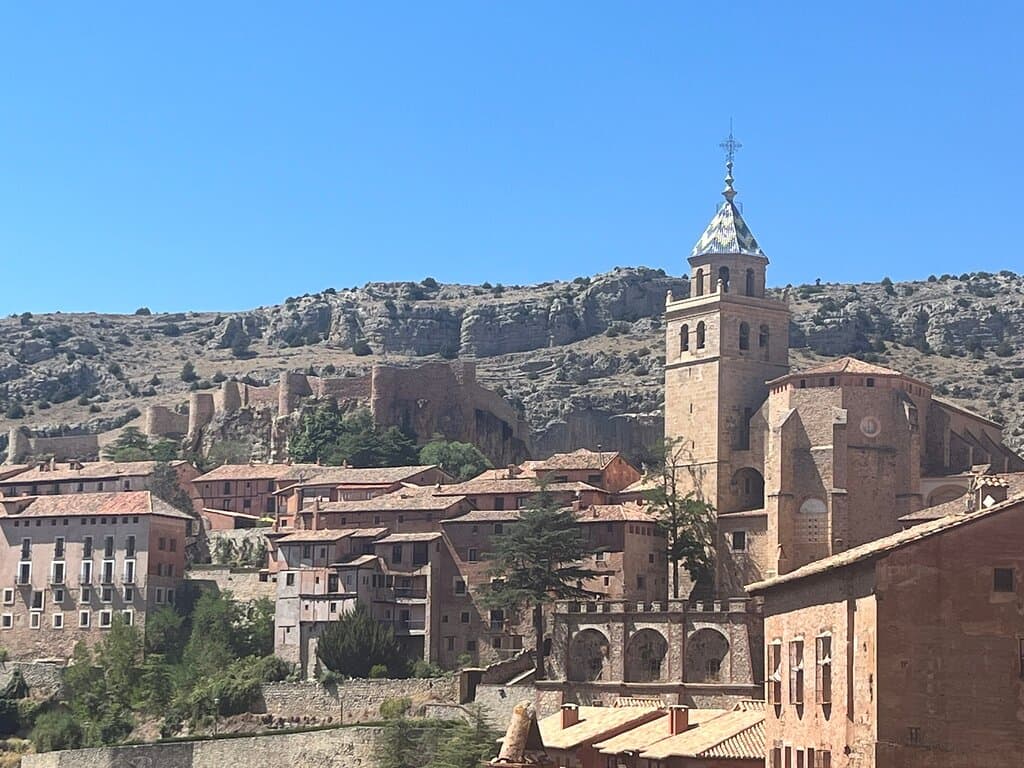
"This Bishop's Palace, or Episcopal Palace, is annexed to the Cathedral of the Savior of Albarracín, across the sober cloister, located on the town's Cathedral Street. It is the most important residential building in the city of Albarracín. Its current 18th-century layout and design are attributed to the reigns of bishops Juan Navarro Gilaberte, Juan Francisco Navarro Salvador y Gilaberte, and José Molina Lario. The spaces and atmospheres of the Episcopal Palace are an interesting and admirable example of 18th-century domestic architecture and evoke the lifestyle of those who governed one of the most modest bishoprics in Spain during the Enlightenment. A visit to this Episcopal Palace is highly recommended, as is a visit to the spectacular and authentic town of Albarracín, included on the List of the Most Beautiful Towns in Spain."
José Antonio Sebastián García
"The Episcopal Palace of Albarracín is one of the town's most emblematic and significant buildings. Here's a summary of the most interesting facts about this palace, including emojis:
1. History and Construction 🏛️⏳:
- 16th Century: The Episcopal Palace was built in the 16th century, during Albarracín's period of greatest splendor.
- Bishops' Residence 📜: It served as the residence of the bishops of the Diocese of Albarracín, serving as a center of religious and administrative power.
2. Impressive Architecture 🏰:
- Renaissance Style 🏛️: The building combines elements of Renaissance architecture with Gothic details, creating a majestic structure.
- Sober Facade 🏠: The façade has simple, sober lines, reflecting the austerity and ecclesiastical power of the period.
3. Privileged Location 📍:
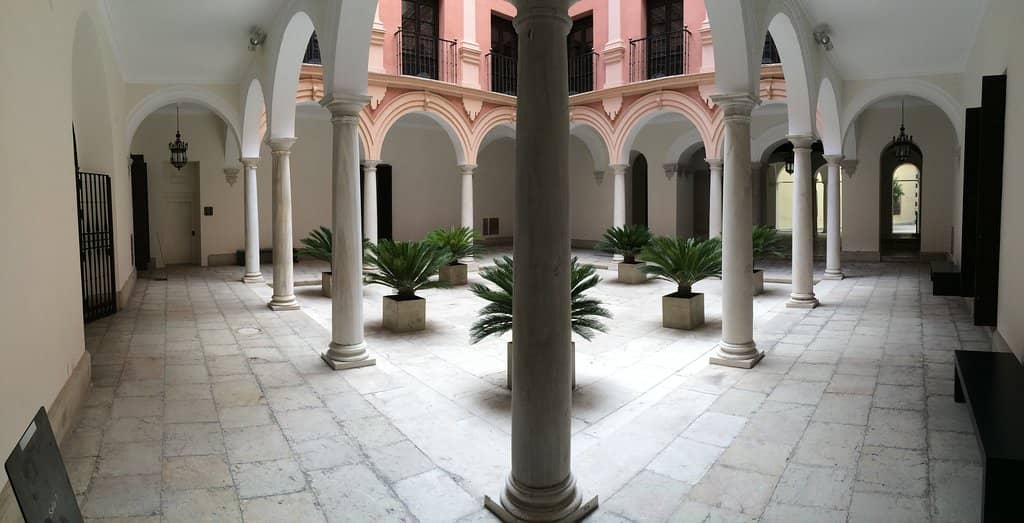
- Historic Center 🏘️: Located in the heart of Albarracín's historic center, near the Cathedral of El Salvador and other important buildings.
- Panoramic Views 🌄: From the palace, you can enjoy panoramic views of the town and the surrounding landscape.
4. Luxurious Interior 🎨:
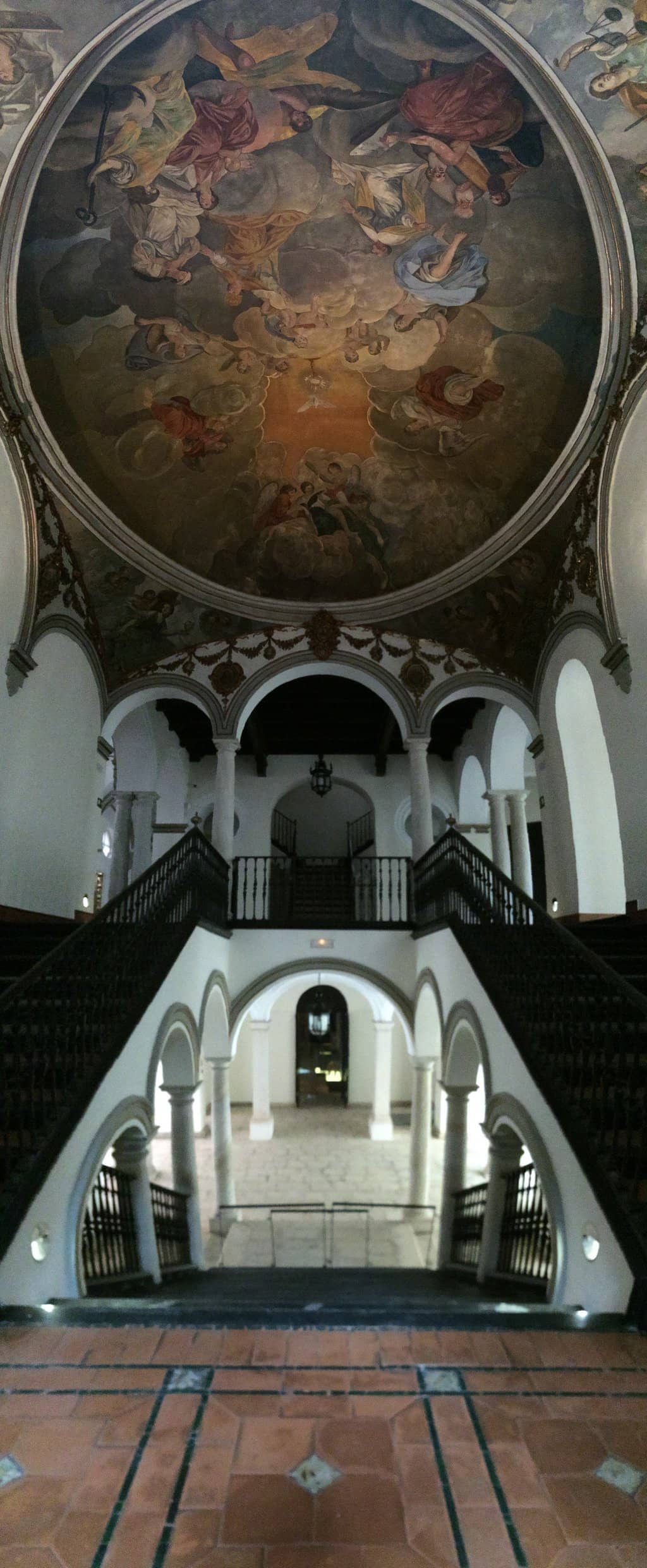
- Decorated Halls 🖼️: The interior of the palace features richly decorated halls, with frescoes, tapestries, and antique furniture.
- Private Chapel ⛪: Includes a private chapel that was used by the bishops for religious ceremonies.
5. Diocesan Museum 🖼️:
- Art Collections 🖌️: Currently, the Episcopal Palace houses the Diocesan Museum, with collections of sacred art, including paintings, sculptures, and liturgical objects.
- History and Culture 📜: The museum offers an in-depth look at the religious and cultural history of Albarracín.
6. Tourism and Visits 🌟:
- Guided Tours 👣: Guided tours are available to learn in detail about the history and architecture of the palace.
- Photo Spot 📸: It is a popular spot for taking photographs due to its beauty and historical value.
In short, the Episcopal Palace of Albarracín is a historical treasure 🏛️, with impressive architecture 🏰 and a rich religious history 📜. Its prime location 📍 and luxurious interior 🎨 make it a must-visit for those exploring the charming village of Albarracín. 🌟👣📸"
Basajue 11
"Former episcopal palace, now a meeting room
Photos and review in March 2025"
Domingo González Gálvez
What People Like
What People Dislike
Frequently Asked Questions
🚇 🗺️ Getting There
The Episcopal Palace and Diocesan Museum are located in the historic center of Albarracín, a town renowned for its beauty. If you're driving, be aware that parking can be challenging within the old town due to its narrow streets. Many visitors park outside the historic center and walk in. Public transport options to Albarracín are limited, so it's often best reached by car. The palace is situated near the Cathedral of El Salvador, making it easy to find once you're in the town's heart.
Public transport to Albarracín is not as frequent as in larger cities. Bus services connect Albarracín to Teruel, which is the nearest major city with a train station. It's advisable to check bus schedules in advance, as services can be limited, especially on weekends.
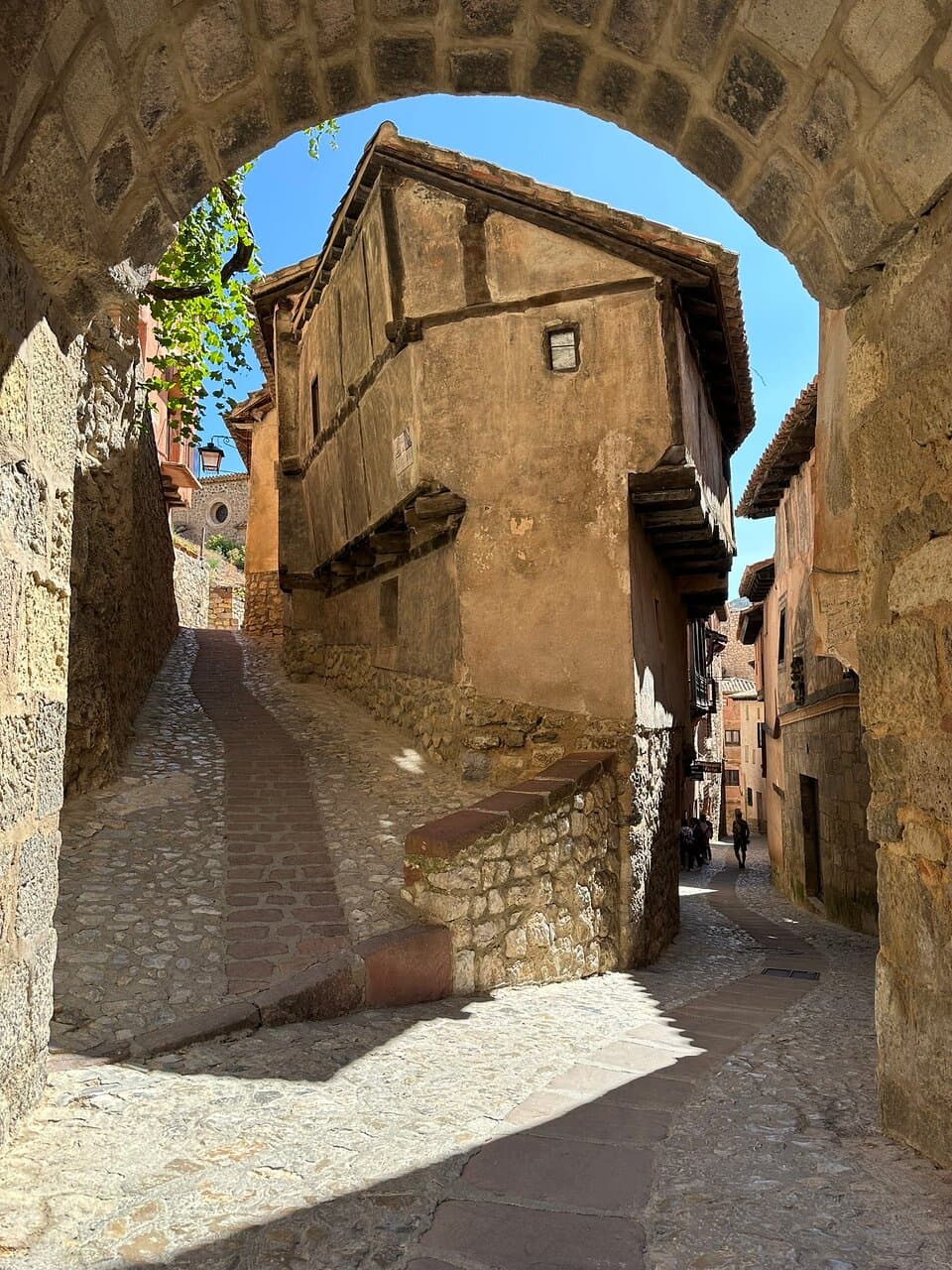
Albarracín is a town best explored on foot. Its charm lies in wandering through its medieval streets, discovering hidden corners, and enjoying the architecture. The Episcopal Palace is centrally located within this walkable area.
🎫 🎫 Tickets & Entry
Yes, typically you will need to purchase tickets for entry to the Diocesan Museum, which is housed within the Episcopal Palace. It's often recommended to book guided tours, which may include entry fees. Checking the official website or local tourist information for current pricing and booking procedures is advised.
Opening hours can vary seasonally and may be affected by local events or religious services. It's best to check the official tourism website for Albarracín or contact the local tourist office for the most up-to-date information on opening times and days.
While some parts of the palace might be accessible for viewing from the outside or specific areas, the Diocesan Museum and its collections are generally accessed via guided tours. These tours provide valuable historical context and insights into the palace's architecture and the museum's artifacts.
There is an entrance fee for the Diocesan Museum. The cost can vary, and sometimes combined tickets with other local attractions or guided tours are available. It's always a good idea to confirm the current admission price before your visit.
Occasionally, the Episcopal Palace may be used for cultural events or religious functions, which could lead to temporary access restrictions. It's wise to confirm the visiting status closer to your planned date.
🎫 🏛️ Onsite Experience
Inside, you'll find the Diocesan Museum, which houses a significant collection of sacred art, including paintings, sculptures, and liturgical objects dating from the 14th to 19th centuries. The palace itself showcases 18th-century domestic architecture with decorated halls and historical furnishings.

The museum offers a glimpse into history and art, which can be educational for older children. However, the focus on religious artifacts and historical architecture might be less engaging for very young children. Consider the interests of your children when planning a visit.
The Episcopal Palace was the residence of the bishops of Albarracín and served as a center of religious and administrative power. Its current 18th-century layout reflects the lifestyle of those who governed one of Spain's more modest bishoprics during the Enlightenment.
Yes, the palace's architecture, interior details, and the panoramic views of Albarracín from its location make it a popular spot for photography. Capture the historic facades, the charming streets, and the stunning landscapes.
The Episcopal Palace primarily showcases 18th-century domestic architecture, with a sober facade. It combines elements of Renaissance architecture with Gothic details, creating a majestic structure that reflects the ecclesiastical power of its time.
🍽️ 🍽️ Food & Dining
Yes, Albarracín's historic center is filled with charming restaurants and cafes offering traditional Aragonese cuisine. You'll find plenty of options for lunch or a snack within easy walking distance of the palace.
Expect hearty, traditional Aragonese dishes. Local specialties often include lamb, pork, cured meats, and regional cheeses. Many restaurants also offer delicious pastries and local wines.
📸 📸 Photography
The exterior of the palace, with its historic architecture, offers great photo opportunities. The panoramic views of Albarracín from the palace grounds are also spectacular. Inside, the decorated halls and museum exhibits provide unique shots, though flash photography might be restricted.
Photography inside the Diocesan Museum is usually permitted for personal use, but flash photography is often prohibited to protect the delicate artifacts. Always check for signage or ask a museum attendant if you're unsure.




Social
from TikTok, Instagram & Reddit