Convento de San José Carmelitas
A 16th-century convent deeply connected to Saint Teresa of Jesus, showcasing stunning Renaissance architecture and historical significance.
Highlights
Must-see attractions

Social
From TikTok & Reddit
Best Time
Witness unique processions
Convento de San José Carmelitas
Best Time
Witness unique processions
Highlights
Must-see attractions
A 16th-century convent deeply connected to Saint Teresa of Jesus, showcasing stunning Renaissance architecture and historical significance.
"A testament to Saint Teresa's legacy and architectural brilliance, this convent is a must-see."
🕊️ Respectful Attire
Dress modestly when visiting religious sites like this convent. :pray:
📸 Photography Etiquette
Always check for photography restrictions inside. Be mindful of worshippers and residents. :camerawithflash:

Highlights
Discover the most iconic attractions and experiences
Saint Teresa's Legacy
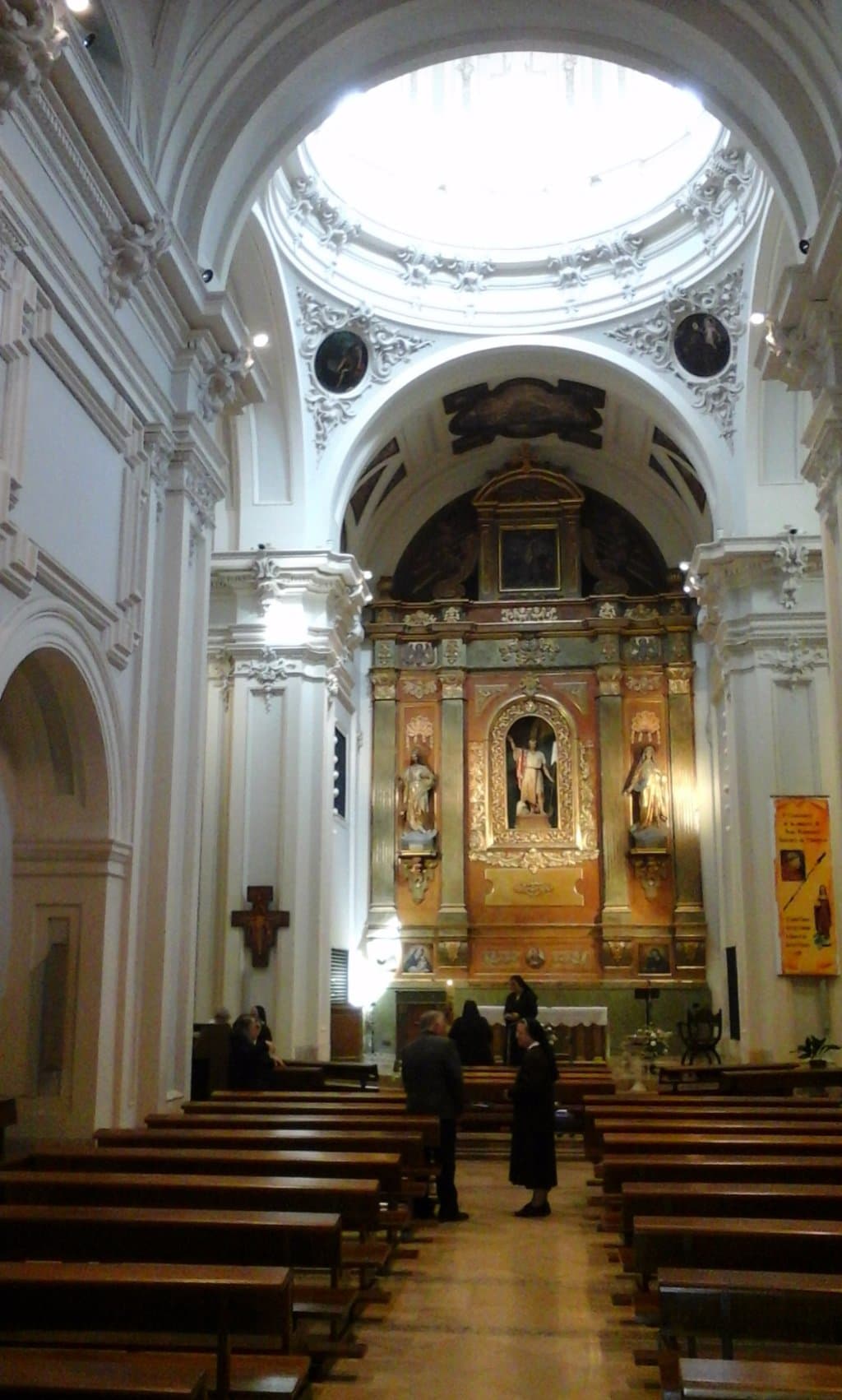
Interior of the convent
Explore spaces where Saint Teresa of Jesus lived and governed, a testament to her profound spiritual influence.
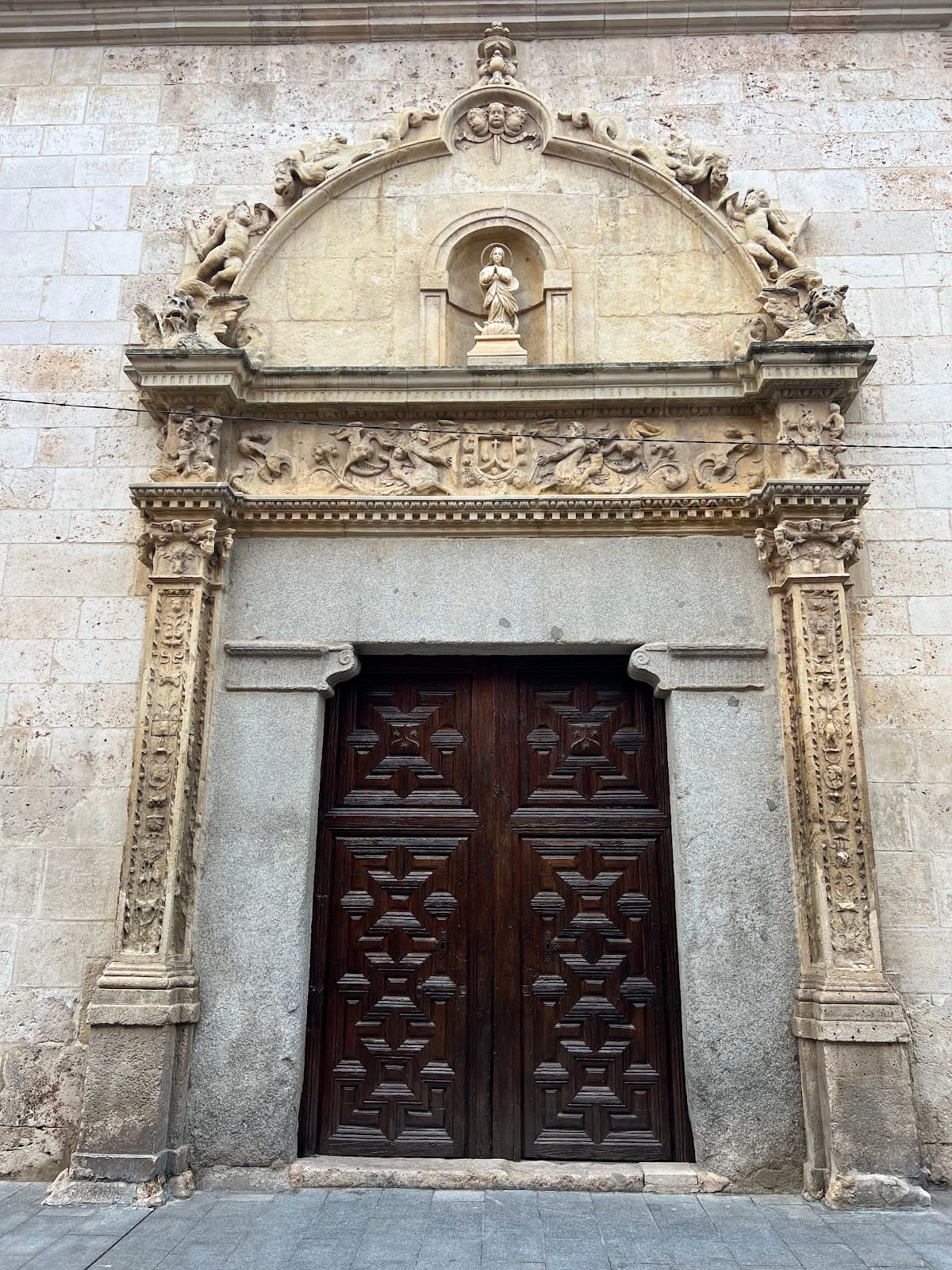
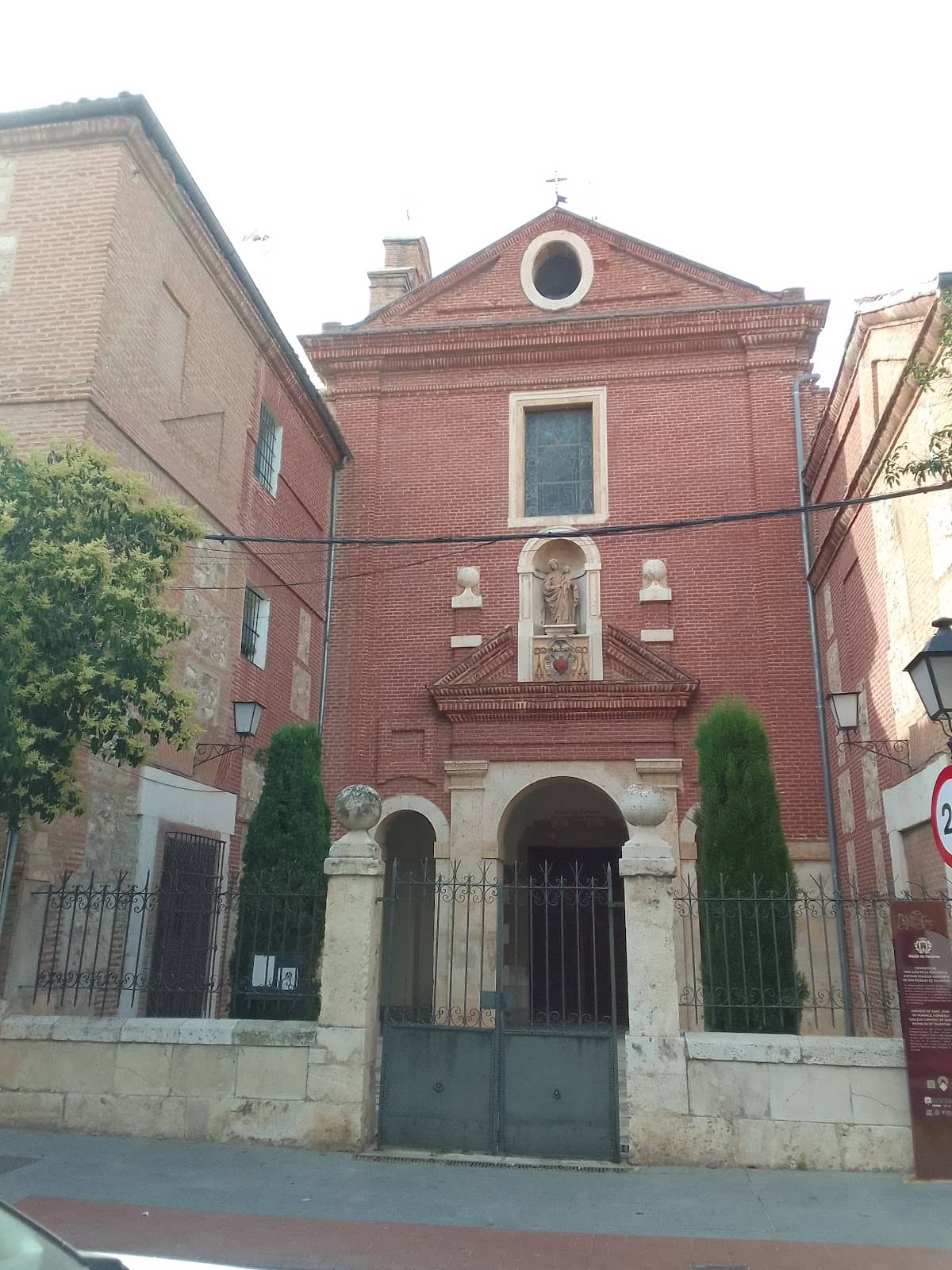
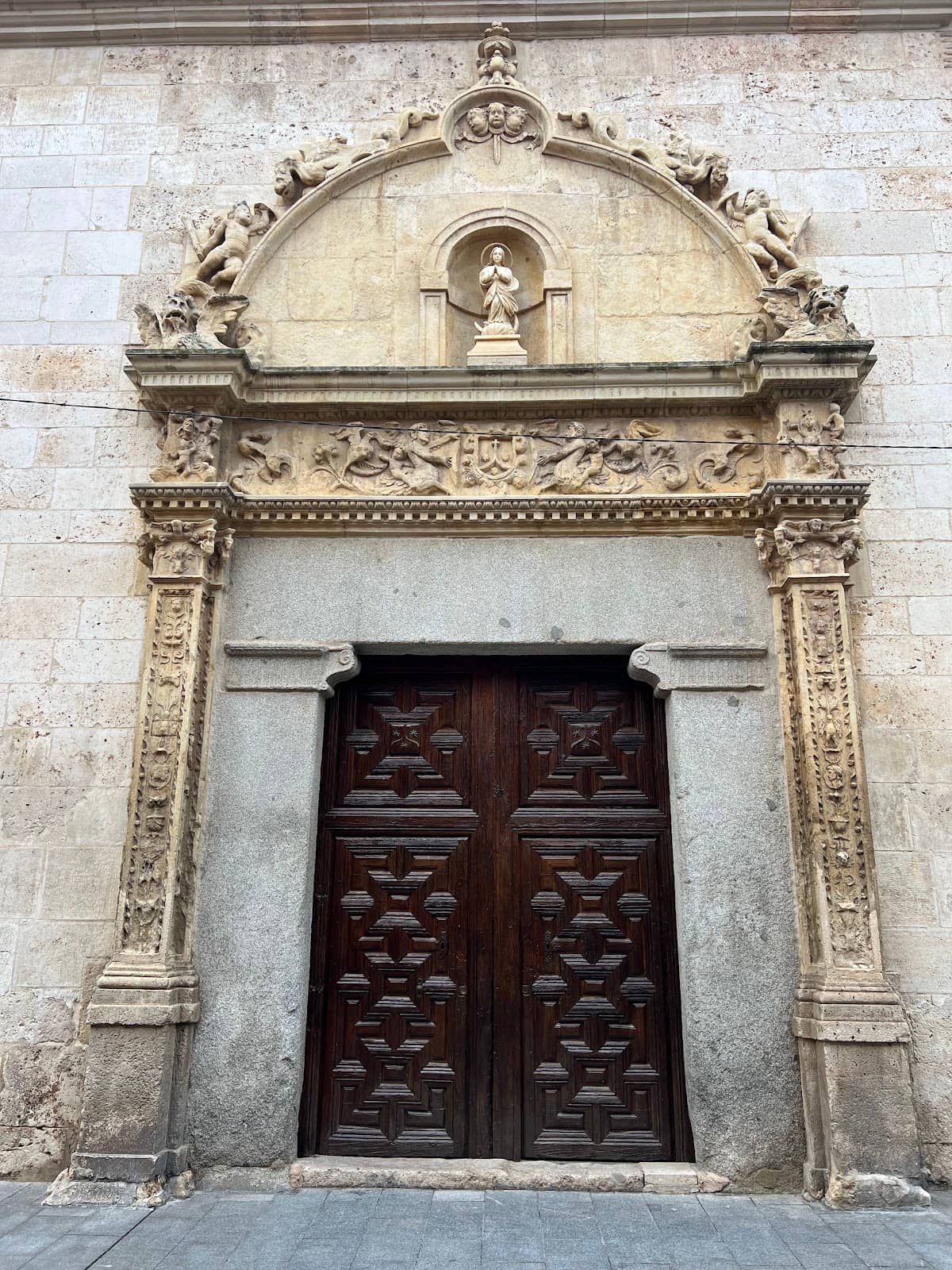
Plateresque Entrance
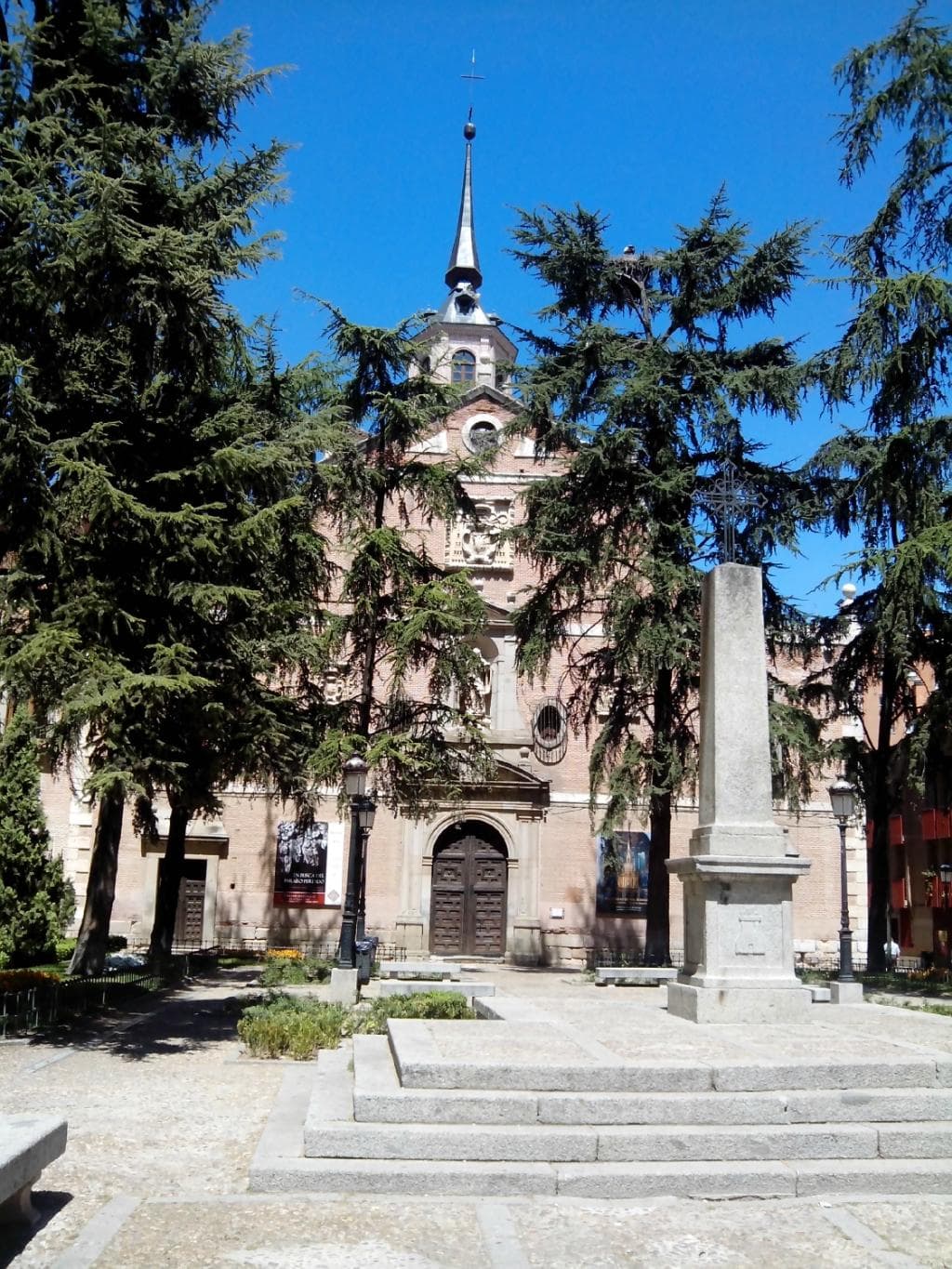
Exterior facade
Admire the intricate 16th-century Plateresque-style doorway, a masterpiece by architect Alonso de Cobarrubias.
Mudejar Courtyard
Interior courtyard
Step into a serene two-story porticoed courtyard featuring a Mudejar coffered ceiling and Renaissance architecture.
Plans like a pro.
Thinks like you
Planning Your Visit
Timing Your Visit
Understanding Its Significance
Best Times
Insider Tips
from TikTok, Instagram & Reddit
🕊️ Respectful Attire
Dress modestly when visiting religious sites like this convent. :pray:
📸 Photography Etiquette
Always check for photography restrictions inside. Be mindful of worshippers and residents. :camerawithflash:
📜 Historical Context
Learn about Saint Teresa of Jesus beforehand for a richer experience. :books:
🚶♀️ Explore Nearby
Combine your visit with other historical sites in Alcalá de Henares. :world_map:
Tips
from all over the internet
🕊️ Respectful Attire
Dress modestly when visiting religious sites like this convent. :pray:
📸 Photography Etiquette
Always check for photography restrictions inside. Be mindful of worshippers and residents. :camerawithflash:
📜 Historical Context
Learn about Saint Teresa of Jesus beforehand for a richer experience. :books:
🚶♀️ Explore Nearby
Combine your visit with other historical sites in Alcalá de Henares. :world_map:
What Travellers Say
Reviews Summary
Visitors praise the convent's rich history, particularly its connection to Saint Teresa of Jesus and its beautiful Renaissance and Mudejar architecture. The Plateresque facade and serene courtyard are frequently highlighted as stunning features. Some note that it's a significant site during Holy Week processions.
"Saint Teresa of Jesus stayed in this 16th-century convent several times. She governed the community as Prioress on one of the occasions she visited it in 1567, remaining here for more than 3 months. This community of Discalced Carmelites and the city of Alcalá remember their holy mother."
Francisco Lucena
"The importance of the Church of the Discalced Carmelites rests on several facts that have informed us of its history over time.
Although the medieval palace's original date stems from its possession and ownership by the Marquis of Lanzarote, it can be said that its fortune did not end up in his hands due to a card game anecdote worth mentioning.
It is well known from chronicles that this palace was owned by Juan Arenilla in the 16th century, losing it in gambling and passing into the hands of Luisa de Muñatones, who later sold it to the religious congregation that now resides within.
Located on Image Street, a few meters from the famous main street, we find the doorway by the architect Alsonso de Cobarrubias, who was the master builder of the Toledo Cathedral, the Royal Alcazar of Madrid, and the Archbishop's Palace of Toledo, among others.
But as a true discovery that reinforces the visit to this place, we find two extremely important facts to dispel any doubts about its existence.
The first would have to do with the founding of the Discalced Order itself. This would resonate with the stay of Saint Teresa of Jesus, the architect of the works: Blissful Heart in Love. Apparently, a tablet placed to the right of the Plateresque-style doorway commemorates her stay there. In fact, the convent itself still retains some of its elements that commemorate her.
The second, and no less important, has to do with the figure of Sister Luisa de Belén, sister of Don Miguel de Cervantes, who had the opportunity to be abbess on three occasions. She also features a tablet where we can observe some elements that honor her, such as dragons and grotesques, a decorative motif derived from the decoration of Italian caves discovered in the 15th century and later identified with the Domus Aurea (the palace that Nero ordered to be built after the burning of the city)."
restitutio integrum
"Catholic church built in the 16th century on the site of the former medieval palace of the Marquis of Lanzarote. Its notable features include a Plateresque-style main entrance, one of the interior staircases decorated with murals and covered by a Mudejar coffered ceiling, and a two-story porticoed courtyard, all works attributed to the Renaissance architect Alonso de Covarrubias. Saint Teresa of Jesus visited this convent several times throughout her life, eventually governing the community as prioress."
Jörge
What People Like
What People Dislike
Frequently Asked Questions
🚇 🗺️ Getting There
The convent is located in Alcalá de Henares, easily accessible by train from Madrid. Once in Alcalá, it's a short walk from the city center, often near other historical landmarks like Cervantes's house.
Parking in the historic center of Alcalá de Henares can be challenging. It's recommended to use public transport or park in designated public parking lots outside the immediate vicinity of the convent.
Absolutely! Alcalá de Henares is a popular day trip destination from Madrid, and the Convento de San José Carmelitas is one of its key historical attractions.
🎫 🎫 Tickets & Entry
Entry to the convent church is generally free, though donations are appreciated. Access to specific areas or guided tours may have a fee. It's best to check their official website or inquire locally.
Opening hours can vary, especially for religious services. It's advisable to check the most current hours online or by contacting the convent directly, particularly if you plan to visit outside of regular mass times.
Information on guided tours is not widely publicized online. For the most accurate details, it's recommended to inquire directly with the convent or local tourist information offices in Alcalá de Henares.
Yes, the convent church is an active place of worship. You can attend mass, which offers a spiritual experience and a glimpse into the daily life of the Carmelitas. 
🎫 🏛️ Onsite Experience
This 16th-century convent is renowned for its association with Saint Teresa of Jesus, who stayed and governed here multiple times. It was built on the site of a medieval palace and features architecture by Alonso de Cobarrubias.
The convent showcases a blend of styles, including a Plateresque entrance, Renaissance elements in its courtyard, and a Mudejar coffered ceiling.
The convent is a focal point during religious festivals, particularly Holy Week, where processions like the 'Cristo Atado a la Columna' originate from here. +1
Sister Luisa de Belén, Miguel de Cervantes's sister, served as abbess here on three occasions, and her presence is commemorated within the convent.
Information on accessibility is limited. Given its historical nature, some areas might present challenges. It's advisable to contact the convent directly for specific accessibility details.
📸 📸 Photography
Photography rules can vary. Generally, it's permitted in public areas but often restricted inside the church or during services. Always look for signage or ask permission.
The Plateresque entrance, the Mudejar courtyard, and the exterior facade offer excellent photographic opportunities. Capturing the atmosphere during a procession can also be very impactful.
Look for the tablet commemorating Saint Teresa's stay near the entrance. Capturing the essence of her spiritual legacy is a unique photographic pursuit.
For Different Travelers
Tailored advice for your travel style
👨👩👧 Families with Kids
Consider focusing on the stories of Saint Teresa and her connection to the convent, perhaps framing it as a tale of a strong historical figure. Keep the visit relatively short to maintain children's attention, and combine it with other family-friendly attractions in Alcalá de Henares, such as the nearby Cervantes House Museum.
⛪ Religious Pilgrims & History Buffs
For history buffs, the convent's origins as a medieval palace and its subsequent transformation provide a fascinating narrative. The connection to Miguel de Cervantes's sister, Luisa de Belén, adds another layer of historical intrigue. Engaging with the historical plaques and understanding the architectural evolution will greatly enhance your visit.
Deep Dives
In-depth insights and expert knowledge
The Legacy of Saint Teresa of Jesus
Her presence left an indelible mark on the convent, and a tablet near the Plateresque doorway commemorates her stay. Visiting this site offers a tangible link to her life and work, allowing visitors to reflect on her profound spiritual influence and the enduring legacy of her reforms. The convent continues to be a place of devotion and remembrance for her.
Experiencing the quietude of the spaces where Saint Teresa once walked can be a deeply moving aspect of a visit, offering a moment of reflection on faith and history.
Architectural Marvels by Alonso de Cobarrubias
Further exploration reveals the two-story porticoed courtyard, a serene space designed with Renaissance principles. This courtyard is further adorned with a Mudejar coffered ceiling, a beautiful fusion of Islamic and Christian artistic traditions, adding a unique layer to the convent's architectural narrative. The combination of these elements makes the convent a significant site for appreciating Spanish Renaissance and Mudejar art.
Walking through the courtyard and admiring the detailed ceiling provides a visual journey through different artistic eras, making the visit both educational and visually rewarding.
Witnessing Holy Week Traditions
These processions offer a powerful glimpse into the deep-rooted religious traditions of Alcalá de Henares. The atmosphere is charged with emotion and devotion, as participants and spectators alike engage in this centuries-old cultural practice. It's an opportunity to witness a living tradition that is central to the identity of the city.
Experiencing the solemnity and grandeur of a Holy Week procession departing from the convent is an unforgettable aspect of visiting Alcalá de Henares.

Social
from TikTok, Instagram & Reddit